Commercial Deep Fryers
Commercial deep fryers prepare fried menu items in restaurants, bars, concession stands, and food trucks. Compare countertop and floor models, gas and electric heating, oil capacity, cooking configuration, and ventilation requirements.
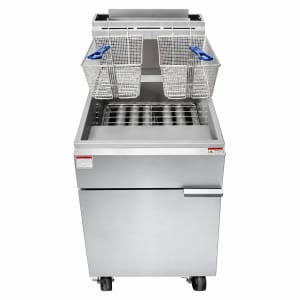
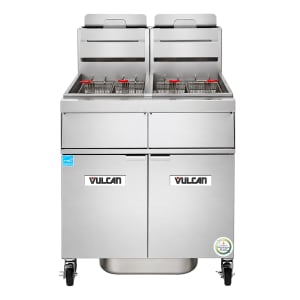
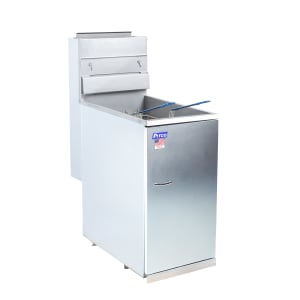
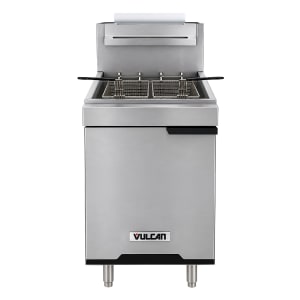
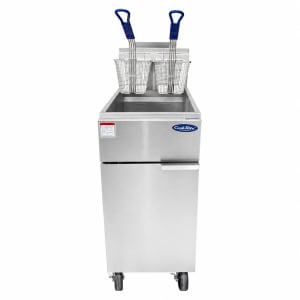
Commercial Gas Fryers
Learn about your commercial gas fryer options here. Whether you're frying dough or chicken, we'll help you find the right fryer for your establishment.
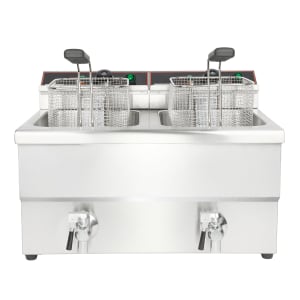
Commercial Electric Fryers
An electric commercial fryer provides efficient heat from elements submerged in the oil vat, saving on energy costs over gas fryers in many cases.
Countertop Commercial Fryers
A commercial countertop fryer is ideal for low- to medium-volume operations such as concession stands and neighborhood pubs. Browse KaTom's selection here.
Commercial Pressure Fryers
The commercial pressure fryer has been trusted for decades to provide succulent and flavorful fried chicken for high volumes of customers, batch after batch.
Commercial Air Fryer
Commercial air fryers use hot air to cook battered fish, chicken, and other classics to give food a crispy texture. Find a model for your business here.
ENERGY STAR Commercial Fryers
Fry your customers' favorite appetizers and entrees while cutting oil and electricity usage with an efficient fryer.
Commercial Deep Fryers For Sale
Commercial Deep Fryers for Restaurants & Foodservice Operations
Commercial deep fryers prepare fried foods in restaurants, bars, concession stands, food trucks, and other foodservice operations. KaTom offers commercial gas and electric fryers in countertop and floor configurations, along with specialty equipment for different cooking applications. Compare fryer types, oil capacities, and features to find equipment that meets your menu and production requirements.
Types of Commercial Deep Fryers
Commercial fryers are available in several configurations to accommodate different menus, kitchen layouts, and production demands.
- Commercial Gas Fryers: Use gas burners to heat cooking oil and are available in configurations for different production requirements
- Commercial Electric Fryers: Use electric heating elements to heat cooking oil and are available in a range of capacities and configurations
- Countertop Commercial Fryers: Compact units suited to concession stands, cafes, food trucks, and kitchens with limited floor space
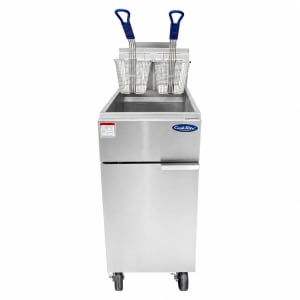
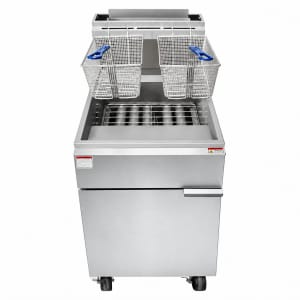
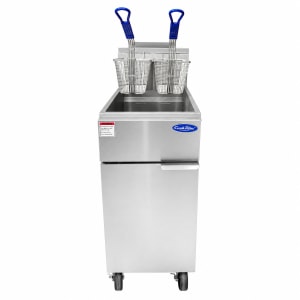
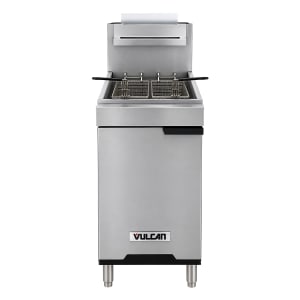
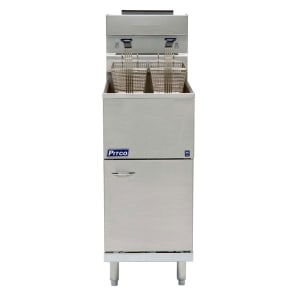
- Floor Model Commercial Fryers: Larger-capacity models for restaurants and foodservice operations with greater frying demands
- Commercial Pressure Fryers: Cook foods such as fried chicken in a pressurized environment
- Specialty Commercial Fryers: Include flat-bottom, donut, funnel cake, and corn dog fryers designed for specific menu applications
How to Choose the Right Commercial Deep Fryer
Choose a commercial fryer based on your menu, expected production volume, available space, and utility connections. Consider these factors before purchasing:
- Oil Capacity: Match the fryer's oil capacity to your expected production needs and busiest service periods
- Fryer Configuration: Compare countertop and floor models based on available kitchen space and the amount of food you need to prepare
- Fuel Type: Evaluate gas and electric fryers based on available utility connections, installation requirements, and operating costs
- Frypot Design: Consider open-pot, tube-type, and flat-bottom configurations based on the foods you prepare and cleaning requirements
- Basket Configuration: Compare single- and multiple-basket models based on the types of food you prepare and your desired cooking workflow
For more help comparing fryer sizes and configurations, read KaTom's Commercial Deep Fryers Buying Guide and Correctly Sizing Your Commercial Fryer.
Commercial Fryer Installation & Ventilation
Before purchasing a commercial fryer, review the equipment's installation and ventilation requirements. Many commercial fryers require an exhaust hood, while select ventless models have integrated ventilation and filtration systems designed for installations without a traditional exhaust hood. Check manufacturer specifications and applicable local codes to confirm ventilation, clearance, electrical, and gas requirements before installation.
Learn more about installation considerations in KaTom's Guide to Ventless Fryers.
Commercial Fryer Cleaning, Maintenance, & Accessories
Routine cleaning, oil filtration, and timely oil replacement help keep commercial fryers ready for daily foodservice operations. KaTom carries accessories and supplies for fryer operation, cleaning, and maintenance.
- Fryer Baskets: Replace worn baskets or add additional baskets to support different foods and cooking batches
- Oil Filters & Filtration Supplies: Use fryer filter paper, filter powder, and compatible filtration components to help maintain cooking oil quality
- Fryer Cleaning Supplies: Remove grease and carbon buildup with compatible commercial fryer cleaners, brushes, and boil-out chemicals
- Replacement Parts: Find components such as thermostats, heating elements, gas valves, drain valves, and high-limit switches
- Oil Disposal Equipment: Simplify oil changes with transport containers, disposal systems, and related accessories
For additional guidance, read KaTom's Get More Out of Your Fryer with Accessories.
Frequently Asked Questions About Commercial Deep Fryers
Should I choose a gas or electric commercial fryer?
Gas commercial fryers heat oil using burners fueled by natural gas or LP gas, while electric fryers use heating elements. Compare models by oil capacity, rated production and recovery performance, utility requirements, and operating costs. Neither fuel type is automatically best for every kitchen; the right choice depends on your cooking volume and available utilities.
What size commercial fryer does a restaurant need?
Choose a fryer based on your menu, expected production volume, and the oil capacity required during peak service. Consider how many batches you need to prepare and whether a single- or multiple-vat configuration better suits your operation.
Do commercial deep fryers require a ventilation hood?
Many commercial fryers require installation beneath an exhaust hood, but requirements vary by equipment type and local codes. Select ventless models may offer an alternative. Always review manufacturer specifications and applicable installation requirements.
What is the difference between a countertop and floor model fryer?
Countertop fryers take up less space and are useful for smaller operations or supplemental frying. Floor model fryers generally offer larger capacities for restaurants and kitchens with greater production demands.
What is the difference between open-pot and tube-type fryers?
Open-pot fryers have an open frypot design that's generally easier to clean and works well for lower-sediment foods. Tube-type fryers have heating tubes running through the frypot and typically feature a substantial cold zone that collects food sediment, making them useful for breaded foods.
How do you clean and maintain a commercial deep fryer?
Follow the manufacturer's instructions for draining oil, cleaning the frypot, and removing grease and food debris. Regularly inspect baskets, filtration components, and other fryer parts for wear.
What type of commercial fryer is best for a food truck?
Food truck operators should compare compact countertop fryers and other space-conscious models based on menu requirements, oil capacity, available utilities, and installation constraints. Confirm ventilation requirements before selecting equipment.
Learn More About Commercial Deep Fryers
- Get More Out of Your Fryer with Accessories
- Frying Accessories for Efficient Restaurant Kitchens
- Save Money with Fryer Oil Filtration
- Commercial Deep Fryers Buyers' Guide
- Correctly Sizing Your Commercial Fryer
- Fry More Foods & for Longer With These Easy Tips
- Compact Frying with Countertop Fryers
- Commercial Deep Fryer Terms
- Pressure Fryers Buyers' Guide
- Choose Your Deep Fryer Oil
- Commercial Deep Fryer Safety Tips
- What Fryer Does McDonald's Use for Fries and Nuggets?
- Can You Reuse Frying Oil?
- Proper Restaurant Grease Disposal