How to Dispose of Used Fryer Oil in a Restaurant
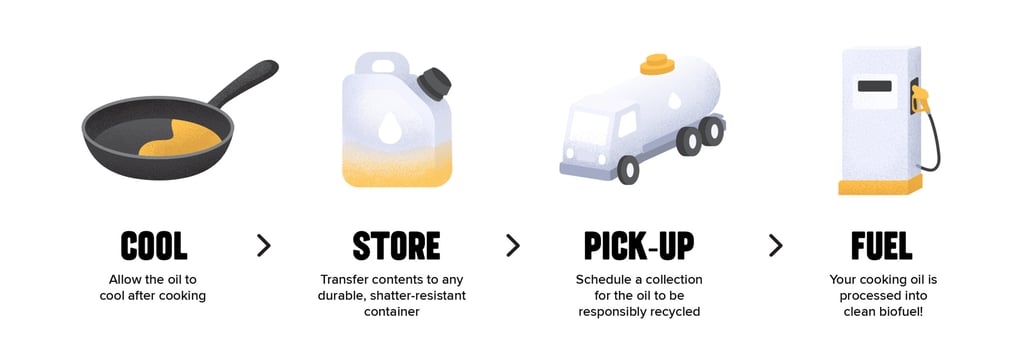
Oil is one of the most important cooking ingredients in the kitchen, but what exactly should you do with your used oil? Used oil should never be moved right away. Instead, it should be allowed to cool to a safe temperature, usually cooler than 150 degrees Fahrenheit. However, if oil sits too long, it starts to solidify, which further complicates the process of moving it.
If the oil is to be reused, it should be strained to remove food particles after it's cooled to an appropriate temperature. Then, it can be transferred to a container and labeled or, if it will not be reused, moved to a disposal container. If the oil is past the point of reuse, restaurant operators can schedule container pickup with a licensed disposal service.
What is the Best Way to Dispose of Cooking Grease?
Due to the complexities of oil disposal, the best way to get rid of your used cooking grease is through a licensed oil recycling company. In addition to the damage that improperly disposed oil can cause, many cities and municipalities have strict laws about how you dispose of your grease. Utilizing a pickup service ensures your grease is disposed of in accordance with local, state, and federal regulations while also ensuring the most environmentally responsible disposal method possible.
Why You Shouldn’t Pour Grease Down the Drain
While it may seem like the easiest solution, pouring your used cooking oil down the drain can lead to numerous short- and long-term problems. Cooking oils are fats, and when these fats cool down after cooking use, they begin to thicken and solidify, combining with other food waste and particles to coat the pipes in your plumbing system. This eventually forms blockages that can cause costly backups.
Even if the oil makes it through the pipes, the danger isn't over. Once it reaches the sewer system, oil can clog sewer lines. Oil in waterways can coat plants and wildlife, disrupt oxygen levels, and harm aquatic ecosystems. For these reasons, most areas prohibit the disposal of oil down the drain, which can lead to citations, fines, and even the loss of your operating license.
Can You Reuse Fryer Oil?
Yes, oil can be reused and can extend life by 200 to 400 percent, saving operators thousands per year across multiple locations," said Vulcan Director of Chain Sales Stacey Turek. However, it takes extra steps and care to ensure the oil remains at a usable quality. First, consistently skimming food debris from the oil during the frying process can help when it’s time to filter the oil after use. Skimming helps to slow oil degradation caused by burning food bits.
After frying, the oil must go through a filtration process. Some fryers have built-in filtration systems, while others require the use of portable fryer filters or fryer filter paper to properly remove particles and degraded compounds. After filtering, it should be stored safely in a food-grade covered container in a dark, cool location.
Oil can generally be reused between three and five times. "Filter oil hot at least twice per day, and cover fryers at night to prevent debris or contamination," advises Turek. A persistent dark color or a rancid or burnt smell is a sign that it's time for disposal.
What are Grease Removal Services?
Grease removal services specialize in the safe collection, transportation, and disposal of used oils and grease from commercial kitchens. These services help your operation comply with local, state, and federal regulations. Many of these companies provide containers for used oil and offer routine, scheduled pickups.
How Often is Oil Collected?
The frequency with which you need to schedule oil pickup depends on the size of your restaurant and how much oil you use. For restaurants with high frying volume, pickup every week or every other week is usually necessary. For restaurants with moderate frying volume, monthly pickup is usually sufficient, while low-frying establishments can schedule pickup every six weeks or on an on-call basis.
Restaurant Grease Recycling: How It Works
After a removal service picks up your oil, it's taken to a rendering or recycling facility where it's combined with other batches of used oil. After going through a filtering and treatment procedure, it's refined and processed depending on its desired use. The final product can become biodiesel fuel, an additive in livestock feed, or be used in lubricants, soaps, and even cosmetics.
Benefits of Recycling Cooking Oil
- Environmental Protection: Keeps fats, oils, and grease out of sewer systems and waterways
- Compliance with Local Regulations: Avoid fines, citations, and potential license loss
- Plumbing Protection: Avoid the risk of blockages and emergency repair costs
- Financial Gains: Many oil recycling companies pay restaurants based on the volume of oil collected, either as checks or credits toward service fees
What Are Automated Oil Systems?
Automated oil systems are setups that handle the storage, filtration, dispensing, and disposal of cooking oil using minimal employee oversight and labor. Matt Greear, a senior manager at Henny Penny, explains that, "simplifying operation has been key. Less effort, fewer errors, and less training time are important with the high level of turnover in the foodservice industry." There are two main types: closed-loop and semi-automated systems. Semi-automated systems automate several steps of the process, while closed-loop systems fully automate every step.
Advantages of a Closed-Loop Grease System
- Enhanced Safety: Limit employee interaction with hot oil and ensure proper oil disposal
- Labor & Time Savings: Refill your oil at the push of a button and pump used oil directly to a holding tank for pickup
- More Hygienic Kitchen: Limit open containers and reduce grease buildup around fryers
- Cost Efficiency: Extend oil life and potentially collect on disposal rebates
Grease Disposal Mistakes to Avoid
Besides dumping oil down the drain, there a few other common mistakes operators make when it comes oil disposal. Grease shouldn't be simply dumped in the trashcan, as hot oil can melt the liners and create fire hazards, while cold grease can attract pests and cause foul odors.
You should also store your grease in sealed containers to prevent spills during pickup, which could lead to slips or burns. Finally, don't mix your used grease with chemicals or food waste, as this contaminates the oil and makes it harder and more expensive to recycle. Improper oil disposal can lead to health code violations, fines, or even a temporary shutdown of your restaurant.
Shop Commercial Fryers & Oil Management Tools
Regardless of the type of commercial fryer you operate, KaTom can help you properly dispose of your oil. Whether you need a portable fryer filter system to help you reuse your oil or any number of
