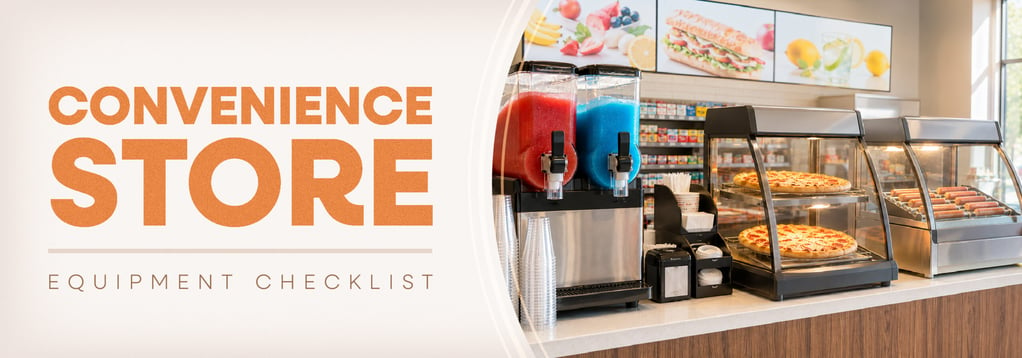
Convenience Store Equipment List
Convenience stores are growing in popularity as food destinations. According to the National Association of Convenience Stores (NACS), foodservice sales in convenience stores have grown from 11.9 percent of in-store sales in 2005 to 28.5 percent in 2025.1 Independent owners and chain operators are investing in equipment that supports fresh food programs beyond the typical slush machines and roller grills. Operators starting a convenience store should choose reliable foodservice equipment that suits their store layout, supports their product offerings, and complements their service style.
Key Takeaways
- Prioritize dedicated merchandising equipment to create attractive product displays
- Support operations with precise prep tools, organized storage systems, and bathroom equipment
- Successful convenience stores often focus on well-developed beverage programs, including coffee, soda, frozen drinks, and customizable options
- Self-service or automatic equipment can reduce labor needs and support efficient service

What Equipment Do You Need to Open a Convenience Store?
Convenience stores range from small corner stores to large travel facilities with multiple foodservice stations, so equipment needs vary. Most operations, however, require products from the following categories.
1. Cold Storage
Convenience stores require reliable refrigeration units, from large walk-ins and merchandising reach-ins to smaller display cases. Commercial refrigeration preserves everything from packaged drinks and premade sandwiches and salads to bulk ingredients.
- Walk-In Refrigeration: Walk-in coolers and freezers preserve bulk ingredients, ice, and prepared food. Some retail locations use walk-in beer caves to increase merchandising value and expand product offerings.
- Glass-Door Merchandisers: Full-size reach-ins typically line the walls of C-stores to display drinks, limited grocery items, and refrigerated snacks. Bright interior lighting ensures customers can easily view products.
- Deli Cases and Bakery Cases: Glass or open display cases come in self-service or full-service designs. Refrigerated cases are often positioned near the front counter for merchandising baked goods, prepared meals, or grab-and-go items.
- Countertop Refrigeration: Countertop refrigerators and freezers have compact footprints that maximize limited counter space. These units are best for showcasing high-profit drinks, food, or frozen items.
- Prep Tables: Convenience stores use prep tables for crafting fresh meals such as pizza or deli sandwiches. Insulated covers help operators keep items fresh throughout the day.
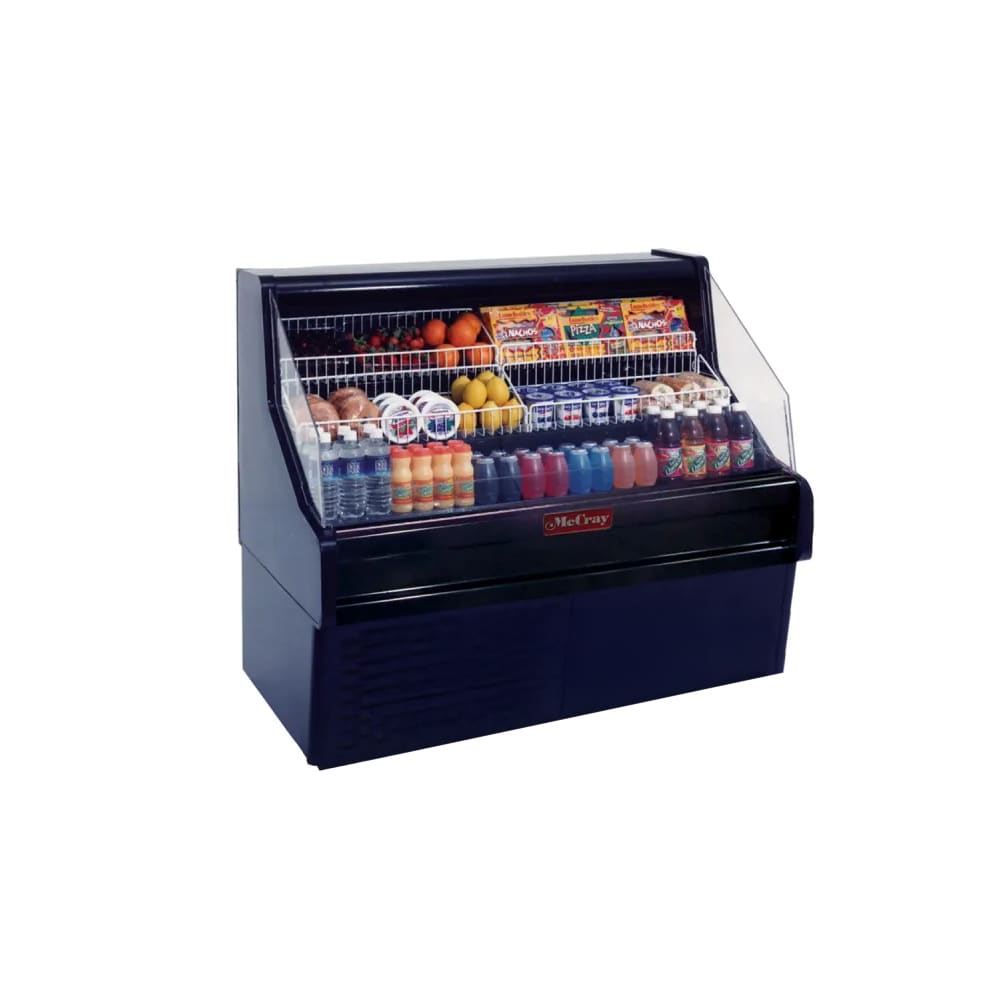
Howard-McCray 63-Inch Impulse Horizontal Open-Air Cooler
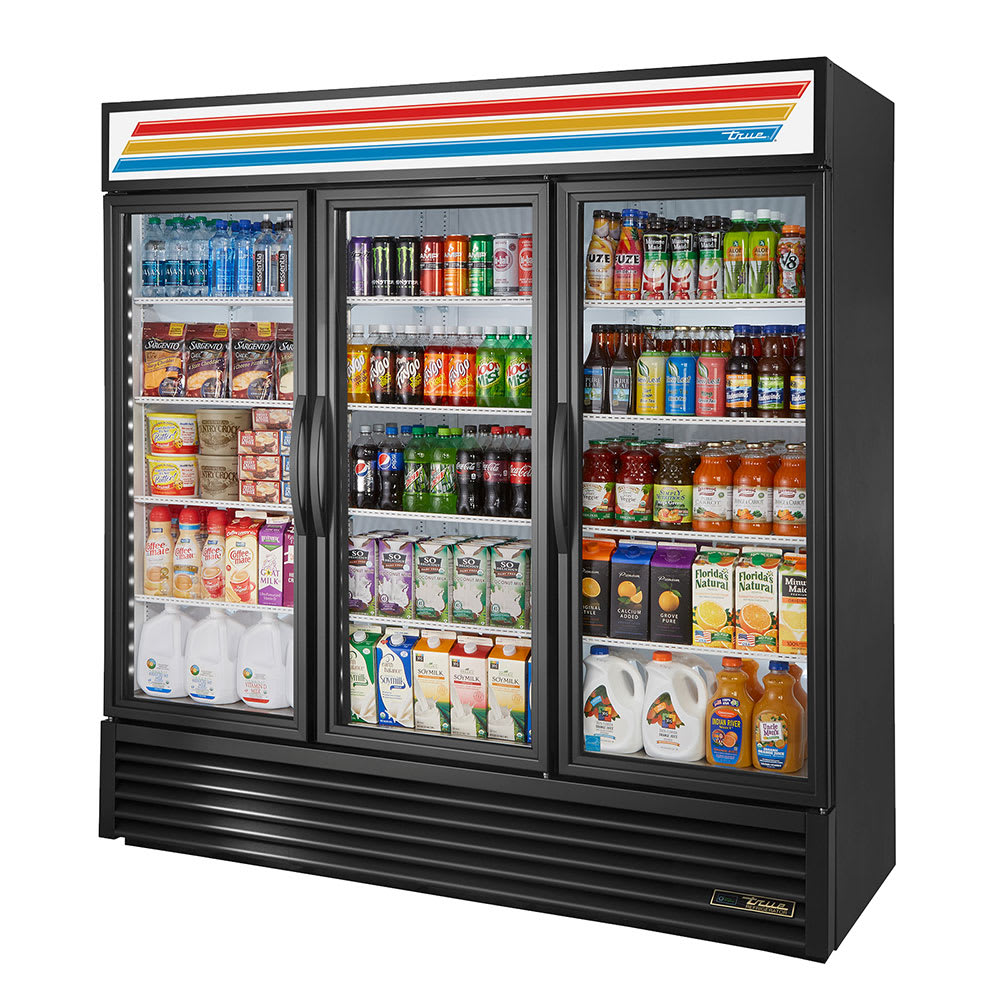
True 78-Inch Three-Section Glass-Door Merchandiser
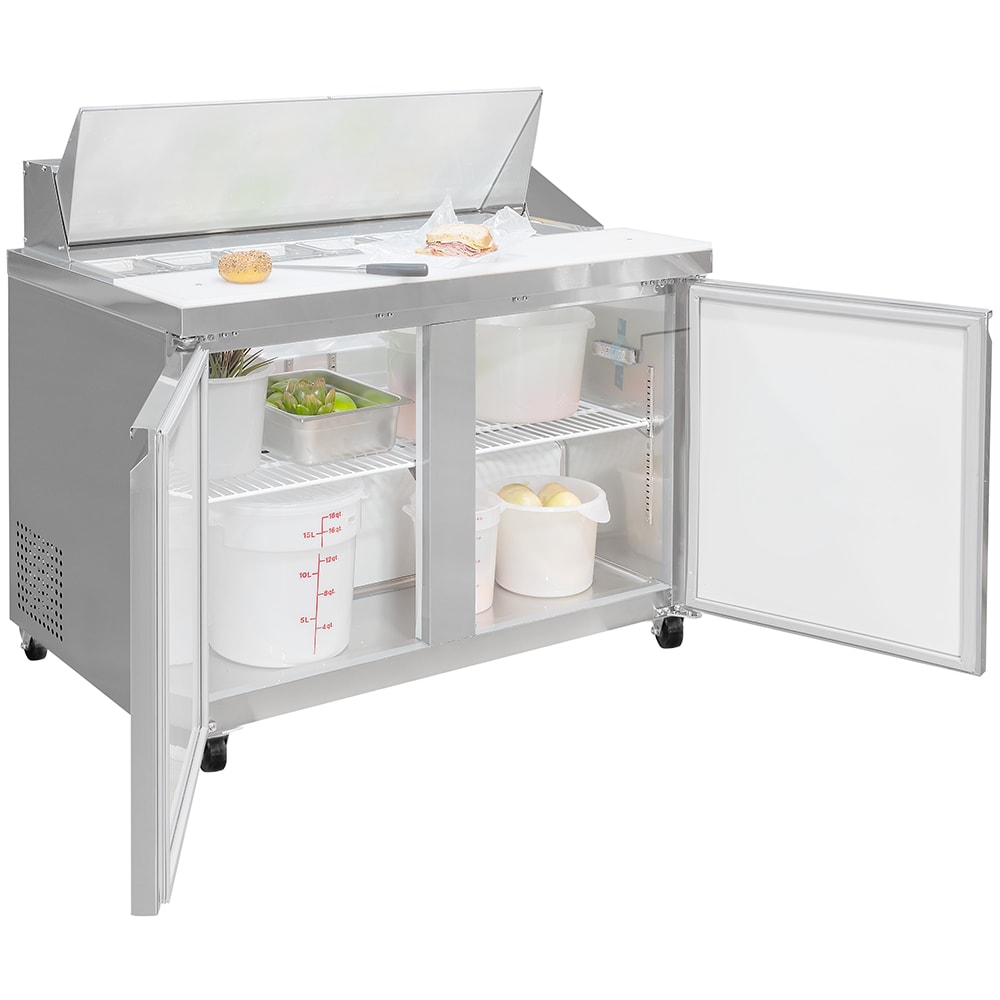
MoTak 47-Inch Sandwich/Salad Prep Table
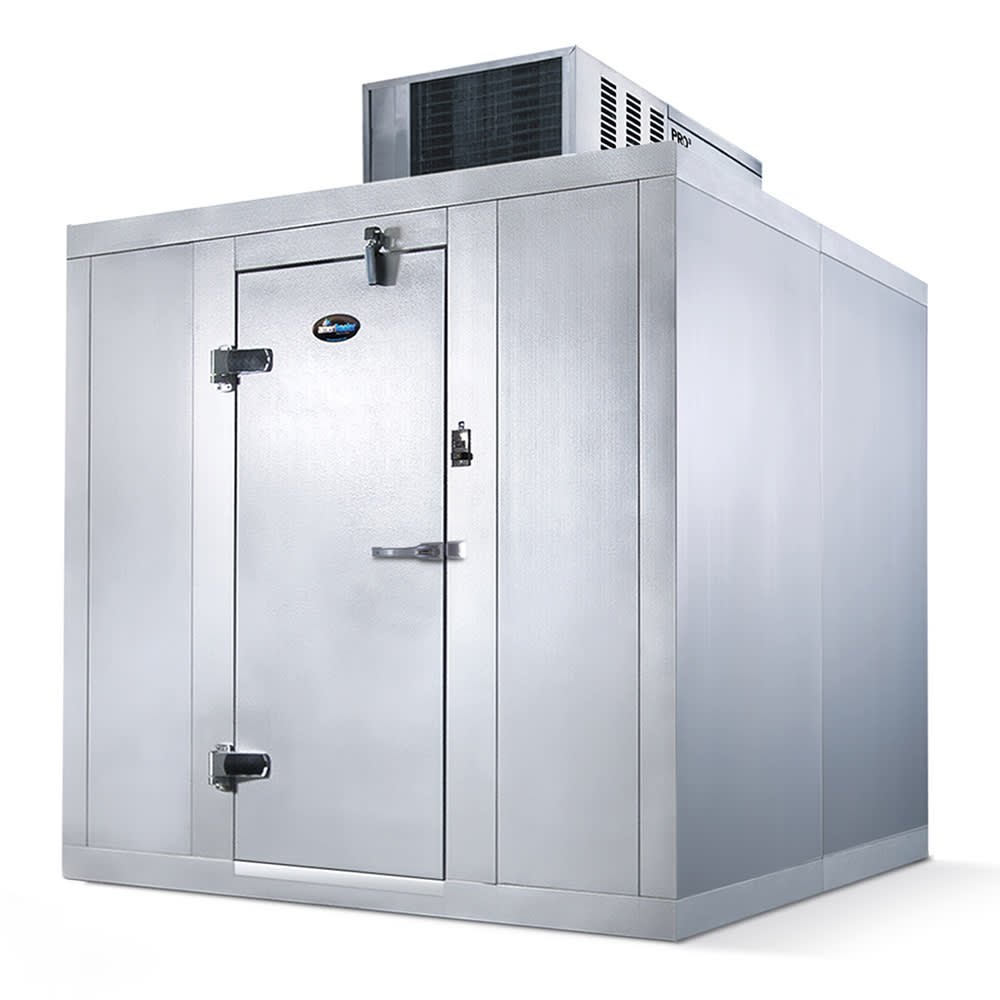
Amerikooler 8-by-8-Foot Indoor Walk-In Cooler
2. Ice Machines and Merchandisers
High-volume ice machines support steady drink service and bagged ice sales. Depending on the size of the beverage program and customer demand for bagged ice, operators may require units that produce more than 1,000 pounds per day with large storage bins.
- Ice Dispensers: Many ice dispensers include water dispensers, enabling convenient service at customer-facing drink stations and ready access to ice.
- Modular Ice Machines: Many ice machine heads can be mounted on soda fountains or paired with bins for drink service or bagging ice.
- Ice Merchandisers: Typically positioned outside or near the front entrance, ice merchandisers come in a variety of sizes for keeping bagged ice frozen. Leer manufactures ice vending machines for 24-hour service.
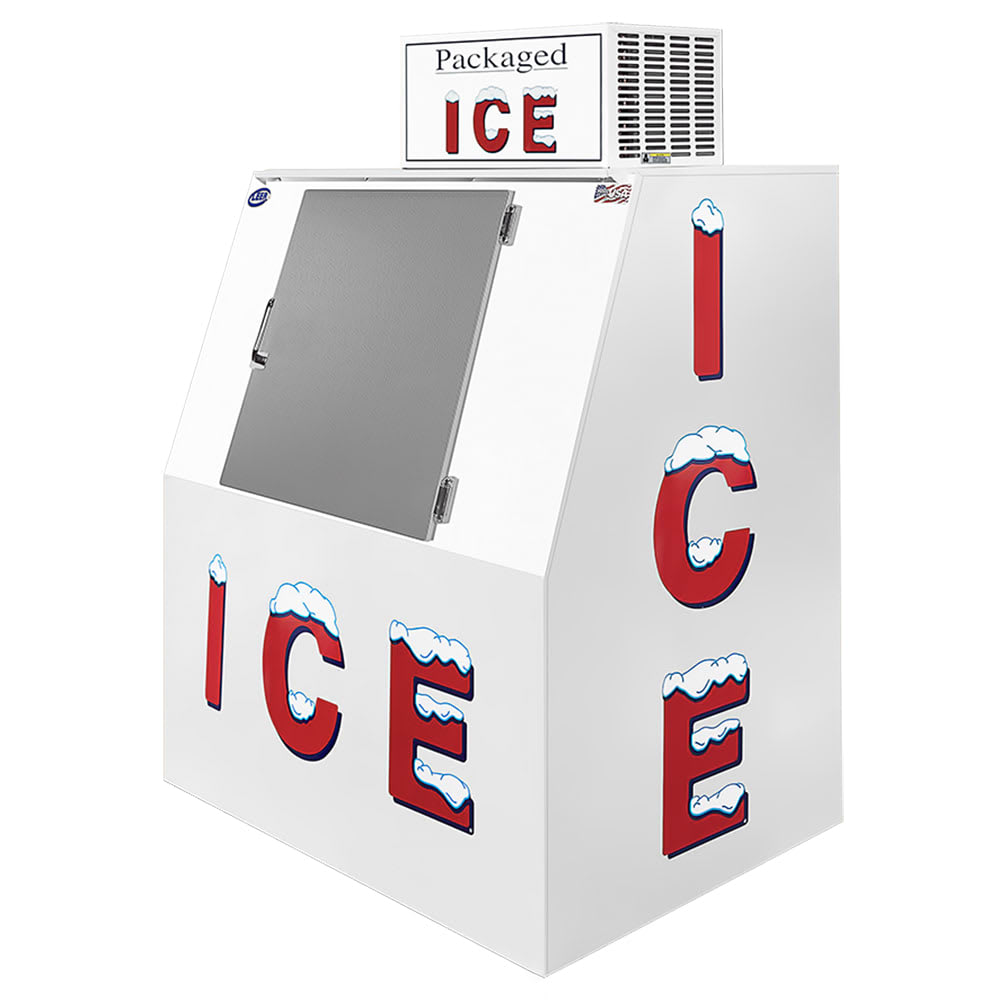
Leer 51-Inch Outdoor Slanted Ice Merchandiser
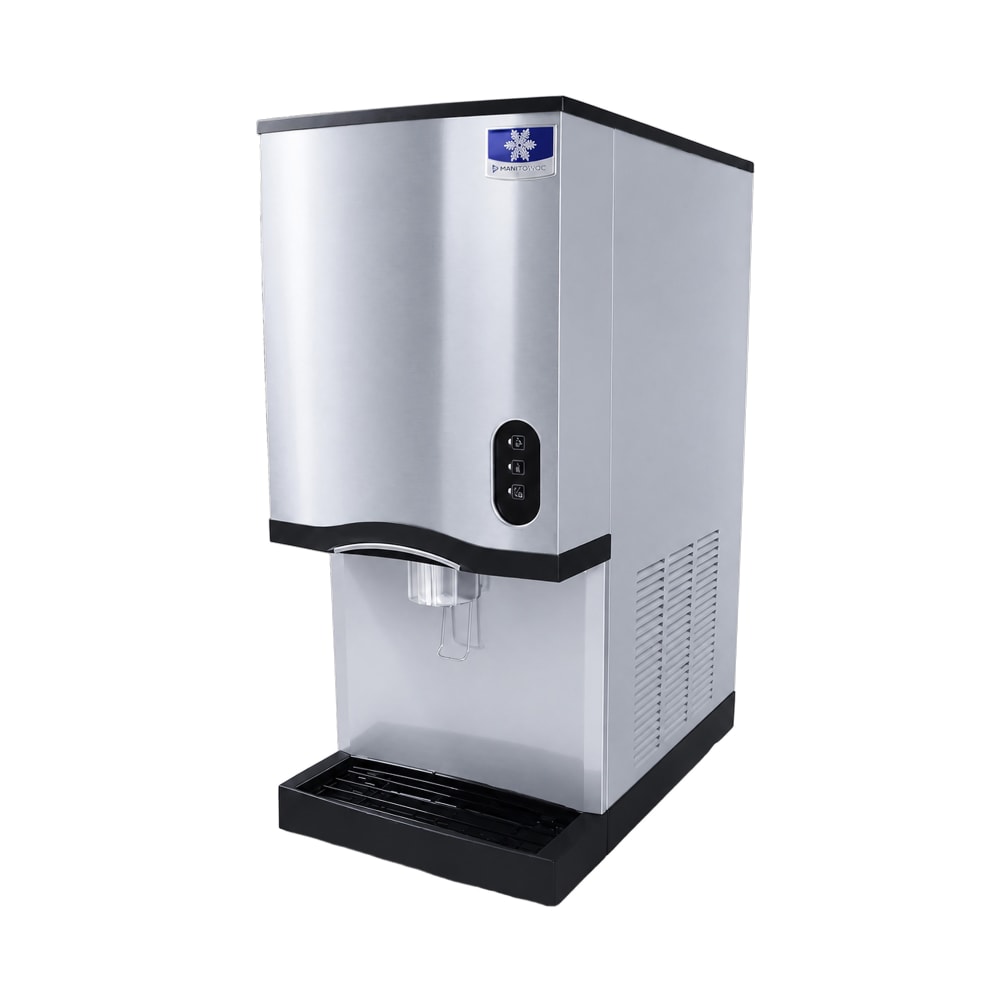
Manitowoc Ice Countertop Nugget Ice and Water Dispenser
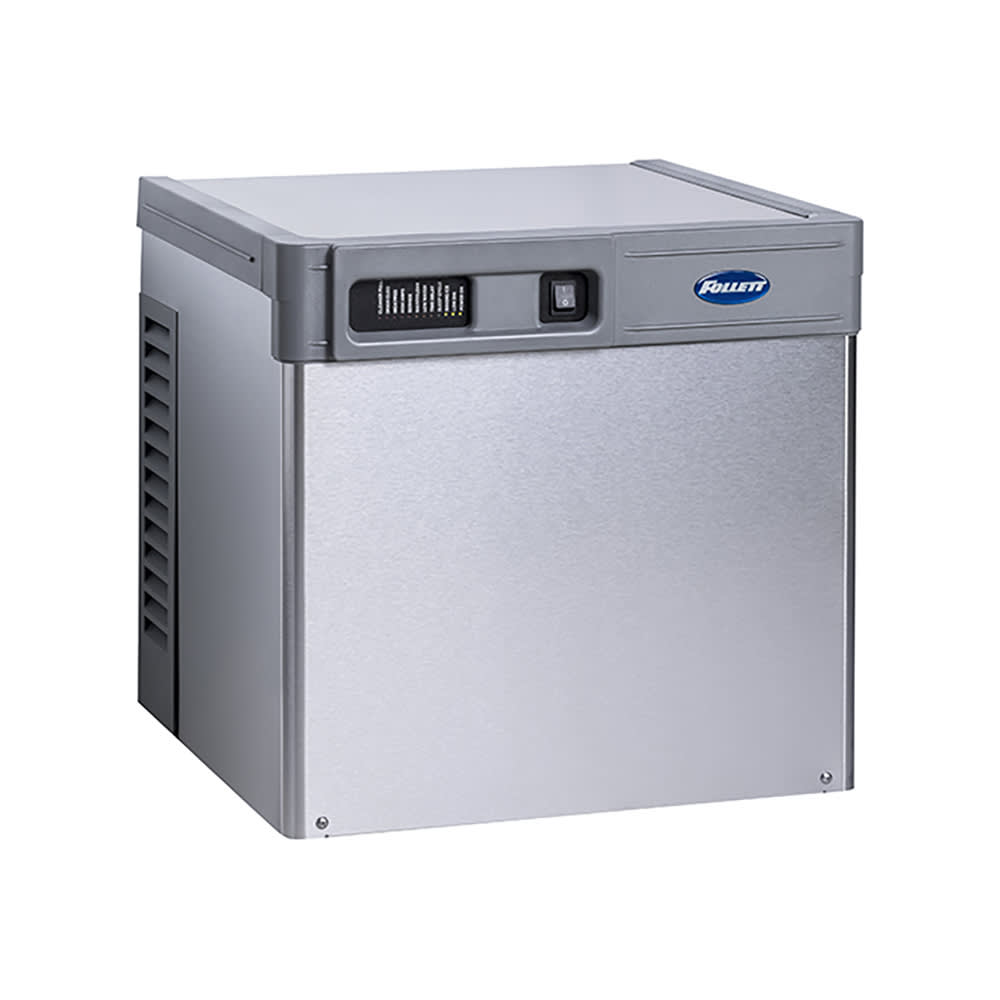
Follett Horizon Elite Nugget Ice Machine Head
3. Beverage Equipment
Convenience stores have historically been leaders in dispensed drinks and typically generate significant profit from beverage sales.2 Well-developed beverage programs help locations maximize this potential, while commercial beverage equipment supports high-volume service during rush periods.
- Soda Dispensers: Soda fountains are available in pre-mix or post-mix formats for dispensing beverages in full-service or self-service settings.
- Juice Dispensers: Refrigerated drink dispensers have one to four drink hoppers with large capacities and straightforward dispensing. Many models include adjustable refrigeration controls for serving drinks at the ideal temperature.
- Frozen Drink Equipment: Used for serving slush drinks, these units typically have clear hoppers for showcasing colorful frozen beverages and can support self- or full-service. Models feature adjustable consistency and flavor-intensity settings for customized drinks.
- Hot Chocolate Equipment: Designed for self-service stations, these machines combine powdered mix with hot water. Some units can also dispense coffee and other hot beverages.
- Coffee and Tea Brewers: Airpot brewers offer high-volume, pour-over service in convenience store coffee stations. Some units brew both coffee and tea. Satellite brewers expand service capacity in busy locations, while super automatic machines prepare made-to-order espresso drinks.
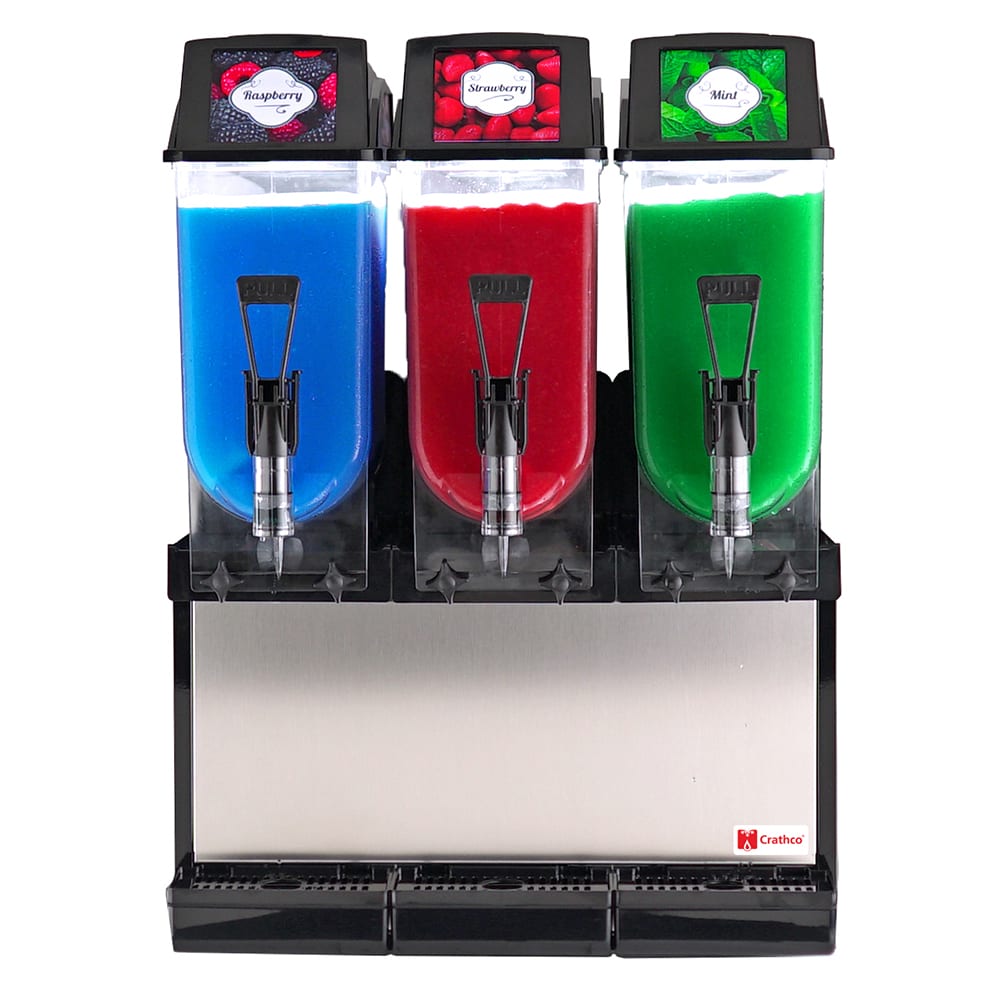
Crathco Three-Bowl Frozen Drink Machine
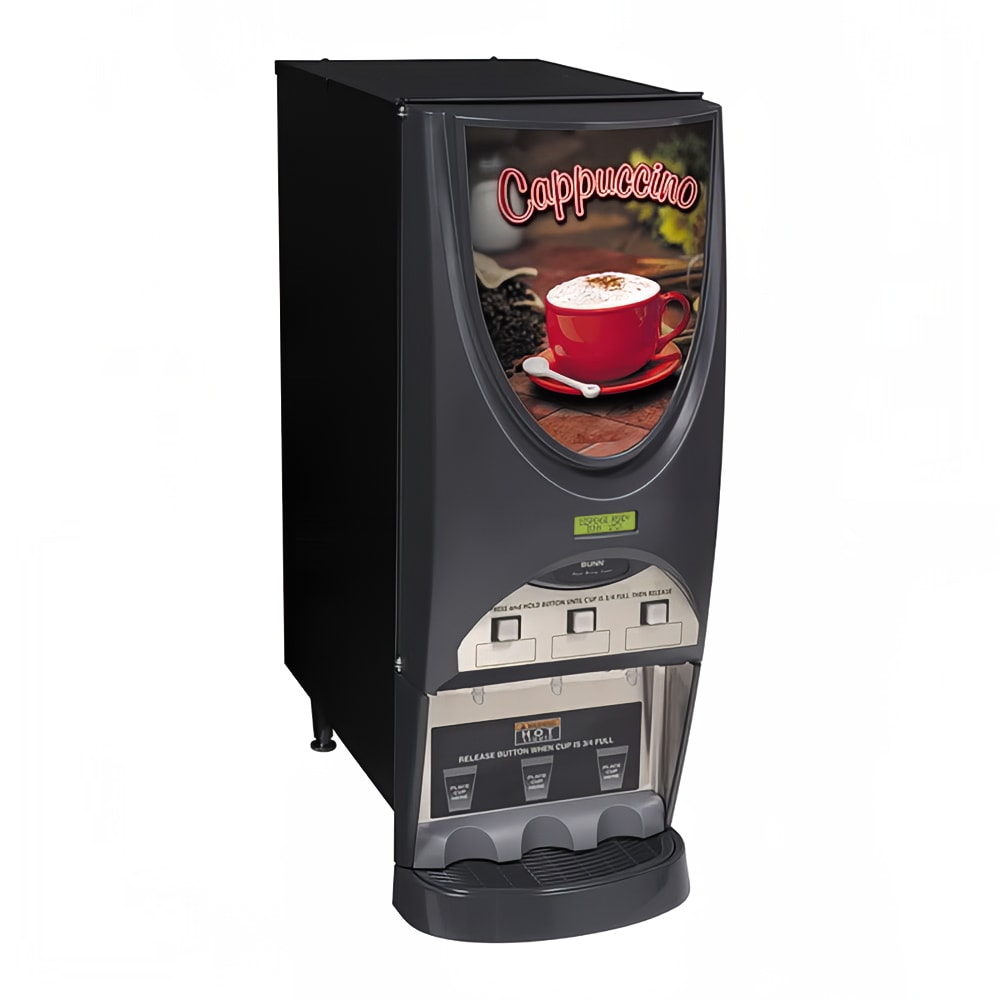
Bunn iMIX Three-Hopper Hot Drink Dispenser
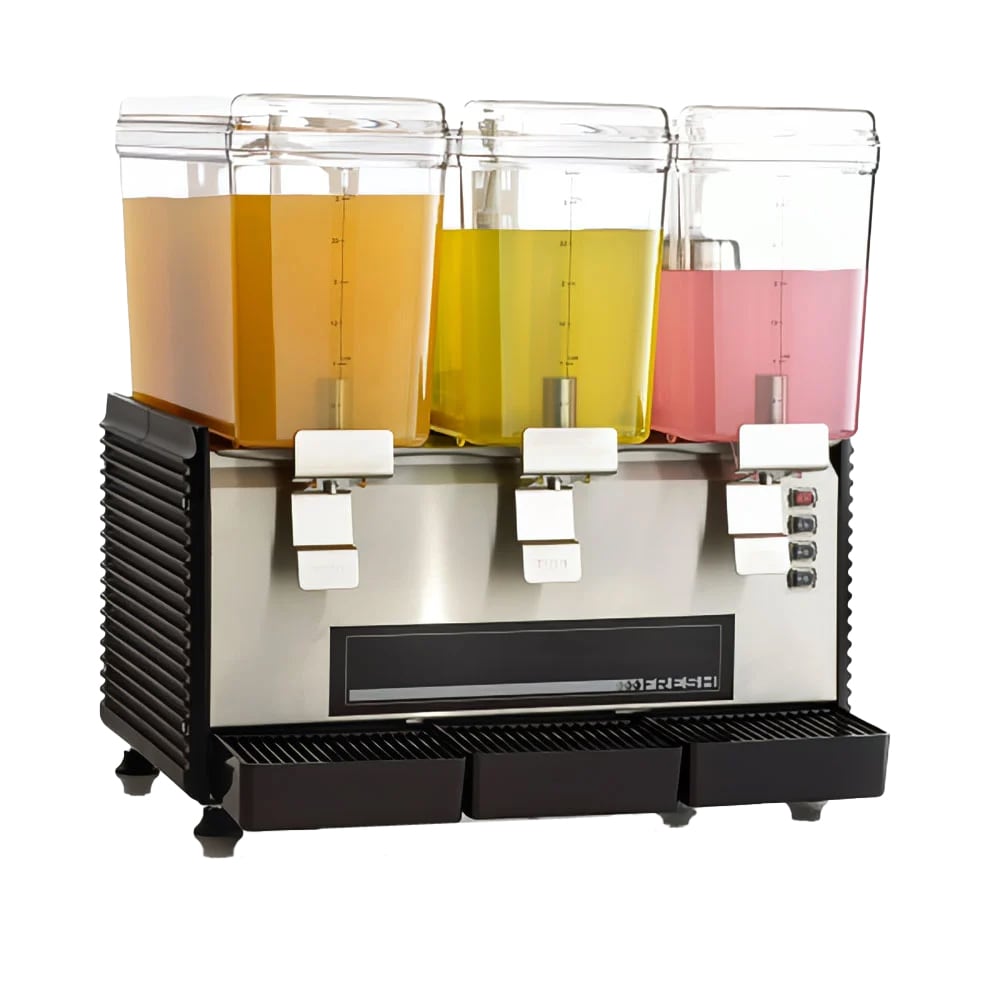
MoTak Three-Bowl Refrigerated Drink Dispenser
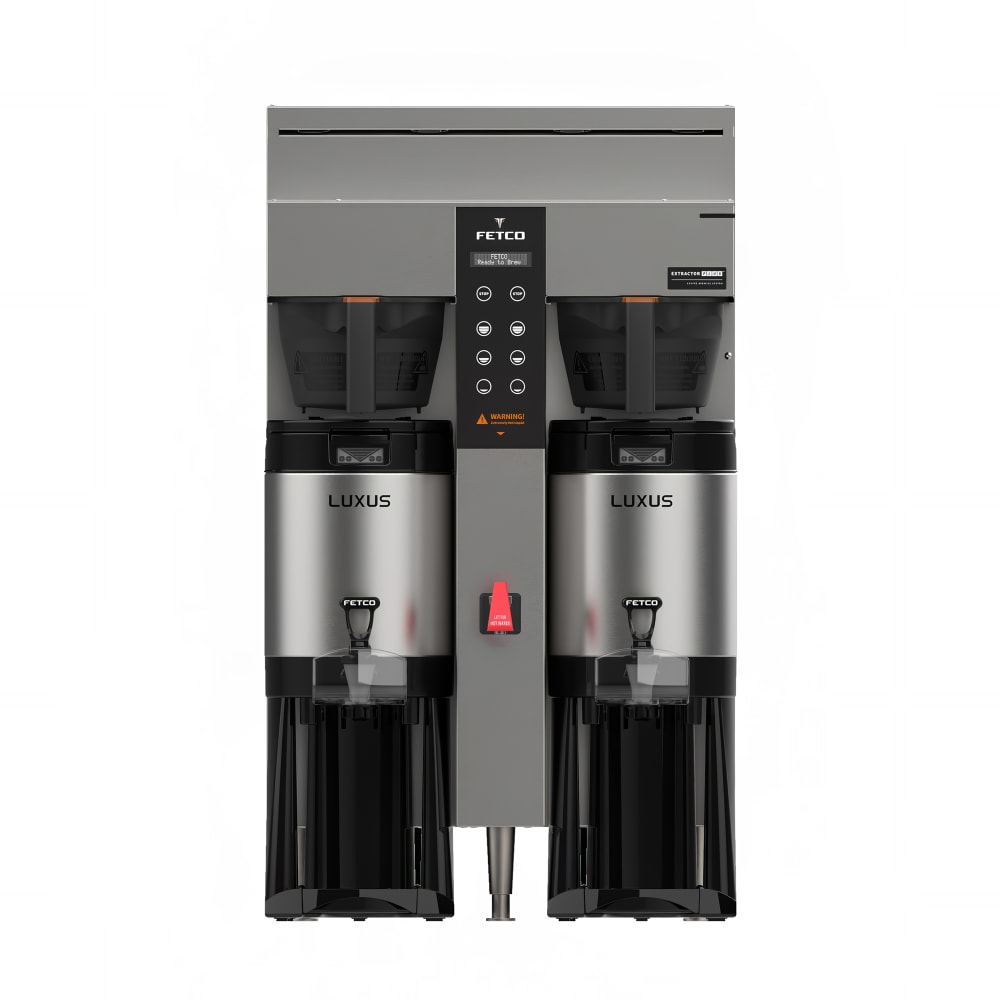
Fetco High-Volume Thermal Coffee Brewer
4. Prep Equipment
Prepared food is the largest category in convenience store food sales, according to NACS.1 Convenience stores and markets selling fresh products need commercial prep tools for ingredient processing, assembly, and presentation. Tools that quickly and consistently handle prep tasks are best suited to convenience stores.
- Blenders and Food Processors: Commercial blenders quickly blend smoothies, sauces, and soups, while food processors perform high-volume chopping, grating, shredding, and dicing for pizza or sandwich toppings.
- Slicers: Meat and cheese slicers support operations serving deli sandwiches by producing consistent results and speeding up prep for gourmet creations.
- Kitchen Tools: Cutlery, utensils, measuring equipment, and other tools provide the essentials for preparing meals, snacks, and prepackaged food.

Vitamix The Quiet One Countertop Blender
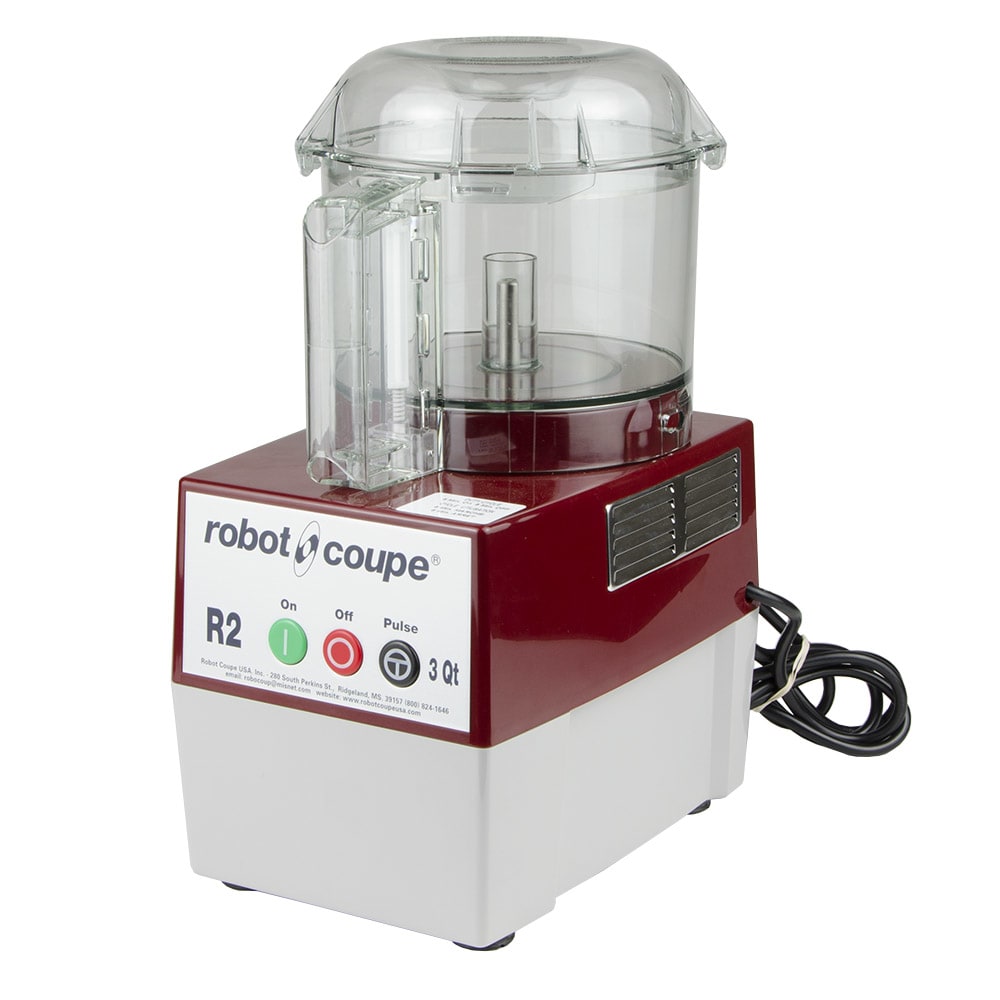
Robot Coupe 3.17-Quart Food Processor
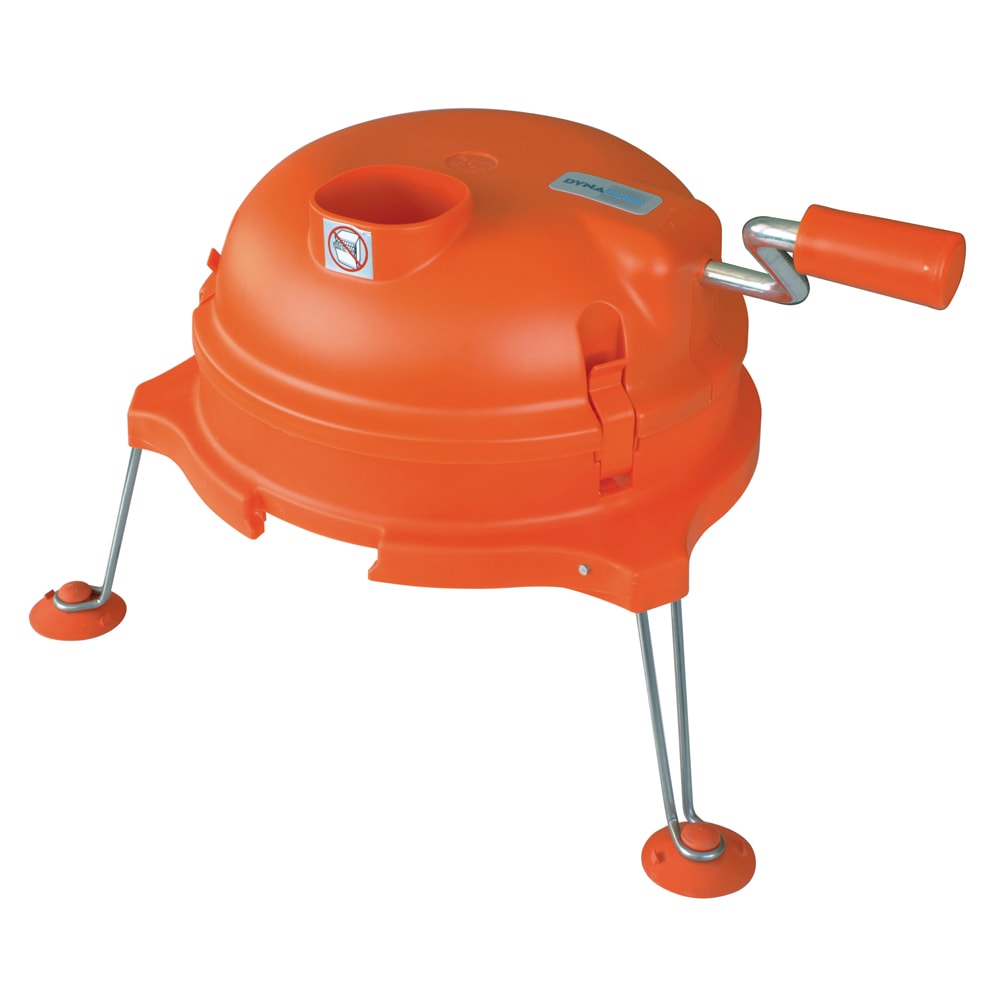
Dynamic DynaCube 1/4-Inch Vegetable Dicer
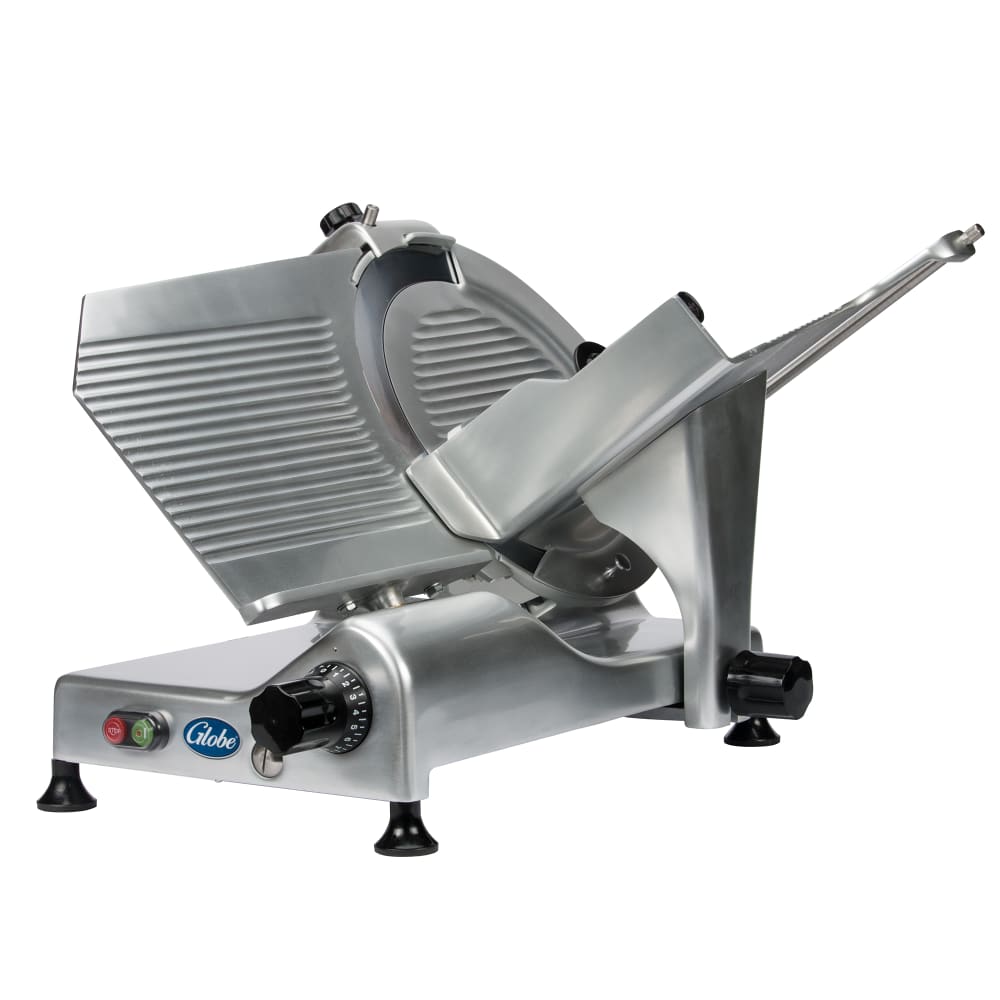
Globe 14-Inch Manual Meat and Cheese Slicer
5. Cooking and Warming Equipment
Whether reheating frozen items or making meals from scratch, look for cooking and warming equipment that offers speed, versatility, and programmable settings for repeatable results. Heated display units also help maintain food quality and improve presentation.
- Ovens: Microwaves, speed ovens, and conveyor ovens support rapid cooking; countertop ovens save space, while combi ovens provide multiple cooking modes.
- Griddles and Grills: Flat-top griddles and charbroilers are built for countertop use and range from 12 to 73 inches wide. These units can cook burgers, breakfast foods, sandwiches, and more.
- Steamers: Countertop steamers are built for quick and efficient heating. Portion steamers rapidly cook individual meals while retaining moisture.
- Countertop Fryers: These units accommodate one or two small baskets for heating fries, breaded items, fried desserts, and other small bites. Their compact footprints make them practical additions to convenience store cooklines.
- Food Holding Equipment: Holding and warming equipment helps operators merchandise hot foods for extended periods. It can help keep items like pizza, pretzels, chicken wings, and chips warm while preserving texture.
- Countertop Warmers: These units provide ready access for serving sides, soups, and hot items for immediate service. They feature small footprints and adjustable temperature settings.
- Other Countertop Equipment: Panini presses, hot dog steamers, roller grills, toasters, and waffle makers are among the specialty countertop cooking options available to convenience stores.
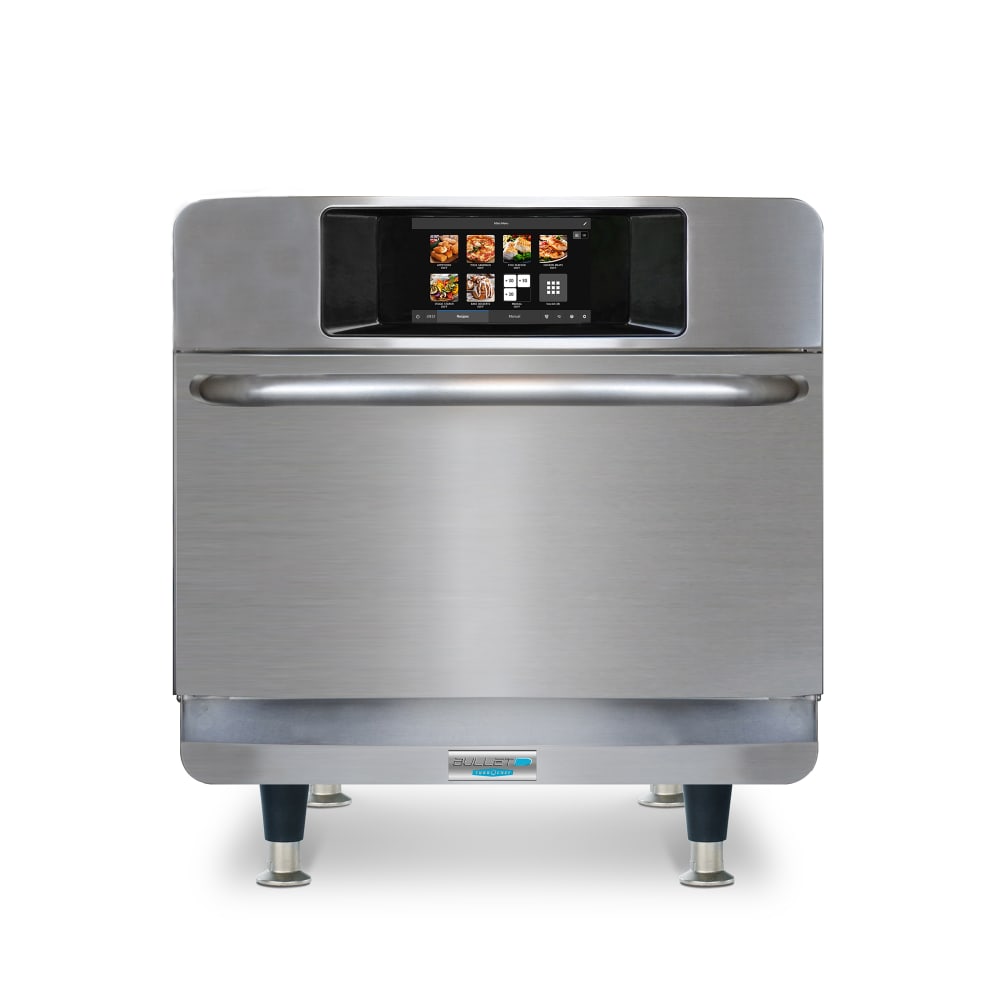
TurboChef Bullet High-Speed Countertop Oven
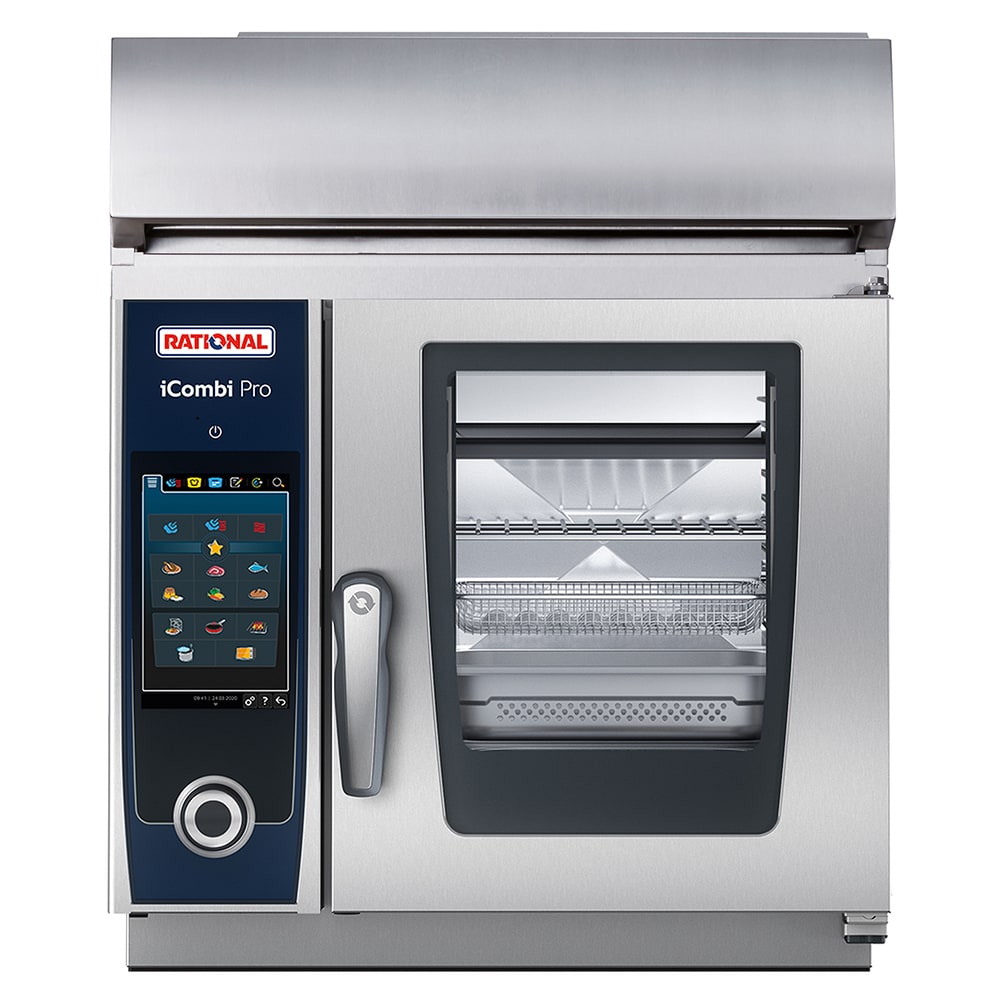
Rational iCombi Pro XS Countertop Combi Oven
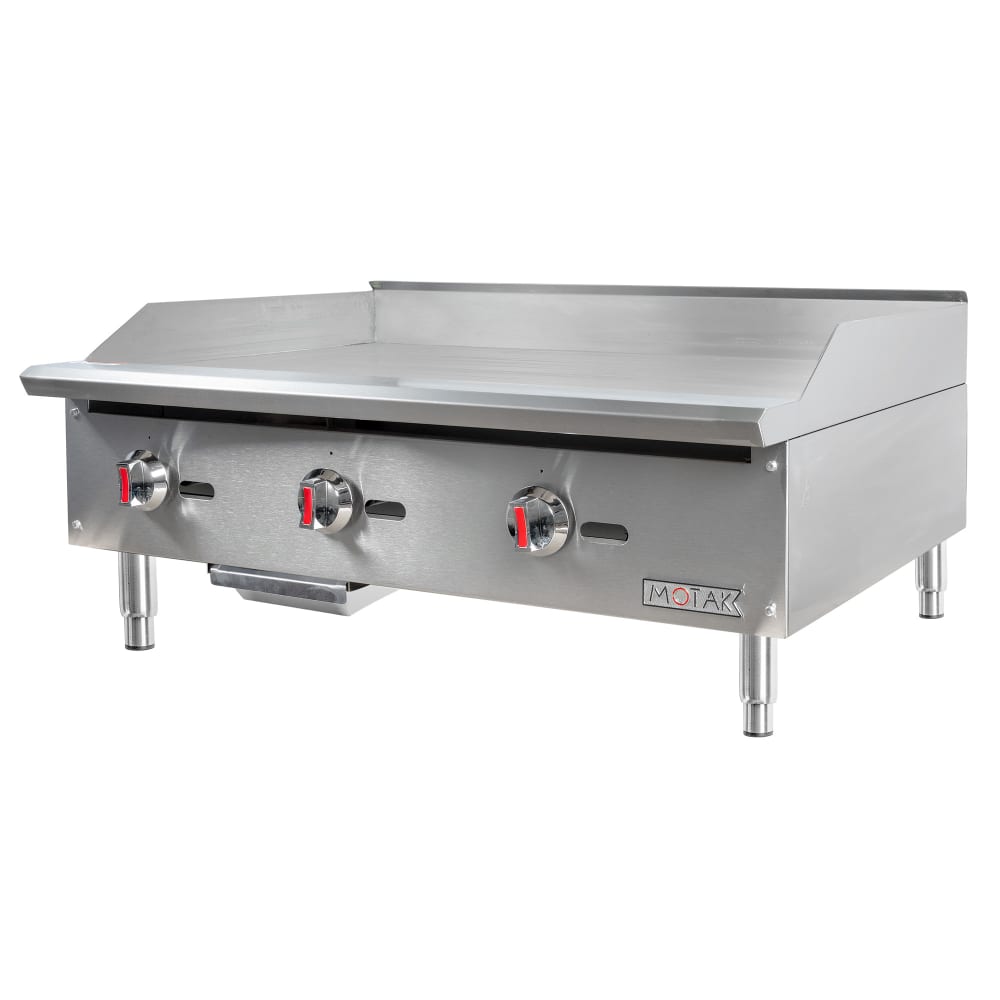
MoTak 36-Inch Gas Griddle

Nemco Full-Size Countertop Food Warmer
6. Dispensers and Disposables
Dispensers give patrons easy access to condiments and disposables. Select options that fit your counter space and keep up with demand while ensuring sanitary operation. Disposables equip customers to take food and drinks to go.
- Condiment Pumps: Mustard, mayo, and ketchup pumps provide easy access to condiments, enabling customers to customize their food. Some pumps come with ice storage spaces for keeping condiments chilled.
- Lid and Cup Dispensers: Self-service beverage stations require accessible drinkware dispensers to support organization, sanitation, and ease of use. Sauce cup dispensers should be positioned near condiment stations.
- Napkin Dispensers: Keeping clean napkins readily available is an important part of foodservice. Commercial napkin dispensers typically hold up to 500 napkins and range from simple trays to spring-loaded models with easy-grab openings.
- Disposable Cups: Use plastic disposable cups with anti-spill lids and plastic straws for cold drinks, while thick paper cups are suited for hot drinks. Disposable cups come in various capacities for offering multiple drink sizes.
- Disposable Food Containers: Use food containers for packaging leftovers or takeout meals. Watertight cups or deli containers can hold wet products, while paper food trays let customers carry multiple items in one hand.
- To-Go Bags: To-go bags are made of plastic or paper and come in various sizes for holding single products or several stacked food containers.
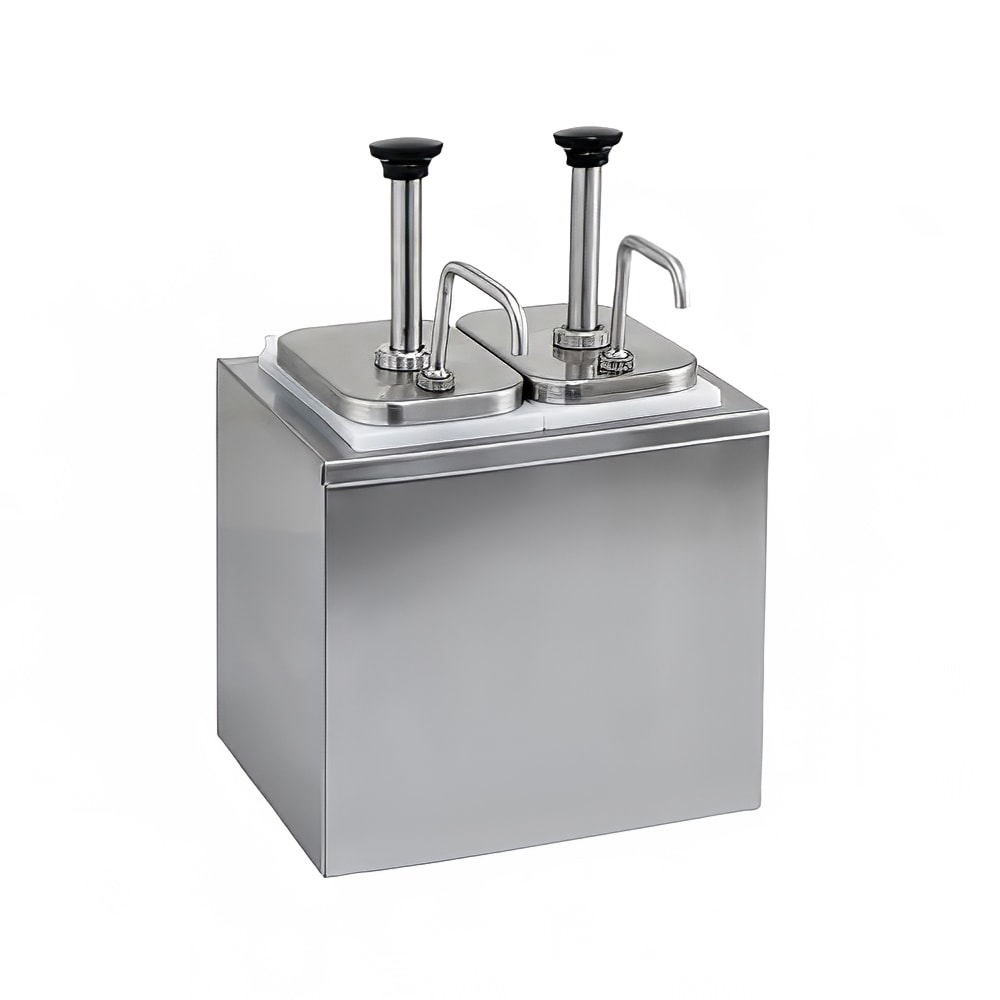
Winco Two-Pump Condiment Dispenser

Dispense-Rite In-Counter Adjustable Cup Dispenser
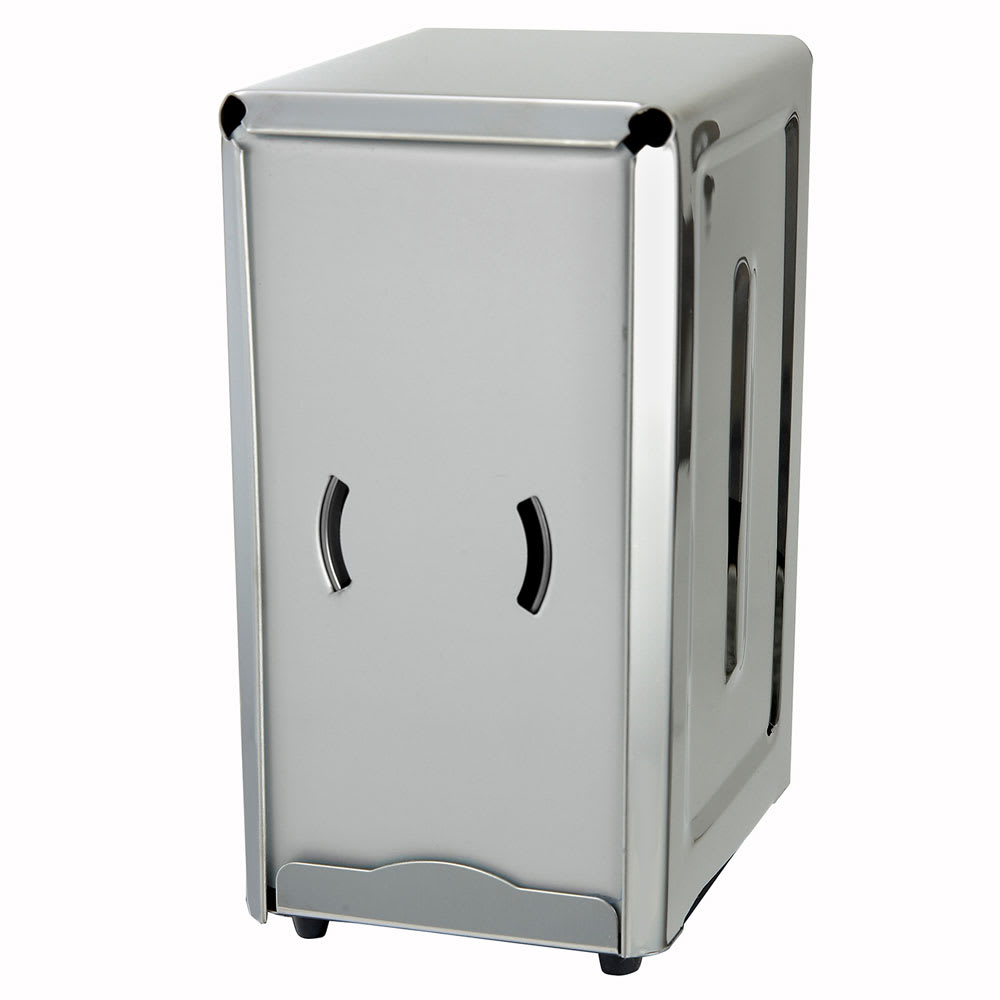
Winco Full-Size Napkin Dispenser
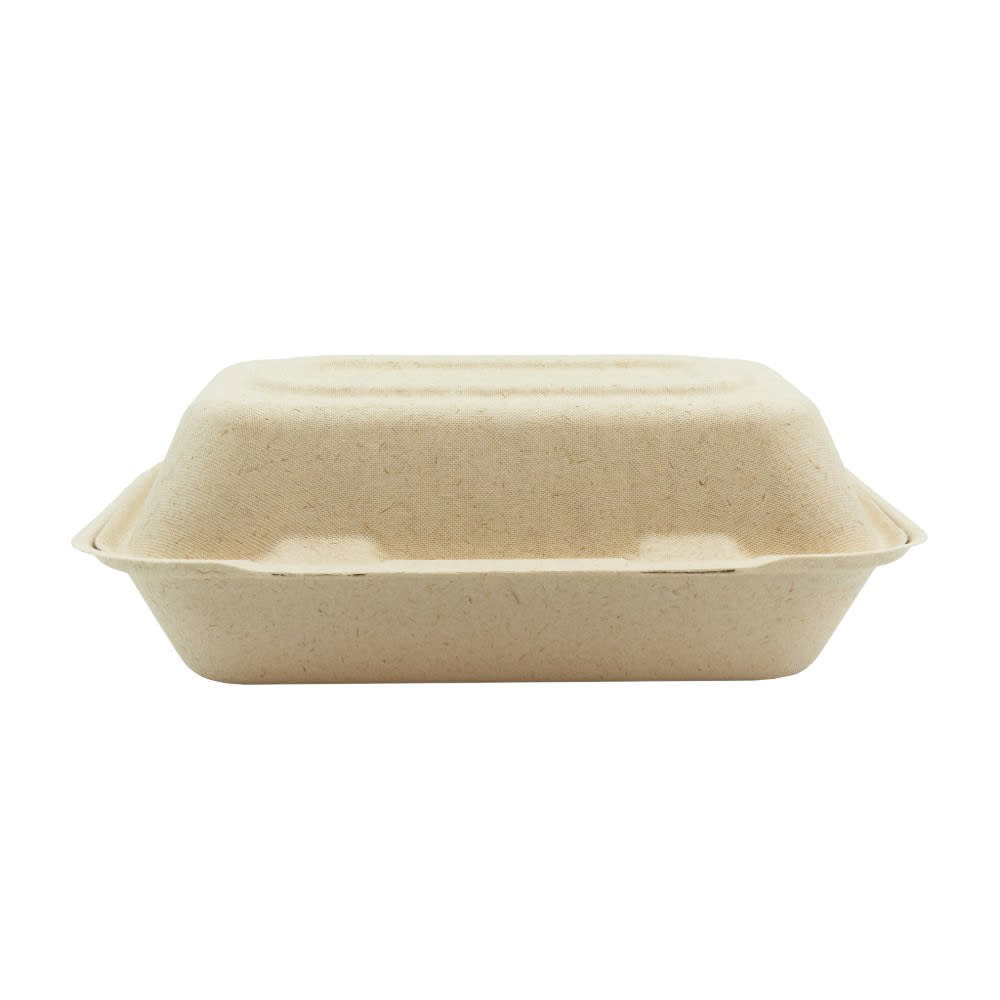
Genera 9-by-6-Inch Molded Fiber To-Go Container
7. Merchandising and Storage
An organized merchandising system can increase sales and help shoppers find products quickly. Effective shelving highlights products, supports heavy loads, and gives employees efficient backroom storage for restocking.
- Product Shelving and Merchandising: Essential shelving products include gondola shelving, wall shelving, merchandising displays, and endcaps. Many shelving systems feature adjustable components to maximize product fit and visibility.
- Commercial Carts: Utility carts provide all-purpose transport for restocking products and supplies; trash carts can carry heavy loads for efficient dumpster runs.
- Commercial Shelving: Choose from wire or polymer shelving to outfit walk-ins and back rooms with efficient, heavy-duty storage systems.
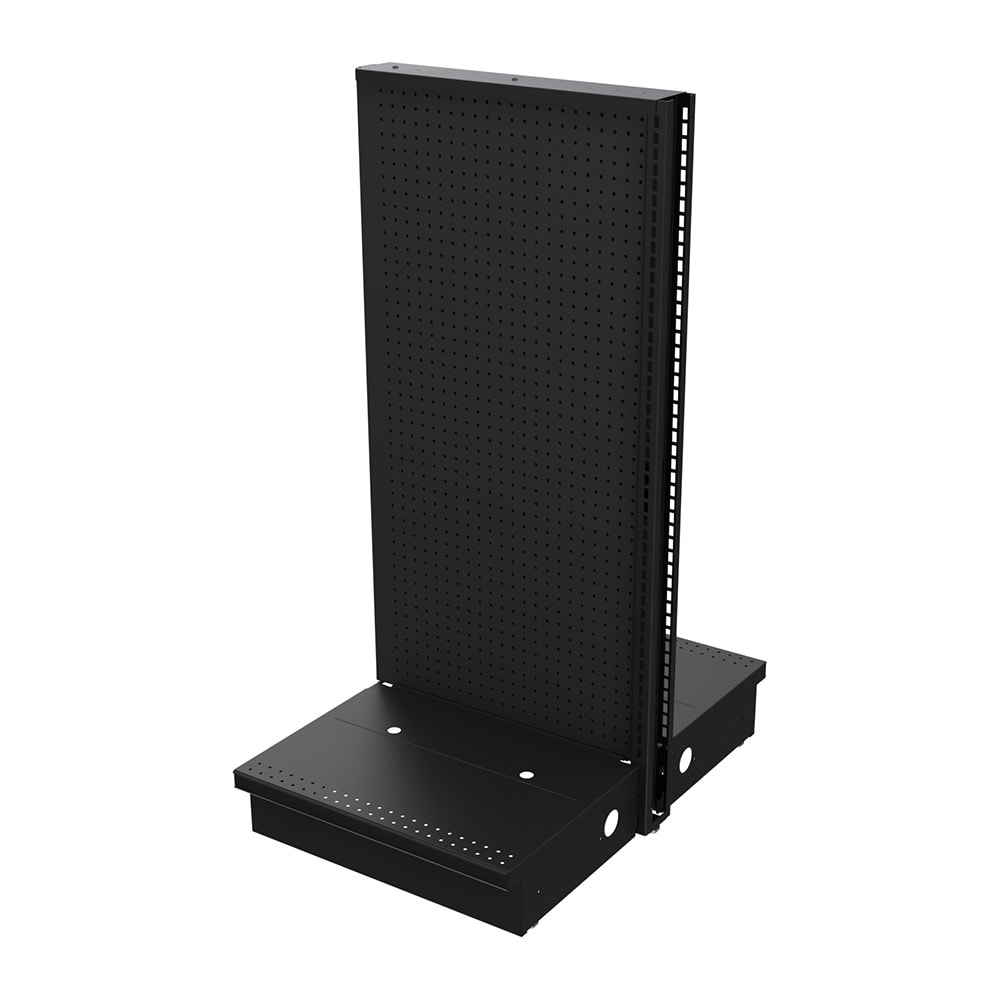
Imageworks 54-Inch Dual-Sided Gondola Merchandiser
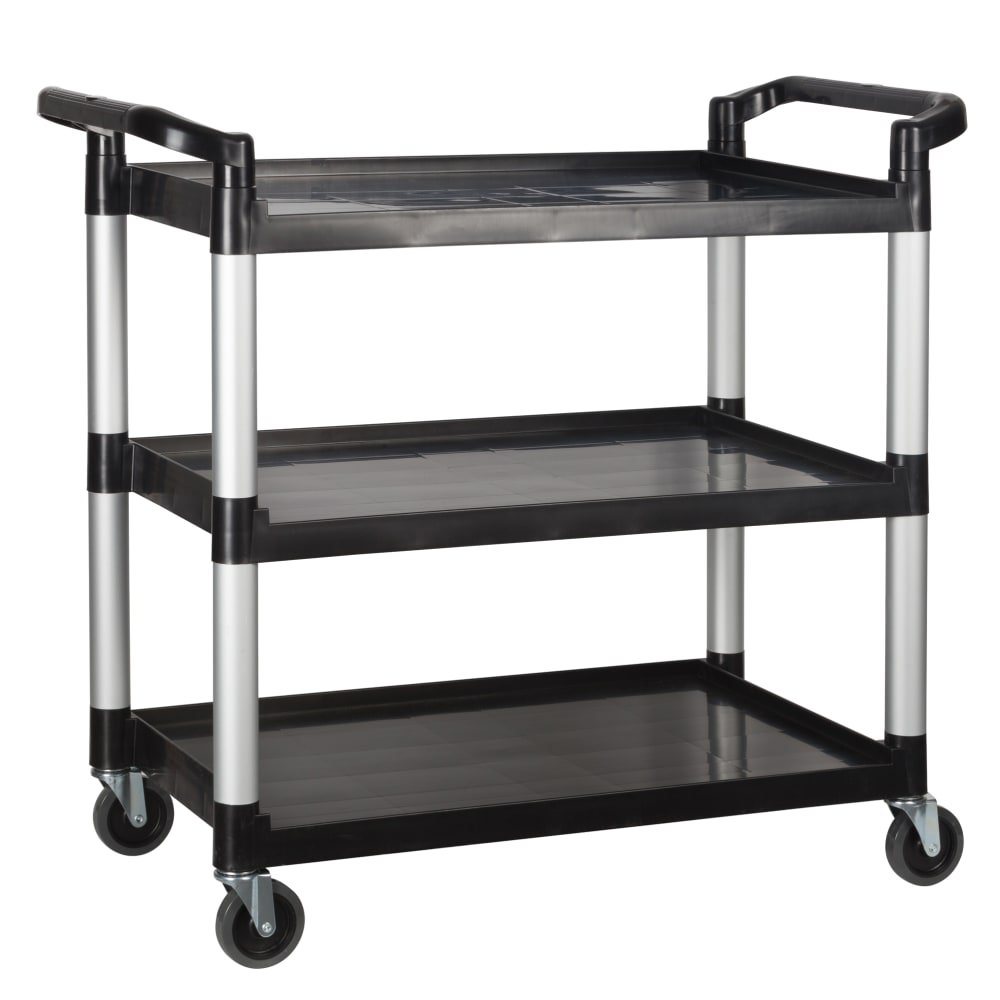
Winco Three-Level Utility Cart
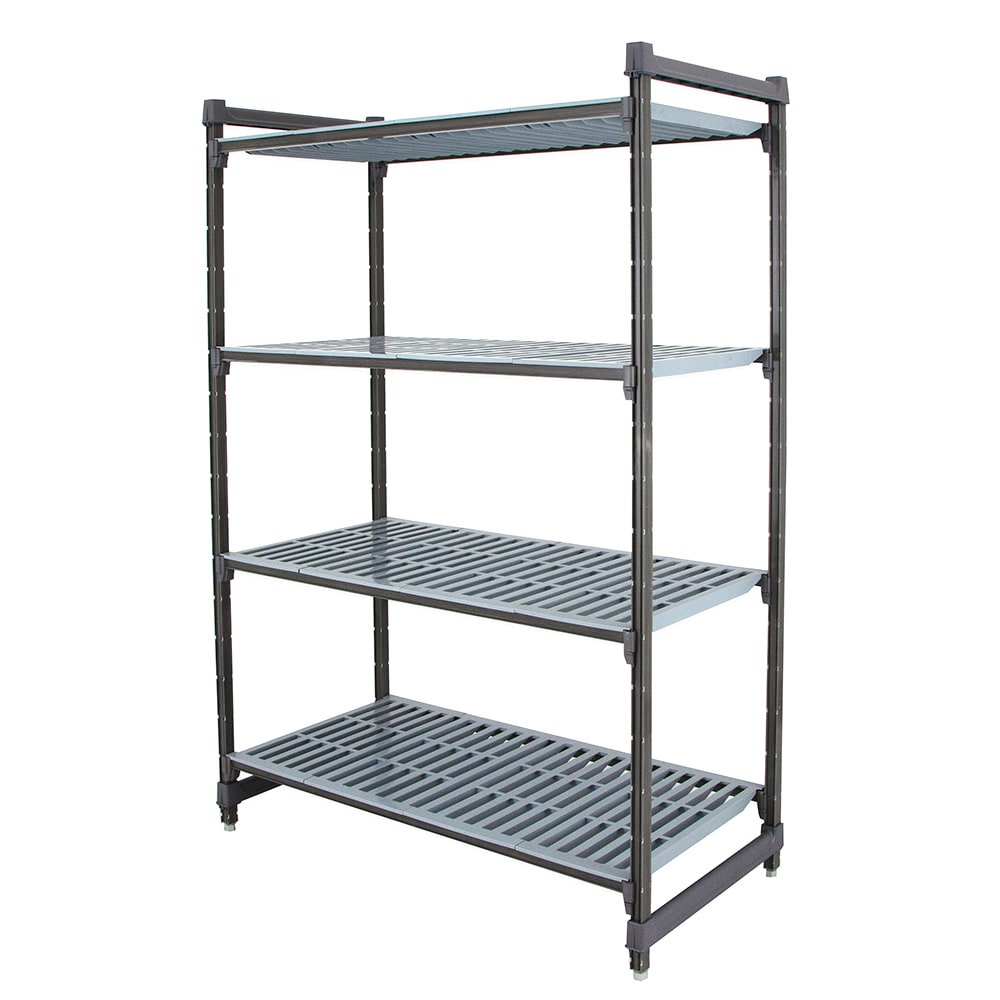
Cambro 60-Inch Four-Tier Polymer Shelving Unit
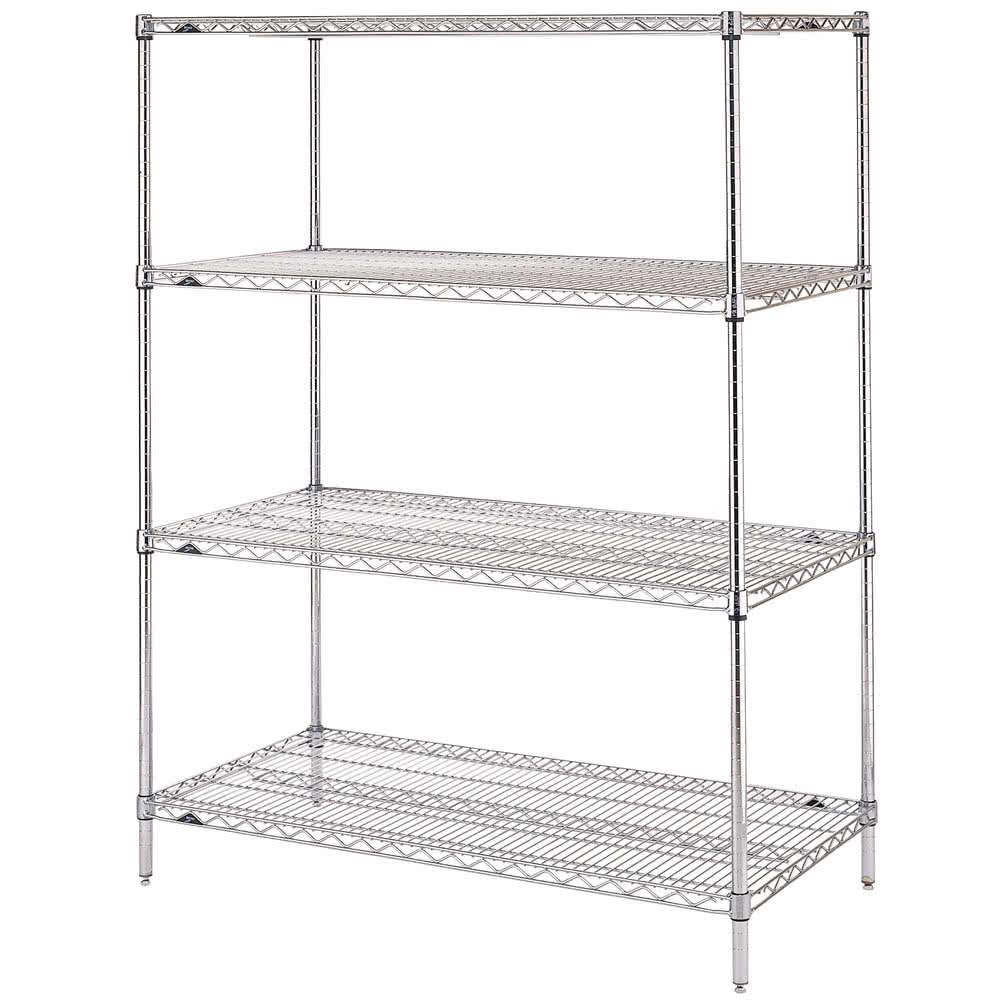
Metro 48-Inch Four-Tier Wire Shelving Unit
8. Bathroom Supplies
Maintaining clean, functional restrooms is essential for roadside convenience stores. In addition to supporting health-code compliance, clean restrooms can improve the customer experience and encourage repeat visits.
- Bathroom Appliances: Find reliable commercial toilets, hand sinks, and hand dryers for steady use. Choose from manual or touchless activation.
- Bathroom Dispensers: Ensure soap, paper towel, seat cover, and toilet paper dispensers are fully stocked, and keep refills on hand.
- Bathroom Fixtures: Bathroom accessibility is key for serving all customers. Make sure restrooms are equipped with items like grab bars, baby changing stations, and sanitary napkin disposals.
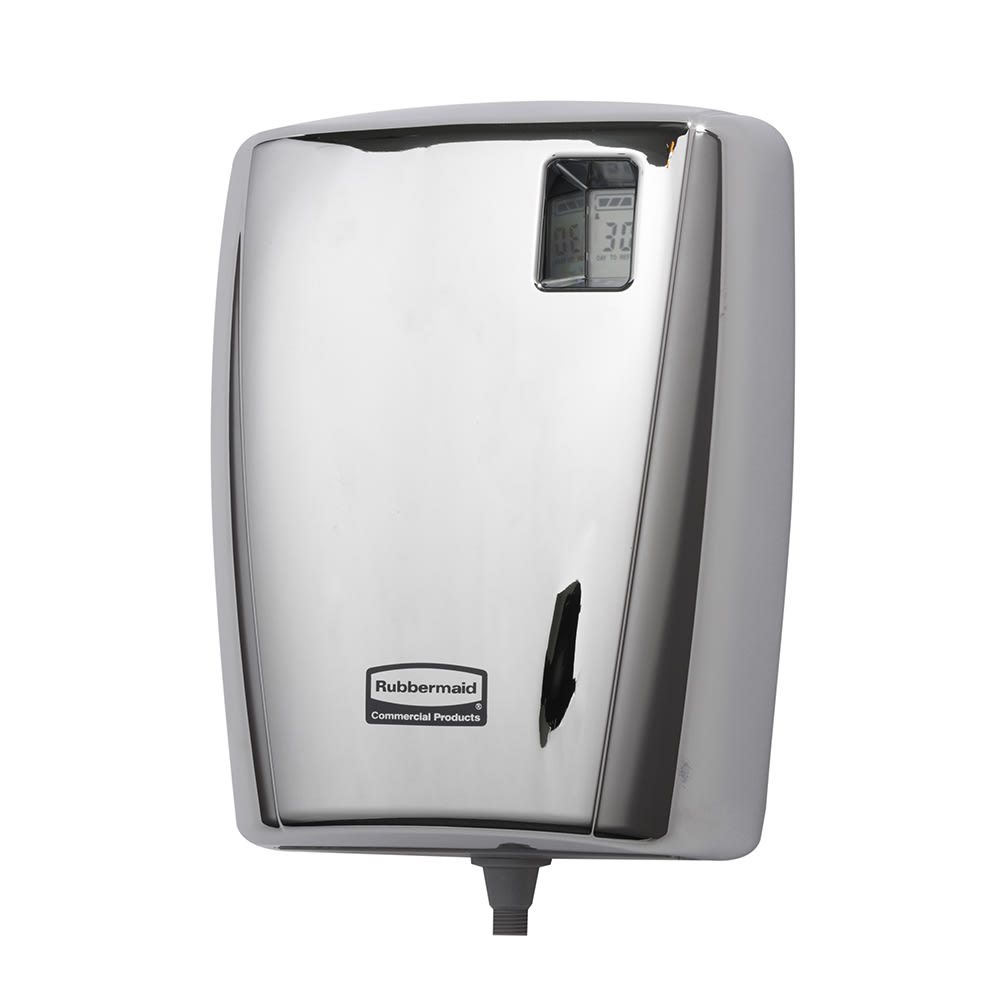
Rubbermaid AutoClean Dispenser Kit
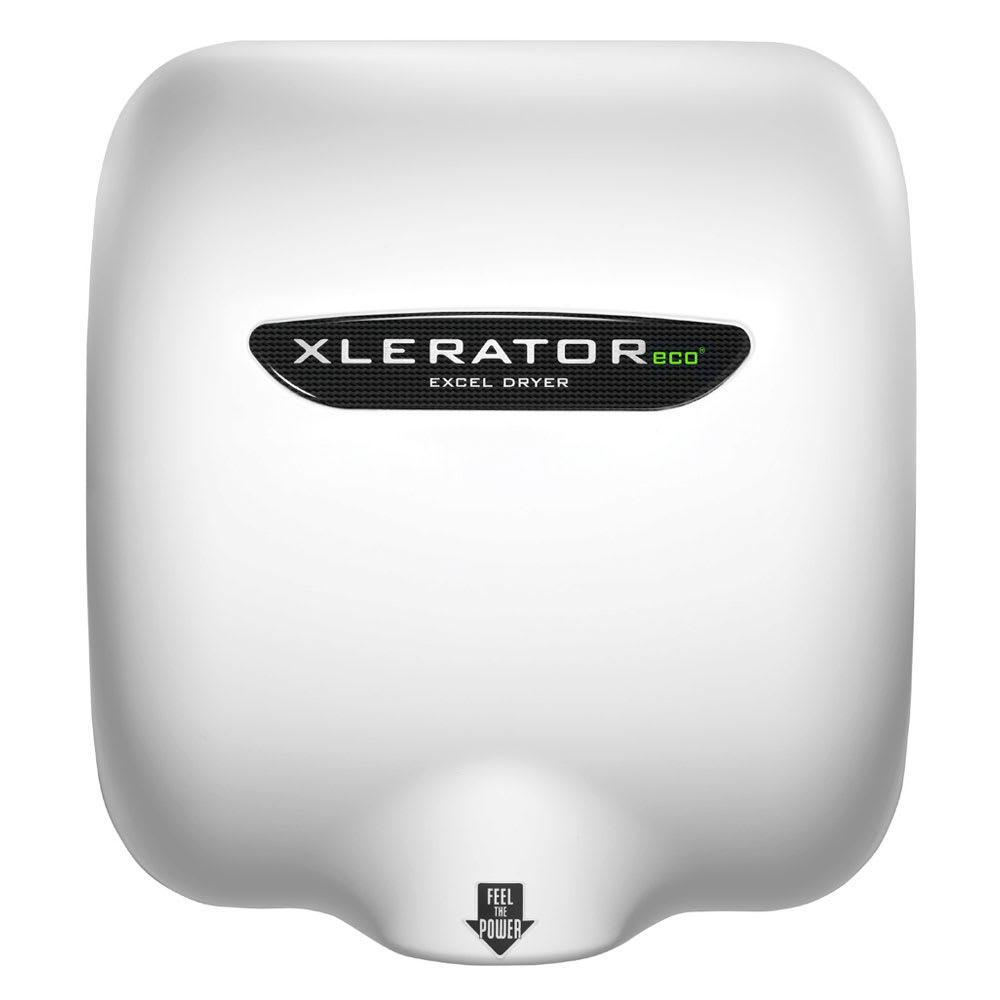
Excel Dryer XleratorEco 10-Second Hand Dryer
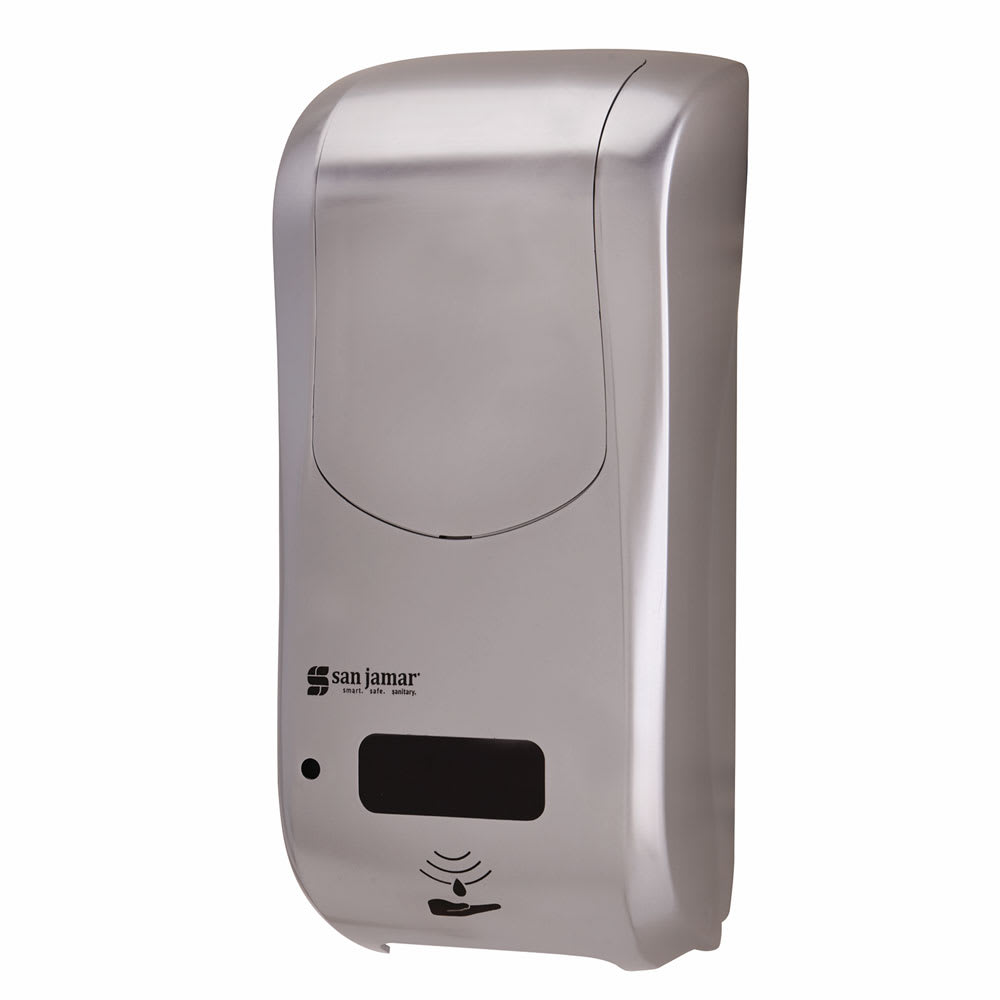
San Jamar Touch-Free Soap Dispenser
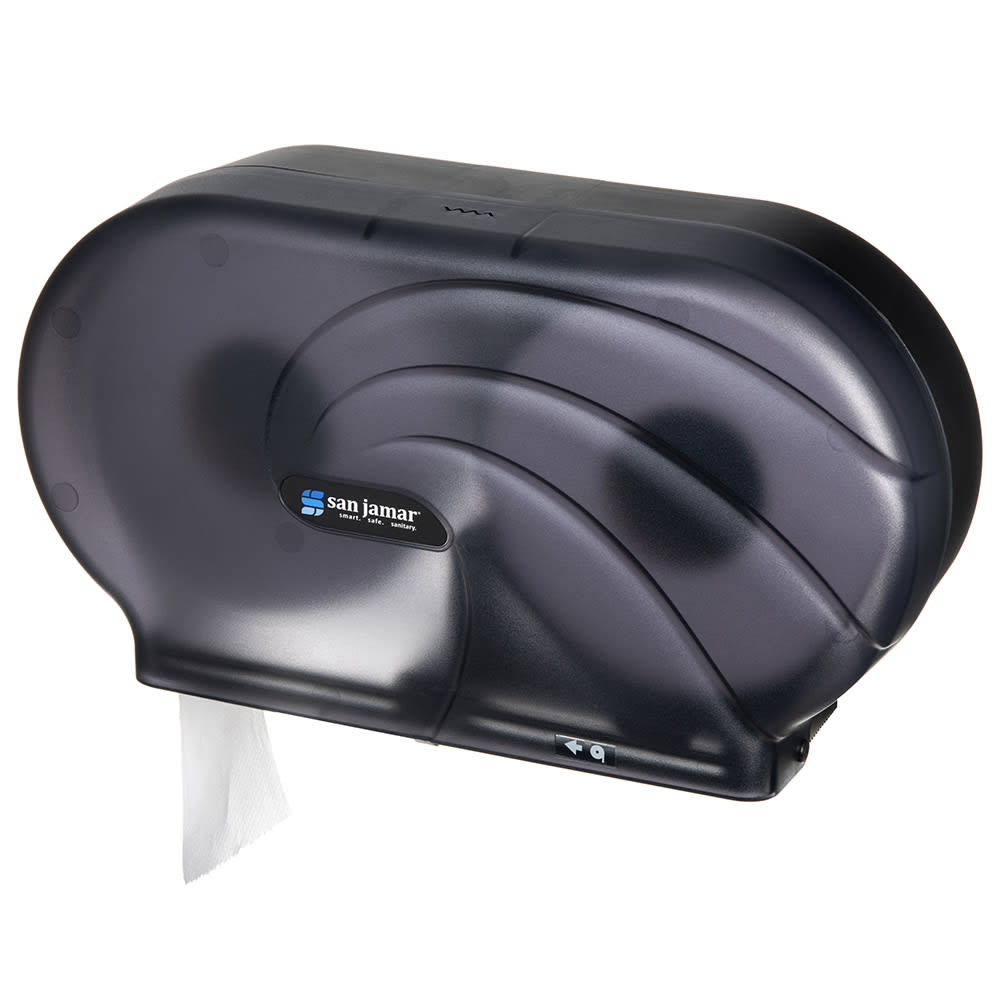
San Jamar Twin Jumbo Toilet Tissue Dispenser
9. Janitorial and Cleaning Supplies
Many convenience stores experience constant customer traffic and require regular cleaning. Industrial cleaning supplies help operators tackle grime, trash, stains, and spills left by customers.
- Dishwashing Supplies: Small commercial dishwashers or three-compartment sinks help operations follow sanitation guidelines by keeping prep tools, cookware, and dishes clean.
- Trash Containers: Durable trash cans should be positioned inside and outside the building and regularly monitored. Keep extra trash liners stocked.
- Cleaning Supplies: These include soaps, scrubbers, and other tools used for cleaning and sanitizing equipment, counters, tables, windows, and other surfaces. Key tools include disposable gloves, spray bottles, pails, and rags.
- Floor Maintenance: Find brooms, mops, buckets, squeegees, and other floor care equipment to keep floors clean. Commercial carpet cleaners and floor buffers can penetrate tougher stains and buildup.
- Safety Supplies: Safety signs and hand sanitizer dispensers help ensure customer safety. Employee gear such as masks, foodservice gloves, and face shields helps workers maintain a sanitary food prep environment.
- Storage and Transport: Keep cleaning equipment organized with janitorial carts and racks. It's also helpful to have at least one dedicated janitorial closet that's easy to access.
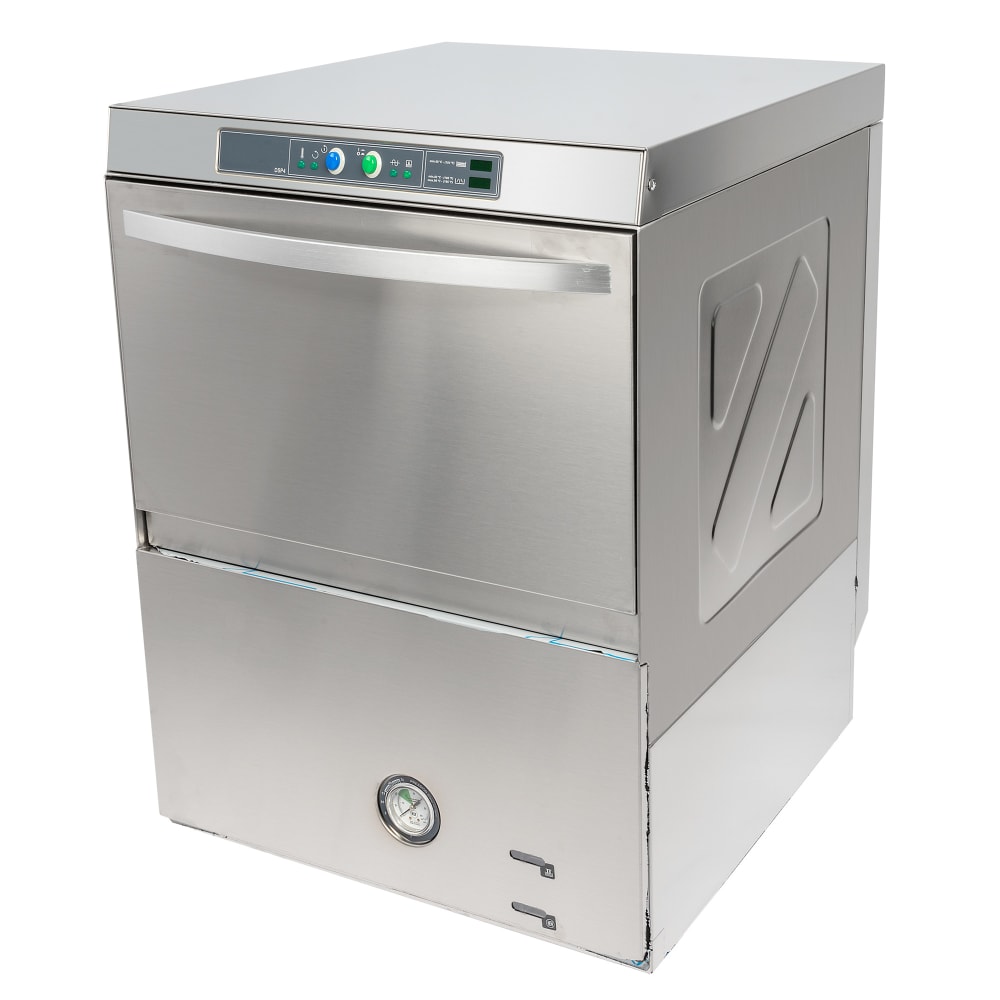
MoTak High-Temperature Undercounter Dishwasher
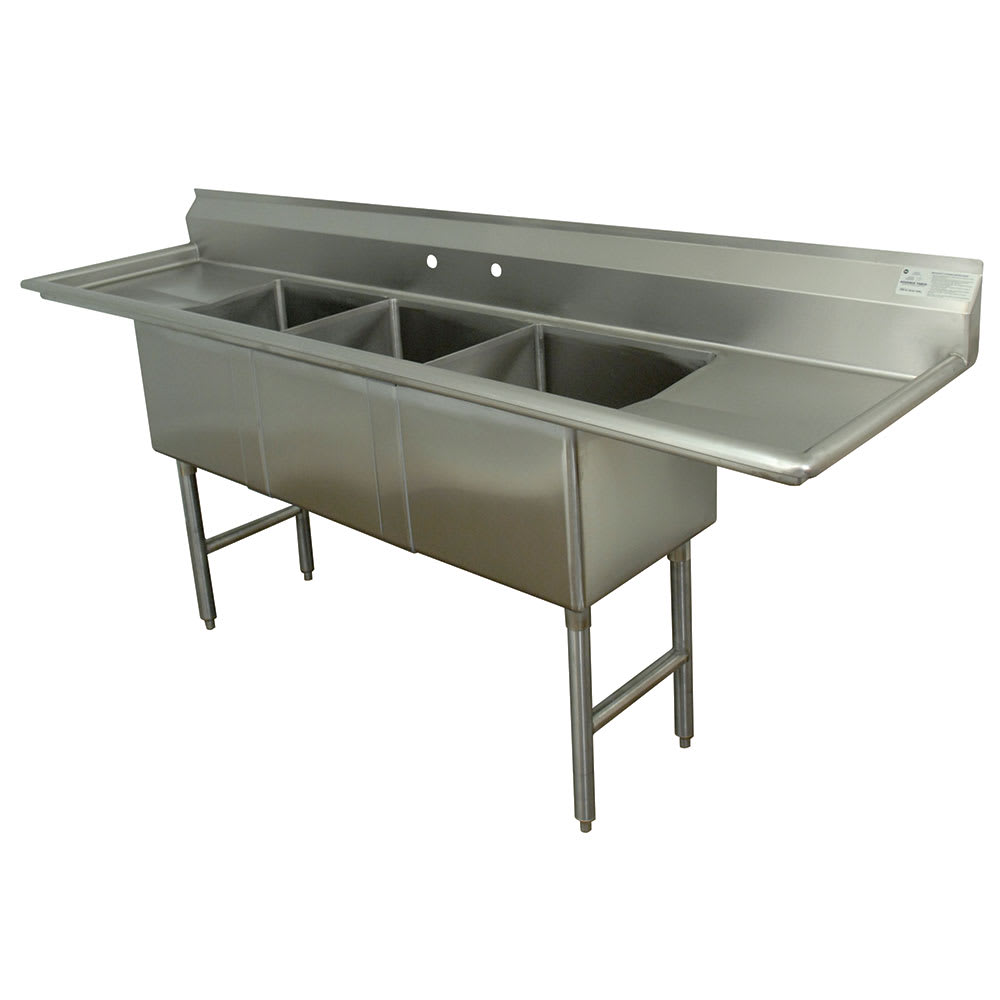
Advance Tabco 90-Inch Three-Compartment Sink
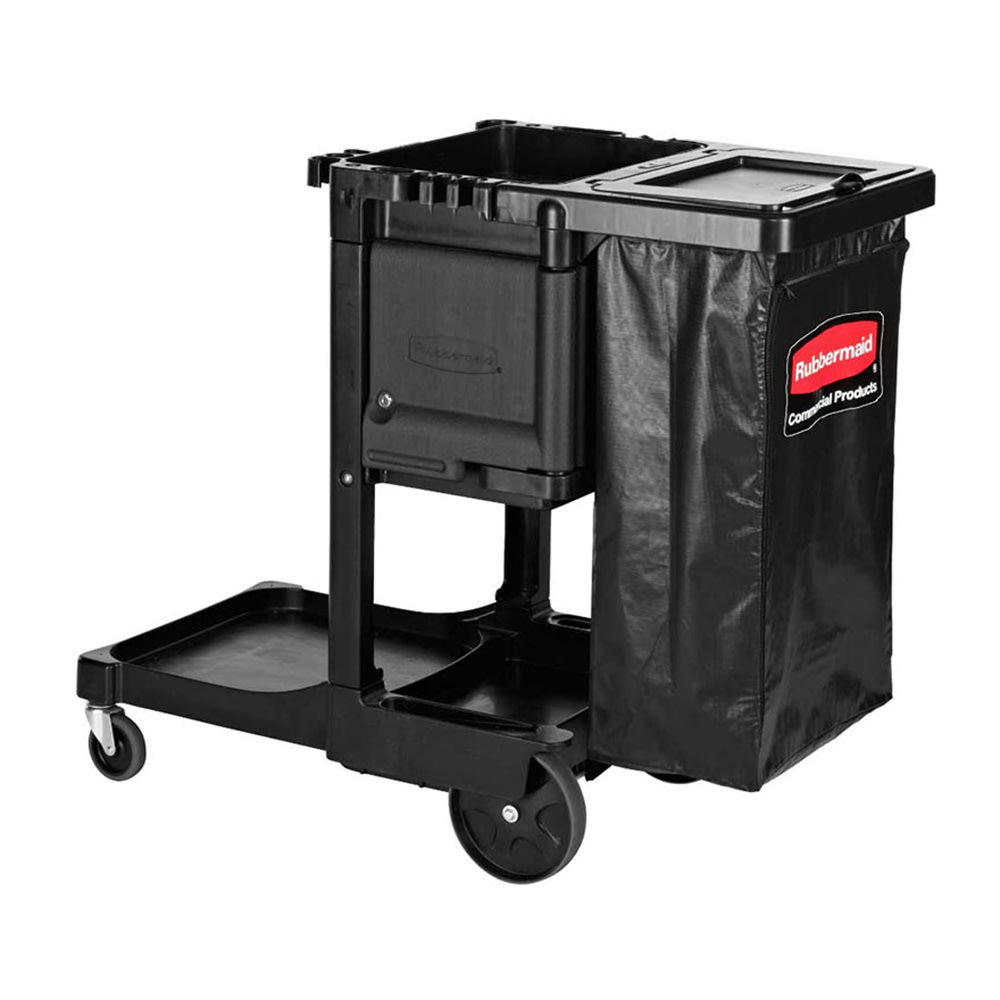
Rubbermaid Executive Janitorial Cart
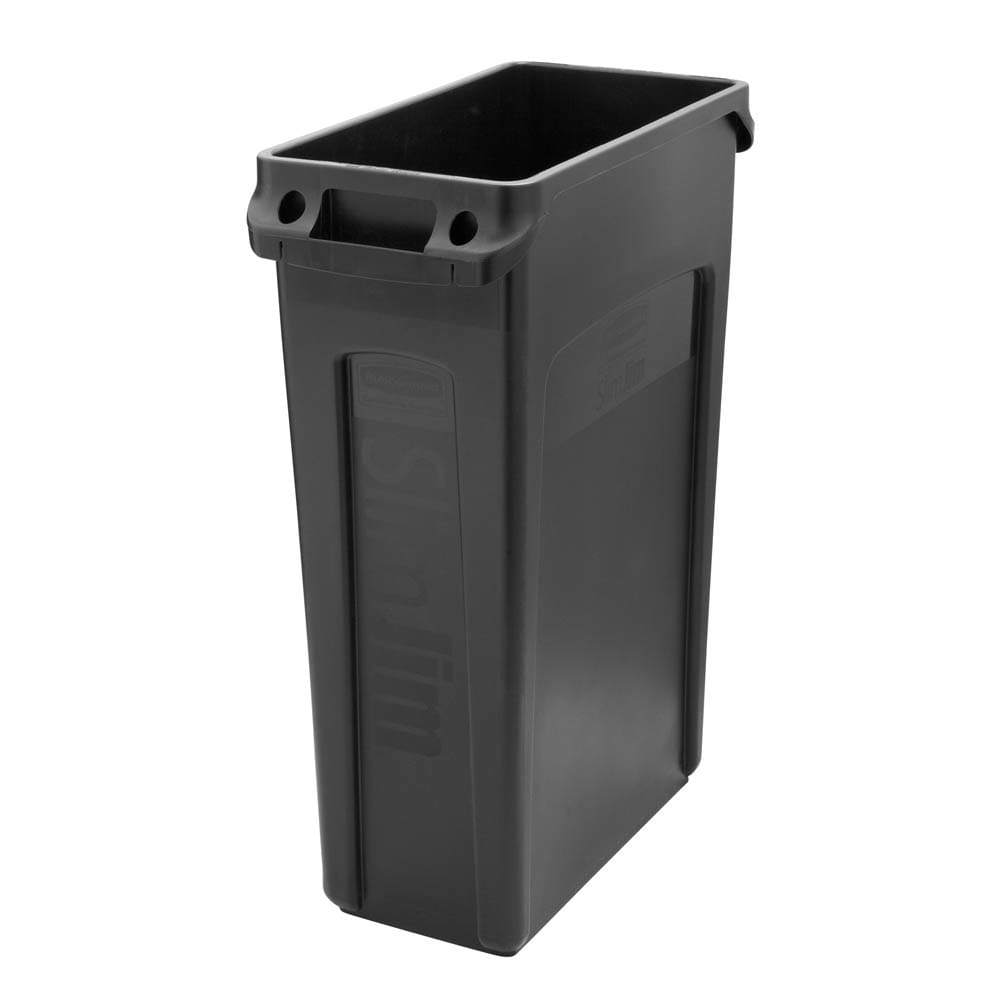
Rubbermaid 23-Gallon Slim Jim Trash Can
Shop for Convenience Store Equipment at KaTom
KaTom offers convenience store supplies and equipment all in one place. Learn more about how to open a convenience store or contact KaTom’s foodservice equipment specialists to find the supplies that best suit your operation.
References
- U.S. Convenience In-Store Sales Top $340 Billion. National Association of Convenience Stores. Accessed July 2026.
- QSRs Gaining Ground in Dispensed Beverages at C-Stores. C-Store Dive. Accessed July 2026.
