How to Choose the Best Commercial Oven for Your Business
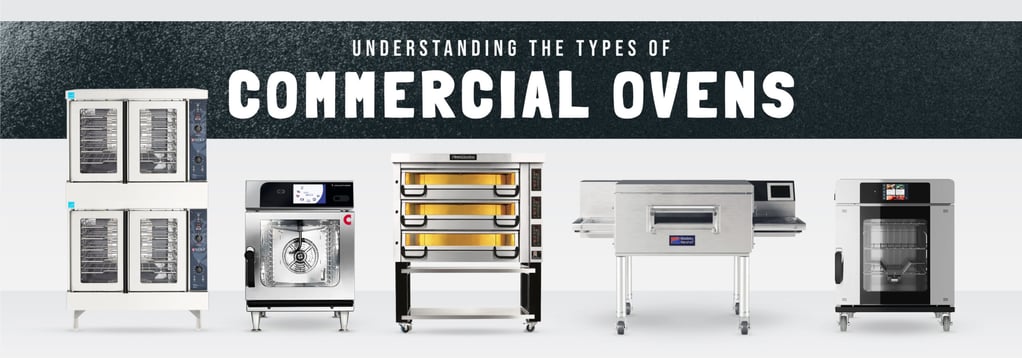
A commercial oven is an essential piece of equipment for most foodservice businesses, from small bakeries to large-scale commissaries. As with most types of equipment, selecting the right commercial oven for your operation begins with knowing what type of food you'll be cooking and your desired end product. There are several types of commercial ovens to choose from: traditional convection ovens, oven-range combinations, specialty countertop ovens, and more. This guide explains each type of commercial oven to help you choose the best one for your kitchen's needs.
12 Types of Commercial Ovens, Explained
1. Convection Ovens
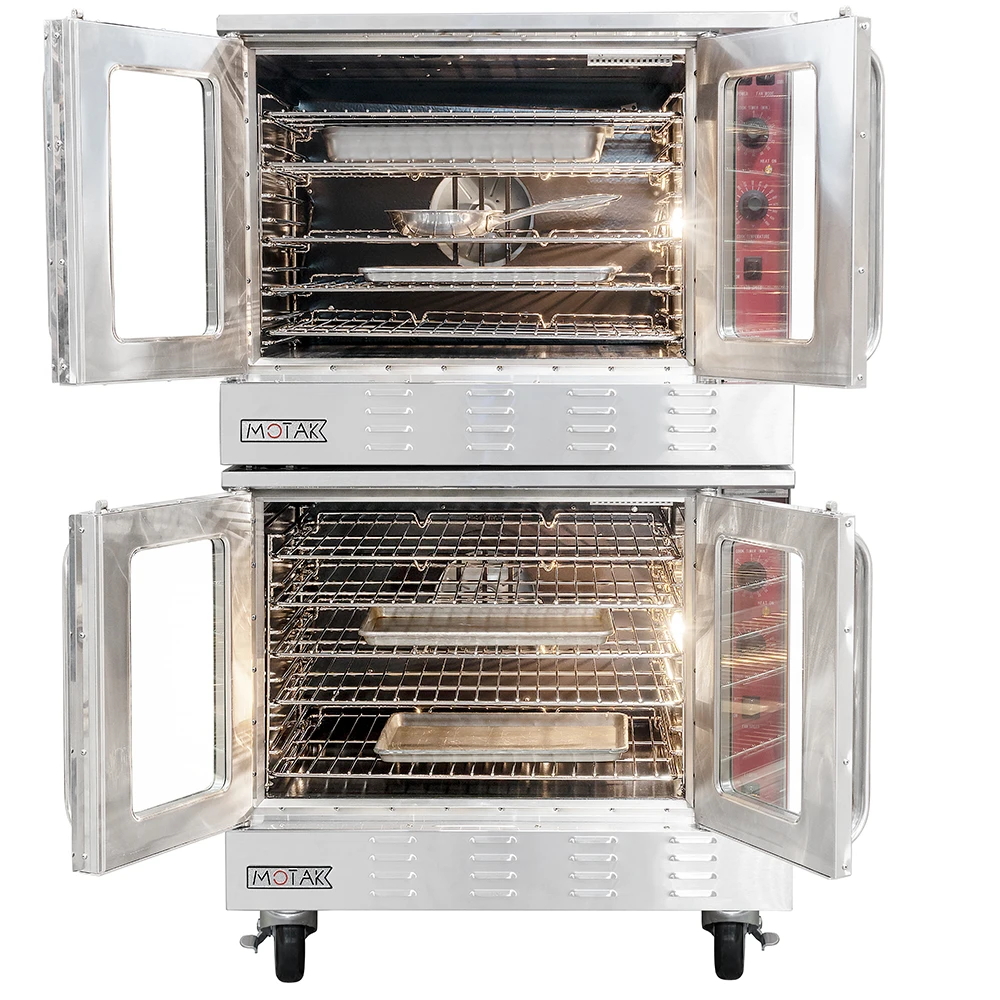
A mainstay in many traditional commercial kitchens, convection ovens have a fan that circulates air inside the oven chamber. This fan technology makes heat flow more evenly through the oven, resulting in faster cooking times and consistent results. Full-size and half-size floor models are available, as well as bakery-depth units to accommodate larger pans and countertop convection ovens for compact kitchens.
2. Conveyor Ovens
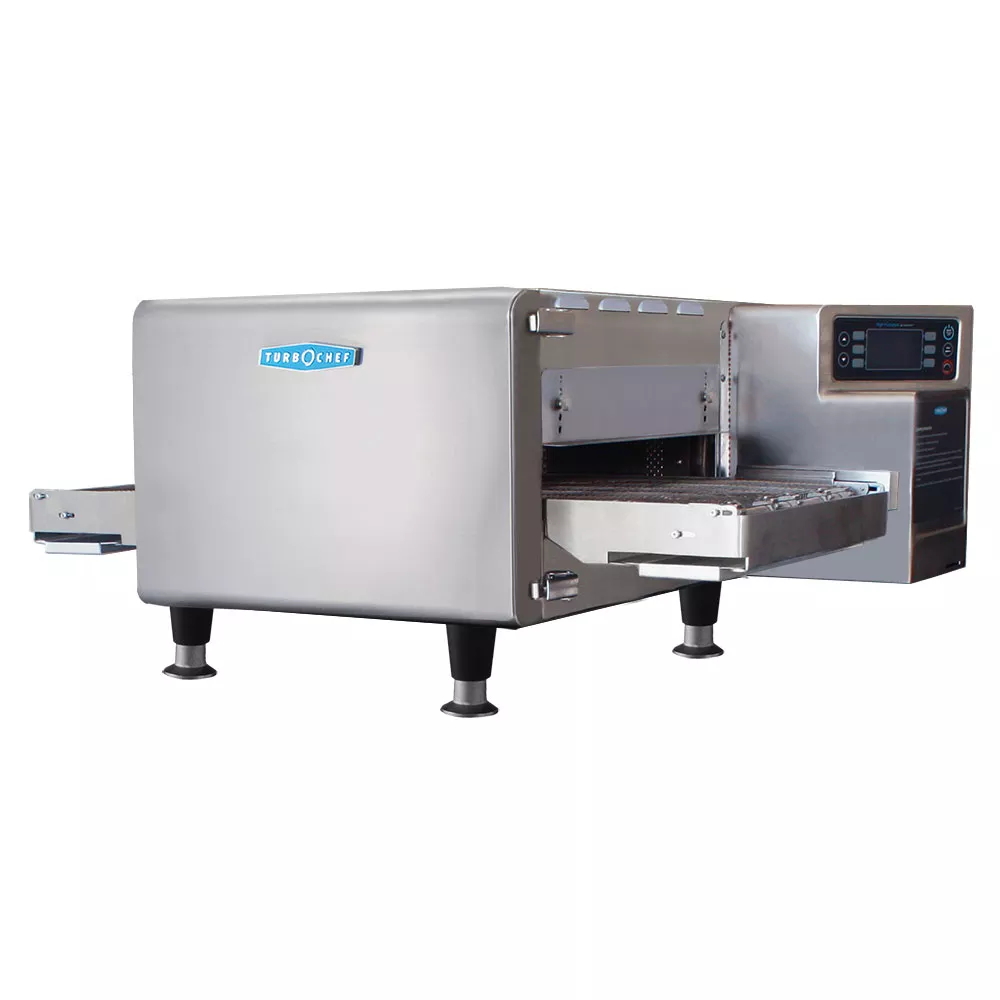
Conveyor ovens offer consistent, precise cooking. With adjustable belt speed and temperature controls, they ensure identical end products. Popular in pizzerias and high-volume operations, conveyor ovens enable operators to simply place the product at the opening of the oven and wait for finished food to come out the other end. This oven is available in either countertop or floor models. Ventless units feature technology that eliminates grease-laden vapors and, depending on local ordinances, expensive hood installation.
- Best for: Pizza chains, sandwich shops, high-volume restaurants
- Why choose? Automated, consistent cooking with high throughput
- Top brands: Lincoln, Middleby Marshall, Ovention
3. Impinger Ovens
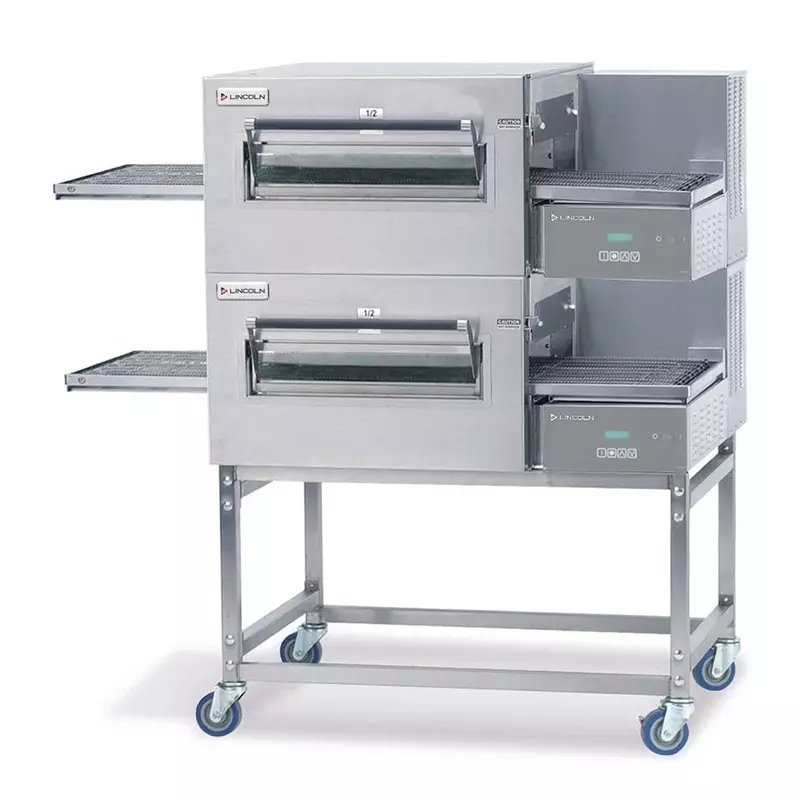
Impinger ovens use the same technology found in most conveyor ovens. Impingement cooking uses jets of hot, pressurized air in conjunction with radiant heat, significantly speeding up the cooking process. This technology makes impinger ovens an excellent choice for high-volume operations needing to quickly cook food, leading to shorter wait times and greater production during peak hours.
- Best for: Fast-casual restaurants, pizzerias, sandwich shops
- Why choose? Extremely fast cook times with crisp results
- Top brands: Lincoln, Middleby Marshall, TurboChef
- Top model: Lincoln 1600-FB1G
4. Deck Ovens
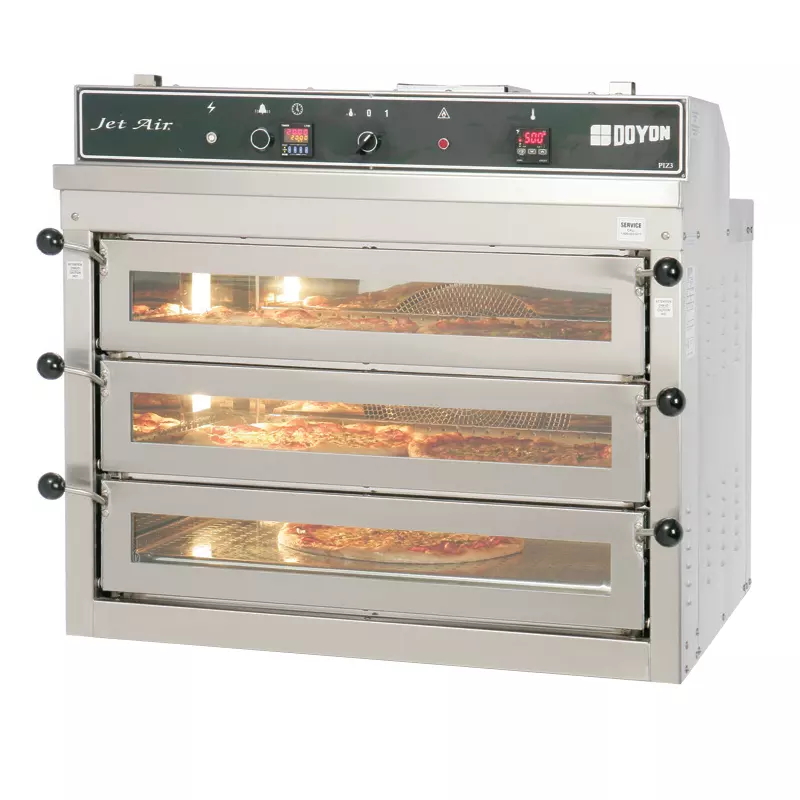
Often called pizza ovens, deck ovens are available in a wider array of designs than most commercial ovens, including aesthetically pleasing units meant for front-of-house use or visibility in open kitchen designs. Commercial deck ovens use a natural convection airflow and cook items directly on a "deck" made of ceramic, metal (such as stainless steel), or stone.
- Best for: Pizza, artisan breads, baked goods
- Why choose? Authentic baking results and multiple decks for higher output
- Top brands: Blodgett, Bakers Pride, Doyon
- Top model: Bakers Pride Y-600
5. High-Speed Ovens
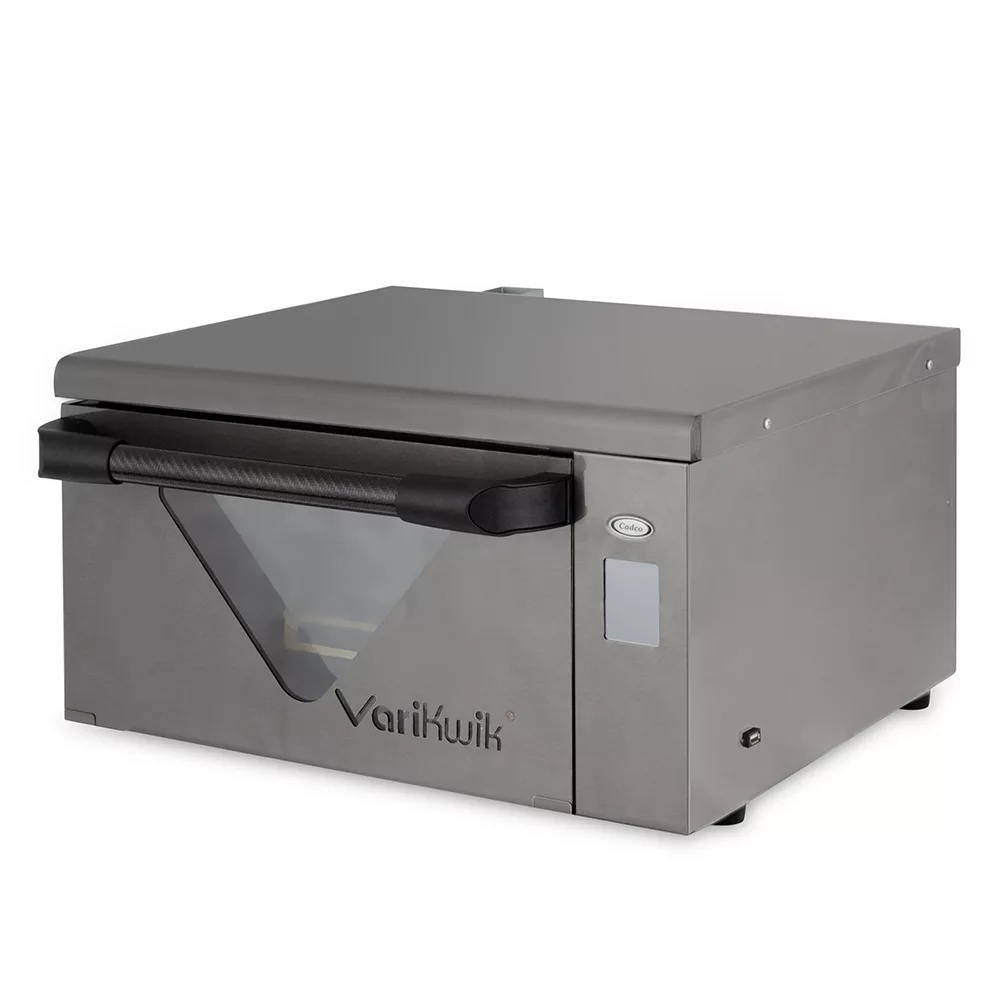
As their name suggests, high-speed ovens rapidly cook food using one or more types of heat, such as convection, impingement, infrared, or microwave technology. These ovens are often used as supplementary appliances in larger operations or as the primary oven in cafes and operations producing snacks, appetizers, pastries, and other quick meals.
- Best for: Quick-service restaurants, cafes
- Why choose? Rapid cook times without compromising quality
- Top brands: TurboChef, Merrychef, Alto-Shaam
- Top model: Merrychef E4s eikon™
6. Cook and Hold Ovens
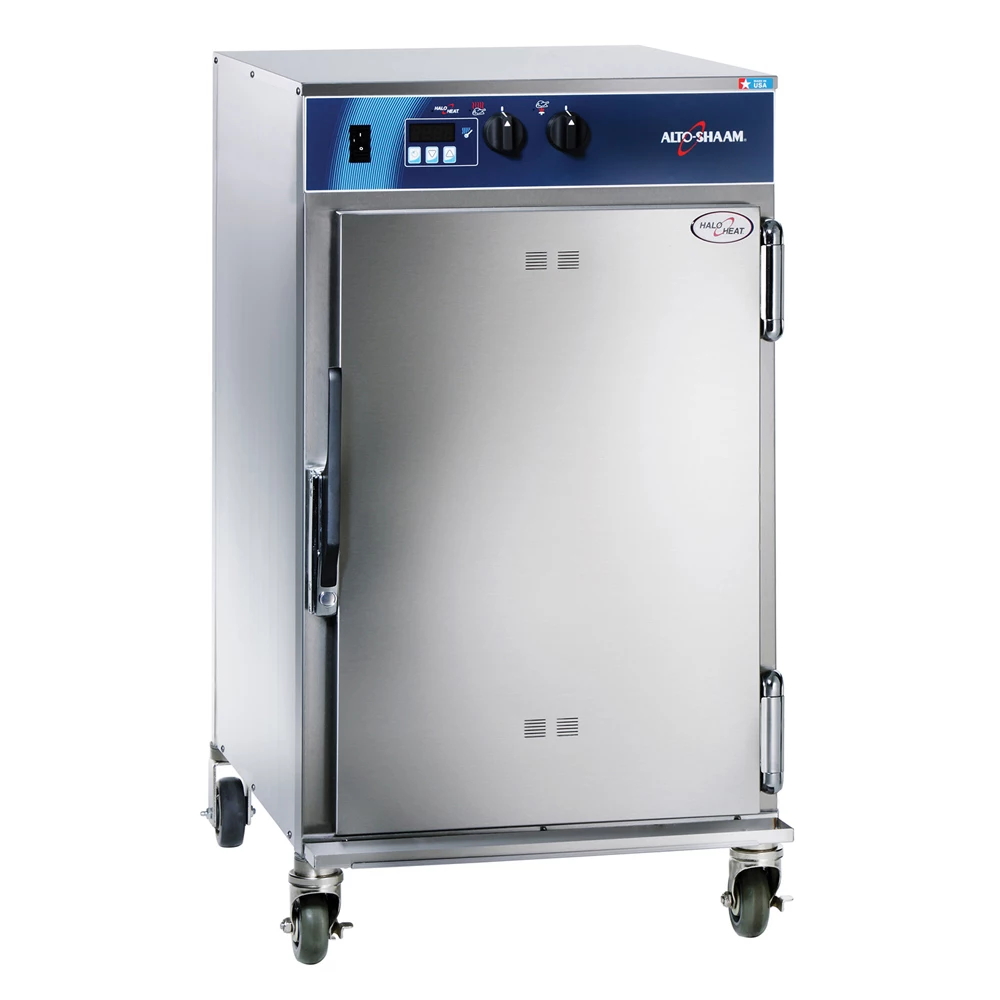
With cook-and-hold ovens, operators can cook food then keep it warm at safe temperatures without worrying about drying it out. These ovens can be manually or automatically switched—depending on the unit's design—to the holding function once the cooking stage is complete.
- Best for: Prime rib, slow-roasted meats, catering operations
- Why choose? Saves labor and maintains food quality
- Top brands: Alto-Shaam, Winston
- Top model: Alto-Shaam 1200-TH
7. Combi Ovens
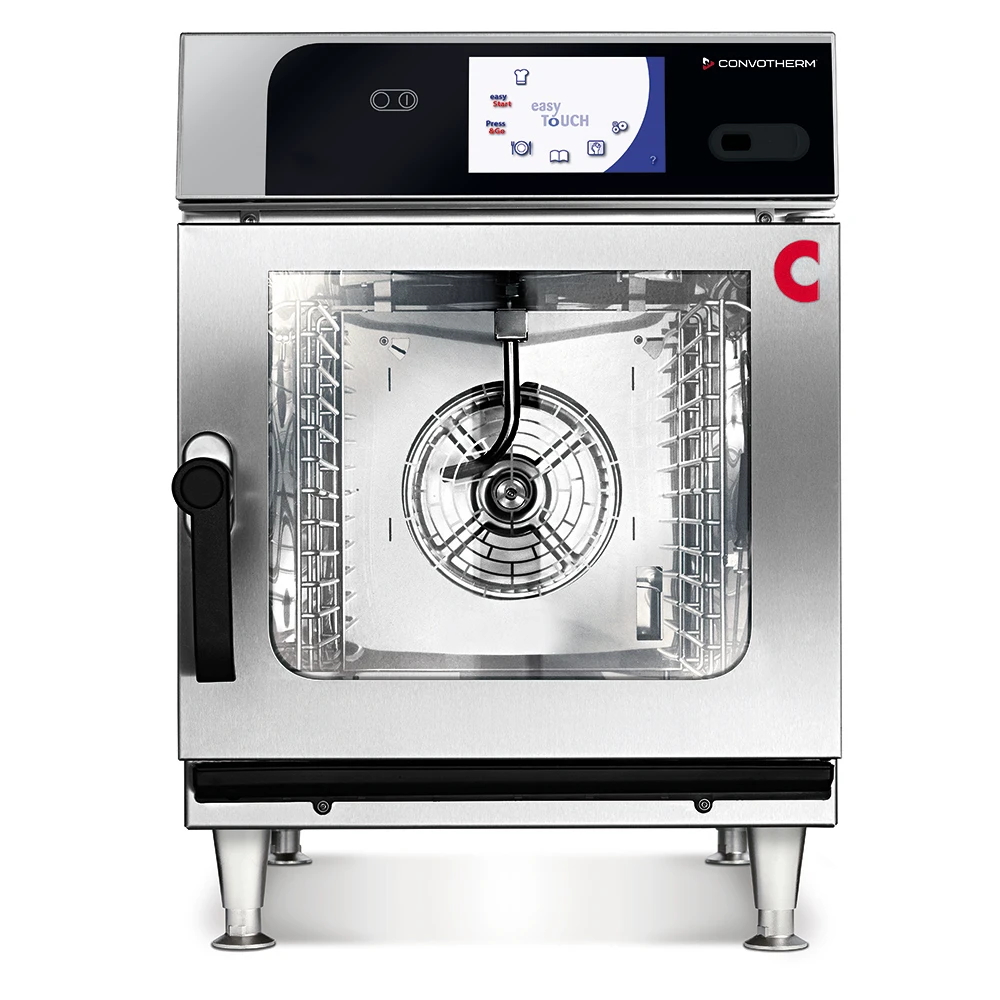
Combi ovens—also known as combination oven/steamers and convection steam ovens—combine steam and convection heat to offer versatile, powerful cooking for preparing vegetables, rice, seafood, poultry, and other popular ingredients. Boiler-based units contain a built-in boiler, while boilerless units create steam with an open water reservoir or spritzer.
- Best for: Versatile use in restaurants, bakeries, and hotels
- Why choose? One of the most flexible and efficient ovens on the market
- Top brands: Alto-Shaam, Rational, Convotherm
- Top model: Rational ICP 20-FULL
8. Commercial Toaster Ovens
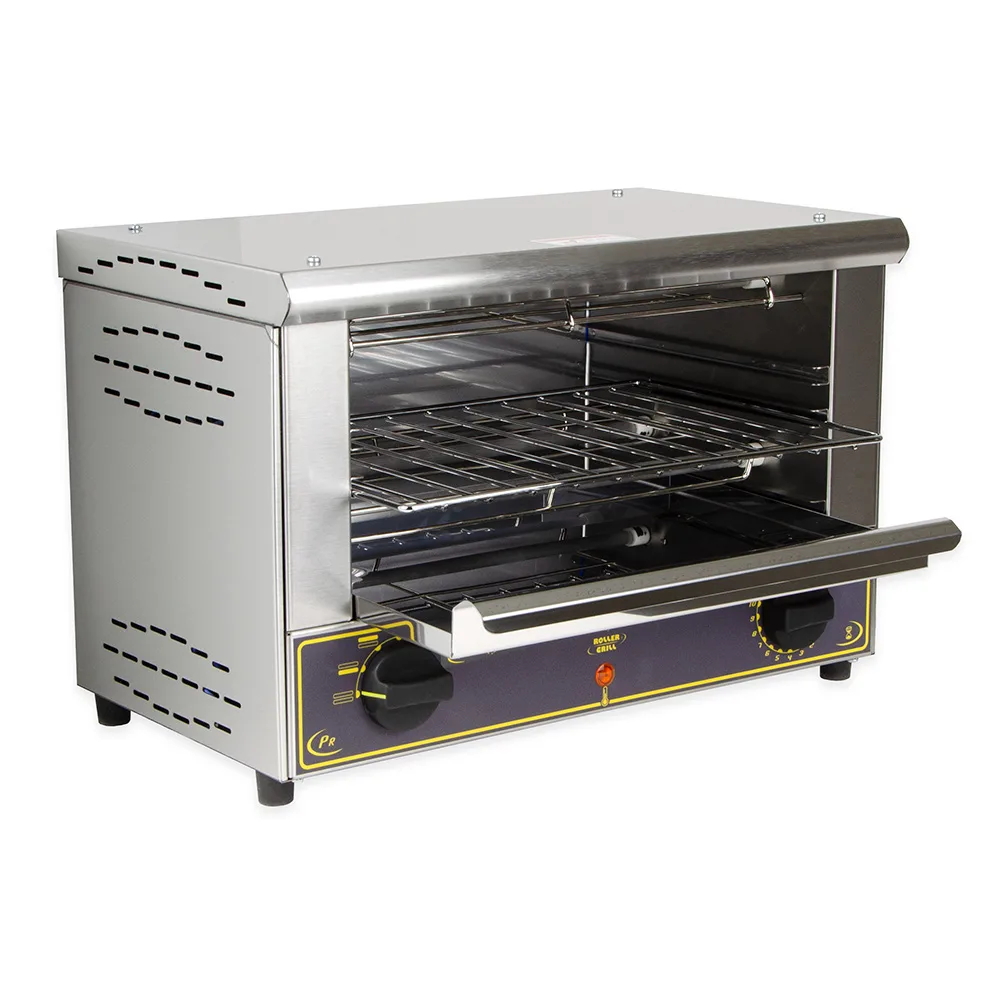
Commercial toaster ovens are suitable for coffee shops, healthcare facilities, hospitality businesses, and other low-volume foodservice operations melting, toasting, or warming appetizers and snacks such as sandwiches, finger foods, and pastries. These countertop cooking ovens are available in single- and double-rack designs.
- Best for: Coffee shops, cafes, healthcare facilities, and low-volume operations
- Why choose? Quick finishing and warming in space-saving footprint
- Top model: Equipex BAR-100/1
9. Smoker Ovens
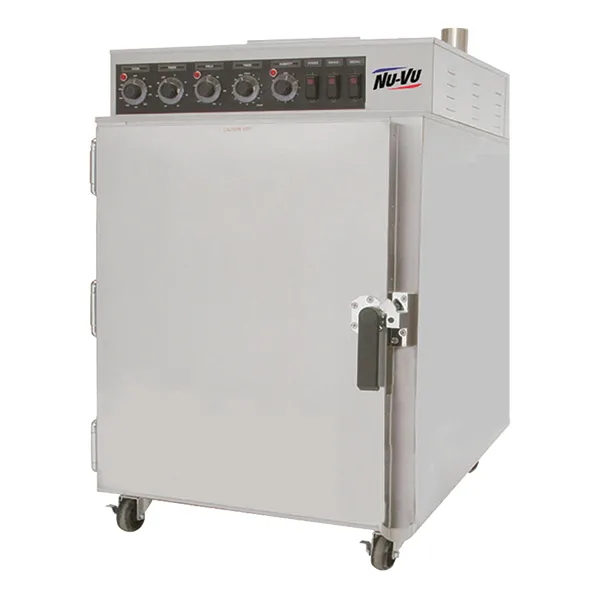
When outdoor smoking isn't feasible, smoker ovens are used to give proteins, vegetables, and other items an earthy, wood-infused flavor. They come in a wide variety of styles, from floor models for roasting pork to portable units that infuse smaller batches of ingredients with a smoky flavor. Full- and half-size smoker ovens may also be programmed to hold food after it's finished cooking.
- Best for: BBQ restaurants, smokehouses, catering operations
- Why choose? Adds authentic smoked flavor indoors, with programmable holding capabilities
- Top brands: Alto-Shaam, Cookshack
- Top model: Cookshack SM260 Smartsmoker®
10. Rotisserie Ovens
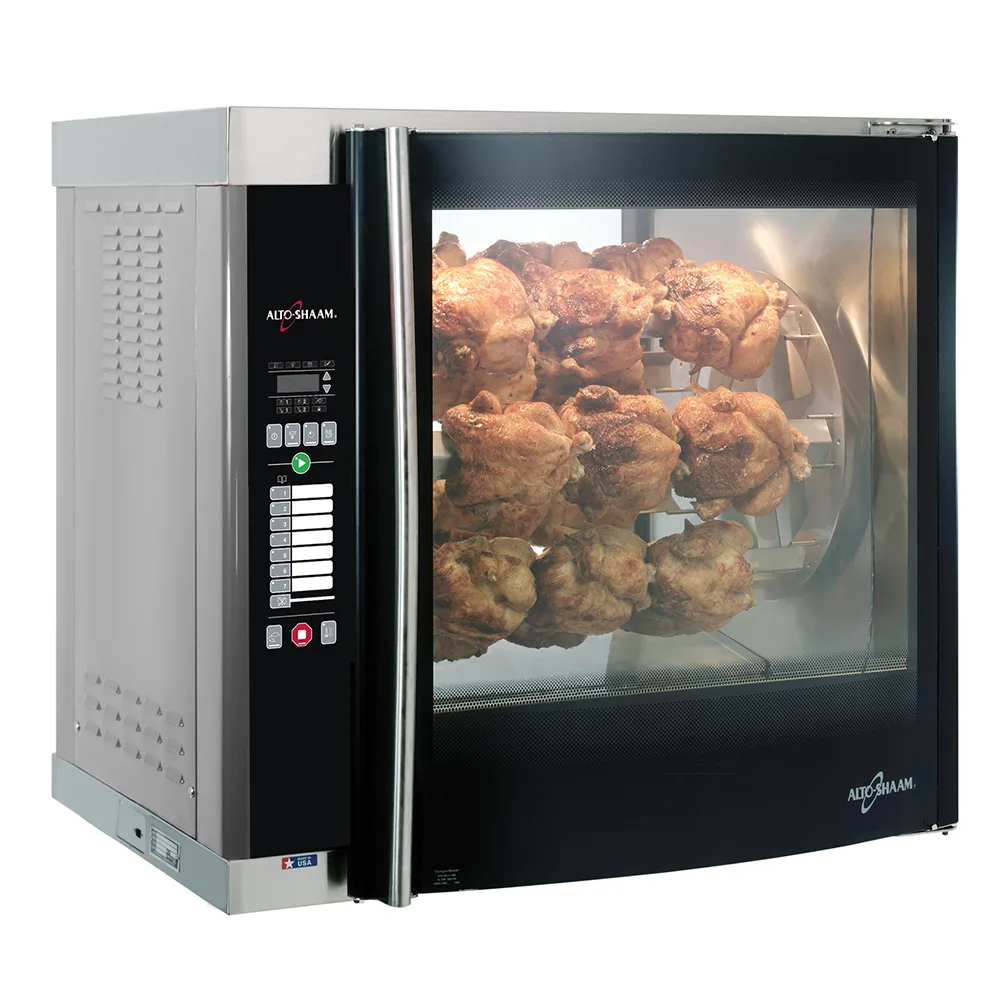
Rotisserie ovens are frequently used in grocery and convenience stores to easily roast moist, flavorful chicken in eye-catching displays. Available in both floor and countertop units, this type of commercial oven is sized by the number of birds it can cook at one time.
- Best for: Grocery stores, convenience stores, delis, and restaurants specializing in roasted meats
- Why choose? High-volume roasting with minimal labor and eye-catching display
- Top brands: Rotisol USA, Doregrill, Alto-Shaam
- Top model: Alto-Shaam AR-7E-SGLPANE
11. Proofer Ovens
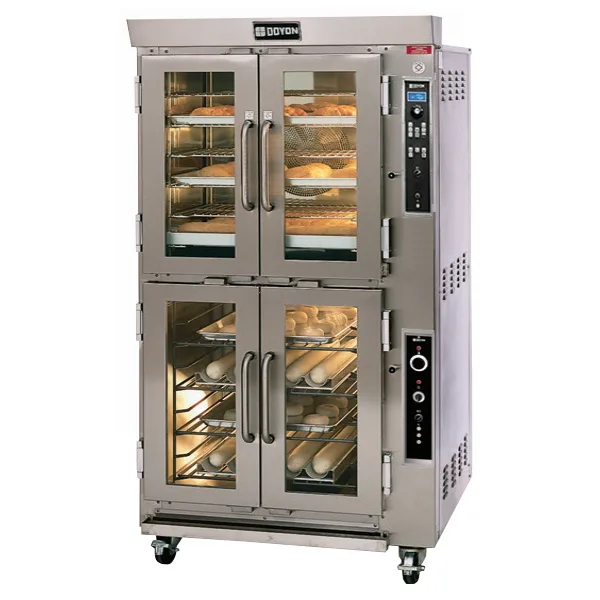
Proofer ovens conveniently combine a convection oven with a proofing cabinet in a single footprint. These all-in-one solutions work well in sandwich shops, bakeries, and other foodservice operations relying on freshly baked bread service.
- Best for: Bakeries, sandwich shops, and cafes
- Why choose? Saves space and streamlines workflow by combining proofing and baking functions
- Top brands: Doyon, Duke
- Top model: Duke 59-E3XX/PFB-1
12. Rack Ovens
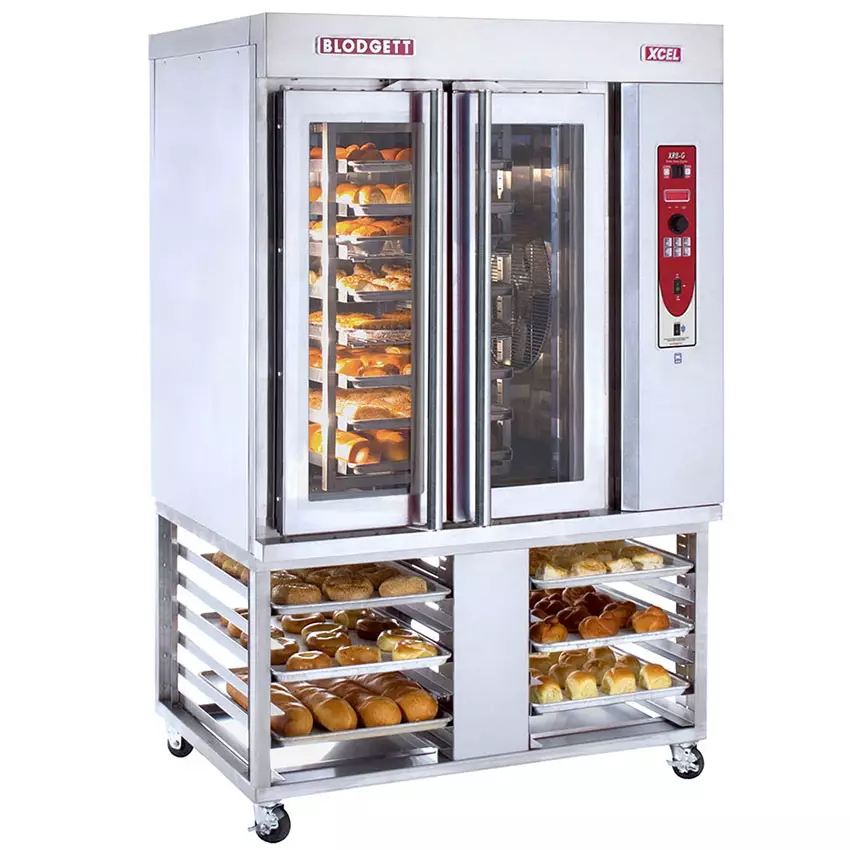
High-volume kitchens may benefit from the production capacity and versatility of a rack oven. These large units provide both steam and dry heat, making them suitable for baking, browning, and cooking. They ensure even cooking by moving pans around the cabinet on rotating racks.
- Best for: Large-scale bakeries, commissaries, high-volume kitchens
- Why choose? High production capacity with consistency from batch to batch
- Top brands: Blodgett, Baxter
- Top model: Baxter OV320E
How to Choose the Best Commercial Oven for Your Kitchen
While browsing the types of commercial ovens available for your foodservice operation, consider the questions below to help guide your purchase.
Menu and Cooking Style
Which type of commercial oven best suits your concept? Consider what items you'll offer on your menu and if they'll be prepared in batches or made to order. Knowing your kitchen's production requirements will help determine whether a countertop, half-size, or full-size unit is best.
Capacity and Space
How much space is available in your kitchen's layout? When deciding where your new oven will fit, plan for any clearance distance from other equipment and walls that may be required for a safe installation.
Energy Source
Do you need an oven powered by gas or electricity? This may be determined by cost effectiveness in your municipality or where your equipment is being installed. Keep in mind many gas ovens still require electricity to power fans, lights, and control systems.
"Electric ranges bump up efficiency compared to gas, but induction takes it much further—nearly perfect efficiency with much faster heat response," Southbend Vice President of Sales and Marketing told KaTom.
Shipping Costs
Have you factored the cost of shipping into your budget? Bulky equipment is sometimes shipped via freight carrier and may require liftgate service if your facility doesn't have a loading dock or forklift, which can add to the total cost.
Ease of Use and Maintenance
Look for ovens with intuitive controls, programmable settings, and easy cleaning options to reduce labor and downtime.
Regular cleaning (daily, weekly, and monthly) prevents grease buildup that's almost impossible to fix later," Woolcock said.
Reliability and Service
Choose a reputable brand with strong warranties and readily available replacement parts. Reliable ovens lower your total cost of ownership over time even if they cost more up front.
Best Commercial Oven Brands
Choosing a trusted brand can make a significant difference in performance and support. Top commercial oven brands include:
- Blodgett: Known for durable deck and convection ovens
- Alto‑Shaam: Leaders in cook‑and‑hold and combi oven technology
- Doyon: Popular for bakery ovens and proofers
- Lincoln: Experts in impinger and conveyor ovens
- TurboChef: Pioneers in high-speed ovens
- Unox: Known for energy-efficient, high-tech combi and convection ovens
- MoTak: Solid choice for budget-friendly convection ovens
View All Commercial Oven Brands.
Common Questions About Commercial Ovens
What is the size of a commercial oven?
Sizes vary widely, from compact countertop models to large rack ovens. Always measure your kitchen space and account for door clearance and maintenance access.
How much does a commercial oven cost?
Prices range from $1,000 for small countertop models to more than $40,000 for large combi or rack ovens. Factor in potential additional costs for installation, ventilation, and maintenance.
Which is the best commercial oven for bakeries?
The best commercial oven for bakeries is typically a deck oven or rack oven, depending on production volume and product type.
What type of oven do professional chefs use?
Many chefs prefer combi ovens for their flexibility, but convection and deck ovens are also popular depending on the cuisine.
What is the difference between a commercial oven and regular oven?
A commercial oven is designed specifically for high-volume, continuous use in professional kitchens, while a regular (residential) oven is built for occasional, smaller-scale cooking at home.

