Commercial Refrigeration Equipment
Reach-in Refrigerators
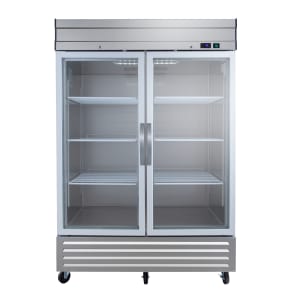
Reach-in refrigerators store perishable ingredients in foodservice kitchens. These are available with glass or solid doors and as many as three sections.
Reach-in Freezers
Outfit a commercial kitchen with reach-in freezers to provide reliable storage for a variety of perishable items. Find models with up to three sections here.
Walk-in Refrigerators
A walk-in refrigerator is one of the most vital pieces of equipment at any foodservice or hospitality venue. Compare indoor and outdoor units to fit any need.
Commercial Refrigeration For Sale
What Is Commercial Refrigeration?
Commercial refrigeration equipment keeps perishable foods, beverages, and other temperature-sensitive products at controlled temperatures for storage, preparation, and display. Restaurants, grocery stores, bars, convenience stores, and healthcare facilities rely on commercial refrigeration to protect product quality and support daily operations.
Types of Commercial Refrigeration Equipment
Commercial refrigeration includes several equipment types designed for different storage, preparation, and merchandising needs:
- Reach-in refrigerators: Upright cabinets that provide organized storage for ingredients and other perishable products in commercial kitchens, with solid- and glass-door configurations available
- Walk-in coolers: Room-sized refrigerated spaces that accommodate larger inventories and bulk storage for high-volume operations
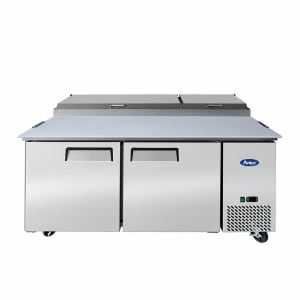
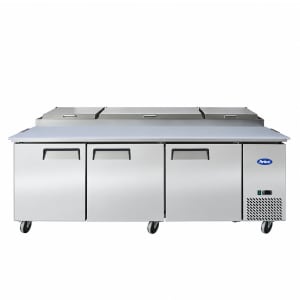
- Prep tables: Refrigerated equipment with integrated work surfaces for preparing pizzas, sandwiches, and salads while keeping ingredients nearby
- Undercounter and worktop refrigerators: Compact units that provide refrigerated storage beneath or within a work surface, making them useful in kitchens with limited space
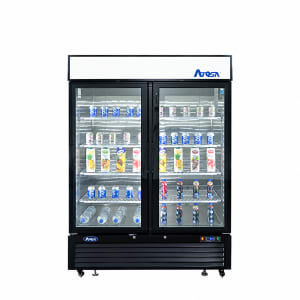
- Glass door merchandisers: Refrigerated display units that keep beverages and packaged foods chilled while enabling customers to view available products
- Bar refrigeration: Back bar coolers, bottle coolers, and beer dispensers designed to store and serve beverages
- Specialty refrigeration: Includes equipment such as sushi cases, deli cases, bakery display cases, medical refrigerators, and wine coolers for specific storage and merchandising applications
Choosing the Right Commercial Refrigeration Equipment
Choose commercial refrigeration based on storage capacity, available space, product temperature requirements, and daily usage. Before purchasing, review the following factors:
- Capacity: Match interior storage to inventory and peak demand
- Configuration: Consider door style, number of sections, shelving, and how staff access products
- Compressor location: Evaluate top-, bottom-, or remote-mounted compressors based on kitchen conditions and maintenance access
- Electrical requirements: Confirm voltage, phase, amperage, and plug configuration before installation
- Energy efficiency: Compare energy consumption and eligible ENERGY STAR-certified models
See KaTom's Commercial Refrigeration Buying Guide for more equipment selection considerations.
Walk-in Cooler & Reach-in Refrigerator Differences
Walk-in coolers provide room-sized storage for businesses with larger inventory needs, while reach-in refrigerators offer cabinet-style storage with quick access to ingredients. Choose based on available floor space, storage volume, and how frequently employees need to access products.
Operating Costs for Commercial Refrigeration
To estimate a commercial refrigerator's electricity cost, multiply the manufacturer's reported daily energy consumption in kilowatt-hours (kWh) by your electricity rate. Multiply that result by 365 to estimate annual electricity costs. Compare models using their published energy consumption data, since electricity use varies by refrigerator size, configuration, and operating conditions.
KaTom's Energy-Efficient Refrigeration Buyers' Guide covers compressor placement and other factors that affect energy consumption.
Cleaning Commercial Refrigerator Coils
Inspect condenser coils regularly and clean them when debris accumulates. Follow the manufacturer's recommended condenser cleaning schedule, and inspect coils more frequently in kitchens with grease, flour, dust, or heavy airborne debris. Dirty condenser coils can restrict airflow and reduce refrigeration performance.
Read KaTom's Commercial Refrigerator Maintenance Checklist for additional maintenance recommendations.
Frequently Asked Questions About Commercial Refrigeration
What is the difference between commercial and residential refrigerators?
Commercial refrigerators are built for frequent access and heavier daily use in business environments. They typically feature commercial-grade components and construction designed for demanding operations.
What temperature should a commercial refrigerator maintain?
Commercial refrigerators must maintain temperatures appropriate for the products being stored and applicable food safety requirements. Operators should follow local codes and manufacturer temperature recommendations.
What size commercial refrigerator do I need?
Choose a commercial refrigerator based on the amount of inventory you need to store, available floor space, and how frequently employees access products. Account for peak storage needs while leaving enough room for proper airflow.
How long do commercial refrigerators last?
A commercial refrigerator's lifespan depends on the model, usage, installation environment, and maintenance. Regular cleaning, proper ventilation, and timely replacement of worn components can help extend equipment life.
What is the difference between a commercial refrigerator and freezer?
Commercial refrigerators keep products chilled without freezing them, while commercial freezers maintain subfreezing temperatures for long-term frozen storage. Choose a unit based on the temperature requirements of the products you need to store.
Learn More About Commercial Refrigeration
- Best Commercial Refrigerator Guide - Types of Refrigeration
- Selecting the Best Back Bar Cooler
- Find the Right Accessories for Your Kitchen's Cooler
- The Pros and Cons of Self-Contained & Remote Condensers
- Avoid Repair Bills by Leveling Your Commercial Refrigerator
- Maintenance Checklist for Commercial Refrigeration
- Choosing Between Top-mount and Bottom-mount Compressors
- Commercial Fridge Organization: Maximize Your Shelving Space
- Commercial Refrigerator Sizes: Choose the Right Size
- Refrigerator Temperature Guide: Keep Food Fresh & Safe with Key Tips
Top In Stock Commercial Refrigeration
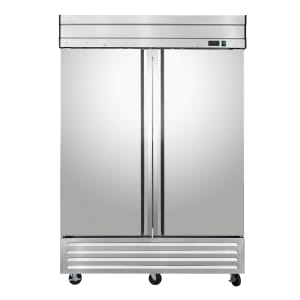

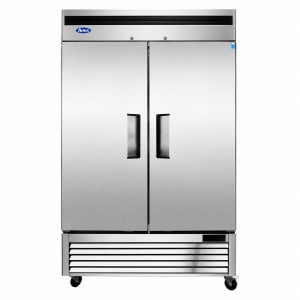


True Refrigeration T-49-HC
54" Two Section Reach In Refrigerator, 2 Left/Right Hinge Solid Doors, 115v
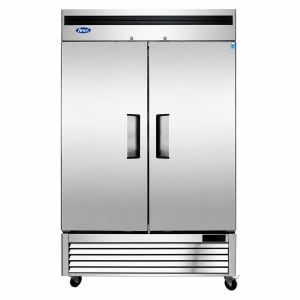

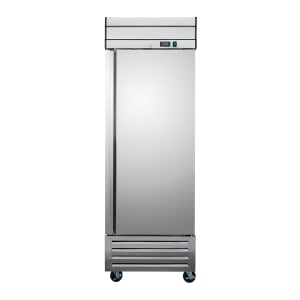


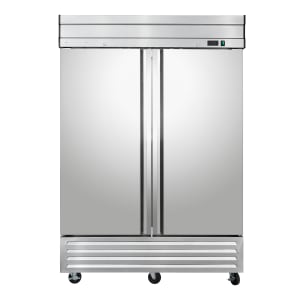
True Refrigeration T-49F-HC
54 1/8" T Series Two Section Reach In Freezer, 2 Left/Right Hinge Solid Doors, 115v

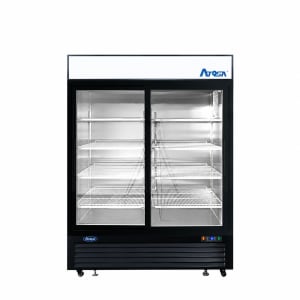


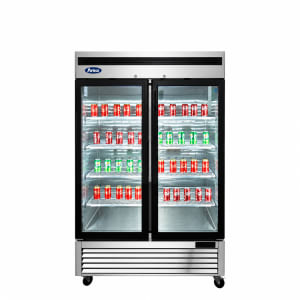
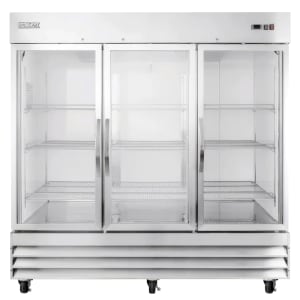
MoTak MSD-3DR-BAL-80-G-A
80 9/10" Three Section Reach In Refrigerator, 3 Left/Right Hinge Glass Doors, 115v