How to Start a Smoothie Business
Customers have been seeking out fresh and healthy alternatives to traditional fast food menu options for years, and few concepts are better positioned to capitalize on this trend than smoothie shops and health food brands.1 Because they combine fast food convenience with fresh ingredients, customers views smoothies as a fast, portable, and delicious way to obtain nutritious refreshment on the go.
Smoothie shops have boomed in recent years, and despite that increase, the market shows few indicators that growth will stop any time soon.2 Given the continued rise of health consciousness among consumers and the demand for quick, convenient food sources, investing in a smoothie shop is an attractive idea for those wanting to strike out on their own and run a health-focused quick-service restaurant. This article will help you decide how to start a smoothie business, from planning your concept to purchasing your equipment.
How to Start Your Own Smoothie Business
Some preliminary steps on the journey to start your own smoothie business include organizing your finances, creating a budget, writing a business plan or proposal, and choosing a business structure.
Creating a Budget
Be realistic about what you can afford and how much revenue the business is likely to generate. It may take months or even years to become profitable, so determine how much you can invest and how long that will last. While developing your budget, consult subject matter experts in areas such as restaurant management, business finance, sales, and marketing.
Writing a Business Plan
This step is essential to the success of any business. Be thorough when researching and writing your business plan; this document is often vital to securing necessary financing for your endeavor.
Most business plans include an executive summary, description of the business, and detailed market analysis to back up the proposal. In addition, you should include information about how you'll organize and manage operations, what products you plan to sell, and how you'll advertise and market the business.3
If you are seeking funding for some or all of the business, include information on what type of loan or investment you'll need and how you will use the money.
Choosing a Business Structure
Your business structure affects how you pay taxes, your level of personal liability, and what type of paperwork you may need to file with state or federal governing agencies. Many people choose a limited liability company (LLC), because it provides some of the benefits of incorporation while protecting the operator's personal assets from debts incurred by the business. 4 Research different legal structures to identify the best option to protect your assets while still helping you reach your goals.
Licenses and Permits
To open any food establishment, several licenses and permits are required. While the details regarding each will vary between states and localities, common prerequisites include a food vending permit, business license, tax identification number, business banking account, and liability insurance. You must also be prepared to pass a health department inspection.
The Small Business Administration can help you determine the exact permits you'll need, as well as other prerequisites for opening a business5. You should also contact your local government and agencies for specifics on what you need to start your business and keep it compliant.
Consider the Pros and Cons of Franchising
An important consideration when learning how to run a smoothie business is whether you want to open an independent concept or franchise an existing one. There are many benefits to franchising, including having an existing client base and wide-spread advertising on television, radio spots, and social media. You may, however, be limited in your menu options, and the franchise and royalty fees may put the concept beyond reach.
Pros
Built-in customer loyalty. Buyers are already comfortable with your product and recognize the brand.
Familiar products and services. Your location will reap the benefits of nation-wide franchisor marketing campaigns, as well as pre-established design conventions.
Established sales trends. It's standard for franchisors to disclose detailed information on recent growth and sales metrics.
Training and support. Eliminate much of the trial-and-error first time business owners experience during the initial stages.
Loan application assistance. Some franchisors offer in-house financing or work with financing vendors.
Dedicated territory. Other franchisees may be barred from opening a competing location near your shop; however, the franchisor may still be allowed to compete in your territory.
First responders discount. Some franchisors offer discounted franchise fees to veterans, law enforcement officers, firefighters, and EMTs.
Cons
Menu restrictions. Most franchisees can only sell approved menu items with specific recipes.
Vendor restrictions. Some franchisees are only allowed to order from a list of approved suppliers, even if they can get a lower price elsewhere.
Supplementary fees. In addition to franchise fees and royalties, some franchisors charge monthly operation fees, marketing fees, technology fees, and/or software fees.
Less financial flexibility. Franchisees will be responsible for paying all fees regardless of their shop's proceeds, and many fees are taken from gross sales, not net profits.
Non-compete clause. You may be barred from operating any other similar business during or for two years after your franchise contract.
Ownership restrictions. Most franchisors retain first right of refusal, meaning there may be restrictions on how and when you can sell the business.
Renewal clause. Not all franchisors offer an option to renew, and those that do may charge renewal fees.
Franchise Costs
A franchise fee is the flat fee you pay to participate in the chain. You'll be able to advertise using their name and expected to follow the details outlined in their guidelines. A royalty fee is a percentage you pay to the franchisor, which can be lowered as time goes by.
Below is a reference to give you some idea of the minimum amount of money you should expect to invest when franchising, not including space, equipment, inventory, licenses, and labor:
| FRANCHISE | FRANCHISE FEE | ROYALTY FEE (PERCENT) | TERM OF AGREEMENT | NET WORTH/LIQUID CAPITAL REQUIRED |
| Jamba Juice | $35,000 Shop OR 10,000 Food Truck | 6 | Shops: 20 Years Trucks: 5 Years |
$300,000/100,000 |
| Tropical Smoothie Cafe | $25,000 | 6 | 20 Years | $350,000/125,000 |
| Maui Wowi Hawaiian Coffees & Smoothies | $30,000 | 6 | 10 Years | $100,000/50,000 |
| Smoothie King | $30,000 | 6 | 10 Years | $300,000/100,000 |
| Surf City Squeeze | $30,000 | 6 | 10 Years | $250,000/100,000 |
Franchise Disclosure Documents (FDDs) for most major smoothie shops can be found online, providing detailed information on all fees, legal requirements, and other obligations included in the franchising agreement.
Choosing a Location
The best location for any quick-serve food venue is a densely populated, highly visible area with multiple traffic generators nearby – major highways, neighborhood strip malls, power centers, shopping malls, universities, airports, and downtown business districts. Prime locations for smoothie shops are near areas where the mean household income is higher than average .
Make sure to check if any other smoothie shops already exist near your desired location or are planned to be built in the next couple of years. If you are opting for a permanent establishment, verify the location you're considering can handle the flow of customers you expect. Ensure there is adequate parking, and space for a drive-thru if you are planning one.
Other Ways to Open
If you're unsure about investing in a brick-and-mortar business, you can start small by considering an alternative option.
- Go mobile: Buy or rent a food truck so you can relocate as traffic patterns change from week to week or even day to day.
- Find a food court: Rent a kiosk at the local mall and take advantage of the daily foot traffic generated by a large shopping hub.
- Partner up: Reach out to fitness centers, golf clubs, grocery outlets, and movie theaters in your desired area – some locations may be interested in partnering with you to install your smoothie shop in their existing business footprint. This type of setup can be mutually beneficial and comes with a built-in flow of potential customers.
Menu Choices and Ingredients
When creating your menu, offer a mix of classic and trendy smoothie flavors to appeal to a wider audience. Consider limited time and/or seasonal offerings to add variety to the menu. This can keep high-frequency customers engaged and prevent them from looking elsewhere for new flavors. It's also a good idea to offer kid's sizes to encourage families with children to visit.
Think about your ideal customer's likely health goals and what recipes/add-ins could reinforce those goals: do they want to lose weight? Build muscle? Have more energy? Be more focused? Eat more vegetables? Get more vitamins? Think about the ingredients they're likely to purchase to better meet these goals. Develop unique flavor combinations to address a variety of needs.
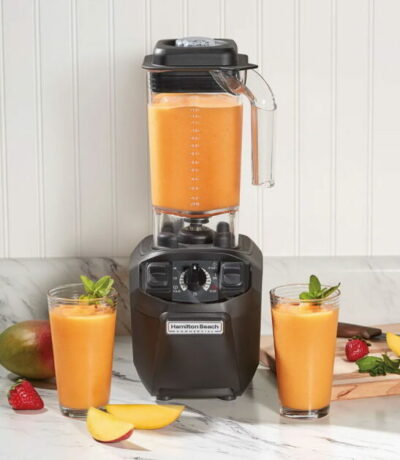
Adding Protein: There are several kinds of protein powders on the market, both animal-product based (casein, whey, and egg) and plant based (soy, hemp, rice, and pea). Alternatively, you can add protein to the mix by incorporating ingredients such as non-fat yogurt, cottage cheese, almond butter, tahini, oats, and a variety of nuts and seeds.
Calories & Nutrients: Some smoothies can be a great way to lose weight because many recipes have fewer calories than a full meal while also providing most of the nutrients your body needs.7 One-percent, almond, or soy milk and flavored waters can help you achieve a smooth consistency while keeping calories at a minimum. Healthy fats like nuts, seeds, and avocados can help provide an energy boost, as can high-fiber carbs like raspberries, blueberries, spinach, and cucumber. Avoid recipes with added sugar when designing smoothies to promote weight loss.
Wellness: Smoothies that incorporate superfoods, fresh fruits and vegetables, healthy fats, and calcium-rich yogurt and milk are purported to be beneficial for overall health and well-being, driving high demand (and a willingness to pay premium prices) among health-conscious consumers.
Many shoppers enjoy designing their own smoothies; a menu of custom add-ins can appeal to consumers with specific dietary preferences or requirements.
More Decadent Options
While most smoothie bars are known for their healthy ingredients, from protein additives to fresh superfoods like kale, some people simply want a beverage that tastes good without regard for its health benefits. For them, you may want to include more indulgent ingredients like ice cream, fruit juice, sugar, whipped cream, and syrups. These items may be high in empty calories, but they’re great for the occasional sweet treat — and many people are looking for just that when out and about.
Other Menu Items
Finally, decide what you'll offer besides smoothies, if anything. Smoothie shops often make soups, salads, sandwiches, and wraps, and even offer fresh fruit and packaged items such as chips, protein bars, and trail mix. Many of the same ingredients used in smoothies can also be used for salads and wraps, making it simple to expand the menu without getting too complicated.
To prep healthy, filling ingredients like turkey, lean roast beef, and endless sliced vegetables, you'll need to purchase equipment such as slicers and food prep tables. Anything you can put on a sandwich, you can put on a salad, so these items will double your menu without requiring additional ingredients or effort.
You'll also need ovens, proofers, and slicers if you'll be serving fresh-baked buns and bread. Go above and beyond by offering artisan rolls and loaves. A panini press, griddle, or sandwich steamer will enable you to serve those sandwiches warm for an added touch. Soup warmers are another simple, cost-effective way to add to your bottom line.
Regardless of what your menu includes, make sure to clearly list all ingredients for every product in order to avoid allergic reactions.
Purchasing Equipment & Supplies for Your Smoothie Business
Once you've decided what type of smoothie bar to open, you'll have to think about how you'll outfit the space. No smoothie shop can function without the necessary equipment and supplies.
If you're going with a truck, the cost of customer seating will be zero. Furnishings are also kept to a minimum with a kiosk or food court stand. If you're going to operate out of a brick-and-mortar building, you'll need restaurant furniture such as seating, lighting, fixtures, and decor to make your smoothie bar welcoming and accessible.
However your business is set up, you'll likely need serveware and flatware, cups and lids, as well as ways to keep it all organized.
If you're strictly doing smoothies, the smallware you'll need will be less extensive than if you were also offering food items. At minimum, you'll need drinking straws and paper napkins.
If food will be served, you'll also need to-go bags and take-out containers, as well as disposable cutlery and food trays.
No matter the size of your smoothie shop, you'll need blenders and ice makers.
If you want to add food selections to your menu options, you'll need cooking equipment for that, as well. Janitorial supplies and business management tools will also be required, regardless of the configuration you choose.
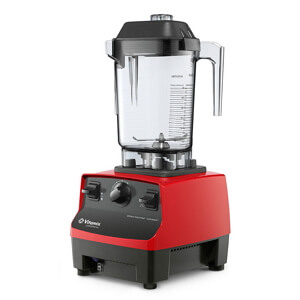
Blenders: Given the sheer volume of smoothies you'll be making, you may find that in-counter blenders are the most convenient option, especially since most bars create their smoothies in plain sight. This can add both an entertainment and quality-control element to your service. If you choose a high-horsepower blender, it will probably be loud. In this case, a unit with noise-reduction capabilities will be an addition customers and employees greatly appreciate.
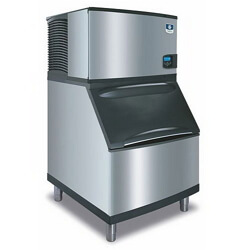
Ice makers: Ice machines come in many sizes and can produce many different styles of ice. If you're operating a small shop or don't have much space, you may opt for an undercounter unit. You may also need a larger, full-size unit so you can have a supply of ice at the counter, with more in the back to ensure you never run out. Make sure to select a unit that can keep up with demand. Flake or nugget ice will produce the smoothest texture and be gentler on your blender.
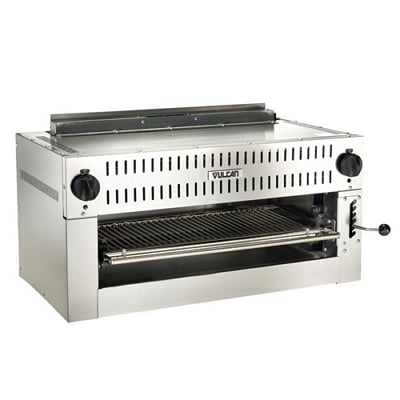
Cooking equipment: Countertop cooking equipment can be an efficient way to add hot food items to your menu. Many customers enjoy steaming protein bowls, grilled sandwiches, and warmed wraps alongside their smoothies for a complete meal. Toaster ovens, microwaves, panini presses, and sandwich steamers are all good choices.

Cleaning supplies: To keep your health inspector happy and your customers comfortable, you'll want to make sure your facility is clean and well-maintained. Items such as waste receptacles and cleaning supplies are an important element that can't be overlooked, and in a brick-and-mortar business, restroom supplies will be an added necessity.
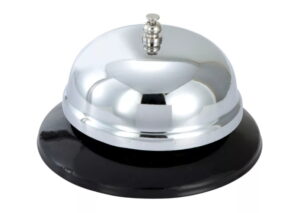
Office supplies: Efficient organization and management of the monetary aspects of your business can be just as important as unique recipes and fresh ingredients. You'll need to make sure you have cash registers, time clocks, and other office equipment in order to start a smoothie bar business and keeping it flowing effectively.
Other Supplies and Equipment
Much goes into maintaining the fresh ingredients smoothies are known for. Of course, you'll need refrigerators to keep fresh produce crisp and nutrient rich. Undercounter refrigerators and refrigerated prep tables will keep ingredients within arm's reach when dealing with customers at the counter. Freezers will help when you want to make coconut ice cubes or add frozen fruit in place of some or all your ice.
A juicer will enable you to include fresh-squeezed juice — an addition that many of your clients will appreciate. An abundant supply of fruit and vegetable tools, such as fruit and vegetable slicers, apple and pineapple corers, and table-mount dicers, will make the constant work of producing smoothies less of a chore for your staff.
Storage bins and shelving will keep your ingredients organized and contaminant free, while utility carts make restocking easy.
Even if you opt for disposable serving and tableware, you'll still need dishwashers and sinks to prepare and serve your blended treats. If you've decided to go with a food truck or kiosk, blender stations help conserve valuable counter space.
You may also want to stock some of the following items:
Working with Vendors
Before you open a smoothie bar, it's important to line up suppliers for all the equipment and ingredients you'll need. Cultivating and maintaining positive relationships with reliable vendors can help ensure you get the freshest and best ingredients to make your bar competitive, while keeping your shop well stocked with everything needed for day-to-day operations. Fresh ingredients, robust marketing, and signature recipes will go a long way, but you'll still need to have good suppliers and a price point that provides a decent profit margin.
Stand Out with Innovative Marketing Strategies
Once you've opened your smoothie bar, you'll want to do whatever you can to ensure its success. Think outside the box for ways to leave a strong impression on local consumers and generate positive buzz surrounding your brand.
- Procure vibrant, attractive signage and branded supplies (cups, lids, to-go bags, uniforms, etc.) for your shop. Choose colors and designs that echo the products and ingredients you'll serve.
- Offer incentives! Provide discounts, coupons, or free samples in exchange for customers leaving a review, signing up for your text and email lists, downloading your app, or posting tagged photos of their purchases on social media.
- Host giveaways to gather contact and marketing information and obtain free promotion from dozens or hundreds of customers in exchange for a single high-value item.
- Consider opportunities for cross-promotion. Contact local businesses such as vitamin and supplement shops, organic and health food stores, and fitness centers to see if they'd like to partner with you for promotions and giveaways, driving awareness for both brands simultaneously by appealing to the crossover in your customer base.
- Reach out to local health, wellness, and beauty influencers who reach a wide audience base matching your ideal customer metrics. Offer them free product in exchange for publishing a review or promoting your product on their social media accounts.
- Create and maintain accounts on all major social media platforms to share photos, advertisements, coupons, and day-to-day updates on the business. Make sure to post regularly but in moderation, to avoid overwhelming your customers.
- Consider ways to provide secondary value through your social media pages, such as sharing relevant articles about smoothies, health, and wellness or interviews with fitness instructors, dieticians, and personal trainers.
References
- Why Health Food Franchises Will Take Off in 2021. QSR Magazine. Accessed April 2021.
- Smoothies Market – Growth, Trends, Covid-19 Impact, and Forecasts (2021-2026). Mordor Intelligence. Accessed April 2021.
- Parts of a Business Plan: 7 Essential Sections. National Federation of Independent Business (NFIB). Accessed April 2021.
- Choose a Business Structure. U.S. Small Business Administration (SBA). Accessed April 2021.
- Get Local Assistance. U.S. Small Business Administration (SBA). Accessed April 2021.
