Commercial Juicer
Find commercial juicers, including centrifugal and cold-press juicer machines, as well as manual citrus squeezers for fresh juice, smoothies, cocktails, and mixers. Compare production volume, footprint, and compatible ingredients to find the right juicer.
Juicer Machine
Commercial juicers facilitate juice extraction so you can provide cocktails, mixers, smoothies, and more. Centrifugal and masticating models are available.
Citrus Juicer
A citrus juicer is designed to get the most out of your oranges, limes, and lemons. They're built for cleanability and a long life.
Lemon Squeezer
A lemon squeezer is the simplest way to squeeze fruit for fresh margaritas, guacamole, and many other recipes.
Commercial Juicers For Sale
About Commercial Juicers
Commercial juicers extract juice from fruits, vegetables, and other produce to create fresh beverages, cocktails, mixers, sauces, and recipes. Restaurant juicers range from compact citrus models to high-output machines designed for continuous production.
Common Types & Features of Commercial Juicers
Commercial juicers use different extraction methods to suit specific ingredients and production needs. Common juicer types include:
- Manual Juicers: Designed for hand squeezing citrus and other delicate fruits
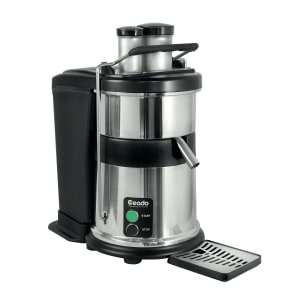
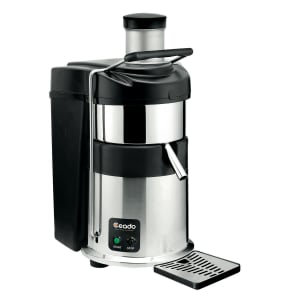
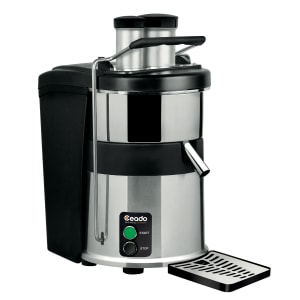
- Centrifugal Juicers: Use a rapidly spinning cutting system to extract juice from fruits and vegetables, supporting fast production in busy restaurants and juice bars
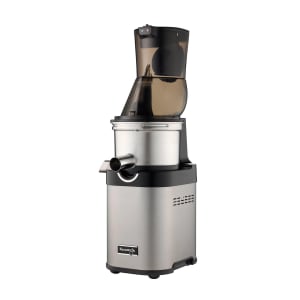
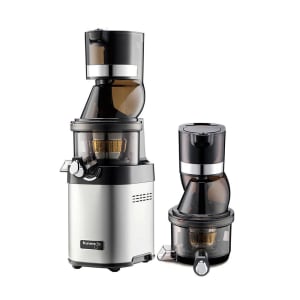
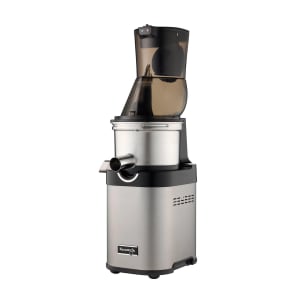
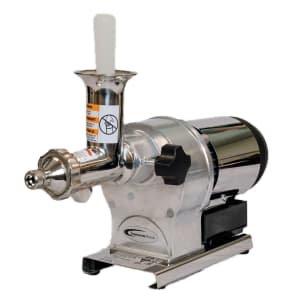
- Masticating/Cold-Press Juicers: Crush and press ingredients to separate juice from pulp and are commonly used with fruits, vegetables, and leafy produce
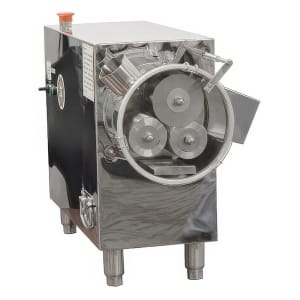
- Citrus Juicers: Use reamers or pressing mechanisms to extract juice from oranges, lemons, limes, and grapefruits
Additional features can include:
- Automatic-Feed Systems: Use hoppers or feeding systems to reduce manual loading during repeated production
- Pulp Containers: Collect extracted pulp separately from finished juice to simplify operation and cleanup
- Removable Components: Detachable bowls, reamers, juice collectors, and other parts simplify routine cleaning
How to Choose a Commercial Juicer Machine
Selecting a commercial juicer requires matching the machine's design to the operation's menu and production demands.
- Produce Type: Use citrus juicers for menus with lime, lemon, or orange juice. Menus featuring varied fruits and vegetables may require centrifugal or masticating models
- Production Volume: Restaurants preparing occasional fresh juice can use compact countertop equipment, while juice bars and other high-volume operations may need an industrial juicer
- Feed Style: Batch, single-feed, continuous-feed, and automatic-feed designs affect how operators need to load ingredients
- Footprint: Compare the unit's dimensions with available counter space, especially in bars, cafes, and compact kitchens
- Waste Capacity: Larger pulp or waste containers reduce the frequency of emptying
- Cleaning Requirements: Removable food-contact components help staff clean the juicer between uses and at the end of service
Frequently Asked Questions
What is the difference between centrifugal, cold-press, and masticating commercial juicers?
Centrifugal juicers use high-speed rotation to cut produce and separate juice from pulp, making them suitable for operations that prioritize fast output. Masticating juicers, often called cold-press juicers, crush or press ingredients at lower speeds and can handle a broad range of produce. The preferred design depends on the menu, production volume, and desired juice characteristics.
What type of juicer is best for a restaurant?
The best restaurant juicer depends on the menu. A bar preparing lemon, lime, and orange juice may only need a citrus juicer, while a restaurant serving fresh fruit and vegetable beverages may benefit from a centrifugal or masticating juicer machine. High-volume juice bars may require automatic-feed or continuous-feed equipment.
What is a commercial juicer used for?
A commercial juicer machine supports frequent or high-volume juice production in restaurants, juice bars, cafes, hotels, and other high-output operations. Depending on its design, the machine may process fruits, vegetables, citrus, and other produce.
Can one commercial juicer process every type of produce?
Not every commercial juicer is designed for every ingredient. Citrus juicers primarily process oranges, lemons, limes, and similar fruits, while centrifugal and masticating models handle broader selections of produce. Specialty machines may be required for ingredients such as sugarcane or wheatgrass.
How should a commercial juicer be cleaned?
After use, operators should clean food-contact surfaces and removable components according to the manufacturer's instructions, as cleaning steps can vary by model.
What features are useful in high-volume restaurant juicers?
High-volume operations can benefit from large feed chutes, automatic or continuous feeding, large pulp containers, and removable components for cleaning. Operators should also compare motor power, duty cycle, and recommended production capacity when selecting equipment for repeated use.
Trusted Commercial Juicer Brands at KaTom
KaTom carries commercial juicers from manufacturers offering equipment for applications ranging from on-demand production to high-volume fruit and vegetable processing.
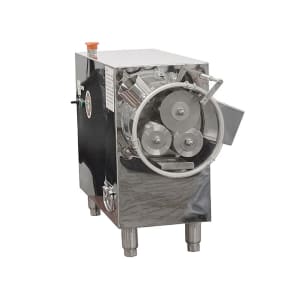
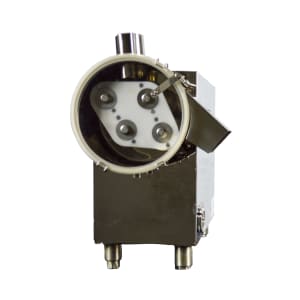
- Robot Coupe: Offers commercial centrifugal juicers and pulp extractors with durable designs and large waste containers for frequent production
- Juicernet: Provides centrifugal, cold-press, masticating, sugarcane, and wheatgrass juicers for specialized and high-volume applications
- Skyfood: Produces commercial citrus juicers with durable metal construction
- Zumex: Specializes in high-volume citrus juicing for restaurants, cafes, and institutions
- Zummo: Uses vertical juice extraction in citrus juicers for speed and simplified cleaning
Compare extraction style, feed design, capacity, and cleaning requirements to select a commercial juicer suited to the operation's menu and production volume.
Learn More About Commercial Juicers
Top In Stock Commercial Juicers


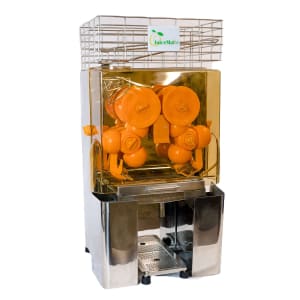
Juicernet JM20 STANDARD
Masticating Continuous Feed Citrus Juicer - 20 Fruits/Minute, Hopper, 1100W, 110v


Juicernet JM30 AUTOMATIC FEED
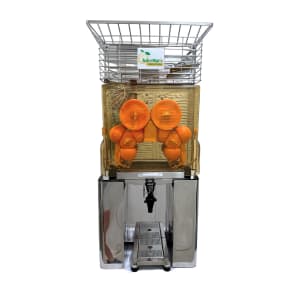
Masticating Automatic Feed Citrus Juicer - 20 Fruits/Minute, Self Serve Tap, 1100W, 110v
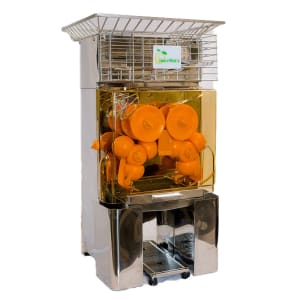
Juicernet JM20 AUTOMATIC FEED
Masticating Automatic Feed Citrus Juicer - 20 Fruits/Minute, Hopper, 1100W, 110v