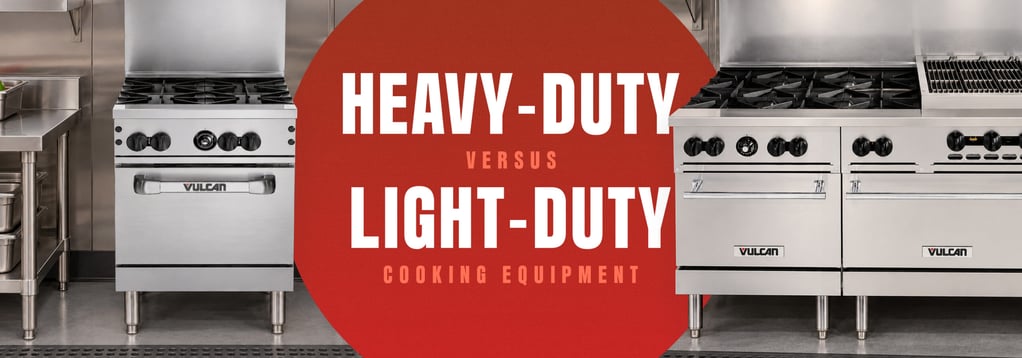
Heavy-Duty vs. Light-Duty Cooking Equipment: Choosing the Right Level for Your Kitchen
When equipping a commercial kitchen, one of the first things you need to know is what level of cooking equipment is needed for success. It's not as simple as purchasing the most powerful or least expensive model; kitchen equipment must be able to handle the workload, support the menu, and fit the available space and utilities.
For some businesses, an economical unit provides the necessary capacity to meet demand, while others require standard equipment built for steady daily production. High-volume restaurants and specialized concepts may need heavy-duty commercial cooking equipment designed for continuous use.
Understanding the differences between these three equipment levels can keep operators from underbuying equipment that cannot keep up with demand or overbuying and spending more money than necessary.
Equipment Levels at a Glance
These categories are useful starting points, but they shouldn't be treated as rigid labels. A low-volume kitchen may still need a heavy-duty fryer if it mainly serves fried foods. A high-volume operation may use a light-duty unit for a rarely ordered menu item. The equipment level required for any foodservice kitchen should be evaluated one piece at a time based on the menu, workload, and available utilities.
What Is Light-Duty Equipment?
Light-duty equipment is often the best choice when production demands are limited and predictable. It can also work well as backup equipment or at a secondary station that doesn't carry the kitchen's main workload. Suitable applications may include:
- A countertop griddle used only for breakfast sandwiches
- A small fryer in a bar with a limited appetizer menu
- A church or community kitchen serving a small number of people
- A catering operation purchasing equipment for infrequent specialty use
- A cafe with a limited food menu
Purchasing light-duty equipment can help preserve capital for operations that don't use equipment consistently over long periods. However, it also adds the risk of overworking the equipment. It's still important to confirm the commercial rating and ensure equipment is approved for the intended installation, warranty cover, and service network. Compact and countertop equipment may support a limited menu but struggle in environments with increased demand.
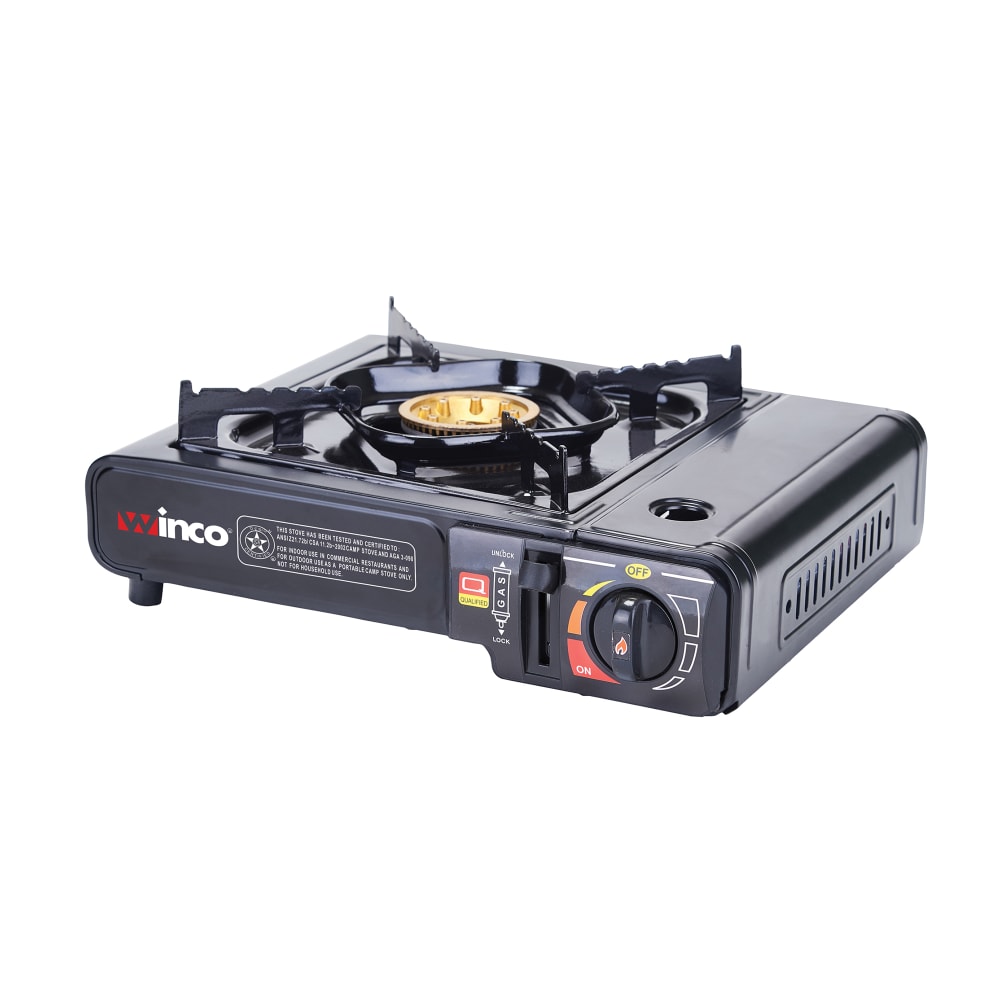
Winco Butane Stove
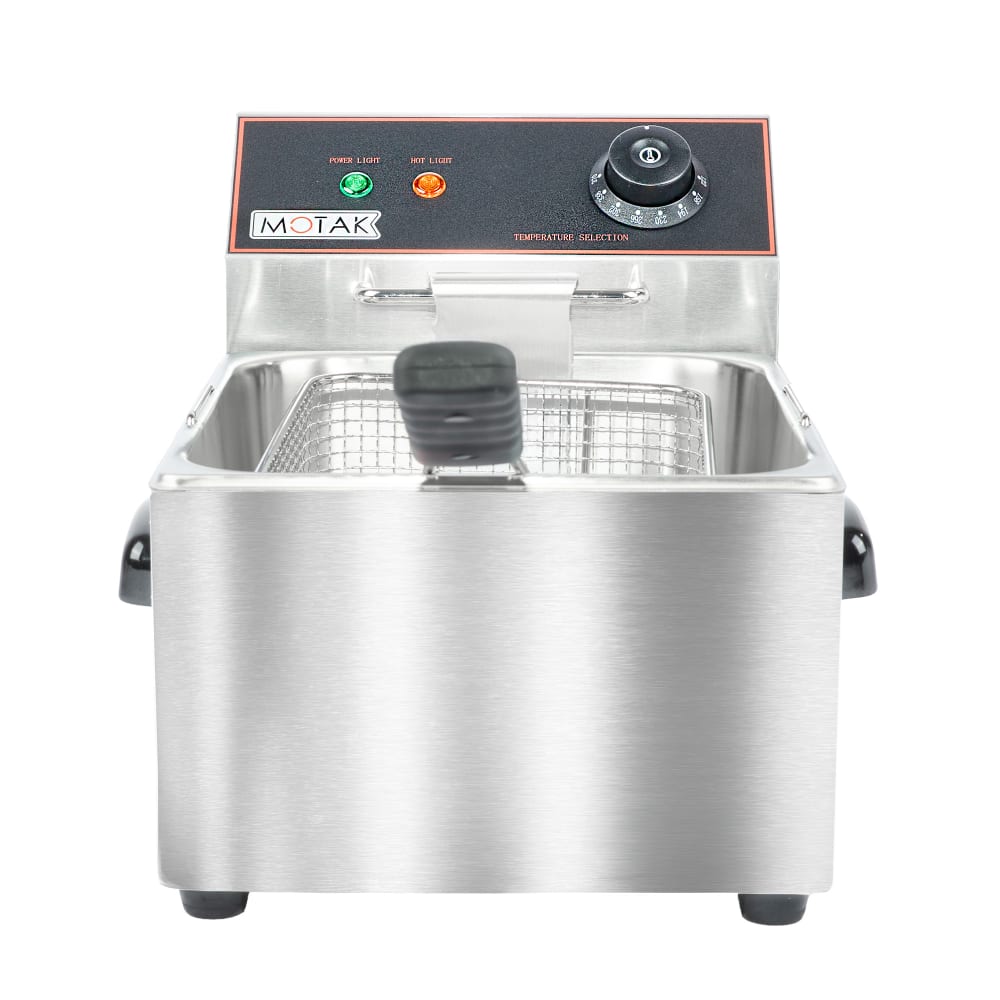
MoTak Countertop Electric Fryer
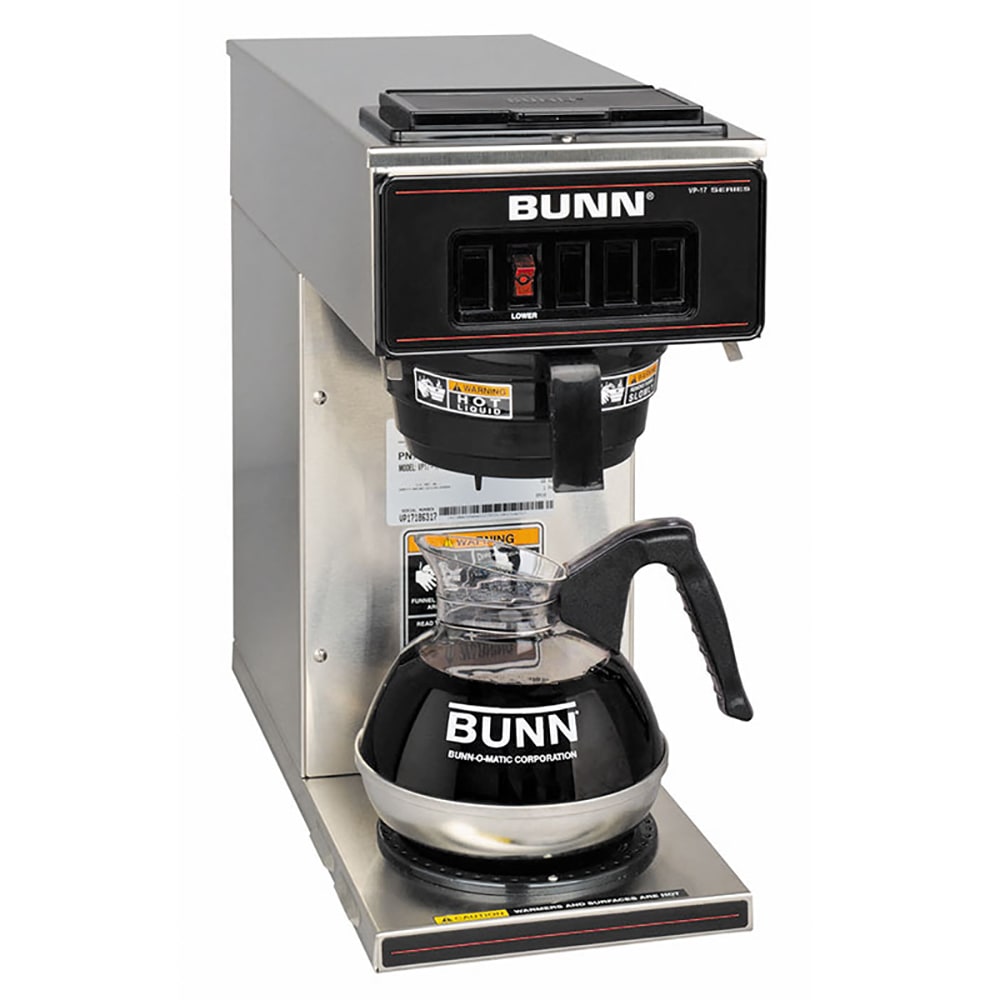
Bunn Medium Volume Decanter Coffee Maker
What Is Medium-Duty Equipment?
Medium-duty equipment occupies the middle of the market. It's designed for regular commercial use but may not have the construction, capacity, or configuration options associated with a heavy-duty line. This tier often fits operations such as:
- Standard full-service restaurants
- Neighborhood diners, bars, and grills
- School cafeterias
- Assisted-living and small healthcare facilities
- Fast-casual restaurants such as sandwich shops and pizzerias
Medium-duty equipment can be especially useful when an operation needs reliable daily performance without the cost or utility demands of heavy-duty models. Consider a restaurant that serves lunch and dinner, operates six days per week, and uses cooking equipment steadily but not continuously. A medium-duty range may provide enough burner power and oven capacity for the menu. Moving to a heavy-duty model could add capacity the restaurant rarely uses and may increase installation or operating requirements.
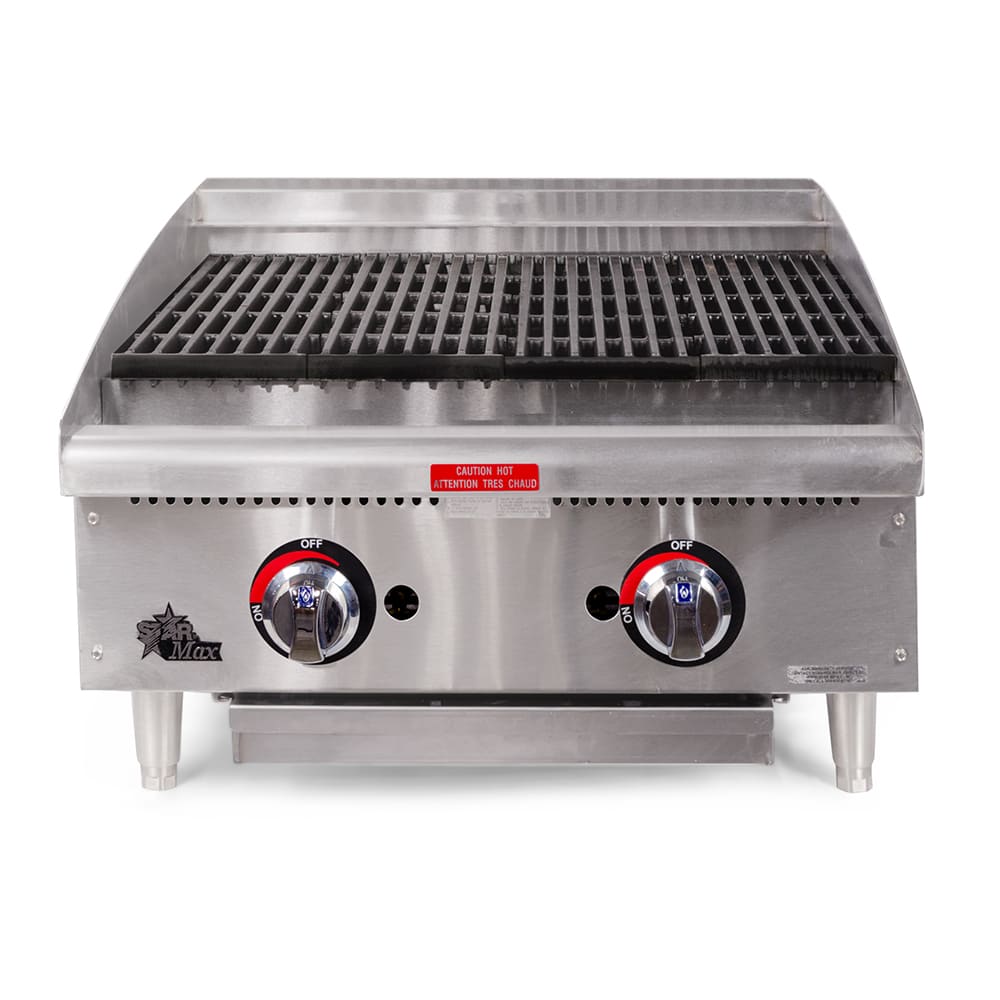
Star Charbroiler
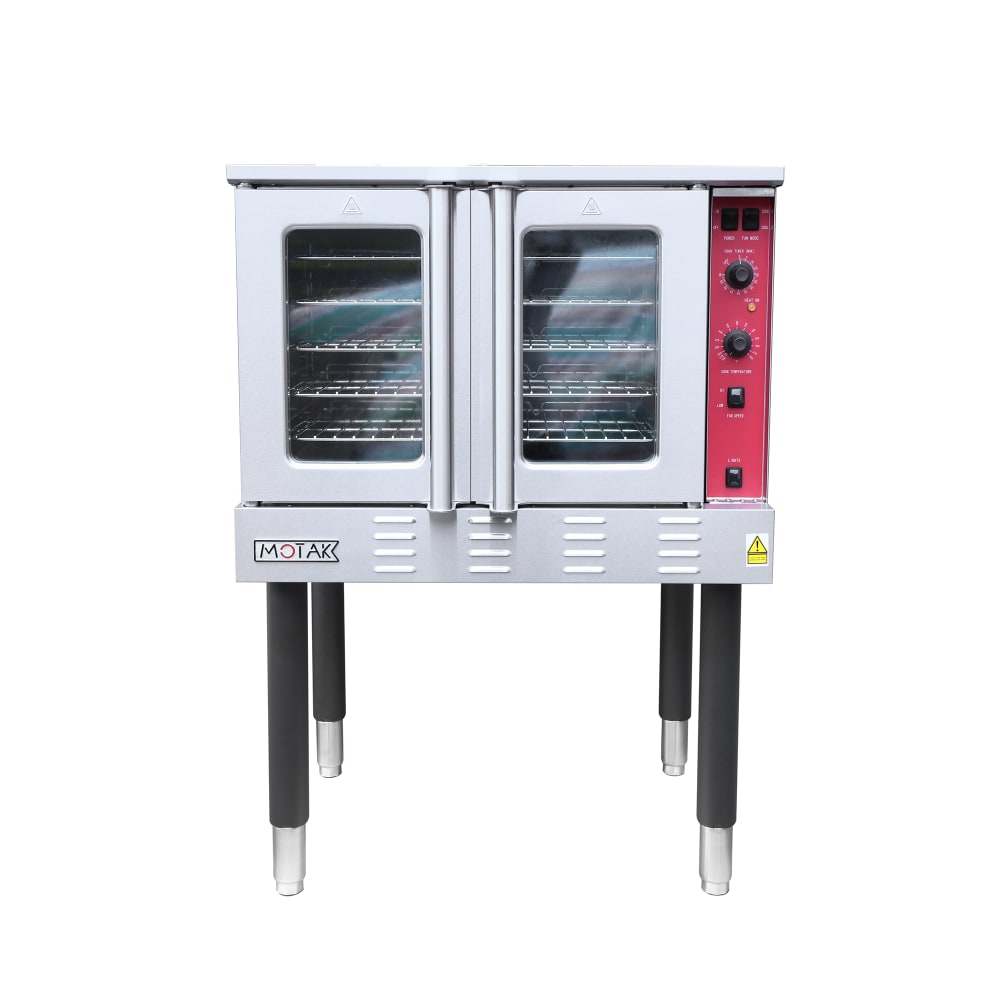
MoTak Full Size Convection Oven
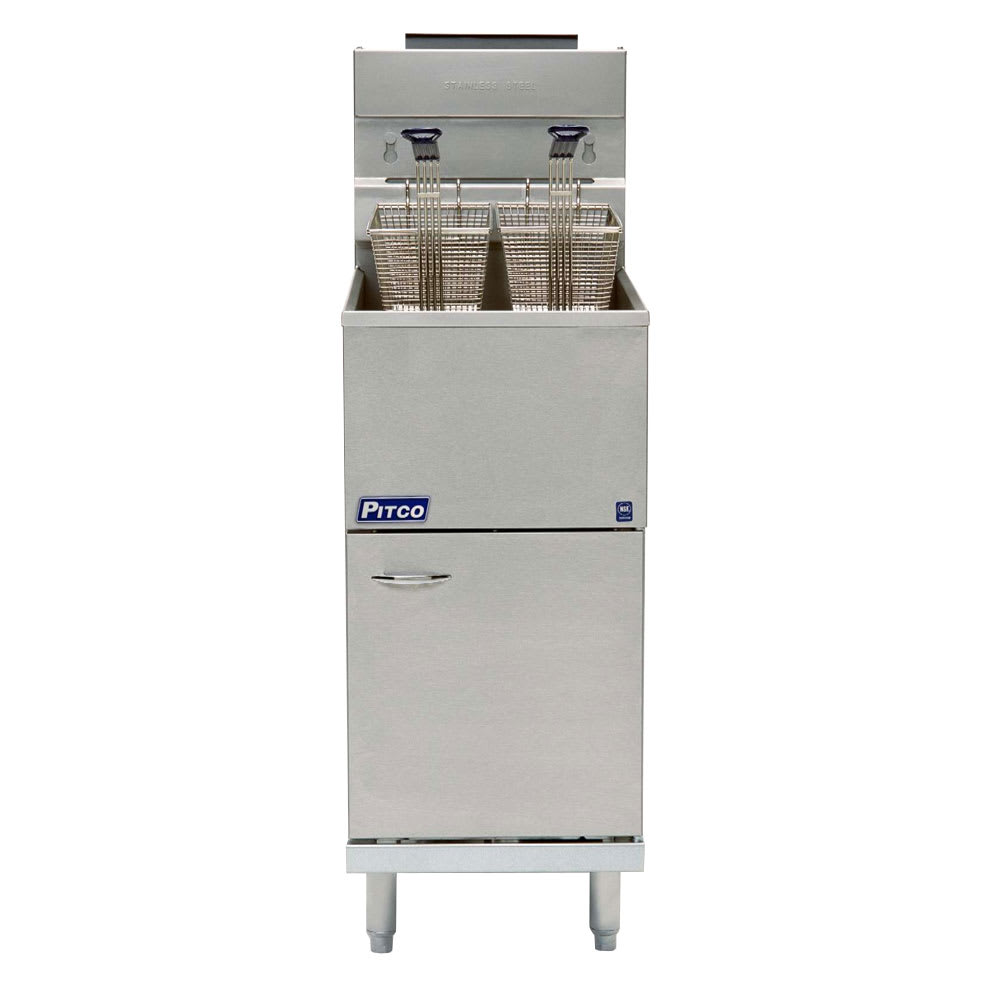
Pitco Natural Gas Fryer
What Is Heavy-Duty Equipment?
Heavy-duty equipment consists of high-performance appliances and tools designed to withstand frequent use, high heat, and large-scale food preparation. A large appliance is not necessarily a heavy-duty appliance. Heavy-duty cooking equipment is made with durable materials and engineered for demanding production environments and harsh operating conditions. Operations needing heavy-duty equipment may include:
- Large hotels and resorts
- Busy restaurants and fast-food operations
- Commissary and central production kitchens
- Correctional facilities
- Military foodservice operations
A busy burger concept, for example, may need a heavy-duty griddle because nearly every order uses it. A high-volume pizzeria may justify a more robust oven because baking performance determines product quality and ticket times. In some institutional kitchens, repeated handling, long operating hours, and demanding service conditions may justify industrial cooking equipment.
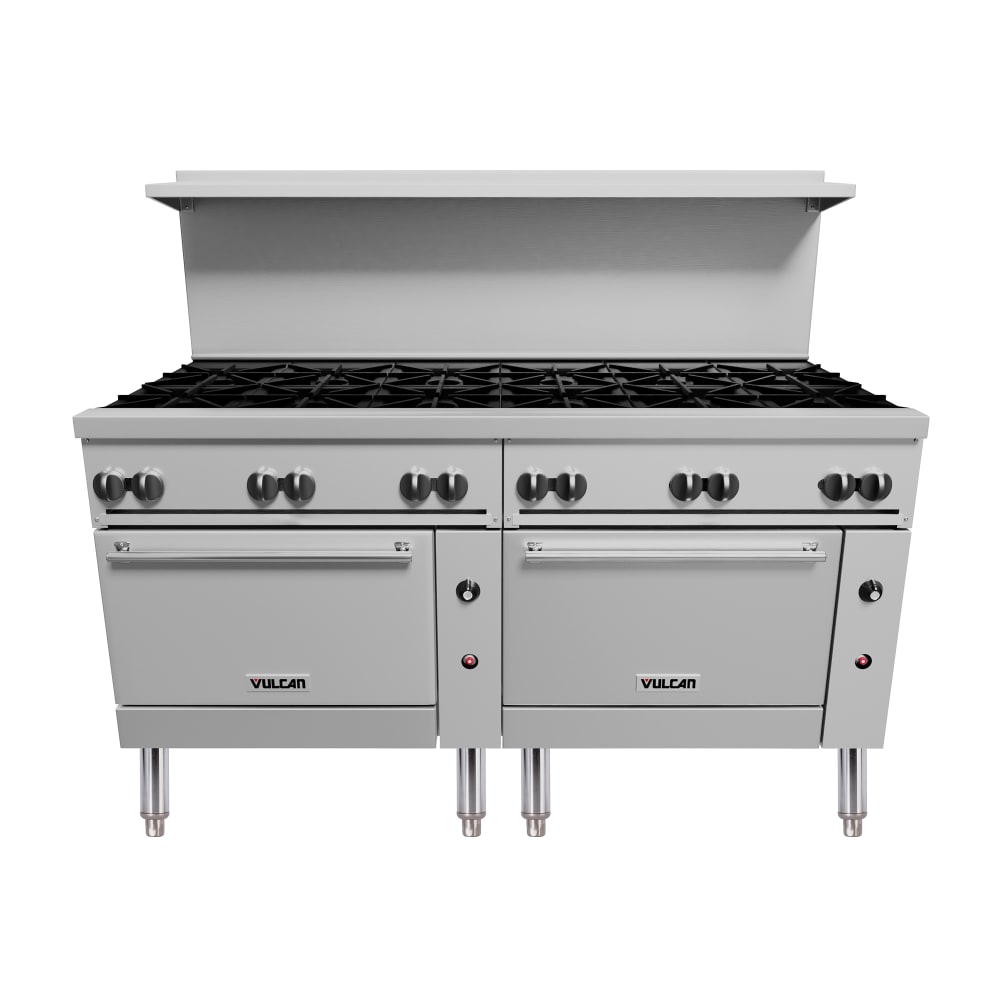
Vulcan Gas Range Oven
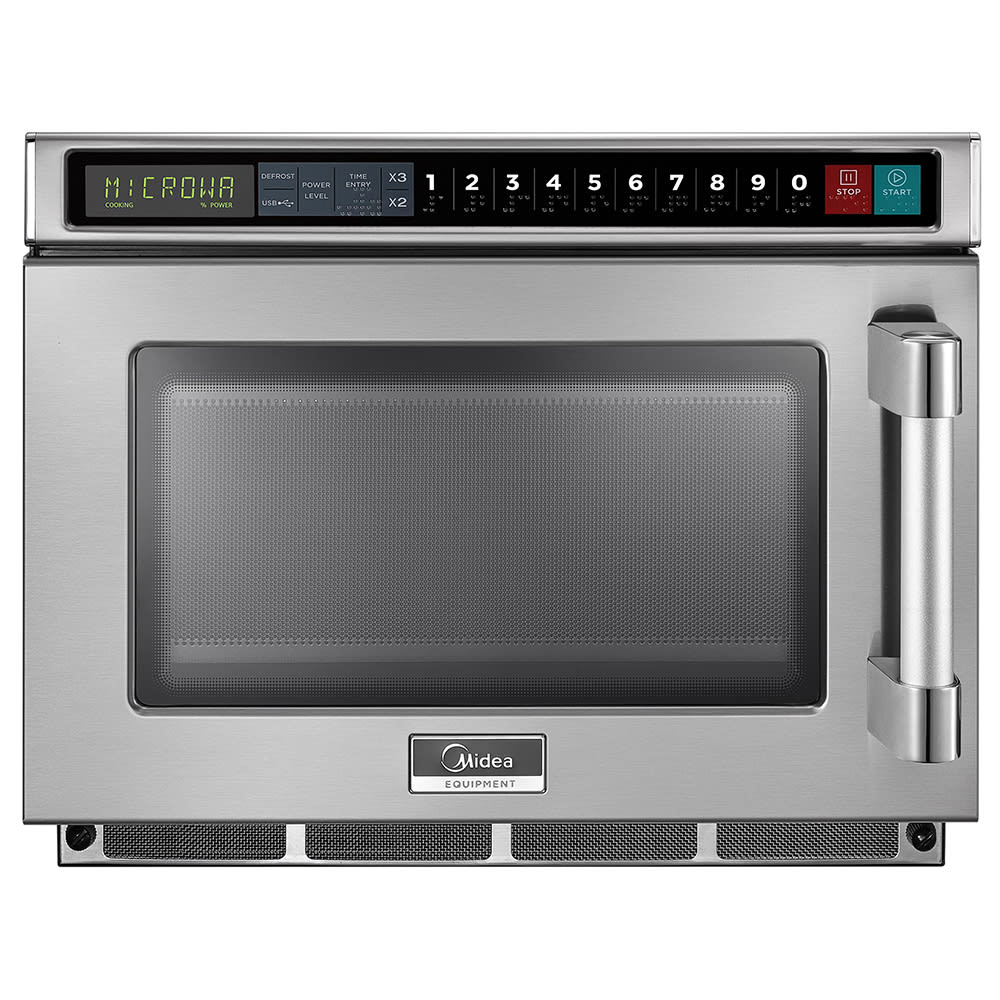
Midea Commercial Microwave
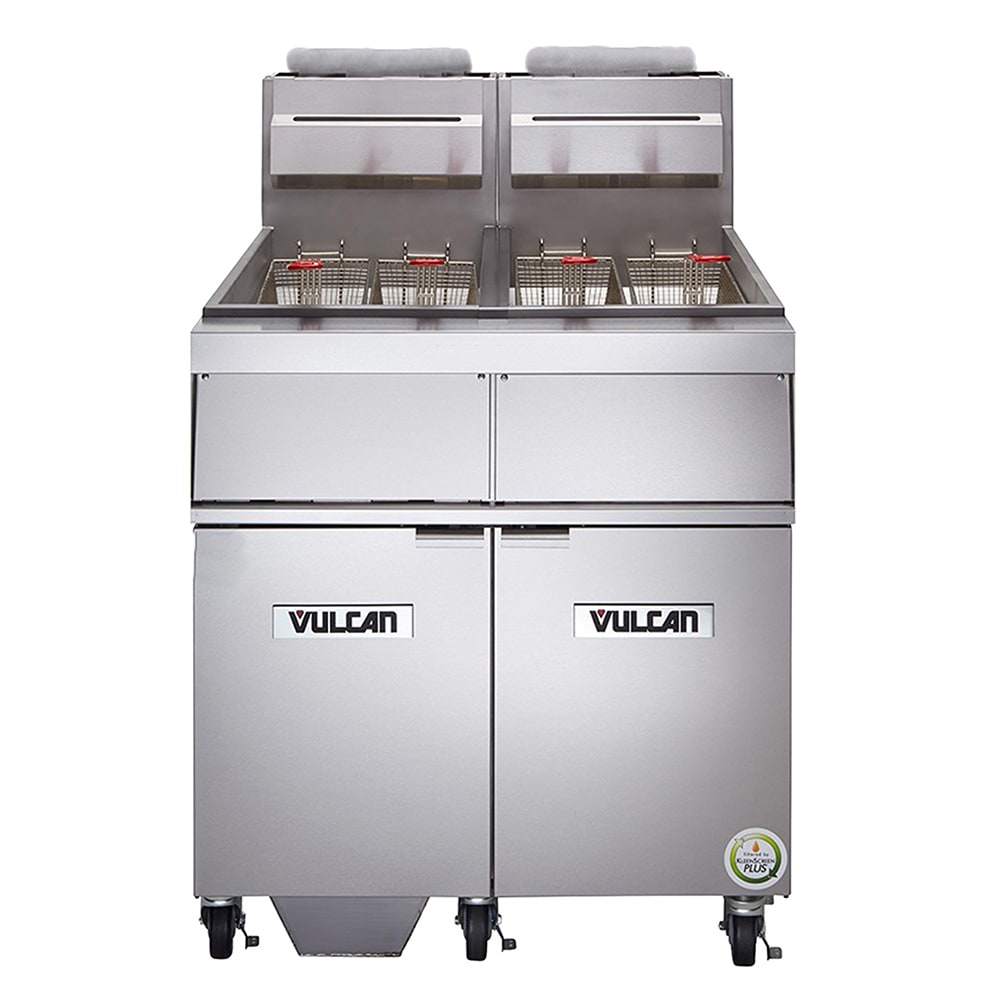
Vulcan Gas Fryer
"Heavy-duty cooking equipment can be worth the investment when the operation depends on power, durability, and consistent performance." — Vitangelo Recchia, Owner, Bella Napoli Pizzeria & Restaurant; Marra Forni Ambassador
Match the Equipment to the Menu
Menu composition can matter as much as customer count. Two restaurants serving the same number of guests may place different demands on their equipment. A restaurant offering soups, salads, sandwiches, and a few sauteed dishes may distribute production across several appliances. A steakhouse serving a similar number of guests may place intense demand on its grill. Examine the following menu-related factors:
Cooking Method
Identify which methods drive sales: frying, grilling, sauteing, baking, steaming, or roasting. Equipment supporting the main menu items may need a higher duty level than appliances used for secondary items.
Batch Size
Small, frequent batches create different demands than large batch cooking. A large batch may allow the equipment to rest after completion, while small batches may seem less labor-intensive but require constant equipment use throughout the day. Consider batch sizes and how quickly the kitchen must begin the next batch.
Product Characteristics
Frozen foods, high-moisture items, and large cookware can place substantial loads on cooking equipment. Rated capacity alone doesn't always show how quickly a unit will recover under those conditions.
Menu Breadth
A focused menu may put nearly all production through a few critical appliances. A broad menu may require more flexibility, burner arrangements, or accessory configurations.
Quality Standards
Some menus depend on exact temperature control, repeatable browning, even baking, or fast recovery. Equipment selection should account for consistency as well as capacity.
"One of the biggest mistakes operators make is choosing equipment without fully thinking through menu volume, cooking style, future needs, and available utilities." — Roxanne Holt, Sales Manager at Vulcan
Calculate Volume Using Peak Demand
Daily sales totals provide useful context, but they can hide the pressure placed on equipment during service. Suppose a restaurant sells 200 fried-food orders per day. That figure sounds manageable, but if 90 of those orders arrive during a 75-minute dinner rush, the fryer may not be able to keep up with this spike in demand. Equipment must support peak demand, recover between loads, and maintain product quality throughout the shift.
When evaluating capacity, document:
- Orders per peak hour
- Portions produced per batch
- Cooking time per batch
- Recovery time between batches
- Hours of operation
- Expected equipment utilization
Equipment should have enough capacity to handle rush periods without forcing employees to overload it or hold food longer than intended. At the same time, oversizing equipment has its own trade-offs. A more powerful unit may cost more to purchase, install, operate, and maintain. It may also take up extra kitchen space in smaller operations. The objective is not maximum capacity, but sufficient capacity with a reasonable operating cushion.
Confirm Utility Availability
Available utilities can limit equipment choices. Heavy-duty models may require more gas, higher electrical loads, larger connections, or additional ventilation capacity. A high-output appliance cannot deliver its intended performance if the building doesn't supply the required utilities. Before specifying equipment, verify:
- Gas type and supply pressure
- Available BTU capacity
- Voltage, phase, and amperage
- Receptacle and hardwiring requirements
- Water and drain connections
- Hood dimensions and exhaust capacity
- Local installation requirements and regulations
Plan for Growth Without Buying Unnecessary Capacity
Equipment should meet current requirements, but it shouldn't lock the operation into the current menu or volume. Purchasing decisions should account for larger batch sizes, new menu items, and extended operating hours so future growth will not create bottlenecks. Buying one level above current needs can make sense when growth is supported by a clear operational plan. Buying substantially more capacity based on a vague possibility may tie up capital and increase operating costs without producing a meaningful return.
Flexibility may also come from configuration rather than raw power. Interchangeable cooktops, modular bases, and ovens with multiple cooking modes can help a cooking line evolve with the menu.
"Operators should think beyond what they need today. Flexibility and volume are two of the most important factors to consider when planning a commercial cooking lineup." — Roxanne Holt
Determine Total Cost of Ownership
Initial price is easy to compare. Long-term value requires a broader calculation. Total cost of ownership typically involves:
- Purchase price
- Freight and installation
- Utility upgrades
- Energy use
- Preventive maintenance
- Replacement parts
- Expected service life
A model from an economy restaurant supply line may have the lowest total cost when it supports a light workload for many years. A heavy-duty unit may offer better value when an appliance is central to production and must withstand continuous use. It's also important to review warranty length, coverage, and exclusions.
"Durability, performance, and configurability all matter when operators are comparing brands because the right equipment can support a lower total cost of ownership over time." — Roxanne Holt
Apply the Decision to Each Equipment Category
Practical Buying Test
Before selecting a model, answer these five questions:
- How hard will this appliance work during the busiest service period?
- How much of the menu depends on it?
- What happens to service if it slows down or stops working?
- Do the building's utilities support it?
- Will it still meet the operation's needs after planned growth or menu changes?
Shop KaTom for Light-, Medium-, and Heavy-Duty Kitchen Equipment
KaTom offers light-, medium-, and heavy-duty equipment for kitchens operating at different levels. Check out KaTom's catalog to find reliable equipment for your operation at competitive prices.
Shop Now


