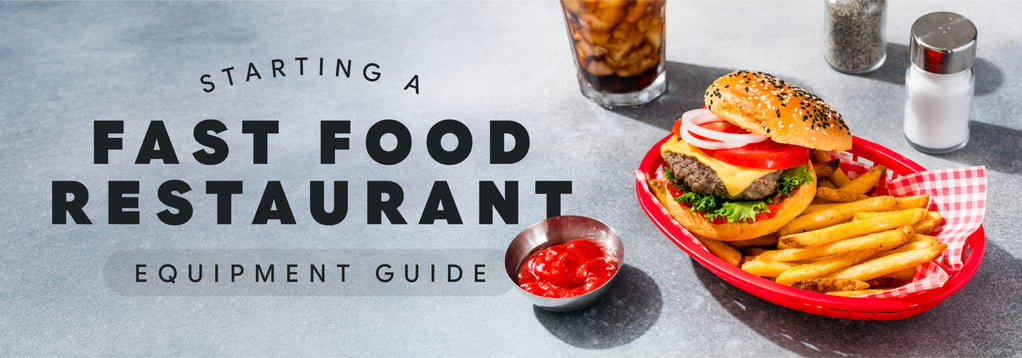
How to Start a Fast Food Restaurant
The U.S. fast food market reached a value of over $221 billion in 2025 and is projected to continue rising over the next decade.1 Experts attribute this growth to advancements in AI systems for processing orders and managing kitchens, as well as the introduction of limited-time releases and deals that temporarily boost sales.
Opening a fast food restaurant starts with a defined menu and budget, a workable location, and equipment that can handle the busiest service period. Set the menu and estimate peak orders before buying equipment so the cooking line, beverage station, and pickup area support the same operating plan.
In this article, we'll explain how to start a fast food restaurant, from choosing a concept and researching locations to developing a business plan, estimating costs, purchasing equipment, and preparing for opening day.
Already planning your space?
Talk to a KaTom Foodservice Equipment Specialist about product selection, sizing, utilities, and layout.
Contact UsKey Takeaways
- Your concept and menu should drive your equipment and supplies list, not the other way around
- Use the busiest hour to size fryers, griddles, beverage equipment, ice machines, and assembly space
- Determine how ingredients move through storage, prep, cooking, holding, and pickup before setting the kitchen layout
- Confirm electrical service, gas, water, drainage, ventilation, and equipment access before ordering major units
- Budget for startup costs plus working capital needed after opening
- Use a soft opening to test recipes, staff, and service flow
Fast Food Startup Planning at a Glance
1. Decide What Type of Fast Food Restaurant to Open
Different concepts call for different types of supplies, equipment, and service features. A fast food restaurant could serve burgers, fried chicken, or tacos, each calling for different equipment and supplies. Choose setups that support your operation and service style.
Before choosing equipment, answer the following questions:
- Who are the target customers?
- How many orders will staff serve during peak periods?
- Which items will customers order most often?
- How many customers should the building accommodate?
- How many employees will work during peak service?
- What operational features will distinguish the business from nearby competitors?
Not sure what equipment or supplies your concept requires? Talk to a KaTom specialist before finalizing the equipment list.
2. Research Your Market & Evaluate Locations
Market research helps determine whether the area can support your concept, and location evaluation determines whether the building can accommodate the equipment and supplies your operation requires. Study nearby restaurants to compare menus, prices, and service styles, then develop a concept that can attract enough guests at a price the business can support.
Evaluating a new space? KaTom Design + Build can help assess equipment layout and site requirements before you make major purchasing decisions.
3. Create Your Fast Food Business Plan
The business plan outlines how the restaurant will sell, prepare, and deliver its menu at the expected volume. It also estimates equipment capacity, labor requirements, and ingredient use. Use your business plan to answer the following questions:
4. Estimate Fast Food Restaurant Startup Costs
Startup costs vary widely by location, menu, seating options, and supply needs. Instead of relying on a broad national average, build the budget by category and separate one-time opening expenses from recurring costs.
5. Fund Your Fast Food Restaurant
Funding should cover construction, supplies, equipment, installation, preopening payroll, initial inventory, and a defined period of operating expenses. Common funding sources include:
- Owner capital
- Business partners
- Commercial loans or SBA-backed loans
- Investors
- Equipment financing or leasing, where appropriate
6. Register the Business & Secure Licenses
Business and license requirements vary by jurisdiction and may include:
- Business registration
- Federal tax identification number
- State and local tax registration
- Commercial insurance
- Health department approval
- Certificate of occupancy
- Fire inspection
- Foodservice permit
- Building permits
- Sign permits
Confirm the current requirements with the agencies overseeing the specific site before construction or equipment installation.
7. Finalize the Menu & Supplier Plan
Determine the menu, then select equipment and supplies that support it. Identify each item's ingredients, preparation steps, cooking time, holding limits, packaging, and estimated peak demand, then confirm supplier delivery schedules and the inventory the restaurant must store between deliveries.
8. Design the Layout for an Efficient Workflow
An efficient workflow follows the natural order of food or drink preparation. A burger, for instance, should move naturally from the grill to the prep station to the order counter. A typical fast food workflow may look like this:
- 1 Receiving ingredients
- 2 Prepping
- 3 Cooking
- 4 Holding
- 5 Packaging
- 6 Serving
Position frequently used ingredients close to relevant stations and ensure the workflow suits your menu. A burger will be cooked and then prepared, while a pizza will be prepared and then baked. Test your kitchen to determine the best path for ordered menu items to move through.
Need help creating a workable layout?
KaTom's Design + Build team provides professional expertise and design tools to plan equipment placement around your menu and service model.
Request a Quote9. Build the Equipment List
Deep Fryers — Size for Peak Demand
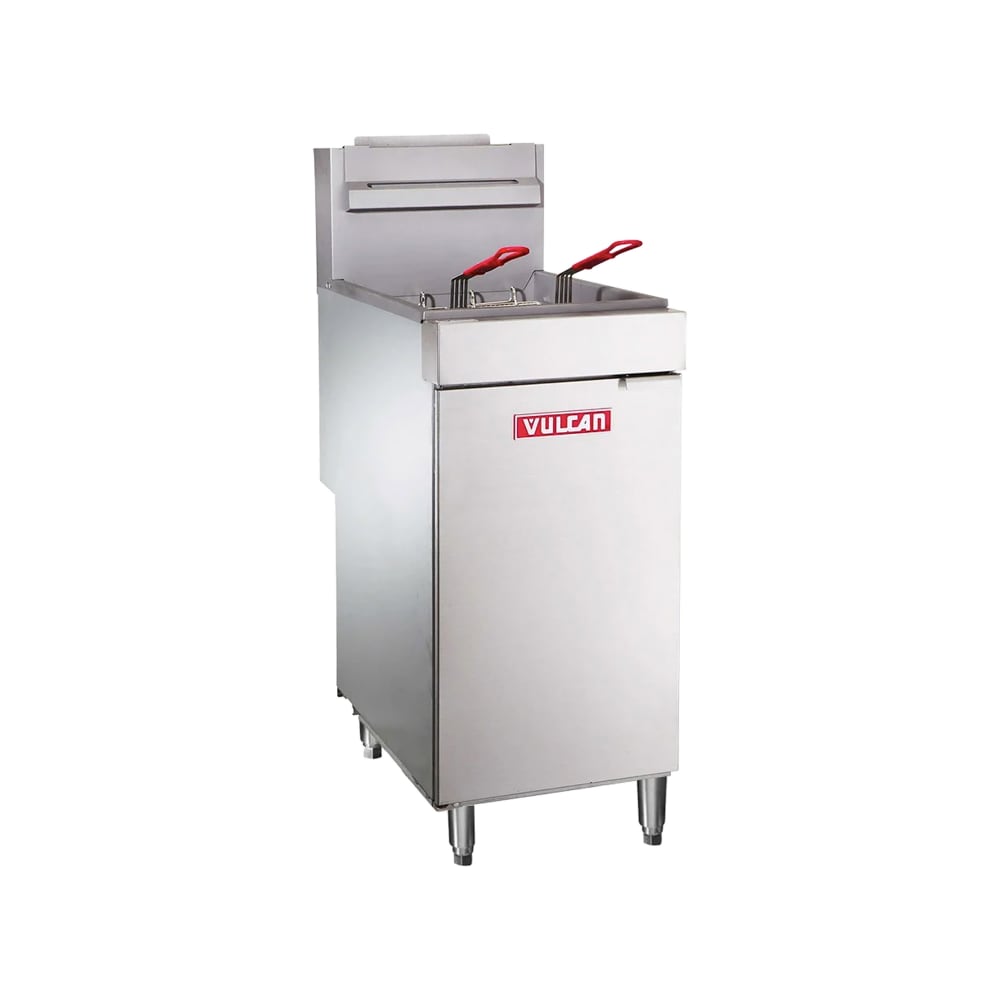
Size fryers on peak output rather than average demand. For example, if a restaurant expects to serve 100 orders of fries over four hours, with 50 orders needed during the busiest hour, the fryer must have enough capacity to keep up with the demand without slowing service. Choose fryers based on:
- Fried portions needed during peak demand
- Batch size, cooking time, and recovery between orders
- Frypot design and the amount of sediment the food produces
- Gas or electric service, ventilation needs, and available floor space
- Oil filtration, draining, and cleaning requirements
For additional help determining the best fryer for your operation, check out KaTom's commercial fryer buyer's guide.
Griddles — Count Simultaneous Portions
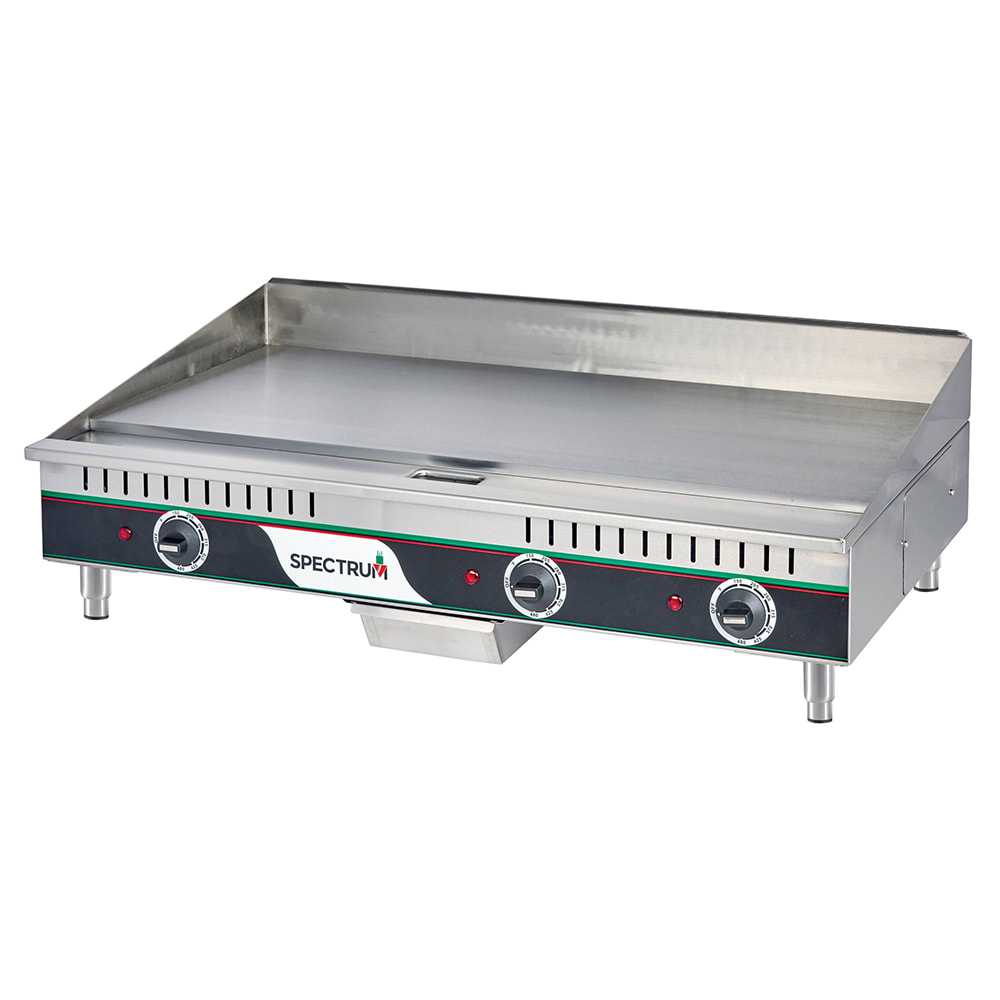
Griddles can be used to cook burger patties, bacon, eggs, sandwiches, and pancakes. Estimate how many items must be cooked at the same time, then account for turning space and separate cooking zones. Plate width and depth determine available cooking space, while plate thickness and controls influence heat retention and temperature adjustment. Consider the following:
- Number and size of items cooked at the same time
- Usable plate width and depth
- Plate thickness and heat recovery
- Manual or thermostatic controls
- Fuel, ventilation, grease management, and cleaning access
KaTom's article on choosing the right commercial griddle explains these selection factors in more detail.
Pizza Ovens — Determine Peak Hourly Demand
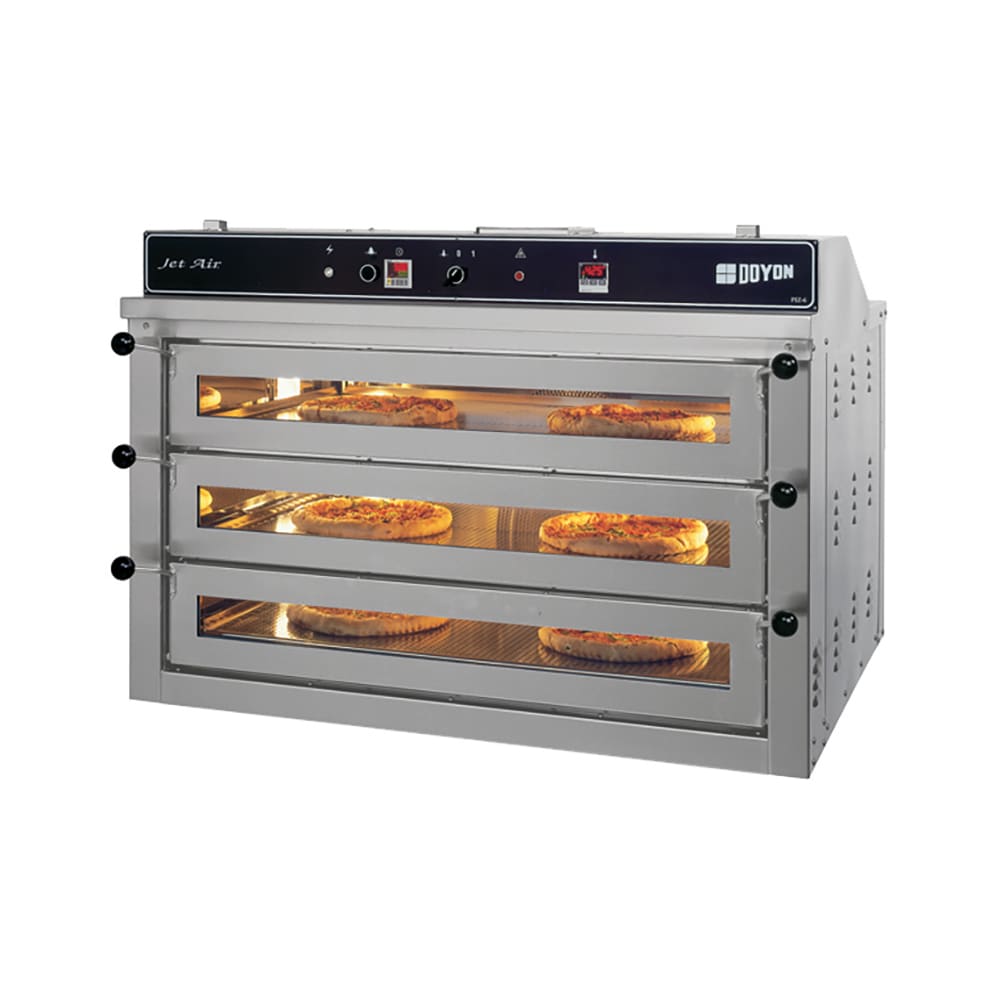
A pizzeria needs an oven that produces enough pies to keep up with peak demand. Conveyor, deck, and countertop ovens differ in capacity and space requirements. Match the oven to pizza size and menu volume before designing the surrounding prep and boxing stations. Choose pizza ovens based on:
- Pizzas needed per hour and the largest pizza size
- Conveyor, deck, or countertop configuration
- Bake time and space for loading and unloading
- Gas or electrical requirements and ventilation
- Space for dough preparation, ingredient storage, and boxing
For additional information on sizing a pizza oven, see KaTom's article on pizza oven sizes.
Refrigeration — Match Storage to Delivery Frequency
A walk-in cooler can support larger inventories and batch prep, while reach-ins and refrigerated prep tables keep frequently used ingredients near staff. A smaller fast-food restaurant with frequent deliveries may have enough storage without needing a walk-in cooler or freezer. Base refrigeration needs on:
- Peak inventory after deliveries
- Cold and frozen storage needs
- Shelving space and access for staff
- Door swing direction, entry clearance, and floor conditions
- Condenser location, ventilation, drainage, and installation access
KaTom's commercial refrigeration buyers' guide provides additional help for operations selecting refrigeration equipment.

Beverage Equipment — Determine Needs Based on Beverage Menu
The drink station must keep pace with food production and order handoff. Fountain drinks, coffee, and other beverages have different equipment and storage needs. Place cups, lids, and straws where staff can reach them without blocking pickup. Determine the following:
- Drinks sold during the busiest hour
- Fountain, bottled, or prepared beverage service
- Water and electrical requirements
- Counter space and access for restocking
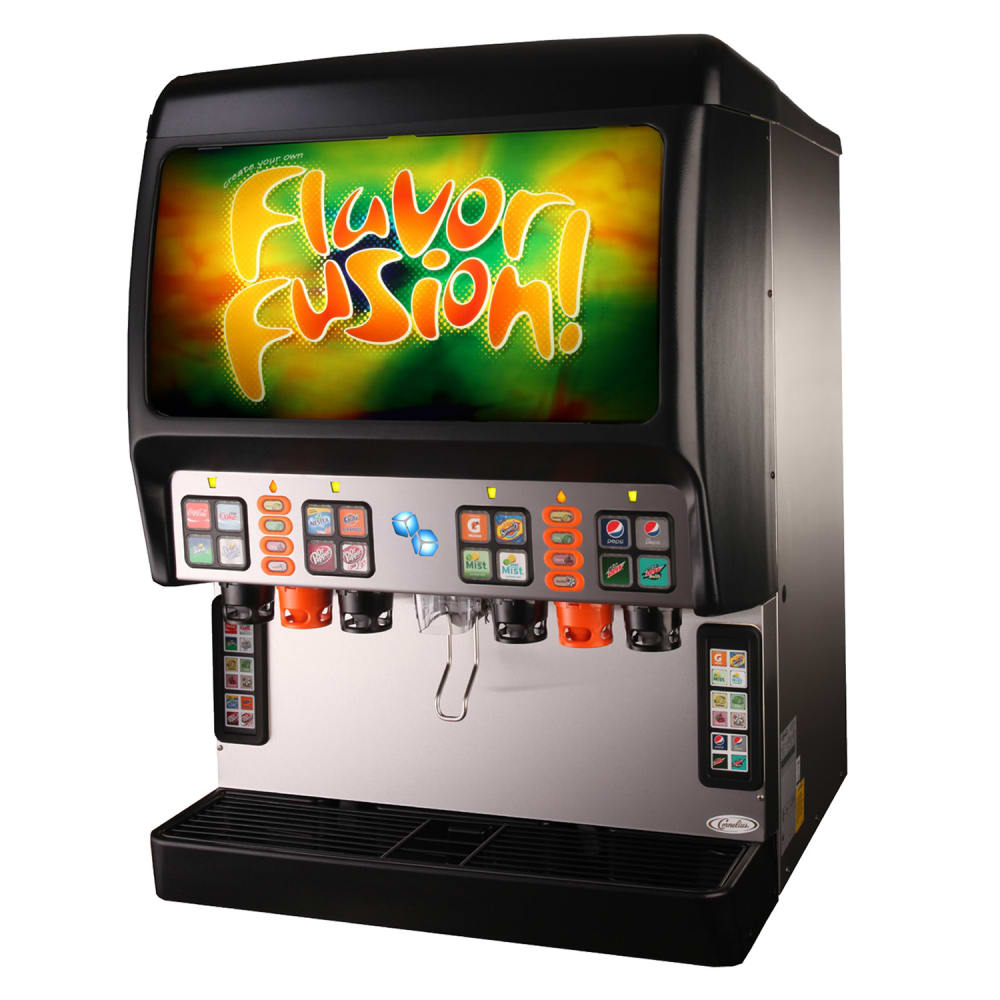
Ice Machines — Estimate Ice Needs for Drinks and Food Production
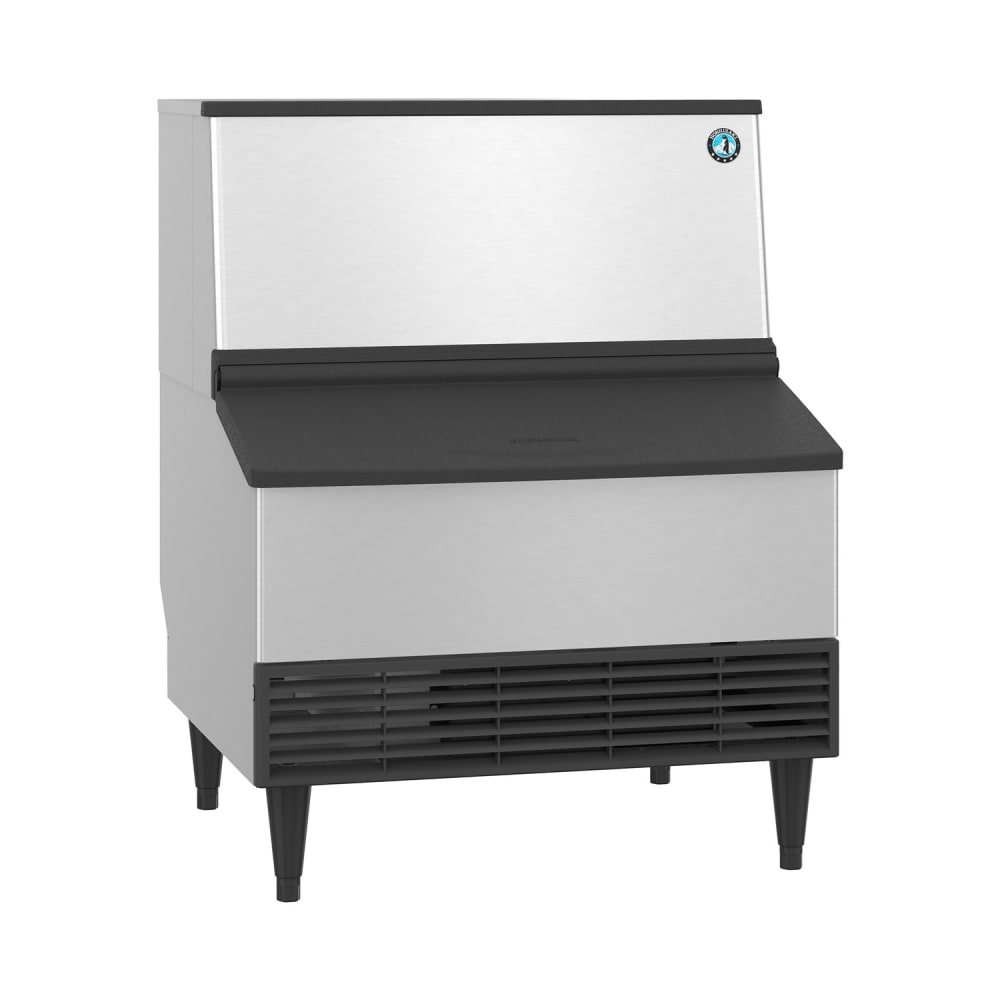
Estimate ice consumption for beverages and food prep, then compare it with the machine's daily production and bin storage. Even a machine that produces enough ice per day may still fall short during peak hours if the bin can't store enough ice to meet the demand. Determine the following:
- Drinks served during peak hours and ice used per drink
- Ice type and dispenser compatibility
- Daily production and bin capacity
- Water quality, filtration, drainage, and condenser clearance
KaTom's commercial ice machine buyers' guide explains ice types and machine configurations.
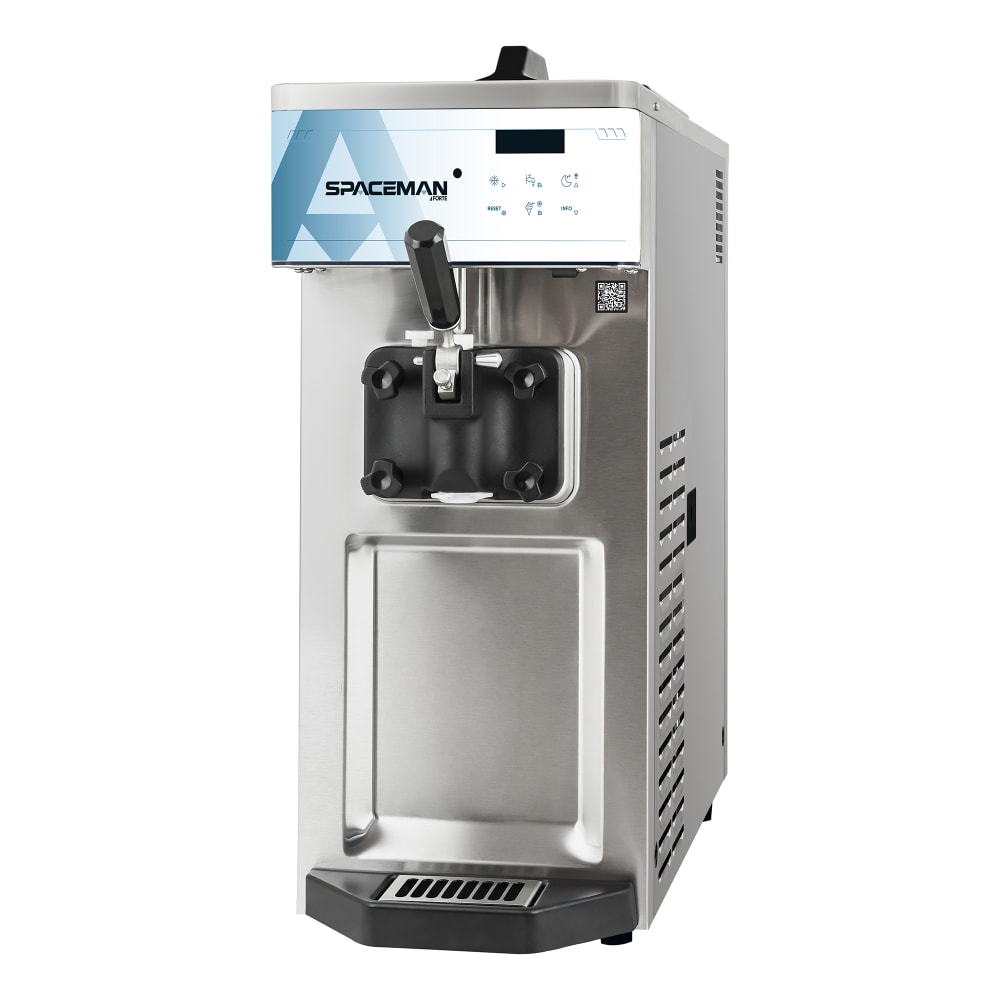
Ice Cream Makers — Match to Volume and Storage Needs
Soft-serve, gelato, frozen yogurt, custard, and sorbet machines must produce enough servings to keep up with peak demand. Compare the planned flavors and serving sizes with hopper capacity, machine output, and available space for mix storage. Determine these factors:
- Servings needed during peak demand
- Number of flavors offered and availability of a twist option
- Mix capacity and refrigerated mix storage
- Countertop or floor footprint and ventilation clearance
- Dispensing, disassembly, and cleaning requirements
KaTom's article on the best commercial ice cream machines provides helpful information for operations choosing an ice cream machine.
Vegetable Slicers — Compare Sizes and Blade Styles
A vegetable slicer can reduce repetitive prep when staff cut large amounts of produce each day. Choose a slicer based on produce volume. Account for setup and washing time when comparing it with manual slicing. To find the slicer suited for your operation, compare:
- Slice thickness and other required cuts
- Blade changes and replacement parts
- Counter space, operator training, and cleaning time

Condiment Pumps — Store and Dispense Toppings
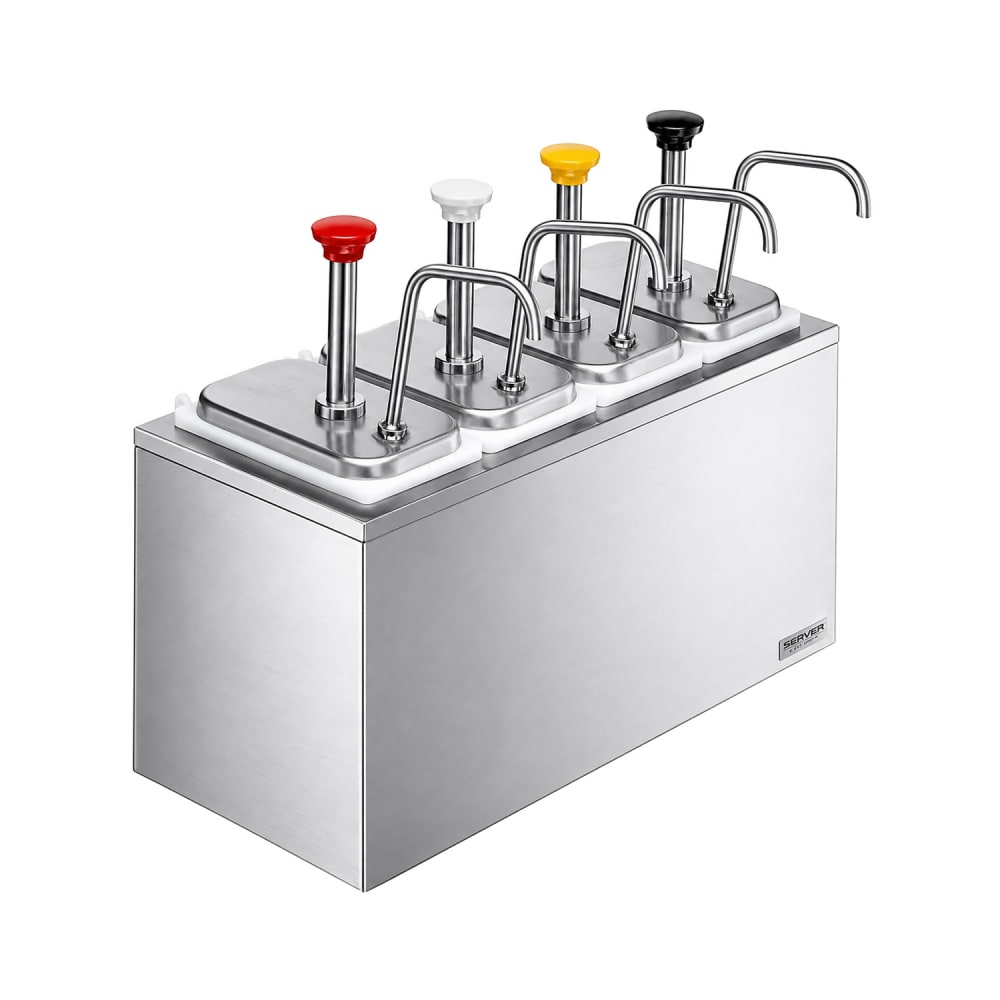
Condiment pumps help staff dispense consistent portions at an assembly station or give guests access to sauces at a self-service area. The product type, serving method, and refill frequency influence dispenser selection. Compare the following:
- Sauce thickness and compatibility
- Kitchen or customer-facing placement
- Container capacity and refill method
- Disassembly, cleaning, and access to replacement parts
See KaTom's article on choosing condiment dispensers for restaurants and foodservice for additional information.
Where to Spend vs. Where to Save on Fast Food Supplies
A higher price doesn't necessarily make a piece of equipment the best choice for your operation. Consider capacity and features that keep the core menu moving during peak service. For equipment that supports occasional items, compare a smaller unit against expected demand.
Don't Order Until You Know
Finalize the menu, estimate peak-hour demand, and document the site's requirements before ordering major equipment. Know the following before buying:
- Portions needed during the busiest service period
- Batch size, cooking time, and recovery between batches
- Equipment dimensions and utility requirements
- Refrigerated and dry storage available between deliveries
- Pan, tray, cup, container, and accessory compatibility
- Available counter, drawer, shelf, and refrigerated space
Not sure whether a unit will work in your space? Ask a KaTom equipment specialist before ordering.
10. Set up Inventory, Technology, & Operating Systems
A fast food restaurant needs systems for tracking production and service. Establish procedures for receiving, storage, counting, and maintenance, along with reorder points, before opening.
11. Hire & Train Staff
Staffing should reflect the menu and number of roles required for the kitchen to operate effectively during peak service. A drive-thru may need dedicated staff for taking orders and handing off food during busy periods, while a pizzeria may need staff assigned to dough preparation, oven operation, and cutting and boxing. Assign people to stations based on the busiest period. Common roles include:
- Ingredient prep
- Fryer, griddle, or pizza cook
- Order assembly and packaging staff
- Counter or drive-thru staff
- Expeditor or pickup coordinator
- Dishwasher or cleaning staff
- Shift manager
Training should cover:
- Recipes, portions, and order accuracy
- POS system and handling online orders
- Safe operation of equipment
- Food safety, temperature monitoring, and allergen procedures
- Station setup and ingredient replenishment
- Packaging and handoff for dine-in, pickup, drive-thru, and delivery
- Cleaning, equipment shutdown, and closing tasks
12. Market the Fast Food Restaurant & Prepare for Opening
Build awareness before the grand opening by promoting the concept, location, menu, hours, and opening date. Use a soft opening to let staff practice food preparation and service flow before serving the public. Provide the following:
- A website with accurate contact, hours, menu, location, and parking information
- A Google Business Profile and other local business listings
- Social media profiles
- Menu and location photography
- Local partnerships and community outreach
- Opening-date promotion
- Email and SMS marketing, where appropriate
Host a Soft Opening
Serve a controlled number of guests and track ticket times from order entry to handoff. Monitor fryer and griddle recovery times, beverage and ice supply, packaging inventory, cold storage accessibility, pickup wait times, and station-to-station communication. Evaluate the following during the soft opening:
- Production speed
- Inventory levels
- Ambience and cleanliness
- Equipment performance
- Water and drain performance
- POS and payment speed
- Staff communication
- Storage
Record each bottleneck, assign a corrective action, and repeat the test where necessary before the grand opening.
Fast Food Restaurant Opening Checklist
Ready to Build Your Fast Food Equipment List?
KaTom can help operators compare fryers, griddles, refrigeration, beverage and ice equipment, dessert machines, prep tools, and service supplies based on volume, space, and workflow requirements. Choose equipment that supports the way the operation stores, prepares, and serves food and drinks during peak periods.
Frequently Asked Questions About Opening a Fast Food Restaurant
Does a fast food restaurant need a walk-in cooler?
Not always. Compare the maximum cold inventory held between deliveries with the capacity of reach-ins and refrigerated prep tables to determine if cold storage is sufficient without a walk-in.
How much does it cost to open a fast food restaurant?
The startup costs for a fast food restaurant in the U.S. can vary widely from $200,000 to $2,000,000, with the exact figure depending on location, size, construction, licensing requirements, and whether the operation is independent or part of a franchise.2
What size ice machine does a fast food restaurant need?
Estimate ice used during peak demand periods, then compare daily production and bin capacity. Confirm the ice machine's water, drain, filtration, and ventilation requirements to ensure utility needs can be supported.
What supplies need backup stock during a rush?
Keep backup cups, lids, containers, bags, napkins, condiments, and other frequently used items close to their service stations. Set reorder points based on peak demand and the time between supplier deliveries.
References
- United States Fast Food Market Size, Share and Outlook - Growth Analysis Report and Forecast Trends (2026-2035). Expert Market Research. Accessed November 2026.
- Startup costs for a fast food restaurant. BusinessDojo. Accessed November 2026.
