Seafood Supplies Startup Guide
The U.S. market for seafood has been on the rise for years and is valued at $58.81 billion as of 2026.1 With continued growth projected in upcoming years, the market may present opportunities for new seafood restaurants and oyster bars. However, competing in today's market requires clear operational goals and the equipment needed to meet them.
Opening a seafood restaurant requires choosing a clear concept, planning the menu and supplier program, sizing cold storage and ice around peak demand, and outfitting the kitchen for receiving, prep, cooking, service, and cleanup. Finalize production volume, storage needs, available space, and utility requirements before ordering seafood supplies so each purchase supports safe handling, efficient workflow, and consistent service.
Already planning your space? Talk to a KaTom equipment specialist about refrigeration, ice machines, storage, and layout.
Key Takeaways
- Your concept and menu should drive your equipment list, not the other way around
- Size refrigeration, ice, prep space, and warewashing for peak demand rather than average daily volume
- Fresh seafood, frozen seafood, and raw shellfish have different storage and handling requirements
- Evaluate electrical, plumbing, drainage, ventilation, equipment clearances, and delivery access before signing a lease or ordering major equipment
- Separate the needs of the kitchen, raw bar, seafood display, and beverage bar when choosing an ice machine
- Use a soft opening to test staff, cook times, ice recovery, warewashing turnaround, and service flow before the grand opening
Seafood Startup Planning at a Glance
1. Decide What Type of Seafood Restaurant to Open
The seafood concept determines equipment, storage, and service-flow needs. A restaurant focused on fried fish baskets may need a high-volume fry line and breading station, while a raw oyster bar may need display ice, shellfish storage, shucking tools, and a tight cold-prep workflow.
Before ordering equipment, ask the following questions:
- Which seafood items will drive sales?
- How much product must be stored between deliveries?
- Will the restaurant serve raw shellfish, live seafood, or frozen seafood?
- Will alcohol be served?
- How many guests should the kitchen support during peak service?
- How many staff members will work the line, prep area, raw bar, and dish area during peak periods?
- What operational feature will distinguish the restaurant from nearby seafood competitors?
Not sure what equipment your concept requires? Talk to a KaTom specialist before finalizing the equipment list.
2. Research Your Market and Evaluate Locations
Market research helps confirm demand, while site evaluation determines whether the location can support needed storage, prep, cooking, and display equipment. Seafood restaurants can place significant demands on refrigeration, ice production, drainage, ventilation, receiving, and waste handling, so the building must be carefully evaluated.
Evaluating a new space? KaTom Design + Build can help assess equipment layout and site requirements before you make major purchasing decisions.
3. Create a Business Plan
A seafood restaurant business plan should connect the concept, menu, supplier strategy, equipment, staffing, and budget into a unified operational plan. The plan should explain how your operation will receive, store, prep, cook, serve, and clean up seafood during regular and peak periods.
4. Estimate Seafood Restaurant Startup Costs
Seafood startup costs vary by concept, location, market, and equipment needs. Estimates should include labor, technology, and marketing costs.
5. Fund Your Seafood Restaurant
Funding should cover construction, equipment, opening inventory, licenses, staff training, and working capital after opening. Seafood operations can require substantial early investment in inventory and refrigeration, so the budget should account for cold storage, ice, supplier minimums, and replacement inventory during the opening period. Common funding sources include:
- Owner capital
- Business partners
- Commercial or SBA-backed lending
- Investors
- Equipment financing or leasing, where appropriate
6. Register the Business and Secure Licenses
Seafood restaurants must meet equipment, building, and health department requirements before opening. The U.S. Food and Drug Administration (FDA) Food Code is a model offered for adoption by state, local, tribal, and territorial governments rather than a single federal foodservice law, so confirm current rules with the appropriate agencies and qualified professionals. Common requirements may include:
- Business registration
- Federal tax identification
- Sales tax registration
- Foodservice permits
- Health department approval
- Certificate of occupancy
- Fire inspection
- Building permits
- Sign permits
- Alcohol licensing, if serving beer, wine, or spirits
- Grease interceptor or waste requirements, where applicable
- Food manager certification
- Local approval for raw seafood, sushi, shellfish, and live tanks
Requirements vary by jurisdiction. Confirm current rules, fees, application requirements, inspections, and food-safety procedures directly with the appropriate federal, state, and local agencies and qualified professionals.
For molluscan shellfish such as oysters, clams, mussels, and scallops, FDA Food Code guidance notes that tags, labels, or invoices may be used for traceback, and certain records must be maintained for 90 days.2 Build shellfish recordkeeping into the receiving and storage workflow to support food safety and compliance.
7. Finalize the Menu and Supplier Plan
The seafood menu determines the supplier list, storage plan, ice demand, prep tools, cooking equipment, and waste-handling needs. Finalize the menu and supplier plan before ordering major equipment so cold storage, production capacity, and service flow match the operation's actual needs.
8. Design the Layout for Efficient Workflow
A seafood layout should support an efficient workflow. Layout affects staff movement, prep speed, food-safety procedures, and restocking during peak service. A streamlined seafood prep station should keep the most-used tools within reach while separating raw, cooked, and discarded food. A typical workflow for a seafood restaurant looks like this:
- 1 Receiving
- 2 Inspection and Logging
- 3 Cold Storage
- 4 Thawing or Prep
- 5 Cooking, Raw Bar, or Display
- 6 Plating and Service
- 7 Shell and Trim Collection
- 8 Warewashing
- 9 Restocking
Need help turning your menu and service model into a workable layout? Explore KaTom Design + Build.
9. Build Your Seafood Supplies & Equipment List
Refrigeration — Match Cold Storage to the Menu
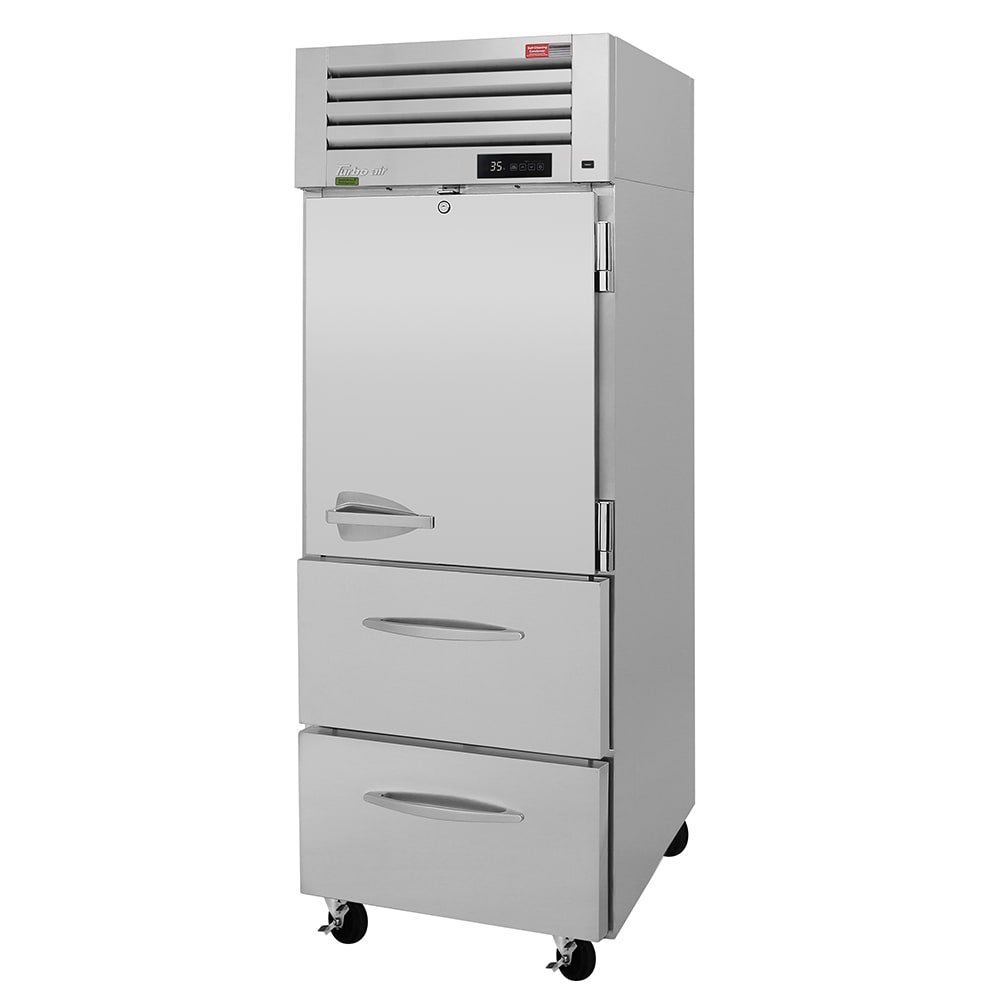
Seafood refrigeration should be planned around what is being stored, how often deliveries arrive, how quickly product turns, and how staff access ingredients during service. A small raw bar may rely on undercounter refrigeration and a reach-in cooler, while a full-service seafood restaurant may need walk-in refrigeration, reach-ins, refrigerated prep tables, and frozen storage. Before buying refrigeration, determine:
- Product being stored
- Peak inventory
- Available width and depth
- Door vs. drawer configuration
- Temperature requirements and monitoring
- Voltage
- Ventilation clearances
- Compressor location
- Drainage and floor cleaning needs
Ice — Calculate Demand Before Choosing a Machine
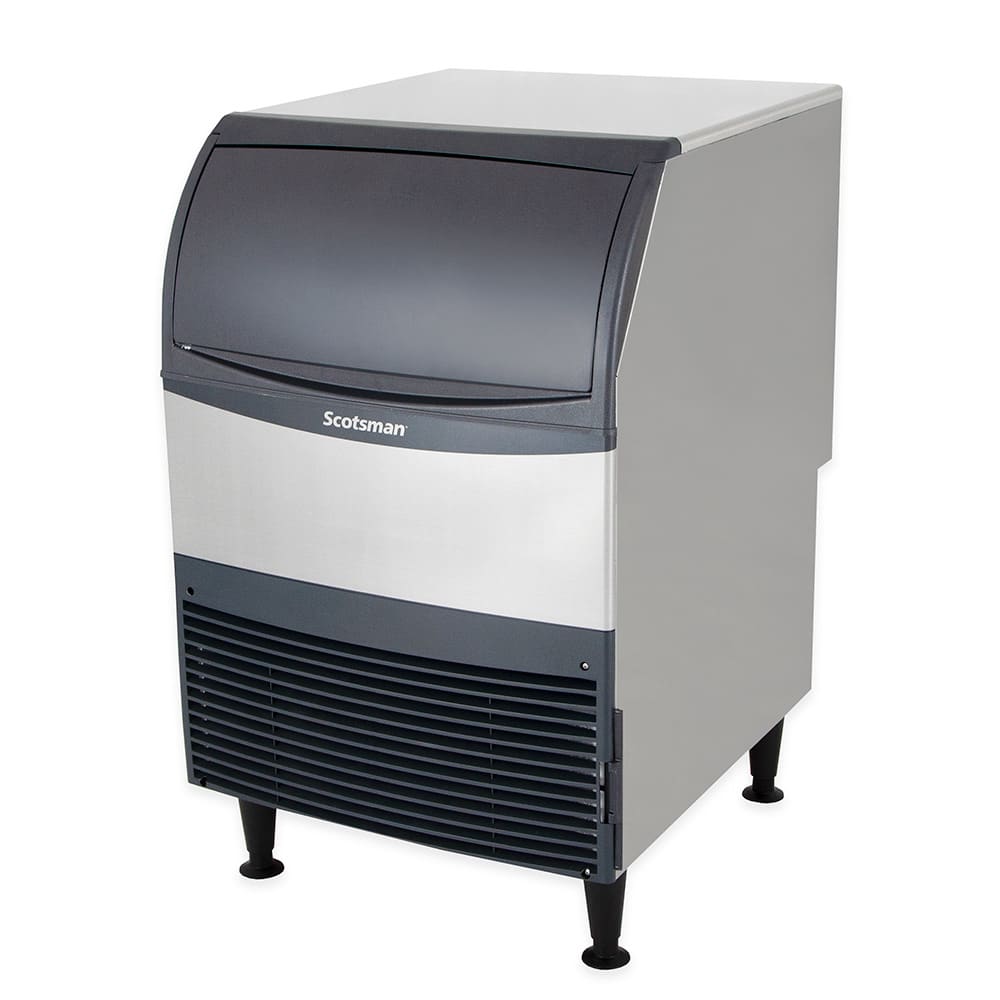
The right ice machine must account for separate ice needs for seafood display, bar service, food prep, and beverages. Do not choose an ice machine based only on daily production. A seafood restaurant may need a high-output machine for back-of-house ice, a bin near the raw bar, and a separate ice source or storage strategy for beverage service. To determine ice needs, calculate:
- Ice needed for fresh fish
- Drink volume during the busiest hour
- Length of the peak period
- Ambient temperature near the machine
- Water filtration, water connection, and drain requirements
Flake or nugget ice often suits seafood displays because it can surround products, while full-cube and half-cube ice are commonly used for beverages.
Seafood Prep — Size Workstations Around Peak Production
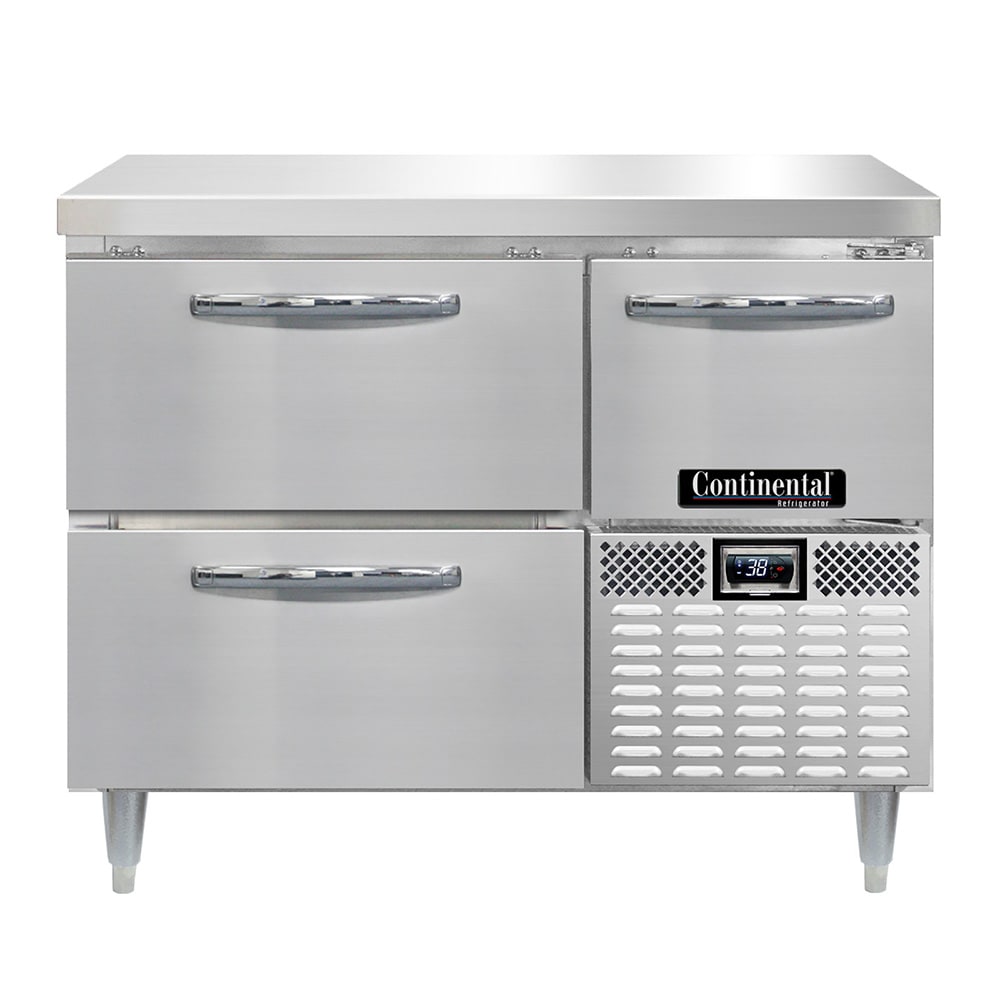
Seafood prep requires enough work surface, cold storage, sinks, and task-specific tools for the busiest prep window. A prep area that works during slow service may become a bottleneck when staff are portioning fish, shucking oysters, breading shrimp, and restocking the line at the same time. Plan for:
- Prep surfaces sized for filleting, portioning, shucking, breading, and plating
- Cutting boards assigned by task
- Fillet knives, boning knives, oyster knives, shears, peelers, and seafood crackers
- Sheet pans, food pans, drain trays, and storage containers
- Labels, markers, and temperature logs
Cooking Equipment — Build the Line Around the Menu
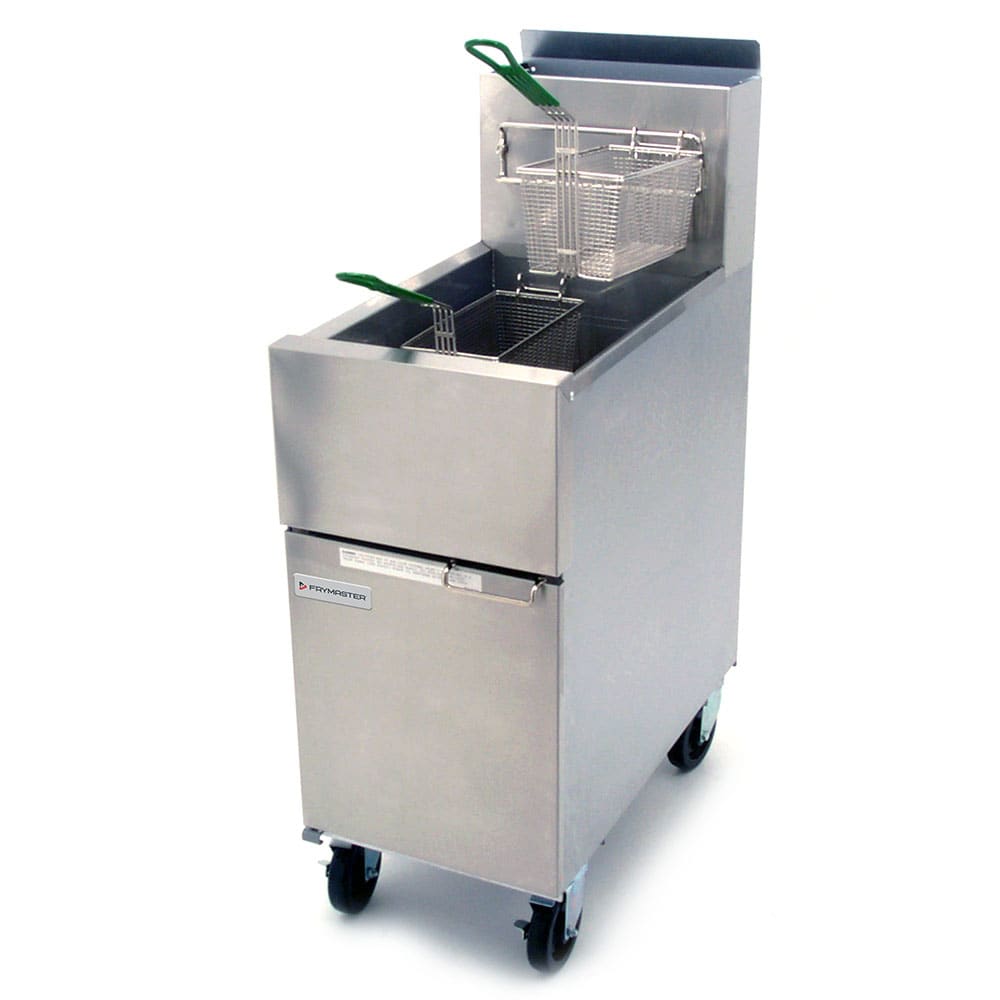
Seafood cooking equipment should reflect the production method and ticket volume. Restaurants serving fried items must determine fryer capacity and oil management. Seafood boils need steam equipment and stock pots with drain and batch-handling capacity. Key planning factors include:
- Menu items and cooking methods
- Ticket rates
- Recovery times for fryers and steam equipment
- Gas or electric utilities
- Holding requirements for takeout or high-volume service
Seafood Display
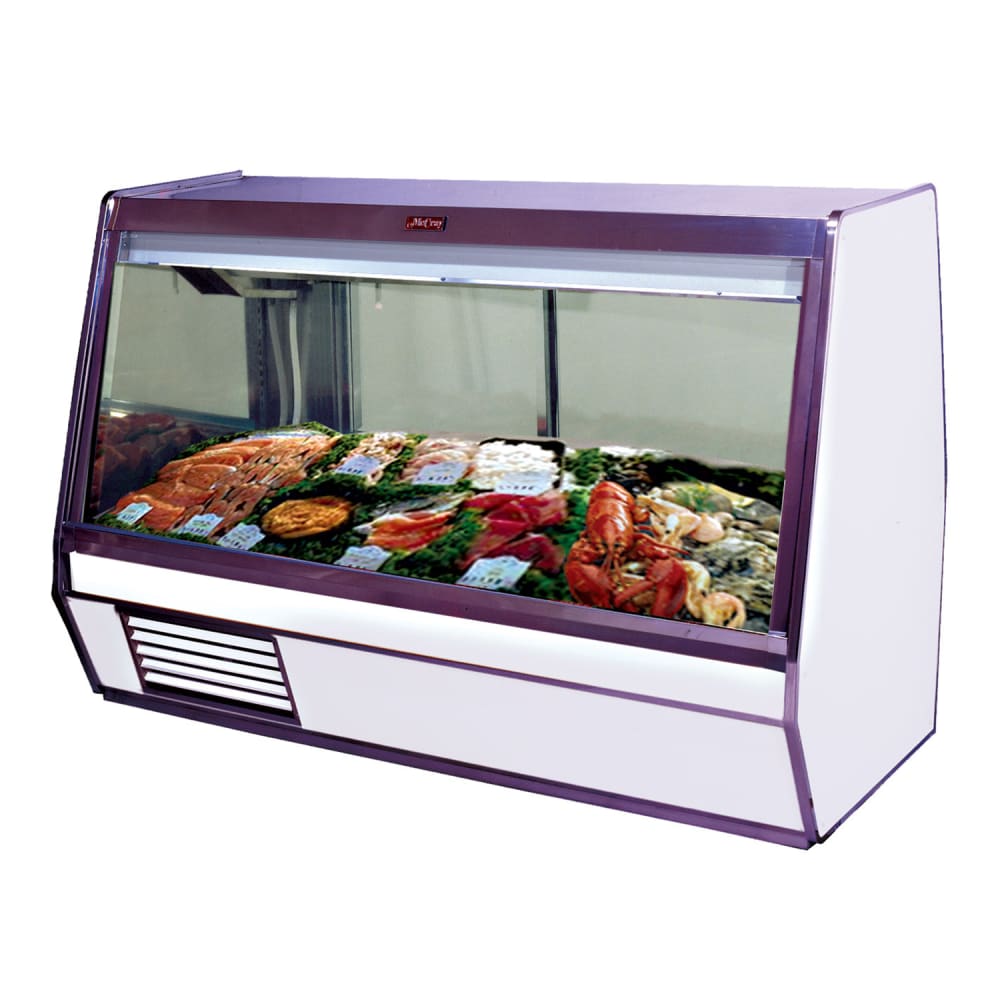
Raw bars and seafood displays are both production zones and guest-facing display areas. Equipment should support cold holding and clean presentation. Consider:
- Seafood display cases
- Sneeze guard or shield requirements
- Live holding tank footprint and maintenance access
- Waste containers for shells and packaging
- Storage records for shellfish tags, labels, or invoices where applicable
Where to Spend vs. Where to Save on Seafood Supplies
Seafood operations depend heavily on cold storage, ice, sanitation, and prep tools. Spending should be tied to operational needs. Consider investing more in:
- Refrigeration that reliably holds seafood inventory
- Ice machines sized for seafood display, prep, and beverage needs
- Fryers, steamers, or cooking equipment that must keep up with peak demand
- Dishmachines and sinks that support efficient cleanup and safe workflow
- Durable prep tables, knives, scales, thermometers, and cutting boards
Look for value in:
- Standardized pans, containers, trays, and storage supplies
- Backup smallwares that do not require specialty construction
- Tableware that fits the concept and is affordable to replace
- Takeout packaging chosen for portion size and performance rather than unnecessary extras
- Modular shelving, bins, and labeling systems that can expand as the operation grows
Don't Order Until You Know
Before purchasing seafood supplies or equipment, review the physical, utility, capacity, and code requirements. Doing so reduces the risk of ordering equipment that cannot fit, connect, drain, or meet ventilation requirements in your space and helps align supplies with planned volume. Confirm:
- Equipment dimensions
- Doorway clearance
- Voltage, phase, and amperage
- Water connections and drain requirements
- Ventilation and hood requirements
- Local code requirements
Not sure whether a unit will work in the space? Ask a KaTom equipment specialist before ordering.
10. Hire and Train Staff
Staffing should cover menu, layout, and equipment needs. Seafood restaurants often need staff members who can handle receiving, cold storage, prep, cooking, raw bar service, dish return, and cleaning with consistent procedures. Common roles include:
- General manager
- Prep cooks
- Line cooks
- Fry cooks
- Dish staff
- Servers
- Bartenders
- Hosts
Training should cover:
- Receiving and inspection procedures
- Prep station setup
- Knife and shucking safety
- Fryer, steamer, and cooking equipment use
- Ice handling
- Cross-contact and allergen awareness
- Cleaning and warewashing procedures
11. Set up Inventory, Technology, and Operating Systems
Seafood restaurants require careful inventory control because fresh seafood has a limited shelf life and product costs can fluctuate. Systems should be in place before opening so staff can receive, store, prep, sell, and reorder products without relying on guesswork.
12. Market the Restaurant and Prepare for Opening
A seafood restaurant opening plan should clearly explain the concept, showcase the menu, and communicate what guests can expect from the operation. Preopening marketing may include:
- Website with accurate contact, hours, menu, and location information
- Google and local business listings
- Social profiles
- Photography
- Local partnerships and community outreach
- Opening-date communication
- Email/SMS where appropriate
Host a Soft Opening
A soft opening should test the seafood operation under controlled demand. This is the time to identify bottlenecks before the grand opening. Test:
- Cooking equipment recovery and timing
- Ice supply and recovery
- Refrigeration capacity
- Dishwashing
- Takeout packaging
- Equipment performance
- POS and payment flow
- Safety and quality controls
Seafood Restaurant Opening Checklist
Use this checklist to track key planning, equipment, staffing, inspection, and opening tasks before launching a seafood restaurant.
| Task | Complete? |
|---|---|
| Choose a seafood concept | |
| Research competitors and local demand | |
| Develop preliminary menu | |
| Determine fresh, frozen, raw, live, and prepared storage needs | |
| Determine startup and operating costs and secure funding | |
| Evaluate location and utilities | |
| Confirm refrigeration, ice, drainage, ventilation, and equipment access | |
| Register business | |
| Apply for licenses and permits | |
| Secure insurance | |
| Finalize menu and suppliers | |
| Design kitchen, raw bar, dish, receiving, and storage workflow | |
| Create seafood supplies and equipment list | |
| Verify equipment specs and utilities | |
| Order and install equipment | |
| Set up temperature and inventory logs | |
| Order smallwares, storage, disposables, and sanitation supplies | |
| Hire and train staff | |
| Complete required inspections | |
| Hold soft opening | |
| Correct operational bottlenecks | |
| Grand opening |
Ready to Build Your Seafood Supplies List?
KaTom can help operators compare refrigeration, ice machines, raw bar supplies, prep tables, and cooking equipment based on available space, utilities, and expected service volume. The right equipment package should support the way the restaurant receives, stores, prepares, cooks, serves, and cleans up seafood during peak periods.
Frequently Asked Questions About Seafood Supplies
How much does it cost to open a seafood restaurant?
The cost to open a seafood restaurant varies by concept, location, menu, and equipment needs. Determine the cost of property, permits and licensing, furniture, refrigeration, cooking equipment, warewashing, smallwares, opening inventory, staff training, and marketing to estimate required capital before and after opening.
What licenses do you need to open a seafood restaurant?
Most seafood restaurants need business registration, a federal tax ID, sales tax registration, foodservice permits, health department approval, a certificate of occupancy, fire inspection, building permits, sign permits, and any local business licenses required by the city, county, or state. Restaurants serving beer, wine, or spirits also need applicable alcohol licensing.
What seafood supplies are needed to open a seafood restaurant?
A seafood restaurant needs refrigeration, freezer storage, ice machines, prep tables, sinks, cooking equipment, dishwashers, shelving, food storage containers, thermometers, knives, seafood tools, cleaning supplies, disposables, and serviceware. The exact list depends on the seafood the operation plans to serve.
How much refrigeration does a seafood restaurant need?
A seafood restaurant's refrigeration needs depend on the menu, delivery schedule, peak inventory, the mix of fresh and frozen products, raw and cooked storage needs, thawing volume, and line access during service. Size refrigeration around the busiest inventory and service periods rather than average daily volume.
References
- U.S. Seafood Market Size and Share Analysis – Growth Trends and Forcasts (2026-2033). Coherent Market Insights. Accessed August 2026.
- New Food Code Update: Maintaining "Molluscan Shellfish" Identification. U.S. Food & Drug Administration. Accessed August 2026.
