What Is an Ice Machine Condenser?
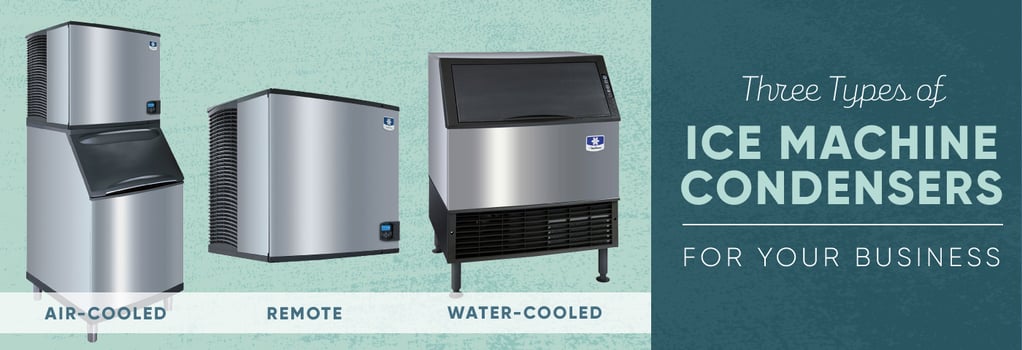
Commercial ice machines remove heat during the ice-making process, and the condenser is the part of the system that handles that heat rejection. Choosing the right ice machine condenser can affect installation cost, daily utility use, room temperature, noise levels, and long-term maintenance needs.
The three main types of commercial ice maker condensers are:
Key Takeaways
- Air-cooled ice machines are the best choice for most businesses
- Remote condensers reduce heat and noise by relocating the condenser outdoors
- Water-cooled condensers are typically only practical when a cooling tower is available
- Ventilation, utility costs, noise levels, and available space should guide condenser selection
Ice Machine Condenser Types
| Condenser Type | How It Removes Heat | Best For | Key Advantage | Main Drawback |
|---|---|---|---|---|
| Air-Cooled | Uses fans to move room air across condenser coils | Most foodservice operations | Lower operating cost and easier installation | Adds heat and noise to the room |
| Remote | Uses an air-cooled condenser installed away from the ice machine | Hot kitchens, hotels, large operations, or multi-machine setups | Moves heat and noise outside | Higher equipment and installation cost |
| Water-Cooled | Uses water to cool the condenser | Facilities with a recirculating cooling tower or specialized water system | Less indoor heat and noise | High water use and cost if not connected to a proper system |
1. Air-Cooled Ice Machines
What Type of Businesses Use Air-Cooled Ice Machines?
- Restaurants
- Bars and nightclubs
- Convenience stores
- Cafeterias
- Quick-service restaurants (QSRs)
- Coffee shops
- Hotels
- Schools and universities
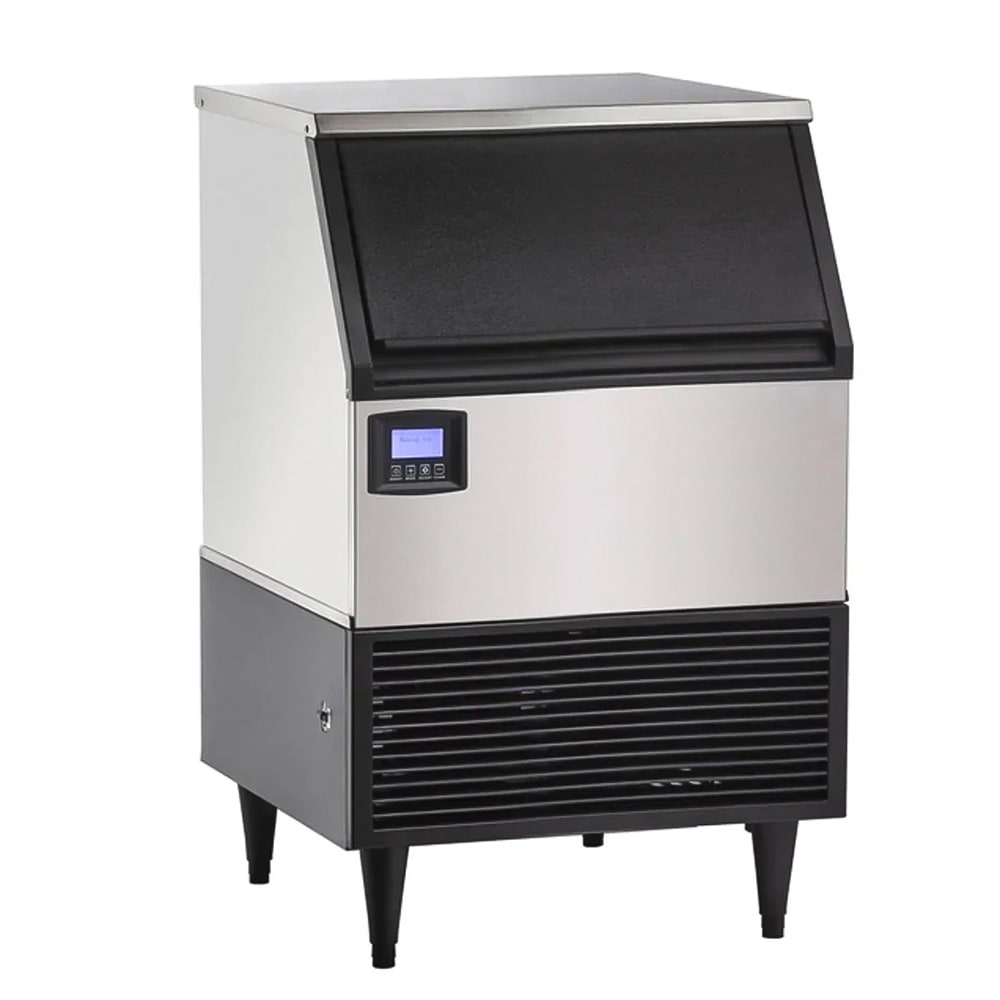
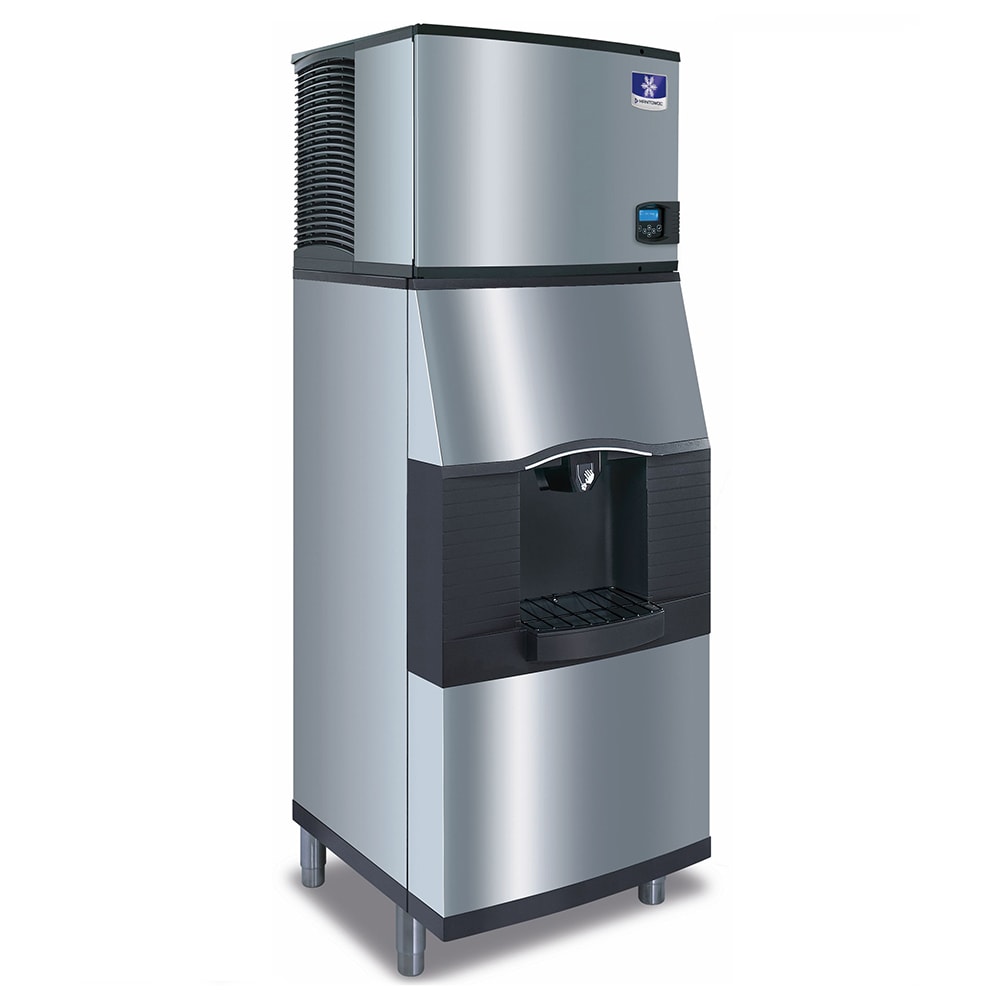
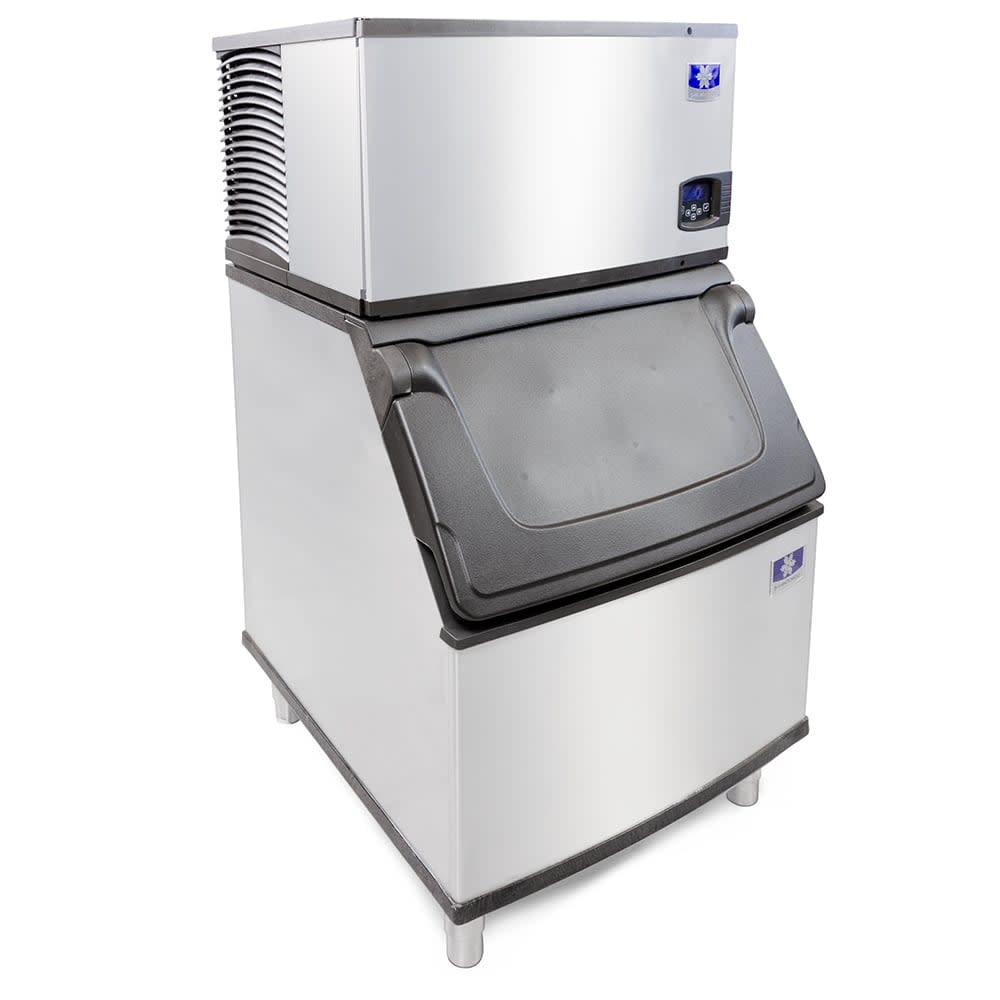
An air-cooled ice machine condenser uses fans to blow cool ambient air across the coils that carry the system's refrigerant, cooling the fluid enough to help chill the evaporator plate. Because these systems rely on airflow to cool the condenser, proper ventilation is essential.
As Follett Technical Solutions Specialist Dan Glimn explains, "An ice machine needs to breathe. If you put it in a hot closet or block the air intake with other equipment, the ice production will drop significantly."
Air-Cooled Ice Machine Pros
- Installation is much easier than with other condenser types
- Typically significantly less expensive than other commercial ice makers
- Utility costs are usually lower than with other designs
Air-Cooled Ice Machine Cons
- Condenser heat and noise in the surrounding area
- Requires clearance and good ventilation
- Undercounter units can draw floor dust into the refrigeration system, while modular units must cool using hotter air that exists higher up
When to Choose an Air-Cooled Ice Maker
Choose an air-cooled ice maker when the operation has enough ventilation, reasonable room temperatures, and no critical need to move heat or noise away from the ice-making area. This condenser type is usually the best fit for restaurants, cafes, bars, cafeterias, convenience stores, and other foodservice operations looking for a practical balance of cost and performance.

2. Remote Ice Machines
What Type of Businesses Use Remote Ice Machines?
- Hotels
- Healthcare facilities and hospitals
- Event venues
- Stadiums and arenas
- Casinos
- Large restaurants with open kitchens
- Resorts
- High-volume operations running multiple ice machines
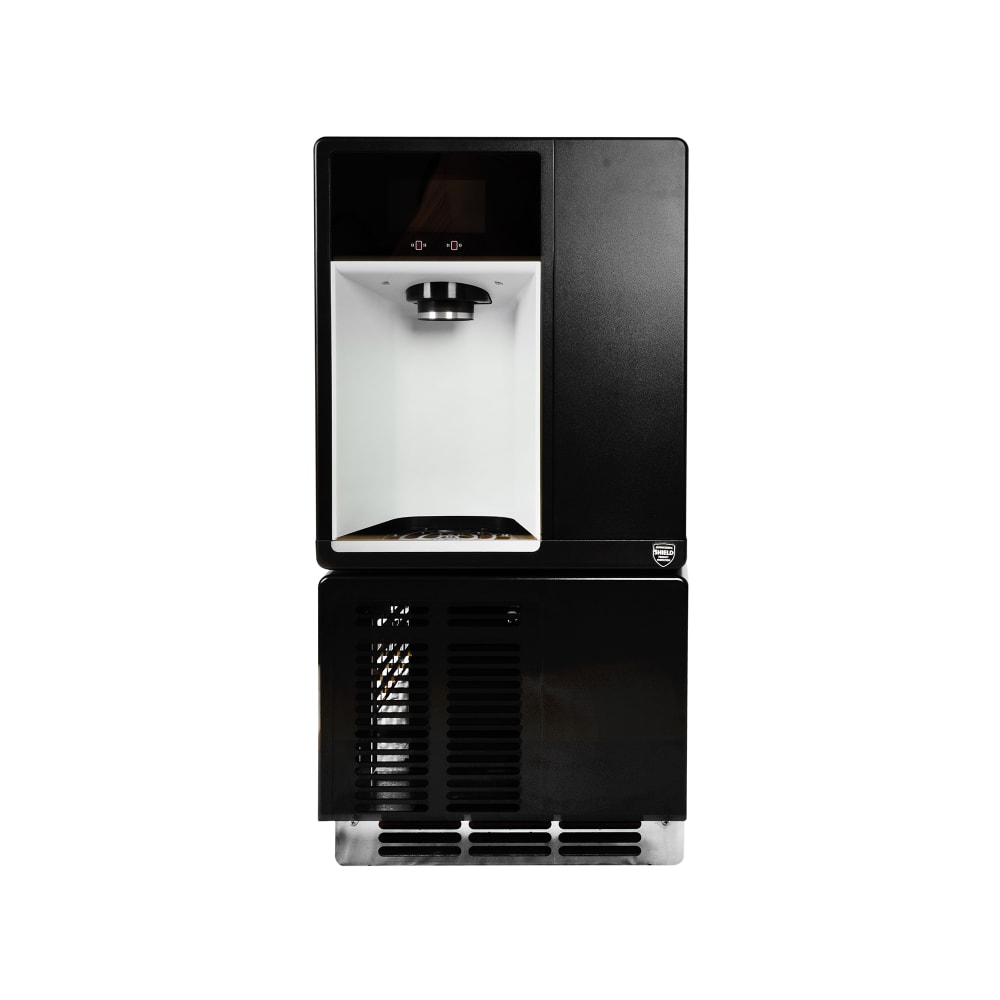
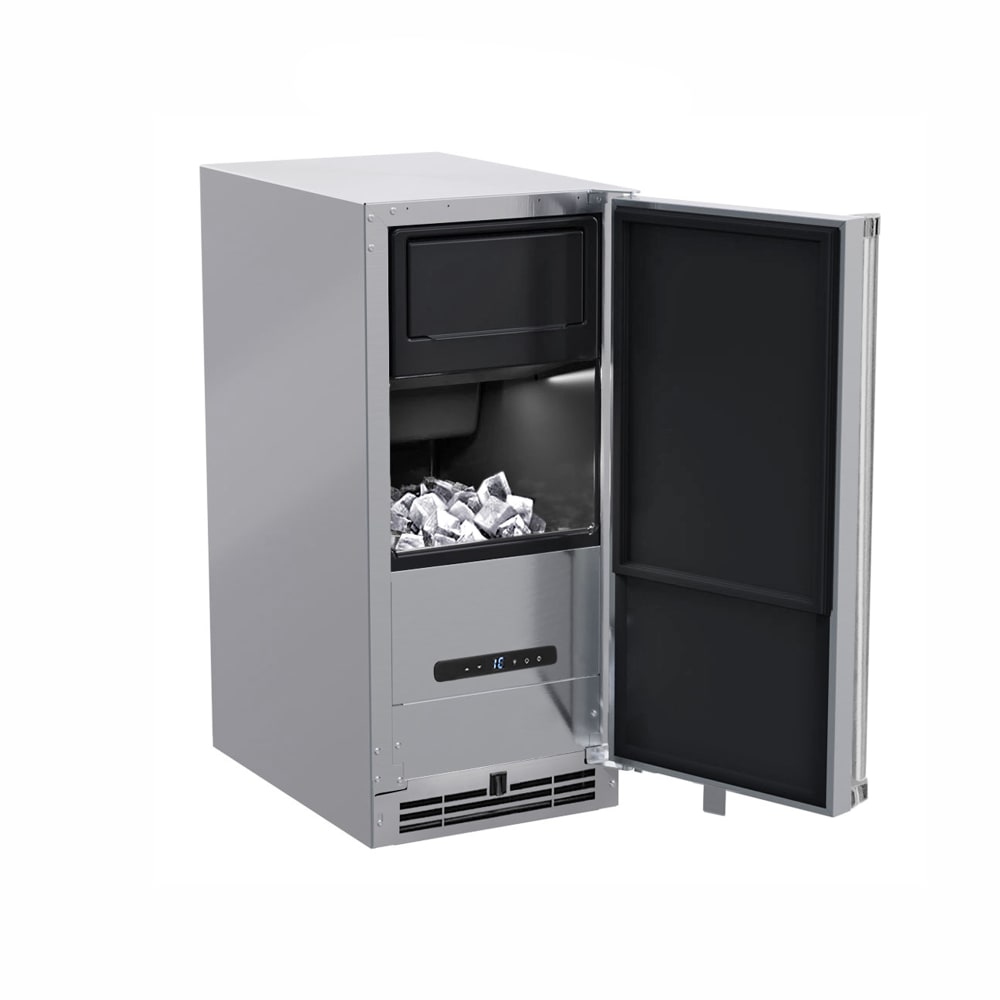
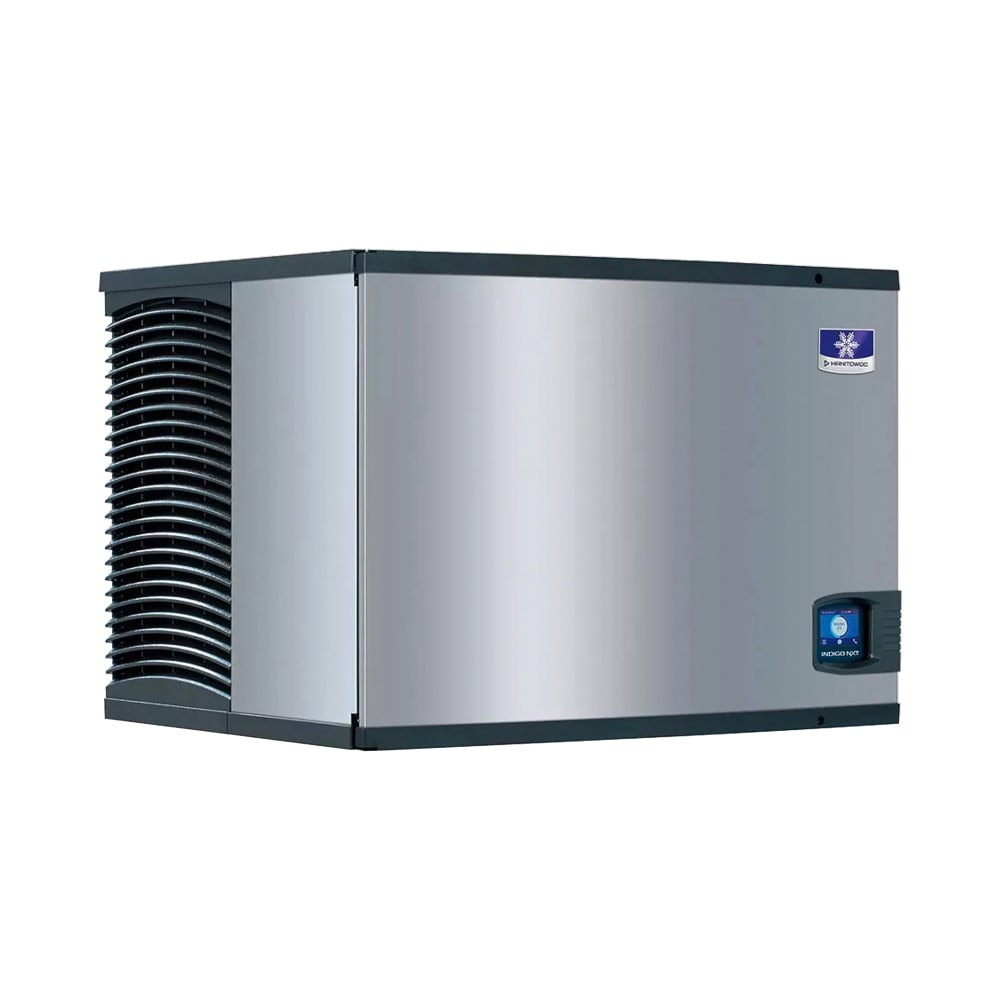
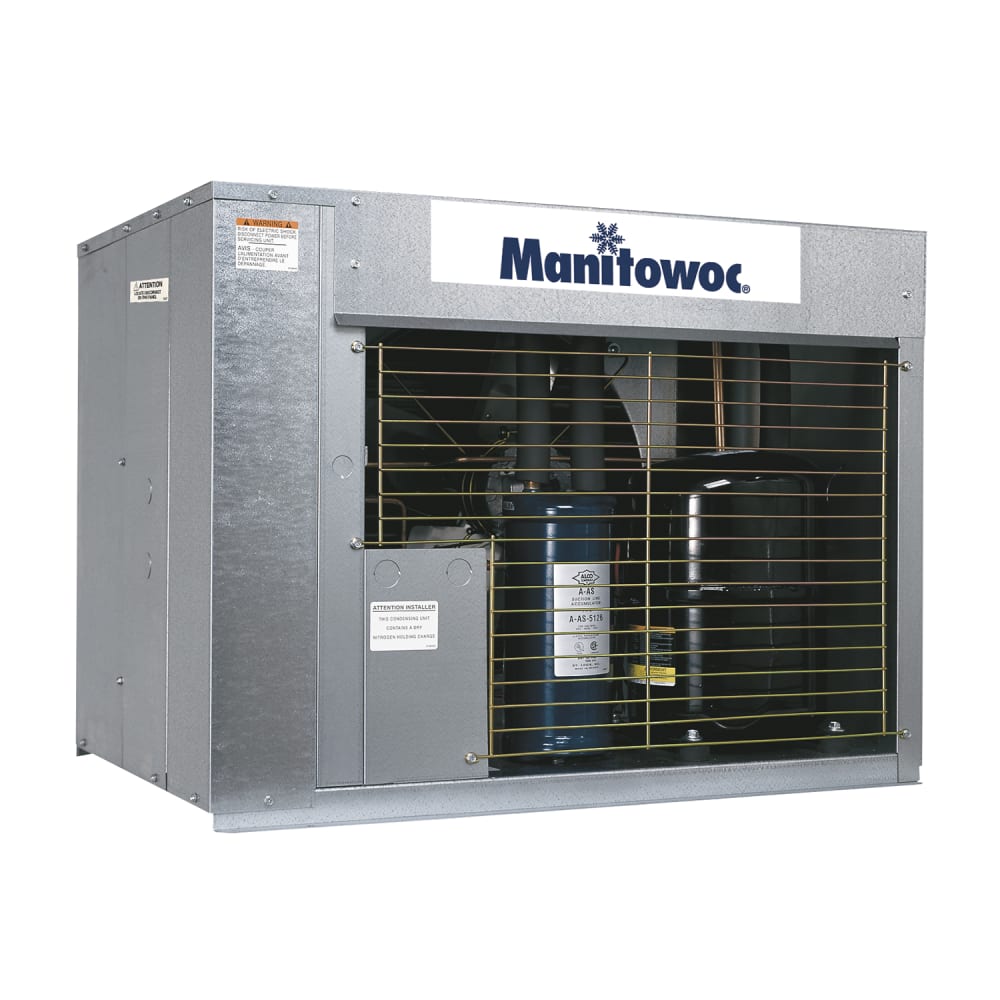
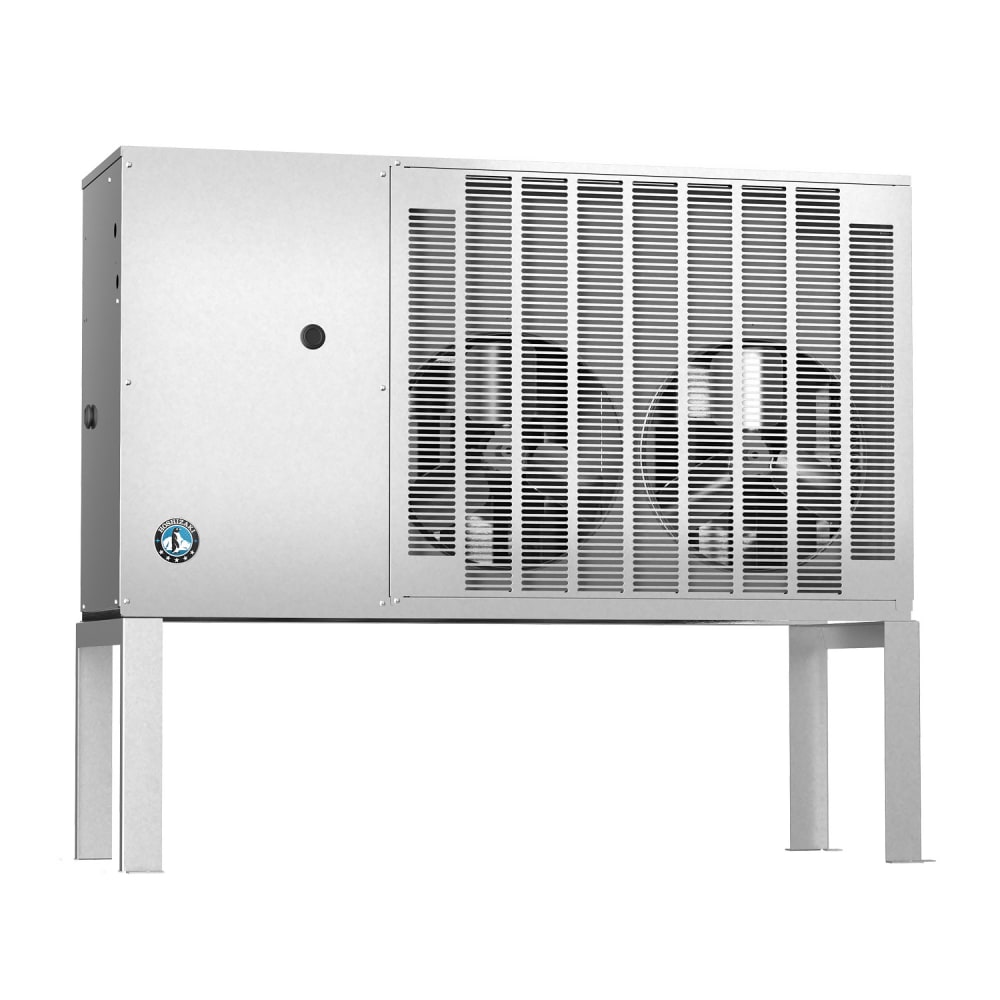
A remote ice machine is an air-cooled ice machine with long refrigerant lines. In remote ice machines, the ice maker is typically purchased separately from the condenser, and the two are connected by those long refrigerant lines. This setup enables the condenser, which produces most of the system's noise and heat, to operate in a different space, typically outside.
Remote Ice Machine Pros
- Moves condenser heat and noise outside
- Can be efficient in areas with cooler climates
- Several ice makers can be run from one rack system
Remote Ice Machine Cons
- More expensive because separate pieces must be purchased
- More costly to install, with wall holes and an outdoor pad needed for the remote condenser
- Long refrigerant lines can be susceptible to problems
When to Choose a Remote Ice Maker
Choose a remote condenser when heat and noise from a self-contained, air-cooled unit would create problems for staff, guests, or nearby equipment. Remote systems are especially useful for high-volume operations where comfort, sound control, and back-of-house temperature management are important.
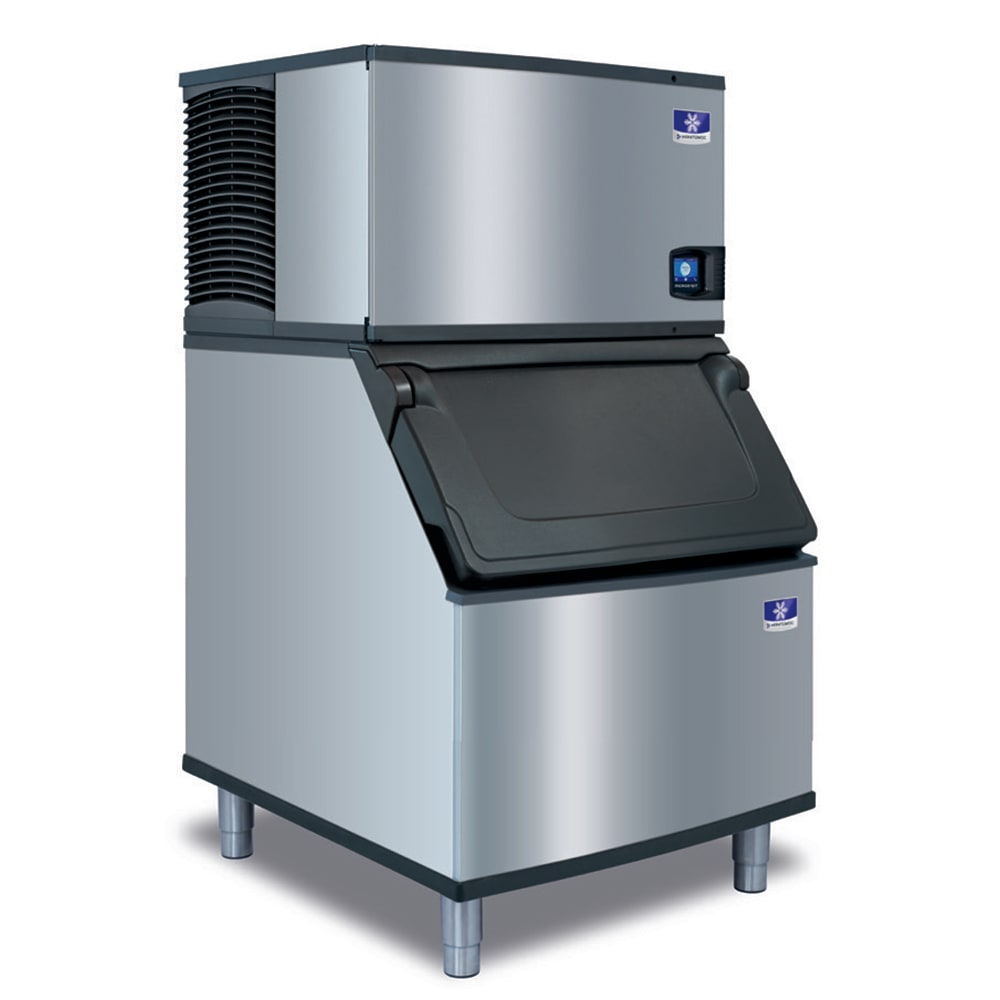
3. Water-Cooled Ice Machines
What Type of Businesses Use Water-Cooled Ice Machines?
- Hotels with cooling tower systems
- Hospitals and healthcare facilities
- Cruise ships
- Large institutional facilities
- Industrial food processing plants
- Facilities with existing chilled water loops
The drawbacks of a water-cooled ice machine outweigh the benefits for all but a select few operations.
Scott Bingham, Follett Direction of Marketing, explains, "Water-cooled units are rare and usually only for places like hospitals or cruise ships with a chilled water loop; otherwise, air cooled is the standard."
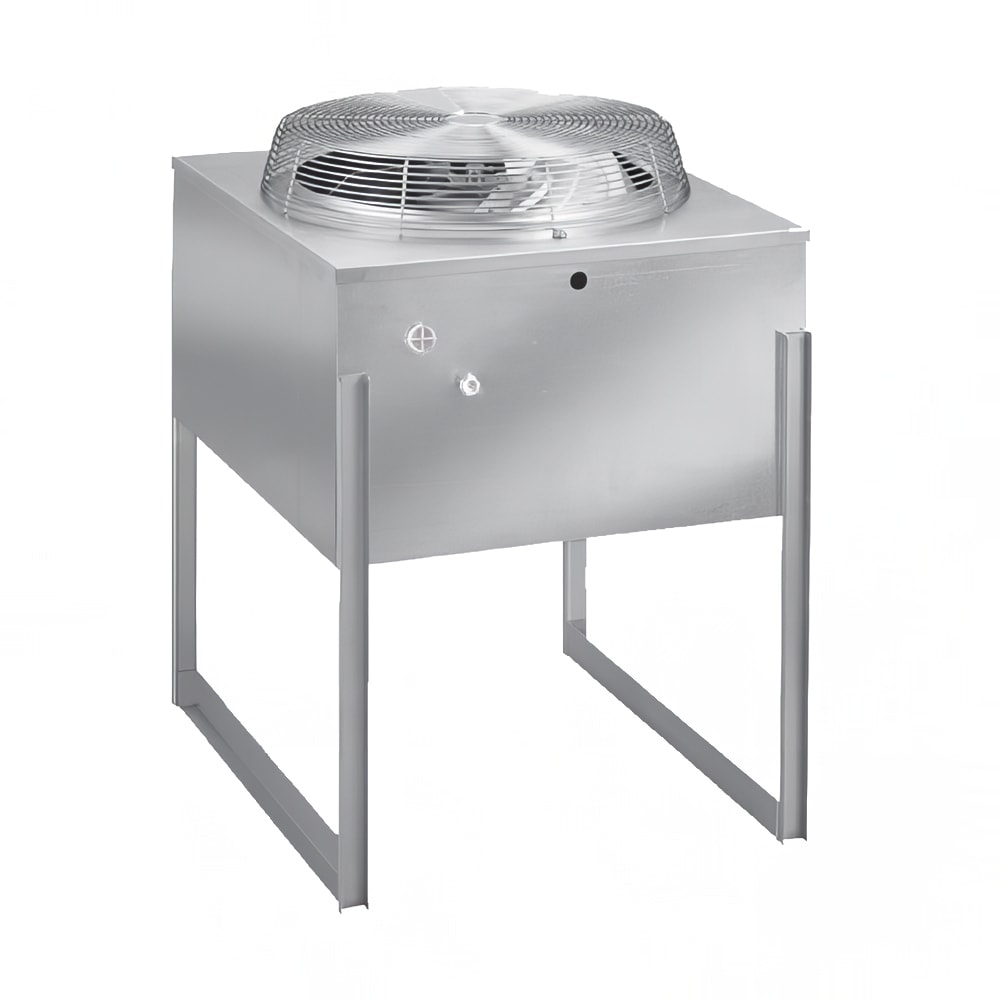
Water-cooled ice machines use flowing water to cool the condenser coils and the refrigerant inside. If a cooling tower is available, water circulates through a trough around the condenser coils, drawing heat out of the refrigerant through the metal. It then circles through the tower and runs through its own coils, cooling through exposure to outside air before it’s circulated through the system again. Without a cooling tower present, these systems must have two separate water lines, and one of them will run nearly constantly to cool the coils. That wastes a lot of water and can boost utility bills by hundreds of dollars per month.
Water-Cooled Ice Machine Pros
- Not impacted by high temperatures that may reduce air-cooled ice machine efficiency
- Produces less heat and noise in ice-making area
- Uses slightly less electricity
Water-Cooled Ice Machine Cons
- Uses a tremendous amount of water if not used with a cooling tower
- If used without a tower, the cooling water line should be filtered and will require frequent cartridge changes. If not filtered, particulates in water will likely cause regular problems in the refrigeration system
- Illegal in some areas because of high water usage
When to Choose a Water-Cooled Ice Maker
Choose a water-cooled ice maker only when the facility has a cooling tower, chilled water loop, or other recirculating water system designed to support this type of equipment. For most restaurants, cafes, bars, and small foodservice operations, air-cooled or remote ice machines are more practical and cost effective.
How to Choose the Right Ice Machine Condenser for Your Business
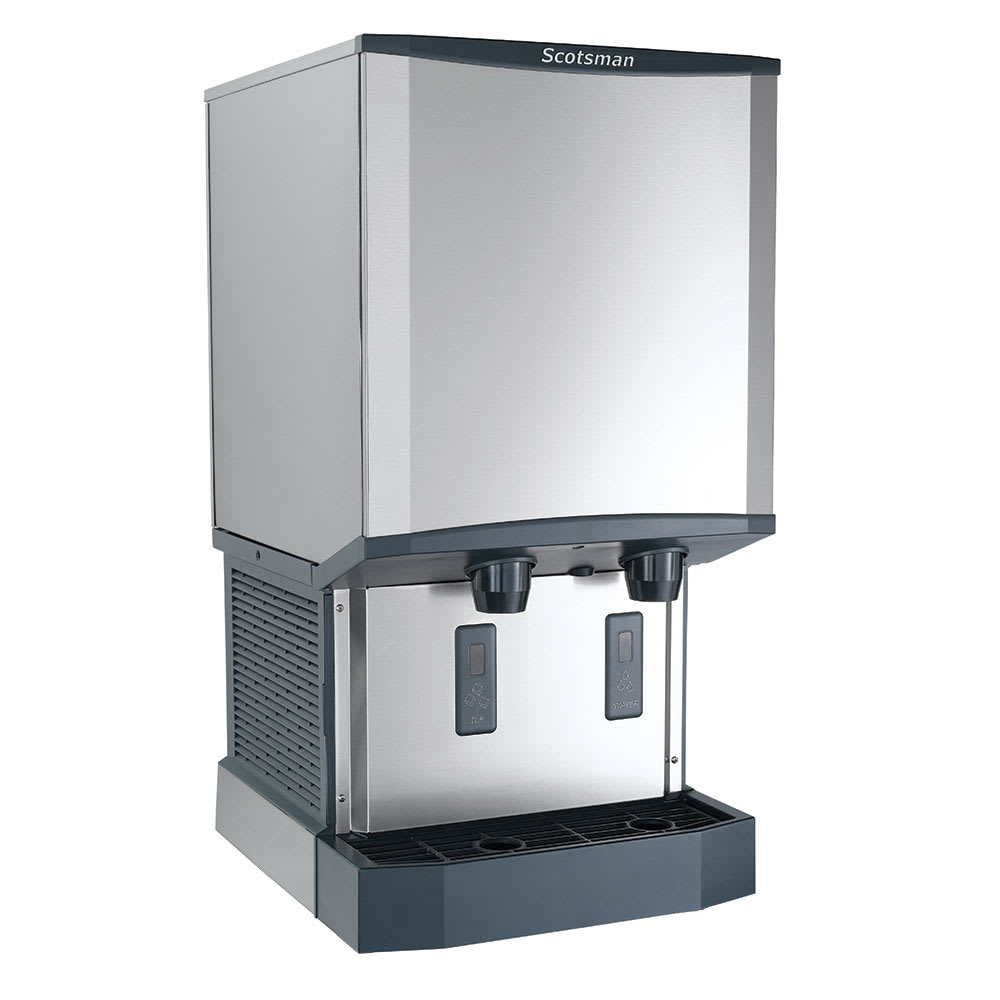
Choosing the right ice machine condenser depends on your facility's layout, operating environment, and utility costs. Consider the following factors to determine whether an air-cooled, water-cooled, or remote condenser is the best fit for your business:
- Available Space: Air-cooled models are typically the easiest to install, while remote condensers help free up indoor space by relocating the condenser outside
- Ambient Temperature: Hot kitchens or outdoor environments may benefit from water-cooled or remote condensers, which perform better in high-temperature conditions
- Ventilation: Air-cooled units require adequate airflow around the machine, whereas water-cooled models are better suited for areas with limited ventilation
- Water Usage: Air-cooled condensers use less water and are generally more cost effective, while water-cooled units consume additional water during operation
- Noise Levels: Remote condensers offer the quietest operation by moving the condenser away from customer-facing or prep areas
- Maintenance Requirements: Air-cooled systems require regular condenser coil cleaning, while water-cooled units may need more frequent descaling and water system maintenance
Explore Commercial Ice Machines & Condensers at KaTom
KaTom offers commercial ice machines with air-cooled, remote-cooled, and water-cooled condenser options for restaurants, hotels, cafeterias, healthcare facilities, convenience stores, and other foodservice operations. Compare condenser type, ice production, bin capacity, footprint, and installation requirements to choose the right ice machine for your facility.


