How to Open a Juice Bar
Thanks to the growing awareness of the health benefits of consuming fruit and vegetables, juice bars are experiencing an increase in traffic, with the market expected to reach $29.6 billion by 2033.1 Innovation has led to brands experimenting with new flavors and add-ins, enabling customers to customize drinks to suit their specific tastes. Additionally, many juice bars have expanded beyond serving juice and now serve smoothies, sandwiches, and wraps. While these offerings increase customer engagement, they also require additional equipment. Operators seeking to open a juice bar should finalize the menu, expected peak-hour volume, available space, and utility requirements before ordering equipment so each purchase supports the way the business will operate.
In this article, we'll cover what a juice bar needs before the grand opening.
Already planning your space? Talk to a KaTom equipment specialist about equipment sizing, utility requirements, and layout.
Key Takeaways
- Your concept and menu should drive your equipment list, not the other way around
- Size refrigeration, ice production, juicers, blenders, and prep equipment around peak demand rather than average daily volume
- Evaluate electrical service, water, drainage, ventilation, doorway clearance, and service access before signing a lease or ordering major equipment
- Plan juice bar workflow before finalizing the layout
- Budget for startup costs plus working capital needed after opening
- Use a soft opening to test staff, equipment, and service flow before the grand opening
Juice Bar Startup Planning at a Glance
1. Decide What Type of Juice Bar to Open
The right equipment depends on the type of juice bar you want to operate. A smoothie shop may need high-volume blenders and ice machines, while a wellness cafe may require juicers, food processors, and foodservice equipment for bowls, salads, and wraps.
Before choosing equipment, answer the following questions:
- Who are the target customers: commuters, fitness buffs, students?
- What will guests primarily order?
- Will the menu include food, and if so, will it be prepackaged or made-to-order?
- How many customers will the operation accommodate?
- How many staff members can work comfortably behind the counter during peak service?
- What operational features will distinguish the business from nearby competitors?
Not sure what equipment your concept requires? Talk to a KaTom specialist before finalizing the equipment list.
2. Research Your Market and Evaluate Locations
Market research helps determine whether the area can support your concept, and location evaluation determines equipment feasibility. A space with good foot traffic may still create costly problems if it lacks needed utilities.
Evaluating a new space? KaTom Design + Build can help assess equipment layout and site requirements before you make major purchasing decisions.
3. Create Your Juice Bar Business Plan
A business plan should connect the concept, menu, equipment, staffing, and budget into one operating model. The plan should outline how your operation will handle receiving, storage, production, service, and cleaning. This is especially important for juice bars, since fresh produce will be one of the operation's main draws. Define the menu and expected volume before building the equipment list so purchases reflect the operation's actual needs.
4. Estimate Juice Bar Startup Costs
The price of starting a juice bar varies widely by concept, location, menu, and equipment. Instead of relying on a broad national average, build the budget by category and separate necessary opening costs from expenses that can wait.
5. Fund Your Juice Bar
Funding should cover both opening purchases and the cash needed to operate after opening. Common funding sources include:
- Owner capital
- Business partners
- Commercial loans or SBA-backed loans
- Investors
- Equipment financing or leasing, where appropriate
Equipment financing may be especially useful when the operation depends on major pieces such as refrigeration, ice machines, blenders, and juicers.
6. Register the Business and Secure Licenses
Licensing and inspection requirements vary by state, county, and city. Confirm current rules, fees, and application requirements with local agencies and qualified professionals before signing a lease or ordering equipment. Common requirements may include:
- Business registration
- Federal tax identification number
- State and local tax registration
- Foodservice permits, if applicable
- Health department approval
- Certificate of occupancy
- Fire inspection
- Building permits
- Sign permits
- Music licensing
- Mobile vending permits if operating a cart, truck, or kiosk
- Food handler or manager certification
7. Finalize the Menu and Supplier Plan
Determine the menu first, then select equipment that supports it. Juice, smoothies, salads, sandwiches, wraps, and packaged snacks each add different production, refrigeration, prep, and service requirements.
A supplier plan should cover produce quality, delivery frequency, minimum order quantities, backup suppliers, and emergency replenishment. Delivery frequency is especially important because it affects how much refrigeration and dry storage the juice bar needs.
8. Design the Layout for Efficient Workflow
The juice bar's layout should support service speed, quality, safety, cleaning, and restocking. A practical workflow may look like this:
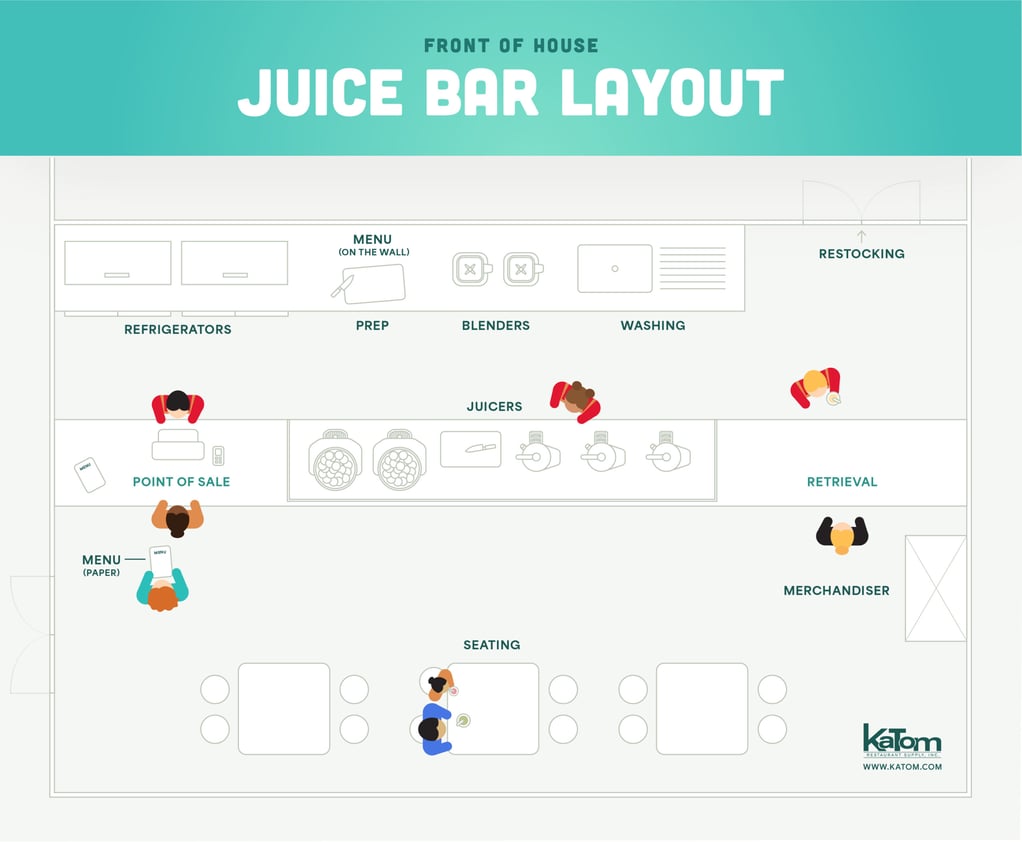
Need help turning your menu and service model into a workable layout? Explore KaTom Design + Build.
9. Build the Juice Bar Equipment List
Refrigerators — Match Storage to the Menu
Refrigeration should be selected based on what's being stored and how much is being stored. A juice truck may need an undercounter refrigerator for compact cold storage, while a grab-and-go juice shop may need a merchandiser for bottled juices. Juice bars may also need a freezer for storing frozen fruit or other frozen ingredients. Before choosing refrigeration, determine:
- Product types being stored
- Peak inventory
- Delivery frequency
- Available width, depth, and height
- Door swing and employee traffic
- Reach-in, undercounter, prep table, or display configuration
- Voltage and plug type
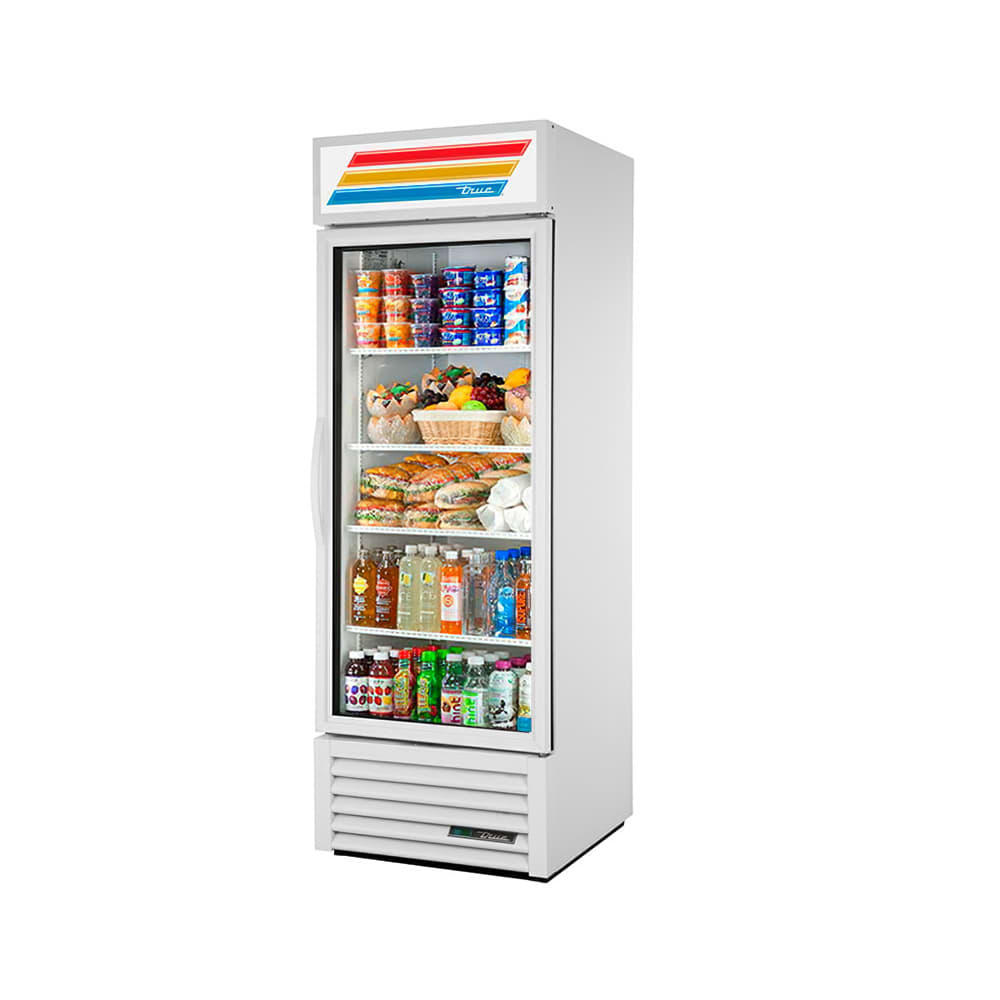
Not sure what type of refrigerator you need? KaTom's commercial refrigeration buyers' guide provides information on all categories to help operators choose the right type for their kitchen.
Ice Machines — Keep Drinks Cold for Customers
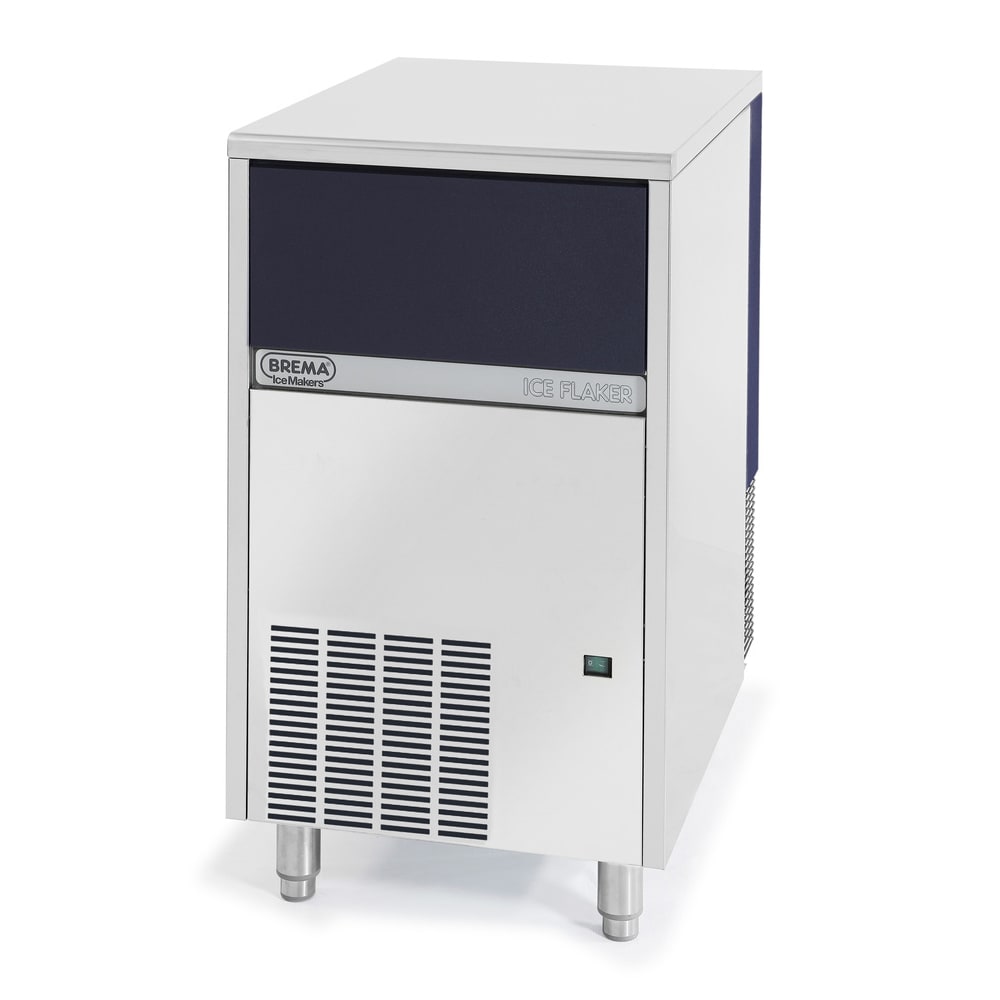
Ice machines provide steady output for smoothies and iced beverages. Choose an ice maker by calculating peak demand, not just daily production. Estimate:
- Number of iced or blended drinks during the busiest hour
- Ice used per recipe
- Storage bin capacity
- Recovery time between rushes
- Ambient temperature around the machine
- Available floor or counter space
For small spaces, an undercounter ice maker may be a better fit. For higher-volume smoothie shops, a modular ice machine with a storage bin may be necessary to meet demand.
Commercial Blenders — Size for Recipes and Rush Periods
A blender is the central piece of commercial smoothie bar equipment. Commercial blenders are built for heavy-duty use and are capable of crushing dense ingredients. Choose a blender based on:
- Smoothies or smoothie bowls served during peak periods
- Jar capacity
- Motor performance
- Noise reduction needs
- Replacement jars, blades, and lids
- Cleaning needs
- Electrical requirements
For additional guidance, check out KaTom's commercial blenders buyers' guide.
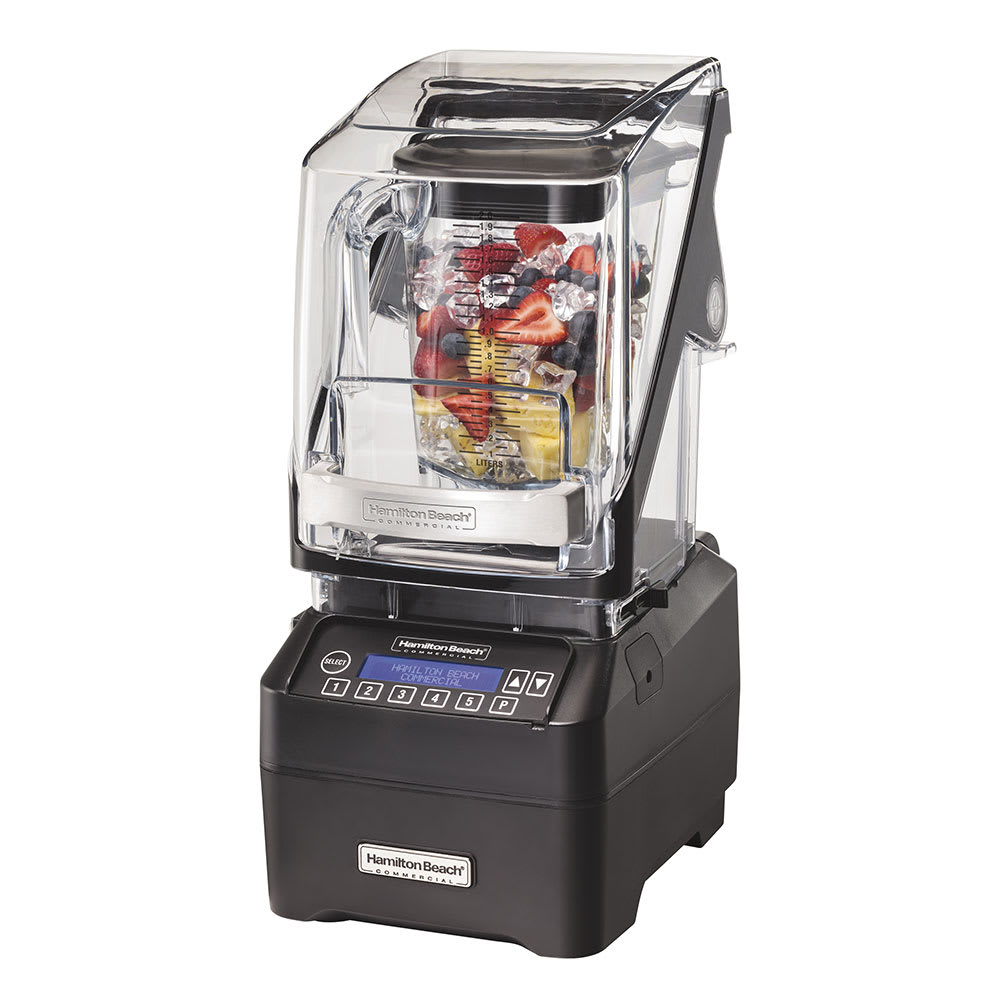
Food Processors — Prep Ingredients Before the Rush
Food processors help reduce repetitive prep work and keep production consistent. For juice bars, they can be used to prepare fruit toppings, smoothie bowl ingredients, and purees. They can also be used for vegetables and nuts if the operation plans to serve sandwiches, wraps, and salads. Before buying, determine:
- Daily prep volume
- Average batch size
- Bowl capacity
- Whether prep will happen before opening, throughout the day, or both
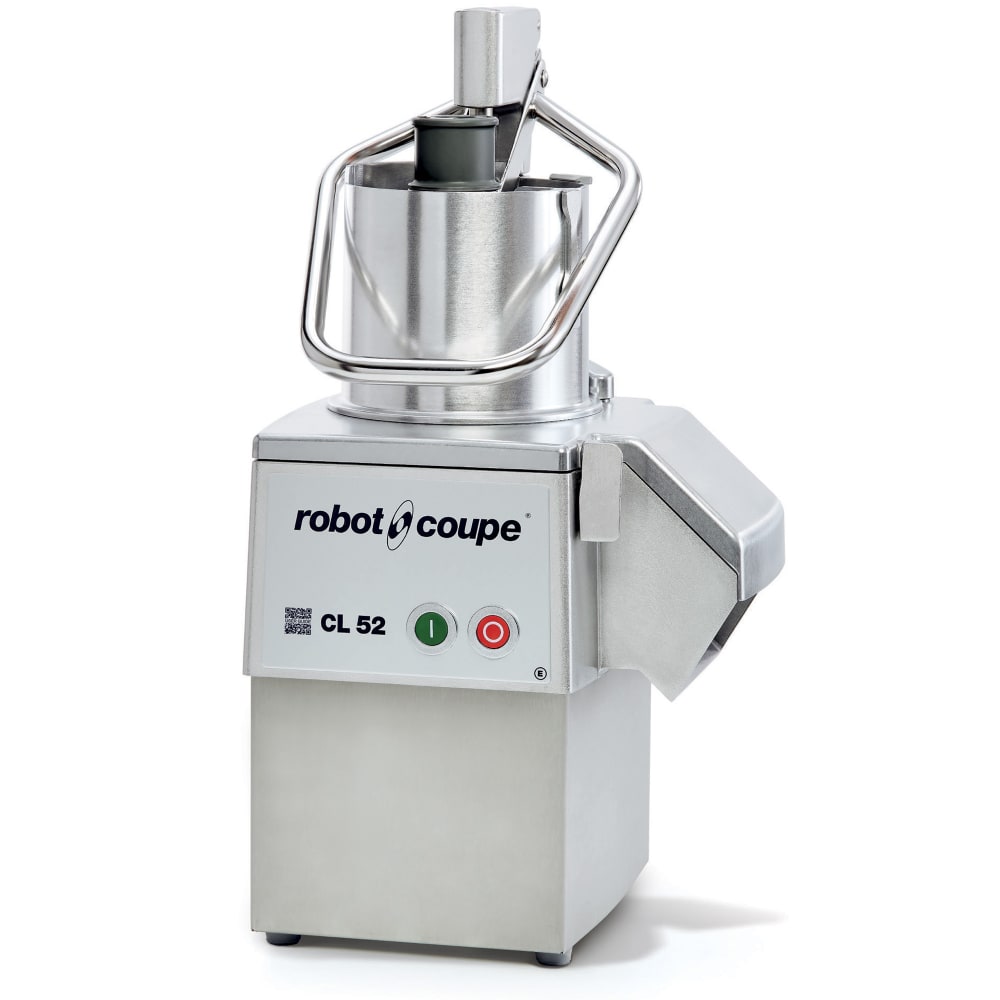
Juicers — Keep up With Customer Demand
The right commercial juicer depends on the operation's menu, daily volume, and desired juice quality. Large juice bars should look for a high-volume commercial juicer. For a small stand, however, a countertop citrus juicer may be all that is needed to keep up with demand. Before choosing a juicer, determine:
- Made-to-order vs. batch production
- How much fruit must be juiced per hour
- Pulp and waste handling
- Cleaning time between batches
- Counter space
- Electrical requirements
- Replacement parts and juicing accessories
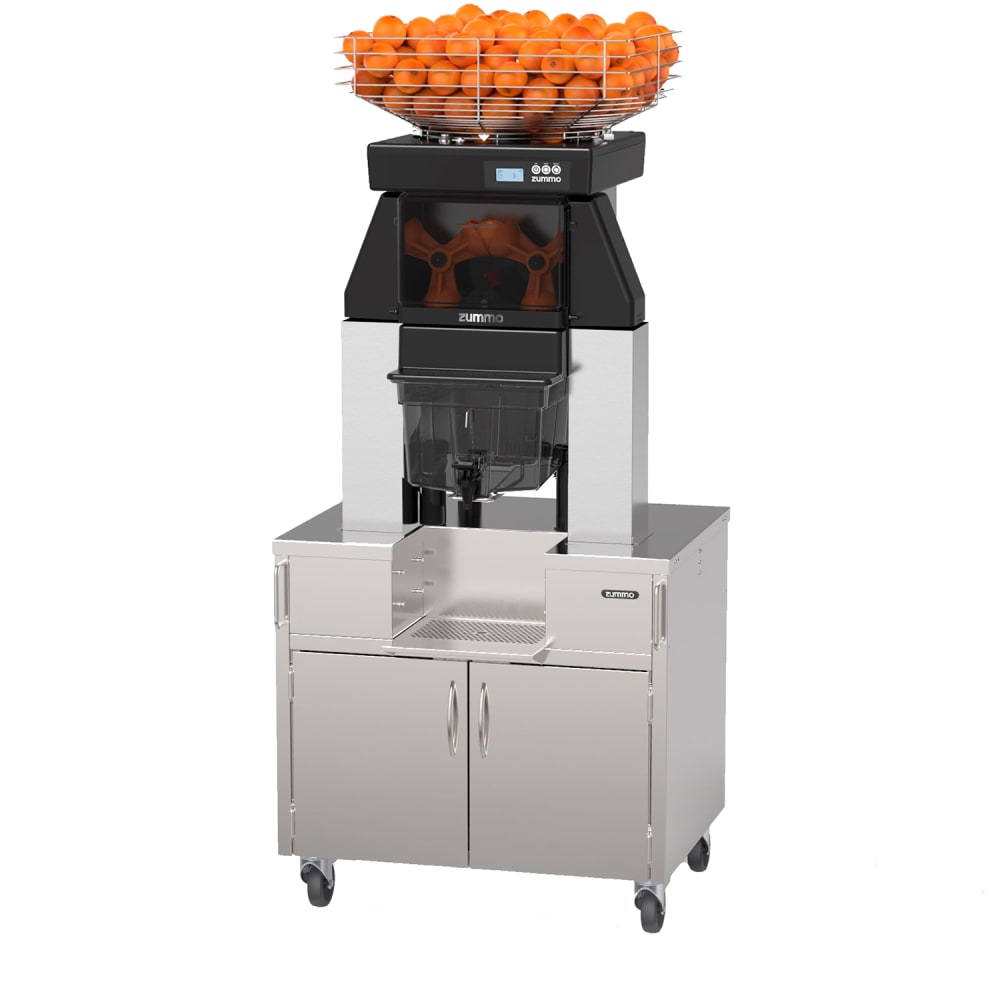
For additional guidance, check out KaTom's commercial juicer buyers' guide.
Juice Dispensers — Hold Prepared Juice for Serving
Juice dispensers are made for serving beverages that have been prepared ahead of time, which is common at catered events and self-serve areas. A dispenser is not always necessary for a juice bar, especially if every beverage is made to order. However, it can be useful for operations preparing batches or serving events. Consider these factors when choosing a juice dispenser:
- Number of flavors held at once
- Capacity per bowl or container
- Drip tray and cleanup needs
- Whether staff or customers will dispense the beverage
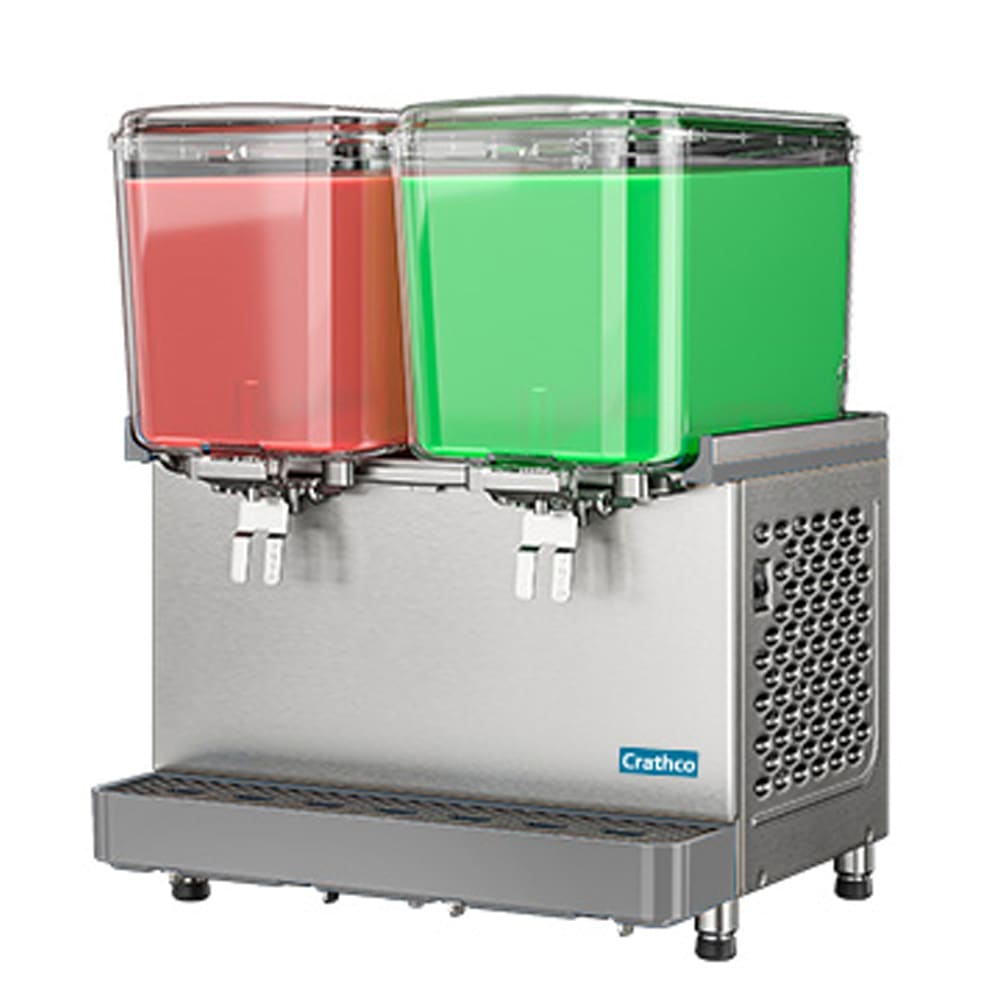
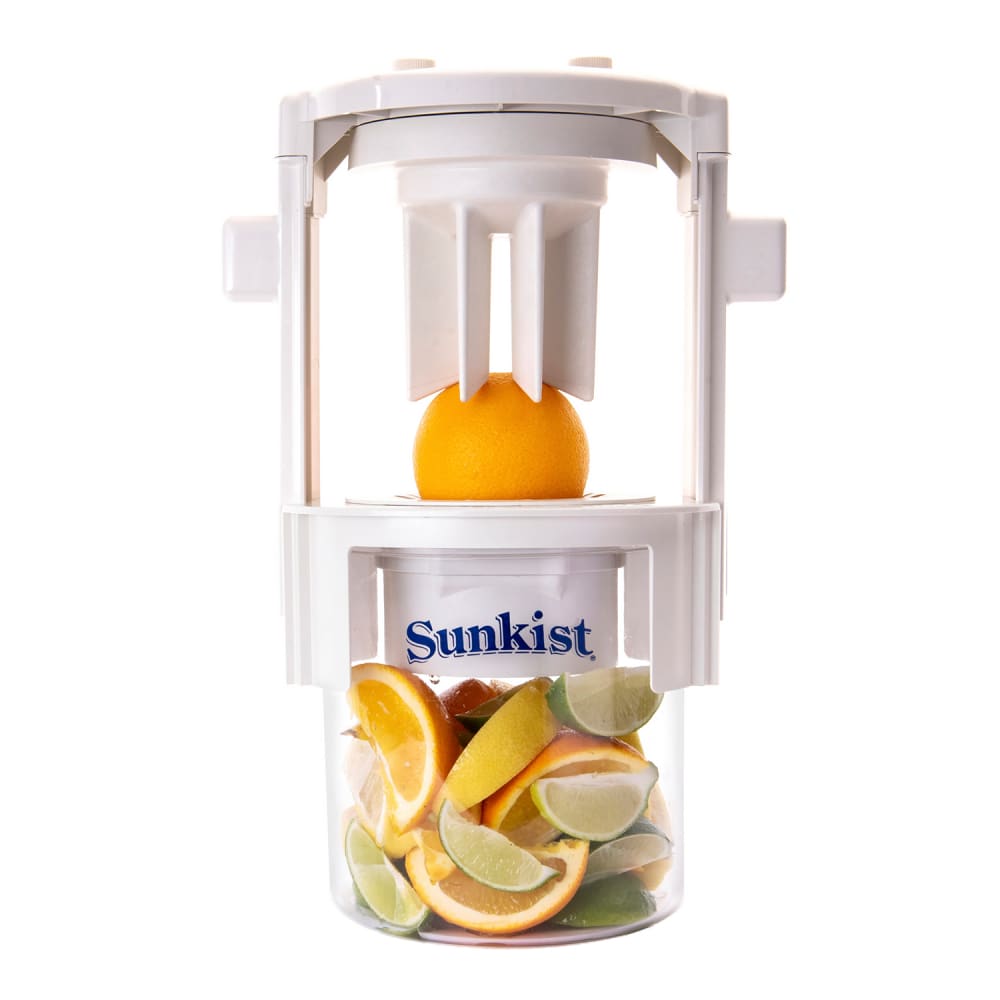
Fruit Corers and Wedgers — Reduce Prep Labor and Standardize Portions
In high-volume juice bars, hand-cutting every piece of fruit can slow prep. Fruit corers and wedgers help staff prep consistent pieces quickly to keep up with demand. Choose based on:
- Countertop vs. wall-mounted
- Desired wedge or slice size
- Daily prep volume
- Blade grid style
- Replacement blade availability
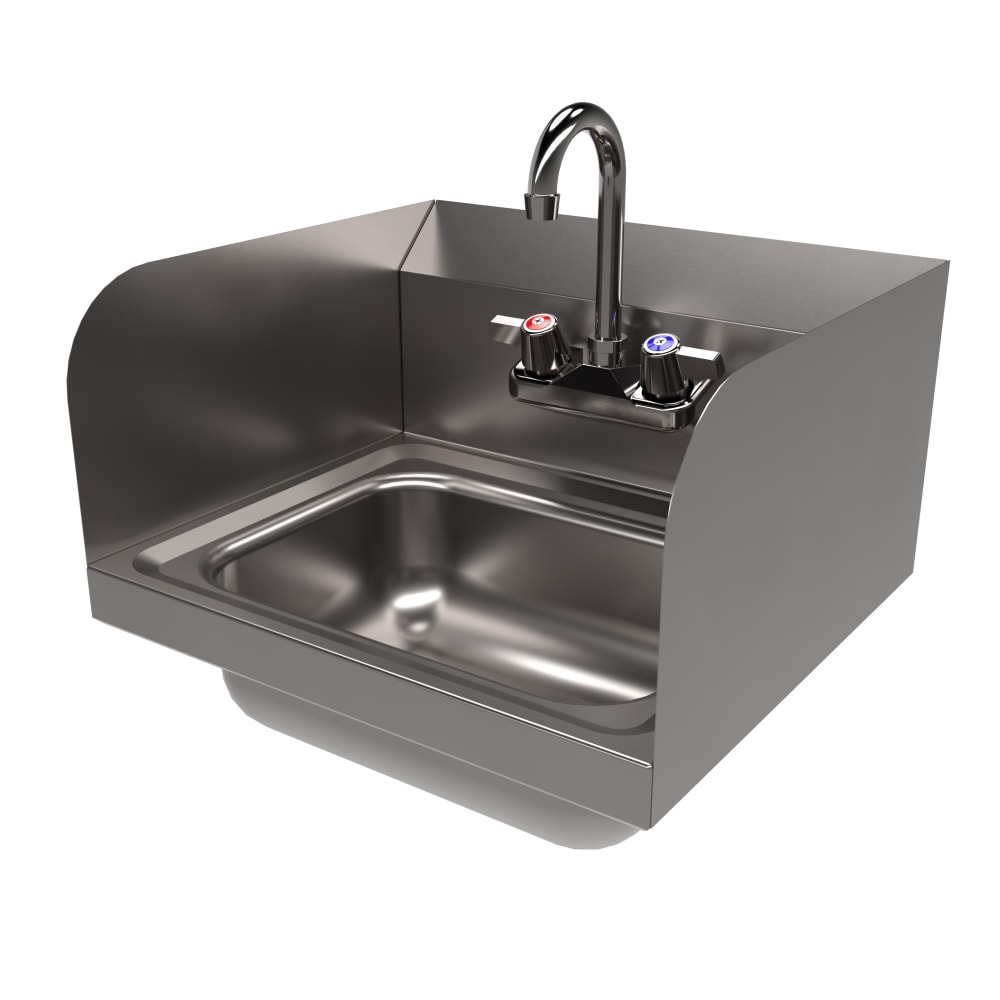
Sinks — Plan for Hand, Produce, and Equipment Washing
The cleaning workflow should be built into the layout. If dirty utensils or equipment must cross the customer line or block the blender station, the layout will slow service and increase mess during rushes. Create a workflow that ensures hands, produce, utensils, and equipment are washed as often as needed without disrupting service.
Where to Spend vs. Where to Save on Juice Bar Equipment
The highest-priced equipment is not necessarily the best fit for an operation. The right decision depends on which features directly improve speed, durability, food safety, consistency, or labor efficiency in the areas most needed for the concept to succeed.
Don't Order Until You Know
Before ordering any major juice bar equipment, confirm the following:
- Equipment dimensions
- Doorway and hallway clearance
- Voltage, phase, and amperage
- Water connections and drain requirements
- Production and capacity requirements
- Local code requirements
- Service access
Not sure whether a unit will work in your space? Ask a KaTom equipment specialist before ordering.
10. Set up Inventory, Technology, and Operating Systems
Strong operating systems help protect margins in a business that depends on fresh ingredients, consistent recipes, and fast service. Before opening a juice bar, take a look at the following areas:
11. Hire and Train Staff
Staffing should match both the menu and the equipment layout. Common roles for juice bar workers include:
- Production staff for blending and juicing
- Prep staff for washing, cutting, coring, portioning, and stocking
- Cashiers or front counter staff for ordering and pickup
- Shift leads for workflow, equipment, and quality checks
- Managers for ordering, scheduling, inventory, training, vendor communication, and customer relations
Training should cover:
- Recipes
- Equipment use
- Cleaning procedures
- Temperature checks
- Restock levels
- What to do in case of equipment failure
- Equipment startup and shutdown
- POS use
- Packaging
12. Market the Juice Bar and Prepare for Opening
Marketing should begin before the grand opening. A soft opening can help test your operation. A strong launch brings guests in, and a strong workflow helps encourage repeat visits. Plan for:
- A website with accurate contact, hours, menu, location, and parking information
- A Google Business Profile and other local business listings
- Social media profiles
- Menu and location photography
- Local partnerships and community outreach
- Opening-date promotion
- Email and SMS marketing, where appropriate
- Sampling opportunities where possible
- Branded cups, bottles, and shirts
Host a Soft Opening
Use a soft opening to test the juice bar under controlled demand and identify bottlenecks before the grand opening. Run a realistic production schedule and track where delays occur. Test:
- Order flow
- Ticket times
- Blender capacity
- Ice supply
- Refrigeration temperature and restocking
- Fruit prep speed
- POS and payment speed
- Online or mobile order pickup
- Staff communication
- Equipment performance
Juice Bar Opening Checklist
Use this checklist to track key planning, equipment, staffing, inspection, and opening tasks before launching a juice bar.
| Task | Complete? |
|---|---|
| Choose a juice bar concept | |
| Research competitors and local demand | |
| Develop preliminary menu | |
| Determine startup and operating costs; secure funding | |
| Evaluate location and utilities | |
| Register business | |
| Obtain licenses and permits | |
| Secure insurance | |
| Finalize menu and suppliers | |
| Design production workflow | |
| Create inventory and equipment list | |
| Verify equipment specs match available utilities | |
| Order and install equipment | |
| Set up POS and inventory systems | |
| Order and receive opening inventory | |
| Hire and train staff | |
| Complete required inspections | |
| Hold soft opening | |
| Address operational bottlenecks | |
| Host grand opening |
Ready to Build Your Juice Bar Equipment List?
KaTom can help juice bar operators compare commercial refrigeration, ice machines, blenders, food processors, juicers, juice dispensers, fruit corers and wedgers, and related equipment based on menu, space, utilities, expected service volume, and workflow. Choose equipment that supports the way the bar receives, stores, and prepares fruit and other ingredients during peak periods.
Frequently Asked Questions About Opening a Juice Bar
How much does it cost to open a juice bar?
Cost varies by location, construction requirements, menu, equipment capacity, and service model. Juice bars typically range from $30,000 for a small kiosk to over $100,000 for a full-service bar or smoothie shop.2 Use actual quotes, lease terms, contractor estimates, and local permit costs to build a final budget.
What type of juicer is best for a juice bar?
The best juicer depends on the menu. Menus focused on citrus juices may only need citrus juicers, while menus including other fruit and vegetable juices should use commercial juicers sized for the expected throughput. Consider made-to-order volume, batch production, cleaning time, pulp handling, counter space, electrical requirements, and service access.
Does every juice bar need a food processor?
A food processor is useful when the menu includes smoothie bowls, chopped fruit, sauces, toppings, spreads, salads, wraps, or high-volume produce prep. For a very simple smoothie or juice menu, a food processor may not be necessary.
Are fruit corers and wedgers worth buying?
It depends on the prep volume. Fruit corers and wedgers are worth considering when staff repeatedly prep fruits and need consistent cuts. They can improve portion consistency and speed during busy periods, making them a useful addition to high-volume juice bars.
References
- Juice Bar Market Size, Share & Growth Analysis, 2025-2033. Growth Market Reports. Accessed October 2026.
- How Much Does It Cost to Start a Juice Bar & Smoothie Shop? HowMuchToStart. Accessed October 2026.
