Donut Shop Equipment Startup Guide
Donut shops are on the rise due to their convenience and popularity among younger customers, who tend to prefer the customization and grab-and-go service found in many donut shops. The addition of mobile ordering, delivery, seasonal options, and loyalty programs has further driven donut shop engagement, whether through impulse purchases or bulk orders for meetings or special occasions. These trends have helped the global donut shop market size reach $10.29 billion in 2025, and it's expected to reach $13.23 billion by 2030.1
Opening a donut shop requires a defined menu, a set budget, the right location, and equipment sized for expected peak production. In this article, we'll cover everything a donut shop needs before opening.
Already planning your space? Talk to a KaTom equipment specialist about product and equipment sizing, utility requirements, and layout.
"One of the biggest mistakes operators make is buying only for today instead of thinking about future expansion," Kristina Powell, Business Development Manager at Baxter Mfg. told KaTom.
Key Takeaways
- Your concept and menu should drive your equipment list, not the other way around
- Size fryers, mixers, proofing cabinets, pan racks, display cases, and coffee brewers around peak demand rather than daily demand
- Evaluate gas and electrical capacity, water connections, ventilation, and equipment clearances before signing a lease or ordering major equipment
- Budget for startup costs plus working capital needed after opening
- Use a soft opening to test staff, equipment, and service flow before the grand opening
Donut Shop Startup Planning at a Glance
1. Decide What Type of Donut Shop to Open
The operation concept affects the menu, service speed, counter space, utility requirements, equipment needs, and whether drinks will be served.
Before choosing equipment, answer the following questions:
- Who are the target customers: commuters, students, office workers?
- Will the operation serve coffee or other drinks?
- How many donuts must be ready before rush periods?
- How many staff members can work comfortably behind the counter during peak service?
- What operational features will distinguish the business from nearby competitors?
- Will the shop cater events or deliver to offices and retail partners?
Not sure what equipment your concept requires? Talk to a KaTom specialist before finalizing the equipment list.
2. Research Your Market and Evaluate Locations
Market research defines target customers, expected demand, nearby competitors, and appropriate price points. The building should support donut production through utilities, ventilation, and gas supply availability.
Evaluating a new space? KaTom Design + Build can help assess equipment layout and site requirements before you make major purchasing decisions.
3. Create Your Donut Shop Business Plan
A donut shop business plan should connect the concept, menu, equipment, staffing, and budget into one operating model. The plan should outline how your operation will handle receiving, storage, donut production, service, and cleaning. Define the menu and volume assumptions before building the equipment list so purchases reflect the operation's actual needs.
4. Estimate Donut Shop Startup Costs
Donut shop startup costs vary widely by location, menu, seating options, and equipment needs. Instead of relying on a broad national average, build the budget by category and separate necessary opening costs from expenses that can wait.
5. Fund Your Donut Shop
Funding should cover construction, equipment, opening inventory, licenses, staff training, and working capital. A donut shop can still struggle after its creation if it opens without enough capital for payroll, ingredients, packaging, utilities, marketing, maintenance, and emergency costs. Common funding sources include:
- Owner capital
- Business partners
- Commercial loans or SBA-backed loans
- Investors
- Equipment financing or leasing, where appropriate
6. Register the Business and Secure Licenses
Donut shop licensing depends on the business structure, location, and local rules. Operators should plan for business registration, tax registration, and foodservice approvals before opening. The IRS provides free EIN applications directly through the IRS for businesses that need a federal tax identification number.2 Common requirements may include:
- Business registration
- Federal tax identification number
- State and local tax registration
- Foodservice permits
- Health department approval
- Certificate of occupancy
- Fire inspection
- Building permits
- Sign permits
- Mobile vending permits if operating a cart, truck, or kiosk
- Food manager certification
Requirements vary by jurisdiction. Confirm current rules, fees, application requirements, inspections, and food-safety procedures directly with the appropriate federal, state, and local agencies and qualified professionals.
7. Finalize the Menu and Supplier Plan
The menu should be finalized before the equipment list. A shop serving only donuts does not need the same equipment as a shop serving donuts, coffee, and breakfast items. After determining the menu, select ingredient suppliers and equipment that supports it.
8. Design the Layout for Efficient Workflow
The donut shop's layout should support service speed, quality, safety, cleaning, and restocking. A practical donut production flow may look like this:
- 1 Mixing
- 2 Sheeting and cutting
- 3 Proofing
- 4 Frying or baking
- 5 Filling and/or decorating
- 6 Packaging or displaying
Need help turning your menu and service model into a workable layout? Explore KaTom Design + Build.
9. Build the Donut Shop Equipment List
Dough Mixers — Match Mixer Type to Dough and Batch Size
Dough mixers affect consistency, labor, and production speed. A planetary mixer may fit shops that need versatility for batters, icings, fillings, and smaller dough batches. A spiral mixer may fit operations focused on yeast dough production because it is designed around dough development. Oversizing can waste floor space and money, while undersizing can force the machine to become overworked, harming its components and creating operational bottlenecks. Determine these details before buying:
- Yeast dough, cake batter, icing, filling, or mixed-use needs
- Average batch size by flour weight or finished dough weight
- Spiral vs. planetary mixer style
- Needed bowl capacity
- Accessory needs, such as paddles, whips, hooks, or bowl trucks
- Available voltage and phase
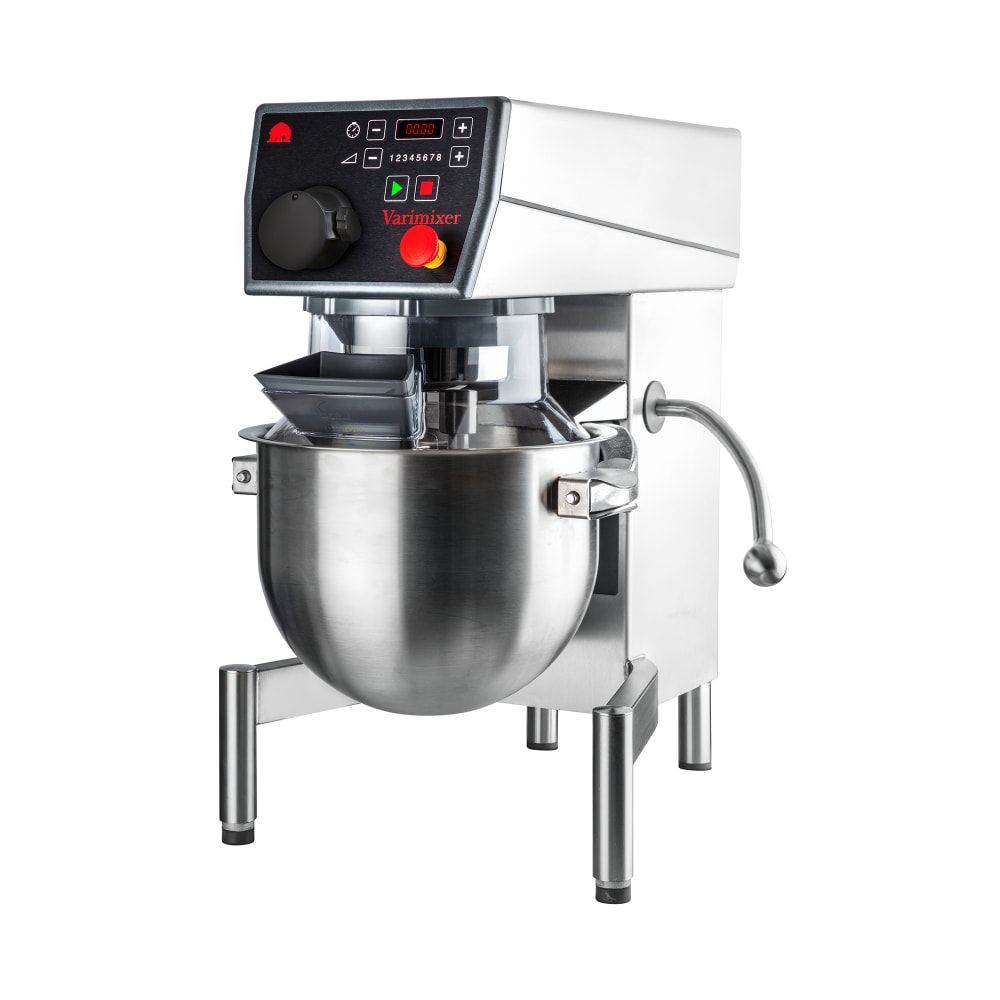
For additional guidance on selecting a mixer, check out KaTom's commercial mixers buyers' guide.
Donut Fryers — Size Frying Capacity Around Peak Demand
A donut fryer is the core production unit for most donut shops. Determine these details before buying:

- Peak hourly volume
- Dozens needed during the busiest hour
- Available counter or floor space
- Vat size and oil capacity
- Gas or electric utility availability
- Hood, ventilation, and fire suppression requirements
- Cleaning access and service clearance
Dough Sheeters — Standardize Dough Thickness Before Cutting
Dough sheeters help yeast donut shops roll dough to a consistent thickness before cutting, proofing, and frying. This consistency supports even proofing, predictable fry times, and uniform finished donuts. A small shop may be able to roll dough manually, while higher-volume shops often benefit from a sheeter because it reduces repetitive labor and helps staff maintain consistent results across larger batches. Determine these details before buying:
- Donut volume
- Dough batch size
- Desired dough thickness
- Maximum dough width
- Manual vs. automatic operation
- Space for loading, rolling, and receiving dough
- Staff training needs

Donut Cutters — Create Unique Shapes and Sizes
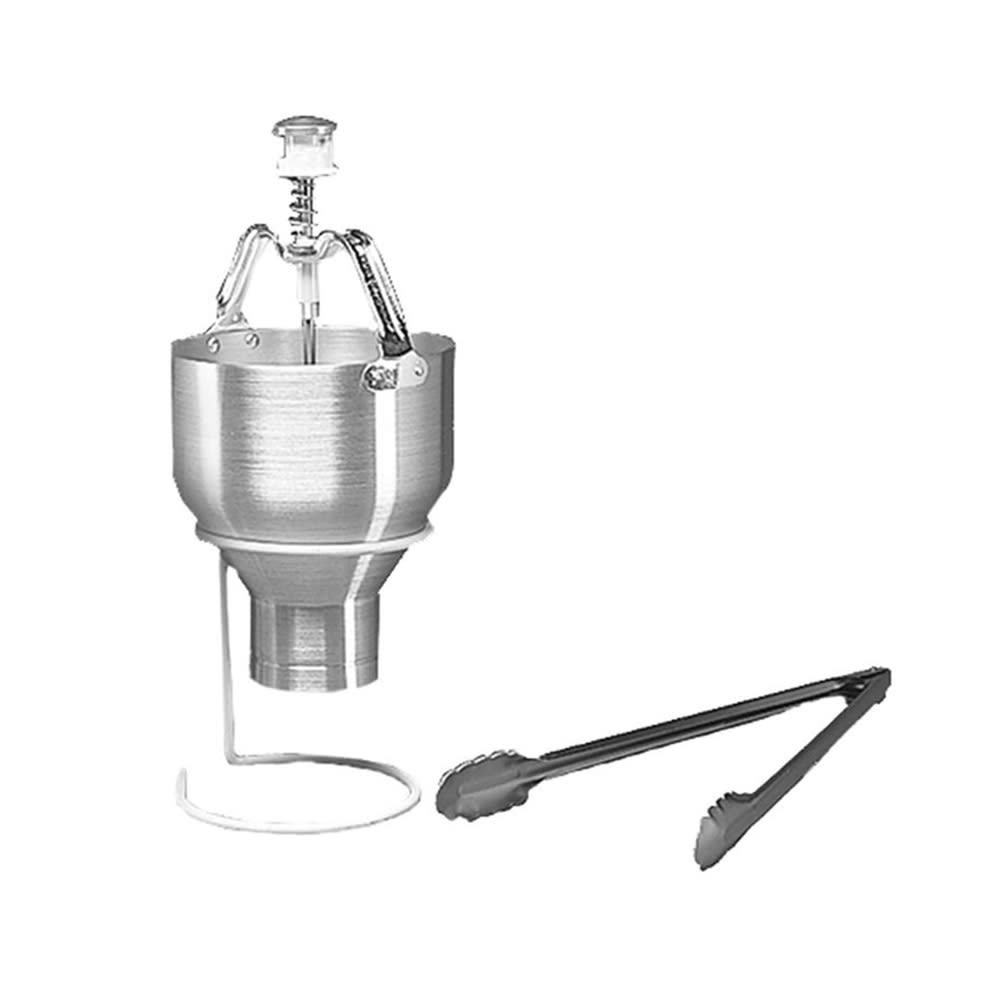
Donut cutters shape rolled dough into rings, specialty forms, or whole donuts for filling. The right cutter depends on the menu, desired portion size, and production volume. For cake donuts, operators may need a donut dropper or depositor instead of a cutter because batter is portioned directly into the fryer. Determine these details before buying:
- Donut styles on the menu
- Ring, round, filled, mini, or specialty shapes
- Desired finished donut size
- Cutter durability for repeated use
- Cleaning requirements
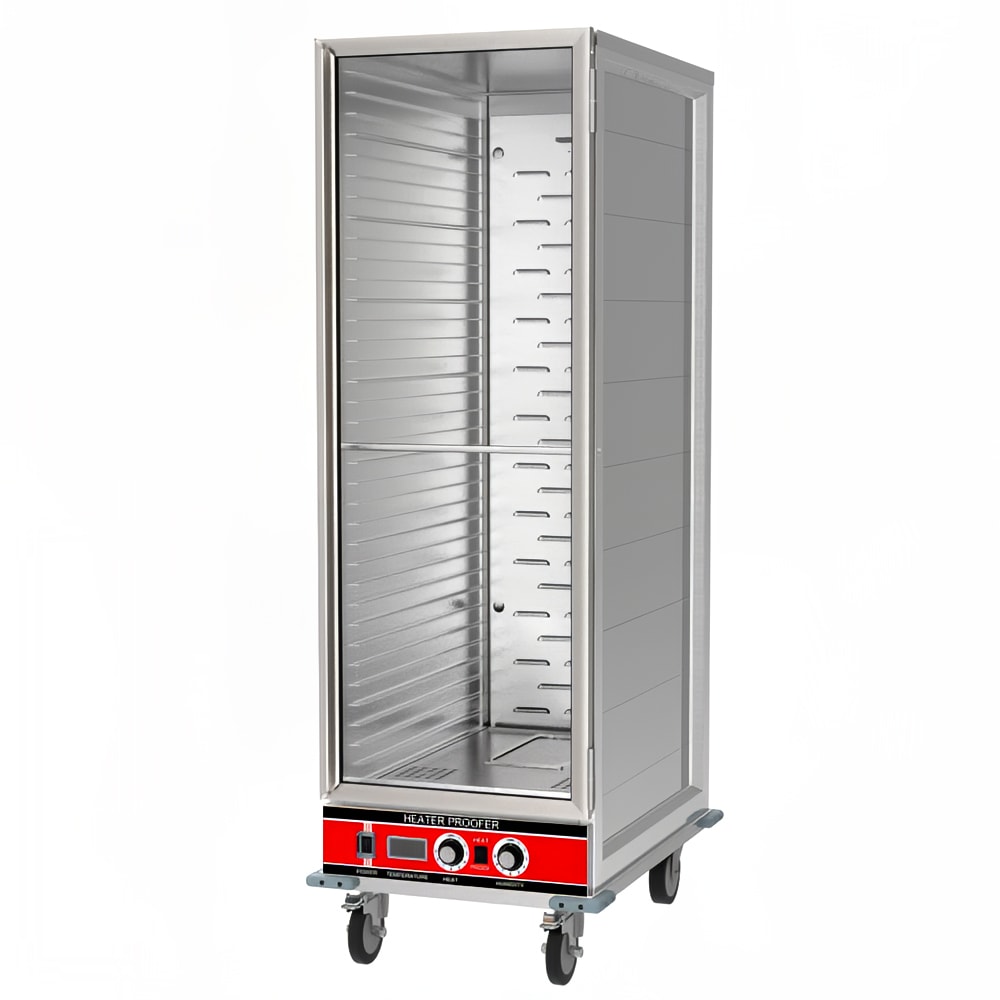
Proofing Cabinets — Control Conditions for Dough
Proofing cabinets help yeast donuts rise under controlled conditions before frying. A proofer must hold enough pans to maintain mixing, cutting, and proofing workflow without creating a bottleneck. Evaluate:
"Ceiling height, utilities, water, gas, electric, and flooring should all be reviewed before installing an oven or proofer," Powell said.
- Yeast donut volume
- Pans needed per proofing cycle
- Pan size and rack compatibility
- Temperature control and humidity needs
- Electrical requirements
Refrigeration — Store Ingredients, Fillings, Toppings, and Beverages
Refrigeration needs depend on the menu and delivery schedule. Donut shops may need cold storage for milk, creamer, donut fillings, icings, fruit toppings, and bottled beverages. Back-of-house ingredients may belong in reach-ins or undercounter refrigerators, while front-of-house beverages may need open-air coolers. Determine:
- Product types being stored
- Reach-in, walk-in, undercounter, prep table, or merchandiser needs
- Temperature requirements
- Available width and depth
- Peak cold inventory
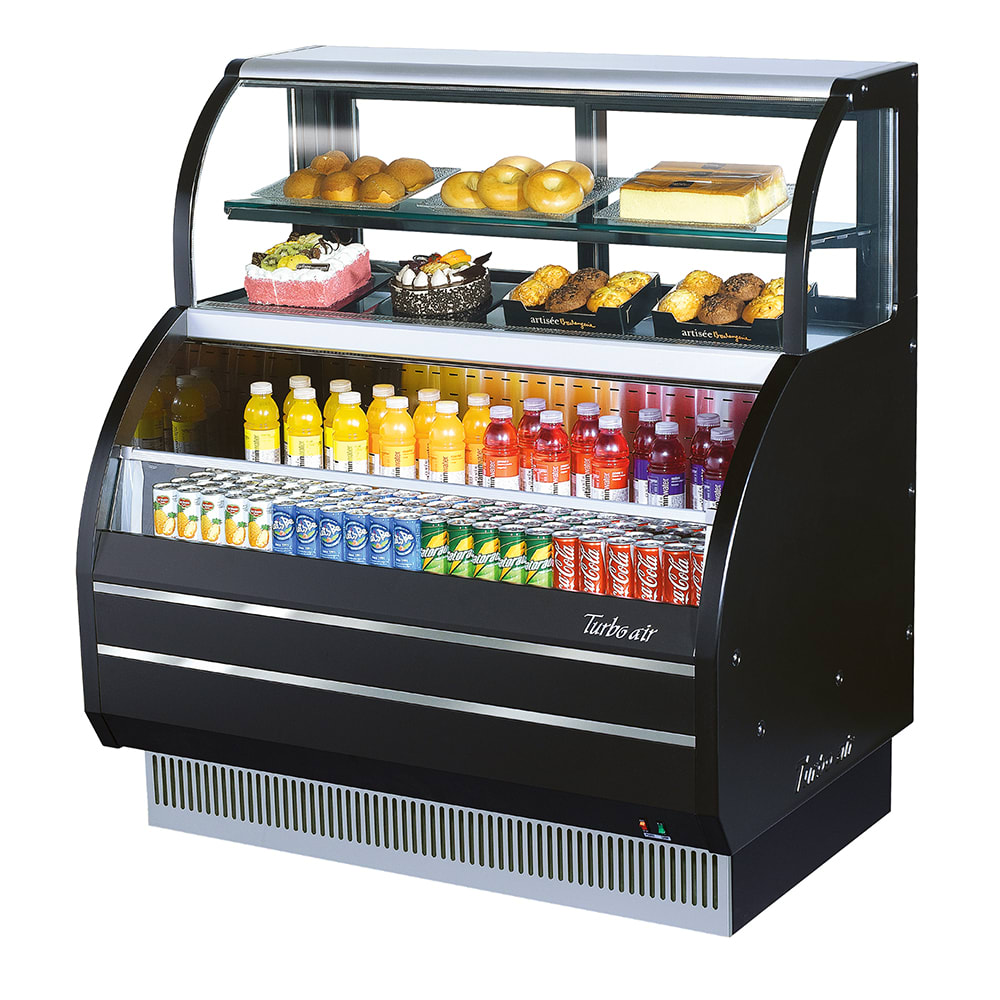
Display Cases — Merchandise Donuts to Customers
Full-service cases work well for classic counter service, while self-service cases may support wrapped or grab-and-go items. Refrigerated cases may be needed for products with perishable fillings or toppings. Determine these details before buying:
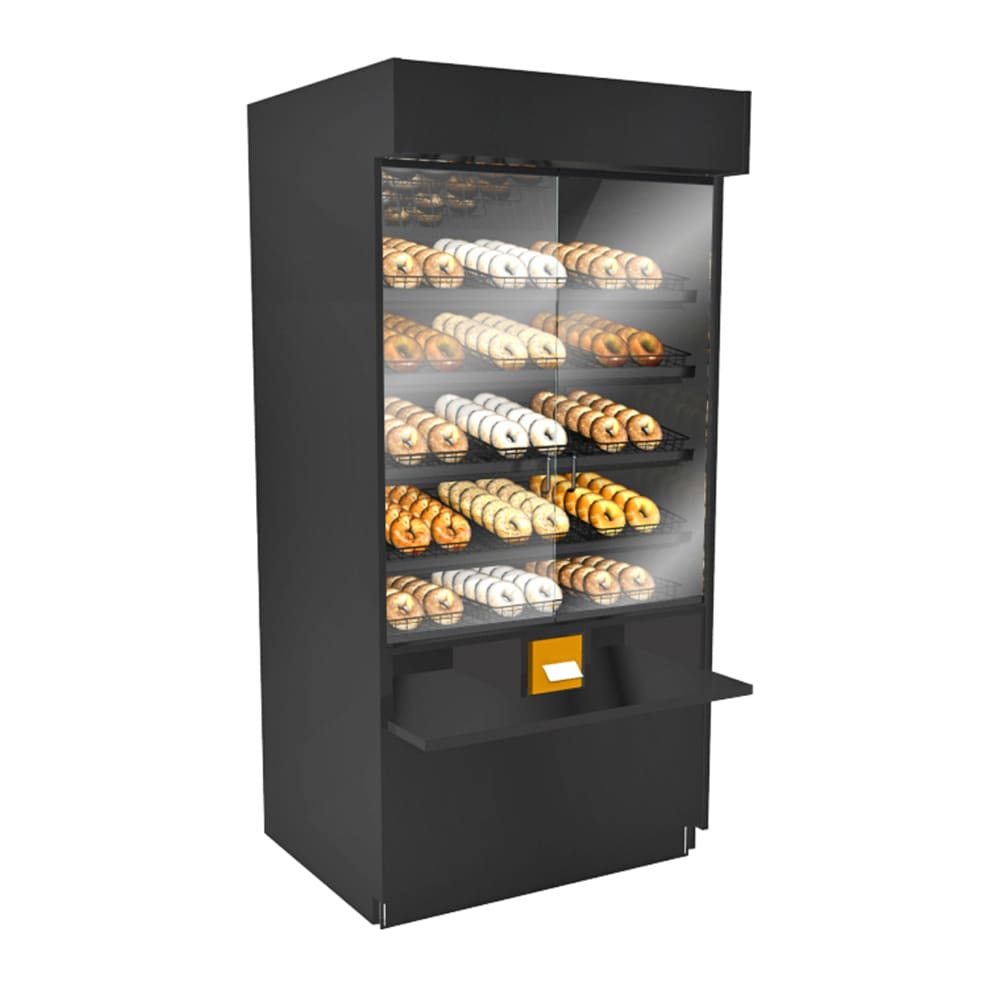
- Full-service vs. self-service setup
- Refrigerated vs. ambient display needs
- Case width and counter placement
- Lighting and merchandising needs
- Access for staff restocking
- Cleaning access and crumb management
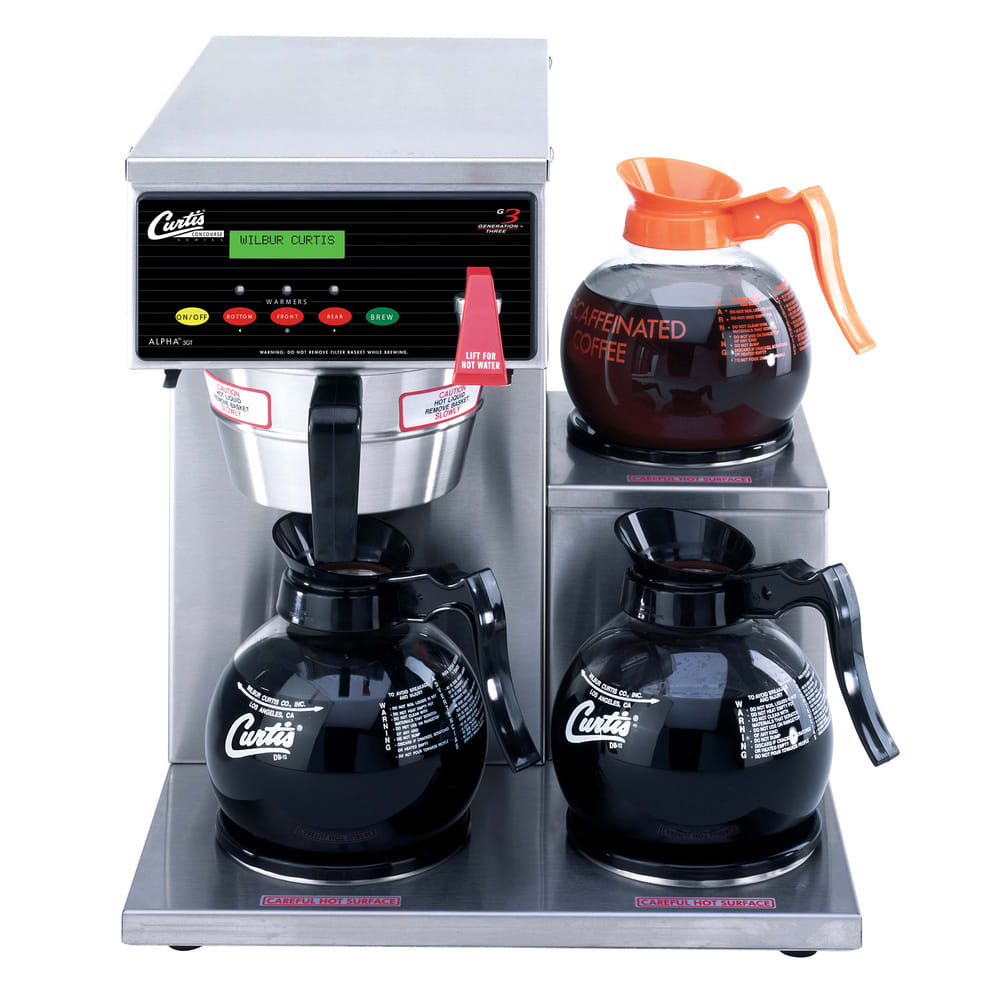
Coffee Brewers — Offer Everyone's Favorite Donut Companion
Coffee is a natural companion to donuts and is often served in donut shops. The coffee station should be sized around peak cup volume. A simple drip coffee maker may support fast counter service with lower staff involvement, while espresso drinks require more counter space and training. Determine these details before buying:
- Cups served during the busiest hour
- Drip, airpot, satellite, iced coffee, or espresso service
- Brew volume and holding method
- Whole-bean vs. pre-ground coffee to determine grinder needs
- Water connection and filtration needs
- Voltage requirements
- Counter space
- Milk and creamer refrigeration
Where to Spend vs. Where to Save on Donut Shop Equipment
A higher price does not automatically mean a better fit. Prioritize spending where equipment capacity, consistency, and durability affect production, and save where the equipment does not directly support the menu or expected volume.
Don't Order Until You Know
Do not order major donut shop equipment until the menu, production volume, site conditions, and installation requirements are clear. Know the following before buying:
- Equipment dimensions
- Doorway clearance
- Voltage, phase, and amperage
- Hood, ventilation, and fire suppression requirements
- Water connections and drain requirements
- Production and capacity requirements
- Local code requirements
- Service access
Not sure whether a unit will work in your space? Ask a KaTom equipment specialist before ordering.
10. Set Up Inventory, Technology, and Operating Systems
Donut shops run on repetition. Systems should help staff produce consistent batches, control waste, and move customers through the line quickly.
11. Hire and Train Staff
Staffing should reflect the equipment, menu, service volume, and layout. A donut shop typically needs bakers and fryers working before the shop opens to prepare donuts ahead of time. Common roles for donut shop workers include:
- Production lead or baker
- Fryer operator
- Dough mixer or prep
- Decorator or finisher
- Counter and packaging staff
- Coffee or beverage staff
- Manager
Training should cover:
- Recipes
- Fryer safety
- Proofing timing
- Oven operation
- Coffee brewing
- Restocking display cases
- Food safety
- Cleaning schedules
- POS use
- Packaging
12. Market the Donut Shop and Prepare for Opening
Preopening marketing should create awareness and test operations before the grand opening. Promote the concept, location, menu, hours, and opening date while staff practice real production and service flow. Provide:
- A website with accurate contact, hours, menu, location, and parking information
- A Google Business Profile and other local business listings
- Social media profiles
- Menu and location photography
- Local partnerships and community outreach
- Opening-date promotions
- Email and SMS marketing, where appropriate
Host a Soft Opening
Use a soft opening to test the donut shop under controlled demand and identify bottlenecks before the grand opening. Test:
- Dough mixing and batch timing
- Fryer recovery and oil management
- Cooling and finishing space
- Display case restocking
- Coffee brewer output
- POS operation and payment speed
- Packaging
- Staff communication
Donut Shop Opening Checklist
Use this checklist to track key planning, equipment, staffing, inspection, and opening tasks before launching a donut shop.
| Task | Complete? |
|---|---|
| Choose a donut shop concept | |
| Research competitors and local demand | |
| Develop preliminary menu | |
| Determine startup and operating costs and secure funding | |
| Evaluate location and utilities | |
| Register business | |
| Obtain licenses and permits | |
| Secure insurance | |
| Finalize menu and suppliers | |
| Design production workflow | |
| Create donut supplies and equipment list | |
| Verify equipment specs match available utilities | |
| Order and install equipment | |
| Set up POS and inventory systems | |
| Order and receive opening inventory | |
| Hire and train staff | |
| Complete required inspections | |
| Hold soft opening | |
| Address operational bottlenecks | |
| Host grand opening |
Ready to Build Your Donut Shop Equipment List?
KaTom can help operators compare fryers, ovens, dough mixers, dough sheeters, proofing cabinets, coffee brewers, display cases, prep tables, refrigeration, sinks, storage, and smallwares based on menu, production volume, available space, utilities, installation requirements, and service model. Choose equipment that supports the way the shop receives, stores, prepares, and serves donuts during peak periods.
Frequently Asked Questions About Opening a Donut Shop
How much does it cost to open a donut shop?
Costs vary by location, construction requirements, menu, equipment capacity, and service model. Use actual quotes, lease terms, contractor estimates, and local permit costs to build a final budget.
How much space does a donut shop need?
Space needs depend on the service model and production volume. A small drive-thru kiosk typically doesn't need front-of-house space, while a cafe needs seating, beverage service, and public restrooms. Back-of-house space should support storage, mixing, proofing, frying or baking, cooling, decorating, packaging, dishwashing, and waste handling without crowding staff.
What size fryer does a donut shop need?
A donut fryer should be sized based on peak hourly demand rather than daily sales. Estimate how many donuts must be ready before opening, how many batches will be fried during rushes, how long each batch takes, and how much recovery time the fryer needs between loads. Also verify gas or electric utilities, ventilation, hood requirements, and oil handling.
Do donut shops need a hood system?
Donut shops using a fryer need ventilation. The specific hood, fire suppression, and makeup air requirements depend on the fryer, fuel type, building, and local codes. Confirm requirements with local authorities before ordering fryers or signing a lease.
References
- Doughnut Market Size & Share Analysis - Growth Trends and Forecast (2025 - 2030). Mordor Intelligence. Accessed September 2026.
- Get an employer identification number. IRS. Accessed September 2026.

