Kitchen Cutting Boards
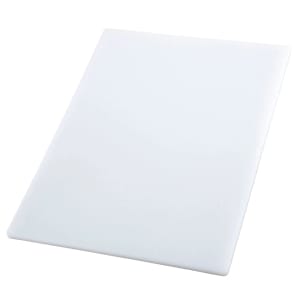
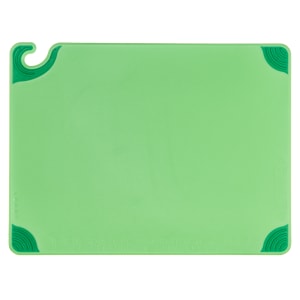
Plastic Cutting Boards
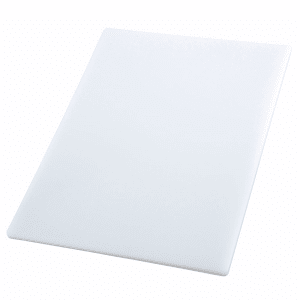
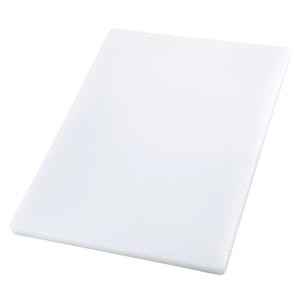
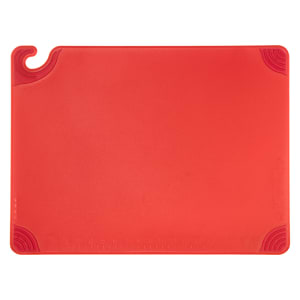
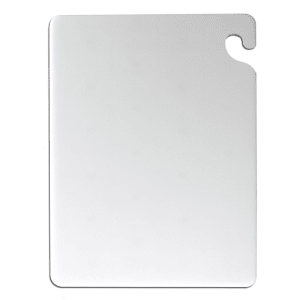
Plastic cutting boards, also known as polyethylene or poly cutting boards, are great for harder fruits and vegetables, as well as different meats.
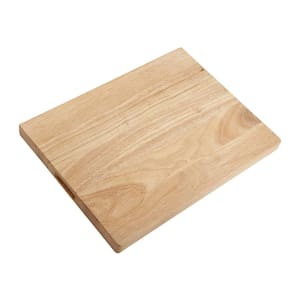
Wood Cutting Boards
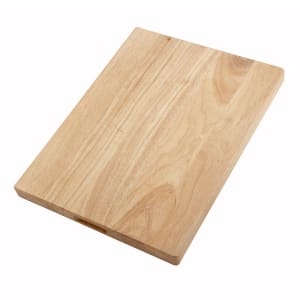
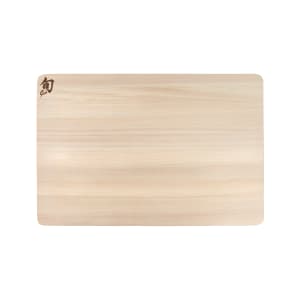
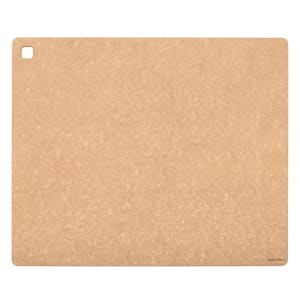
Wood cutting boards are ideal for cutting breads, and delicate fruits and vegetables. Choose one that will fit the needs of your kitchen here.
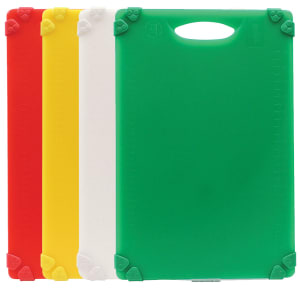
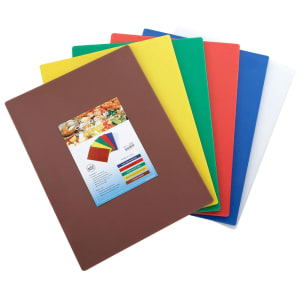
Cutting Board Sets
Whether you're stocking a commercial kitchen with multiple cutting boards or creating a color-coded safety system, KaTom has suitable cutting board sets here.
Cutting Board Care
Like most kitchen tools, cutting boards need a little routine maintenance. These cutting board care supplies will help fill complete those chores.
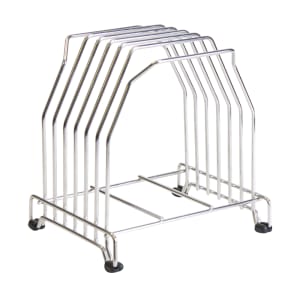
Cutting Board Display Racks
Cutting board display stands keep cutting boards upright, organized, and easy to access while ensuring safe storage in busy kitchens.
Bread & Cheese Boards
Give your guests the finest cheese service with a cheese board from this diverse selection.
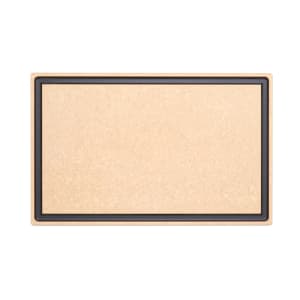
Composite Cutting Boards
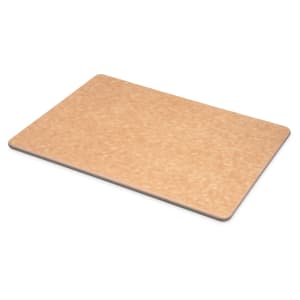
Stock your commercial kitchen with resin or composite cutting boards to provide chefs with durable prep surfaces made of alternative materials.
Cutting Mats
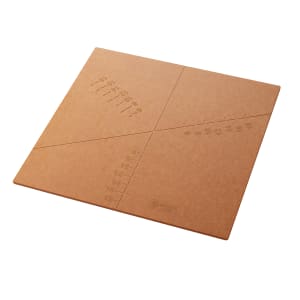
Cutting mats, or flexible cutting boards, are great for adding minced and chopped vegetables to soups or sauces. Find the one you need here.
Bar Cutting Boards
Bar cutting boards provide a sanitary space for your bartender to prepare garnishes and other beverage accompaniments. Browse through our selection here.
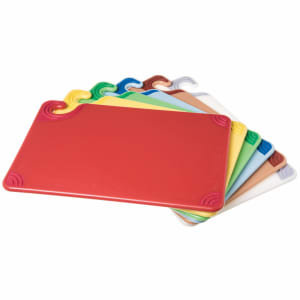
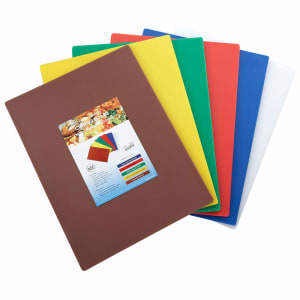
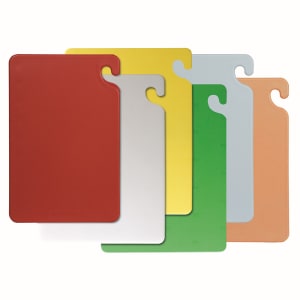
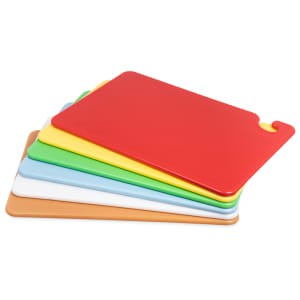
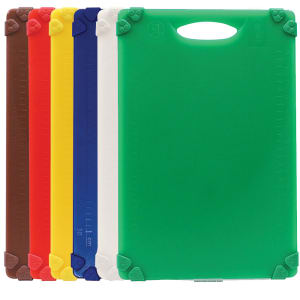
Color-Coded Cutting Boards
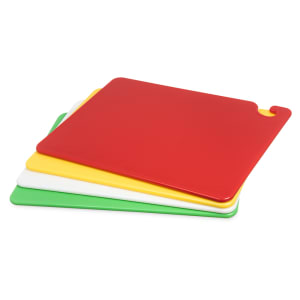
These color-coded cutting boards are available in red, blue, yellow, and more, making it easy to prevent cross contamination in prep areas.
Cutting Boards For Sale
Wholesale Cutting Boards: What You Need to Know
When comparing cutting boards for a commercial operation, it's important to consider total upfront cost, replacement frequency, and ease of maintenance, which can vary widely from one restaurant cutting board to another. Some locations will benefit more from cheap, replaceable boards that are easy to clean, while others will get better use out of a more high-cost alternative. Many operators end up opting for a mix of industrial cutting boards, including replaceable color-coded plastic boards for raw meat, fish, and poultry, and durable rubber or wooden boards for more labor-intensive chopping and slicing tasks.
Common Questions About Commercial Cutting Boards
What are commercial cutting boards made of?
Commercial cutting boards can be made from many materials, including plastic, rubber, composite, bamboo, and wood, but they are almost never made from glass or stone. Glass and stone boards are heavy, slippery, at a high risk of shattering, and extremely damaging to knife blades. For durability and sanitation purposes, most commercial kitchen cutting boards will be made of plastic, wood, or rubber.
- Plastic: The most economical commercial cutting board option, plastic is lightweight and can be washed in a dishwasher for easy cleanup. Although plastic tends to retain cuts, scratches, and stains, it's cheap and easy to replace, which makes this food service cutting board a popular option in many commercial establishments. Usually thinner and lighter than other options, plastic boards are easy to store and transport, and many are manufactured with rubber feet or backing to provide slip resistance.
- Composite: Composite boards are typically made of combined food-safe resin and wood fibers. Harder than most wood and more durable than most plastic, this kind of industrial cutting board lasts longer than plastic and can usually be washed in a dishmachine. They're heat-resistant and cheaper than wood, although they still cost more than most plastic boards. Composite boards may also require a rubber backing or wet dishtowel beneath the board to prevent slipping.
- Wood: A classic choice for chefs all over the world, wood is one of the best-known materials for restaurant cutting boards. Offering a softer surface than plastic, wood boards are gentle on knife edges and help reduce arm fatigue during repetitive chopping and slicing. Despite their softness, wooden boards resist scoring and scratching better than plastic; if the wood becomes damaged from repetitive cuts and chopping, it can usually be sanded smooth again. This type of wholesale cutting board provides chefs with high durability and an extended life span. Because they're thick and heavy, they resist slipping better than plastic or composite but are more difficult to store and transport. Wooden boards also cost more than plastic or composite and aren't dishwasher safe, requiring specialized cleaning and care with conditioning oils to prevent dryness and cracking.
- Rubber: Although they may not be as aesthetically pleasing as wood, wholesale cutting boards made of rubber offer similar advantages. They don't absorb liquid, making them resistant to bacterial deposits, and are the softest of all commercial cutting boards. These commercial cutting boards tend to be heavy, and the rubber provides a nonslip grip that prevents them from moving around unexpectedly while you chop and slice. Similar to wood, they can also be sanded and reused, but this kind of industrial cutting board doesn't require specialized care to prevent drying out and cracking over time. Because they're thinner than most wood options, these professional cutting boards can be stored efficiently, but some of them can't be cleaned in a dishwasher due to the danger of warping.
What is the most sanitary type of cutting board?
The most sanitary type of commercial cutting board for your needs depends on the type of food being prepped, frequency of use, and type of cleaning and sanitizing typically performed on it.
When monitored for damage and replaced often, plastic or composite boards can be a great option. New, unscored plastic and composite boards don't absorb liquids or shelter bacteria and can be washed in a high-temp dishwasher or soaked in hot water and bleach for thorough cleaning with minimal labor. Additionally, many plastic boards are available in color-coordinated sets that help prevent cross-contamination between meat, fish, and produce.
Despite these factors, plastic and composite boards can still become unsanitary over time due to scratching and wear. More susceptible to deep cuts than wood or rubber, plastic and composite boards that are heavily used tend to develop small crevices that harbor bacteria, leading to stains, odors, and the danger of cross contamination. To maintain sanitary use, it's important these boards be frequently inspected for deep cuts and discarded if they start to show signs of wear.
Commercial cutting boards made of wood tend to have natural resistance to bacteria, as well as the ability to seal up and eliminate cuts that could shelter food residue. In most cases, wood boards tend to retain less bacteria than plastic when the wood is properly cleaned, conditioned, and maintained. To maximize wood's natural resistance to bacterial growth, it needs to be washed by hand after every use and conditioned with oil every 1 to 2 weeks to prevent dryness and cracking.
When properly cared for and maintained by staff, wood is a sanitary option; however, it may not be the best choice for establishments that don't have the time or labor available for this type of maintenance.
Although rubber doesn't naturally absorb and neutralize bacteria the way wood can, many rubber restaurant cutting boards are enhanced with antimicrobial properties to inhibit the spread of germs. Like wood, rubber can also self-heal after use, closing small cuts to eliminate spaces where bacteria can hide. Some rubber cutting boards can be cleaned in a dishwasher for simplified maintenance, although this can vary from one board to another. Like wood, deep gouges in rubber can be sanded away, renewing the board's surface.
Regardless of which type of wholesale cutting board you choose, proper cleaning and maintenance is imperative for effective sanitation, and you should always keep raw meat cutting boards separate from other cutting boards.
What size cutting board do I need?
Small cutting boards are easy to lift and store but can be awkward to use when wielding a larger knife, and they can't hold enough product to be useful for bulk prep tasks. A small cutting board is most suitable for detailed tasks such as prepping small quantities of herbs or slicing garnishes behind the bar, where there isn't much room available.
For other types of prep work, most chefs choose commercial cutting boards between 12 to 15 inches wide and 18 to 20 inches deep as their general-purpose workhorse. Large enough for comfortable use with most knives but small enough to be lifted and moved without strain, cutting boards of this size are suitable for a wide variety of tasks.
Too bulky and unwieldy for most general kitchen work, large cutting boards are great for specialty tasks that require the extra space, such as trimming or deboning large cuts of meat or prepping a high volume of product, and they can even double as a serving board.
Shop KaTom's collection of the best wood cutting boards to find the right ones for your operation.