Lexan vs. Cambro: Comparing Food Storage Plastics
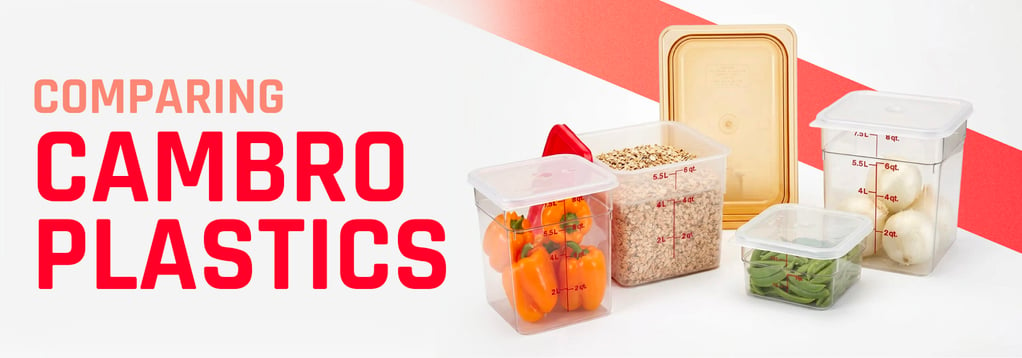
Lexan™ is a brand name for polycarbonate, a shatter-resistant, clear plastic resin used across many industries, including automotive, medical, and foodservice. Cambro is a leading manufacturer of food-safe plastic storage containers made with polycarbonate, polypropylene, ABS, and high-heat amber plastic. Each material is suited for high-volume commercial use and has distinct benefits and limitations.
Comparison Snapshot: Cambro Container Materials
About Lexan
Lexan is a brand name for polycarbonate, a thermoplastic known for high strength, impact resistance, and temperature resistance. German chemist Hermann Schnell developed and patented polycarbonate in 1953 while working for Bayer. The company called the product Makrolon®. Around the same time, chemist Daniel Fox developed a similar polycarbonate for GE Plastics called Lexan, which would later be used in new technology, space helmets, and bullet-resistant windshields. Lexan is still produced by SABIC, one of the world's largest petrochemical manufacturers based in Saudi Arabia. It is available in numerous grades, including UV-stabilized formulations designed for outdoor applications.
About Cambro
Cambro was founded in Los Angeles in 1951 by brothers Argyle and William Campbell. Today, the company offers a catalog of more than 17,000 products, including food containers, storage racks, and transport systems designed to meet the needs of modern kitchens. In 2023, Cambro introduced FreshPro, a new generation of plastic food storage containers to upgrade the brand's popular CamSquares®.
Comparing Cambro Plastics
Cambro's food storage containers, measuring devices, and food pans are molded with polycarbonate, polypropylene, ABS, and high-heat amber plastic.
Appearance
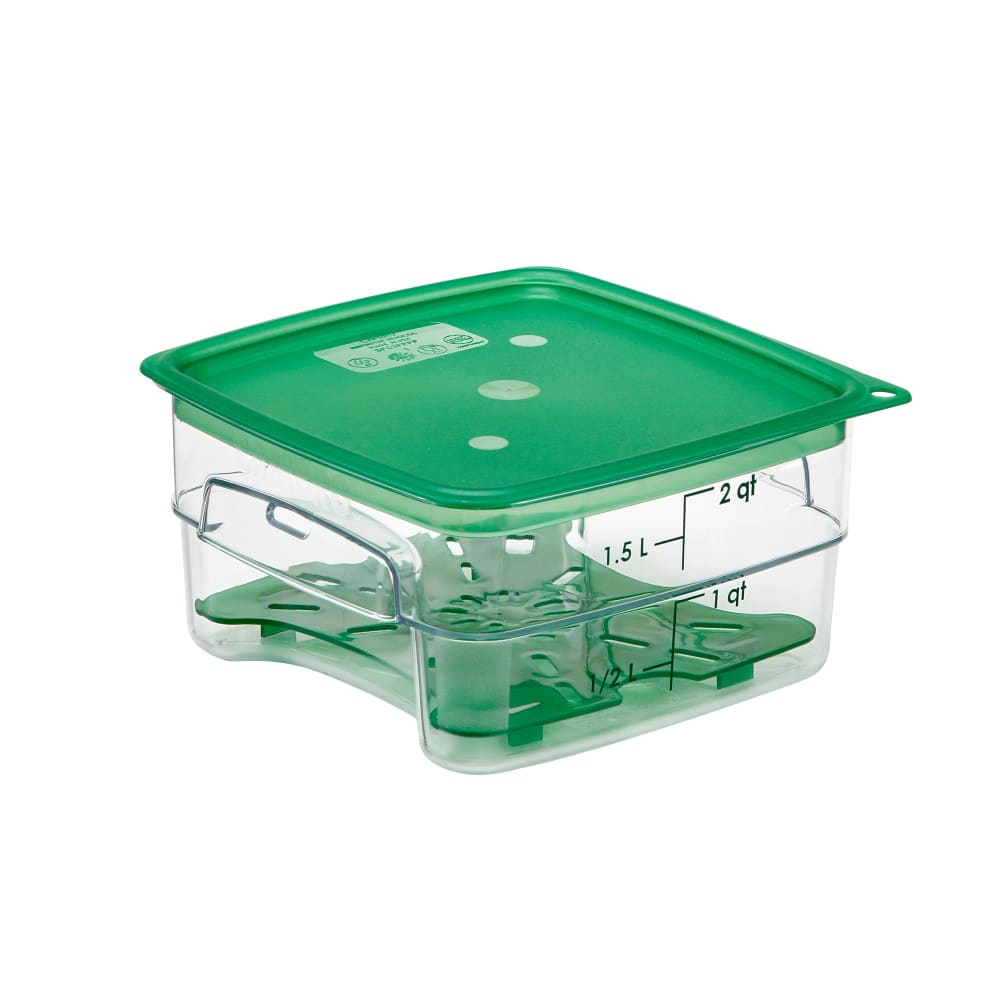
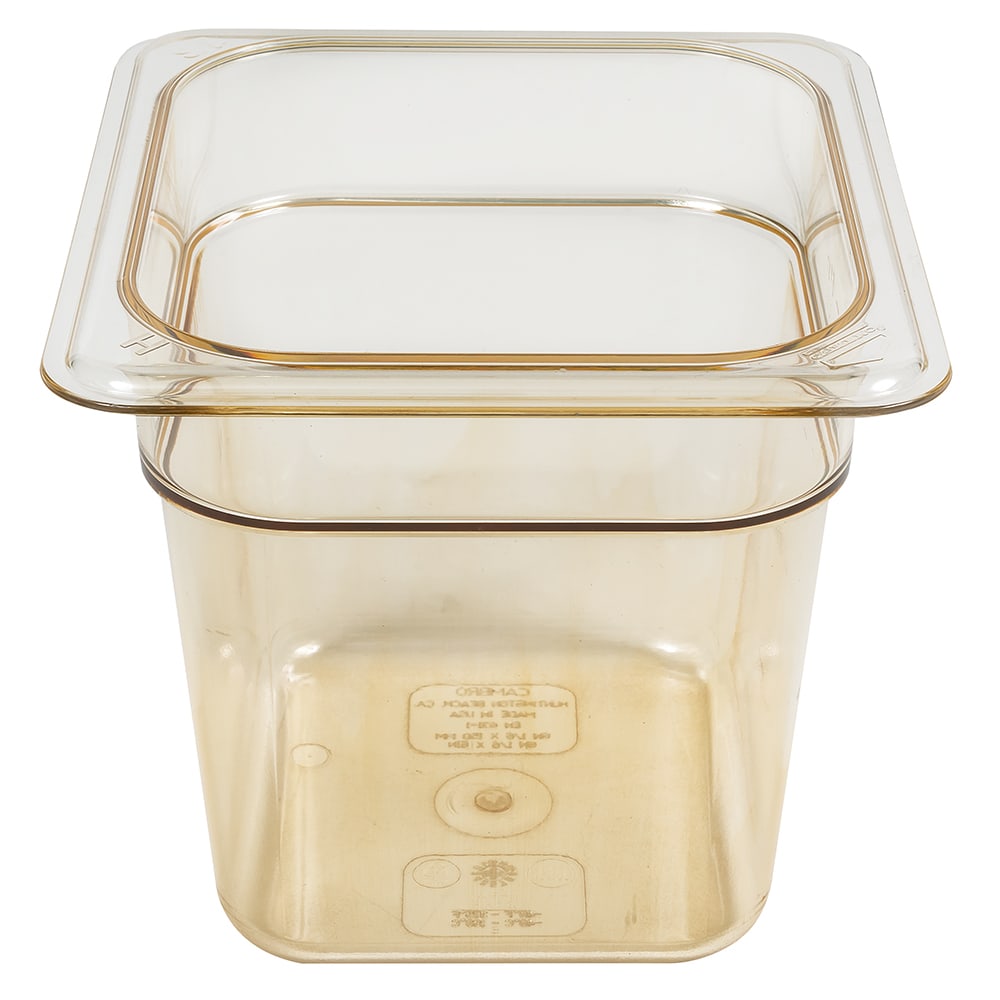
Polycarbonate is a naturally transparent plastic that can be manufactured in thousands of hues. Cambro's polycarbonate CamSquares and CamRounds™ are typically clear with red graduations printed on the sides. They resist stains and odors from ingredients. Polypropylene is easily molded but has a translucent surface, which may hinder product identification. FreshPro containers feature curved corners and molded-in, recessed handles for controlled pouring and easier handling. Cambro's high-heat H-Pans feature a distinct amber color to ensure workers don't place the wrong pan in hot conditions. Lastly, ABS Coldfest® containers come in solid black or white and are available in Gastronorm pan sizes. They feature thick walls filled with nontoxic refrigerant gel.
Durability
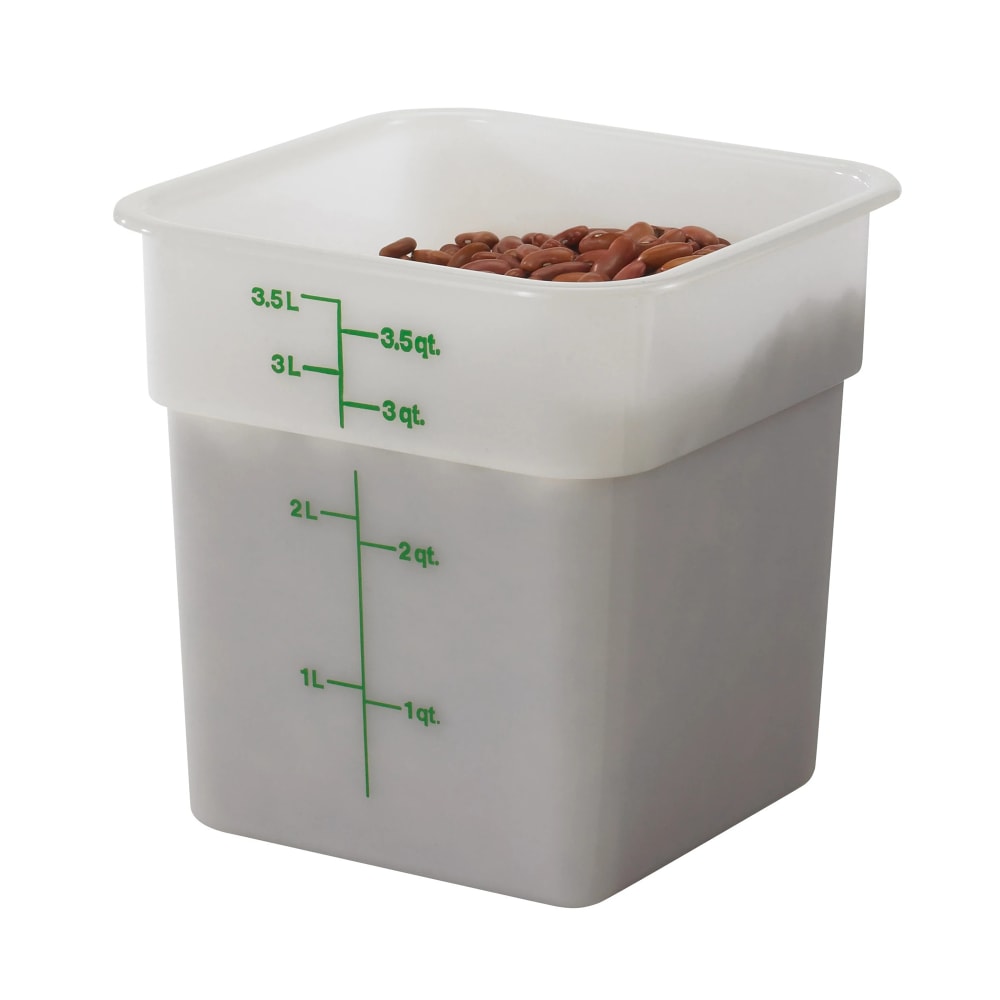
Polycarbonate containers are among the most durable plastic products, featuring shatter- and impact-resistant surfaces. They can be stored in refrigerators or freezers and can handle hot products, though they shouldn't be used for heating products or holding boiling liquids. Polypropylene containers are less durable, but their translucent appearance helps hide scratches. High-heat containers handle temperatures up to 375 degrees Fahrenheit and can be used for microwaving, roasting, and holding ingredients in steam pans. Because the material transfers heat more slowly than metal, the sides may be more comfortable to handle. The pans are also designed to resist bending and warping when used within their rated temperature range. ABS Coldfest containers are impact resistant and can be stacked together or placed in metal food bars. They're designed for cold holding and shouldn't be used with hot food.
Food Safety
When it comes to plastics, one of the primary food safety concerns is a substance called bisphenol A (BPA). This material is found in polycarbonate and some high-heat pans, but it's not found in polypropylene or pure ABS plastic. While several studies have raised concerns over BPA's potential impact on the endocrine system and reproductive health in humans, the FDA states that BPA is safe at the levels currently found in foods and continues to permit its approved uses in food containers and packaging.1
Value
Plastic containers and food pans provide a cost-effective and lightweight alternative to metal containers. Polypropylene is among the least expensive options, while Lexan polycarbonate, high-heat pans, and Coldfest ABS pans cost more but offer greater durability and a broader range of applications.
Choosing the Right Cambro Container
The best Cambro plastic depends on the job. Many operators collect multiple container types to fulfill different food prep and storage needs. Polycarbonate works well for holding fresh produce, sauces, or marinades that require close inspection and frequent transportation. Polypropylene products save money and are well suited for storing infrequently used ingredients or bulk staples that are easy to identify. H-Pans can move from cold storage to steam tables or ovens, helping streamline kitchen workflows. ABS is highly durable and ideal for portable cold service needs.
Shop Cambro at KaTom
Whether you're looking for durable Lexan pans or affordable polypropylene containers, KaTom offers numerous Cambro designs and sizes for food storage and service needs. Explore available options at KaTom to find the best solution for your kitchen.
References
- Bisphenol A (BPA): Use in Food Contact Application U.S Food & Drug Administration. Accessed July 2026.
