Choosing Korean Restaurant Equipment
Opening a Korean restaurant requires a clear concept, a realistic budget, a menu built around expected volume, and equipment that supports prep, cooking, holding, service, and cleaning. Finalize the menu, peak service demand, available space, and utility requirements before ordering Korean restaurant equipment so each purchase supports the operation.
Already planning your space? Talk to a KaTom equipment specialist about equipment sizing, utilities, ventilation, and workflow.
Key Takeaways
- Your concept and menu should drive your equipment list, not the other way around
- Budget for startup costs plus working capital needed after opening
- Evaluate utilities, ventilation, plumbing, and equipment clearances before signing a lease or ordering major equipment
- Refrigeration capacity is especially important for Korean restaurants storing marinated meats, banchan, kimchi, sauces, produce, and prepared ingredients
- Use a soft opening to test ticket times, equipment recovery, refrigeration capacity, payment flow, and staff movement before the first full-service day
Korean Restaurant Startup Planning at a Glance
1. Decide What Type of Korean Restaurant to Open
The first step to opening a Korean restaurant is defining the concept in operational terms. For instances, a Korean barbecue restaurant has different ventilation, grilling, refrigeration, and dining room needs than a hot pot restaurant. Choosing a concept early helps determine what equipment is essential, what can wait, and how the kitchen should be arranged.
Before choosing equipment, answer the following questions:
- Who are the target customers?
- What will customers primarily order?
- Will the restaurant focus on dine-in service, takeout, delivery, or a mix?
- Will grilling happen in the kitchen, at the table, or both?
- How many staff members are expected to work during peak service?
- What menu items or service model will distinguish the operation from nearby competitors?
Not sure what equipment your concept requires? Talk to a KaTom specialist before finalizing the equipment list.
2. Research Your Market and Evaluate Locations
Market research should define target customers, expected demand, nearby competitors, and appropriate price points. Location research should also confirm the space can physically support the equipment needed to produce menu items.
Evaluating a new space? KaTom Design + Build can help assess equipment layout and site requirements before you make major purchasing decisions.
3. Create Your Korean Restaurant Business Plan
A Korean restaurant business plan should connect the concept, menu, customer demand, equipment list, staffing, startup costs, and operating plan. The goal is to understand how the operation will function during daily service.
4. Estimate Korean Restaurant Startup Costs
Startup costs vary widely by location, menu, and equipment. Instead of relying on a broad national average, build the budget by category and separate necessary opening costs from expenses that can wait.
5. Fund Your Korean Restaurant
Funding should cover the startup phase and continued operation after opening. Operators also need working capital for payroll, rent, utilities, inventory, marketing, and maintenance. Common funding sources include:
- Owner capital
- Business partners
- Commercial loans or SBA-backed loans
- Investors
- Equipment financing or leasing, where appropriate
6. Register the Business and Secure Licenses
Opening a Korean restaurant in the U.S. involves business, legal, operational, and food safety requirements. Common requirements may include:
- Business registration
- Federal tax identification number
- Sales tax registration
- Foodservice permits
- Health department approval
- Food handler or manager certification
- Fire inspection
- Building permits
- Sign permits
- Music licensing
- Liquor license, if applicable
- Certificate of insurance
Requirements vary by jurisdiction. Confirm current rules, fees, application requirements, inspections, and food-safety procedures directly with qualified professionals and the appropriate federal, state, and local agencies.
7. Finalize the Menu and Supplier Plan
Korean restaurants often rely on a mix of cold storage, grilling, steaming, hot holding, tabletop service, and small-portion side dish service, so each menu decision affects equipment needs. The menu should be finalized before building out the equipment list.
8. Design the Layout for Efficient Workflow
The layout should support staff movement, prep speed, food-safety procedures, and restocking. A basic Korean restaurant workflow may look like this:
- 1 Receiving
- 2 Prep
- 3 Cooking
- 4 Plating
- 5 Serving
- 6 Cleaning
Key layout considerations include:
- Place refrigeration close to prep areas for meat, seafood, vegetables, sauces, and banchan
- Keep raw proteins separated from ready-to-serve ingredients and finished banchan
- Position grills, griddles, charbroilers, steamers, and ranges under appropriate ventilation
- Create a dedicated plating or assembly area for bowls, stews, banchan, and takeout orders
- Leave service access around refrigeration, steamers, rice cookers, and cooking equipment for cleaning and repairs
Need help turning your menu and service model into a workable layout? Explore KaTom Design + Build.
9. Build the Korean Restaurant Equipment List
Refrigeration — Match Cold Storage to the Menu
Commercial refrigeration supports ingredient safety, prep organization, and service speed. Refrigeration helps Korean restaurants store marinated meats, banchan, kimchi, vegetables, sauces, and prepared ingredients at safe temperatures. Before buying refrigeration, determine:
- Products being stored
- Delivery frequency
- Peak inventory
- Available width, depth, and height
- Door swing and staff traffic
- Voltage and plug requirements
- Reach-in, undercounter, prep table, or walk-in configuration
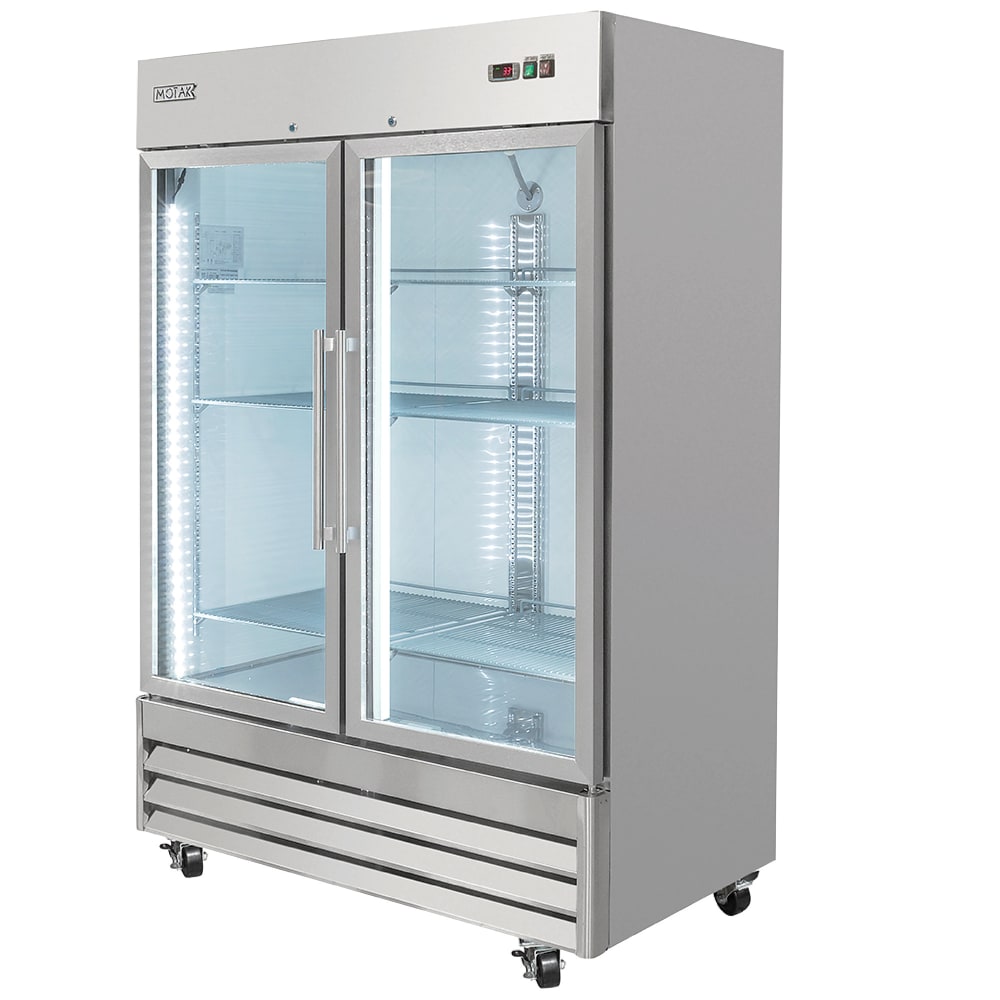
For additional guidance on selecting a refrigerator, check out KaTom's guide on choosing the best commercial refrigeration for your business.
Prep Tables — Organized Cold Ingredients for Fast Assembly
Refrigerated prep tables help staff keep frequently used ingredients cold, organized, and within reach during service. These units combine a refrigerated base, upper pan rail, and cutting board workspace, making them useful for assembling rice bowls, banchan, lettuce wraps, garnishes, sauces, marinated proteins, and takeout orders. Choose prep tables based on:
- Number of menu items that require cold assembly
- Number of ingredients needed on the line
- Pan capacity and pan layout
- Cutting board depth
- Available width, depth, and height
- Cleaning and sanitizing process
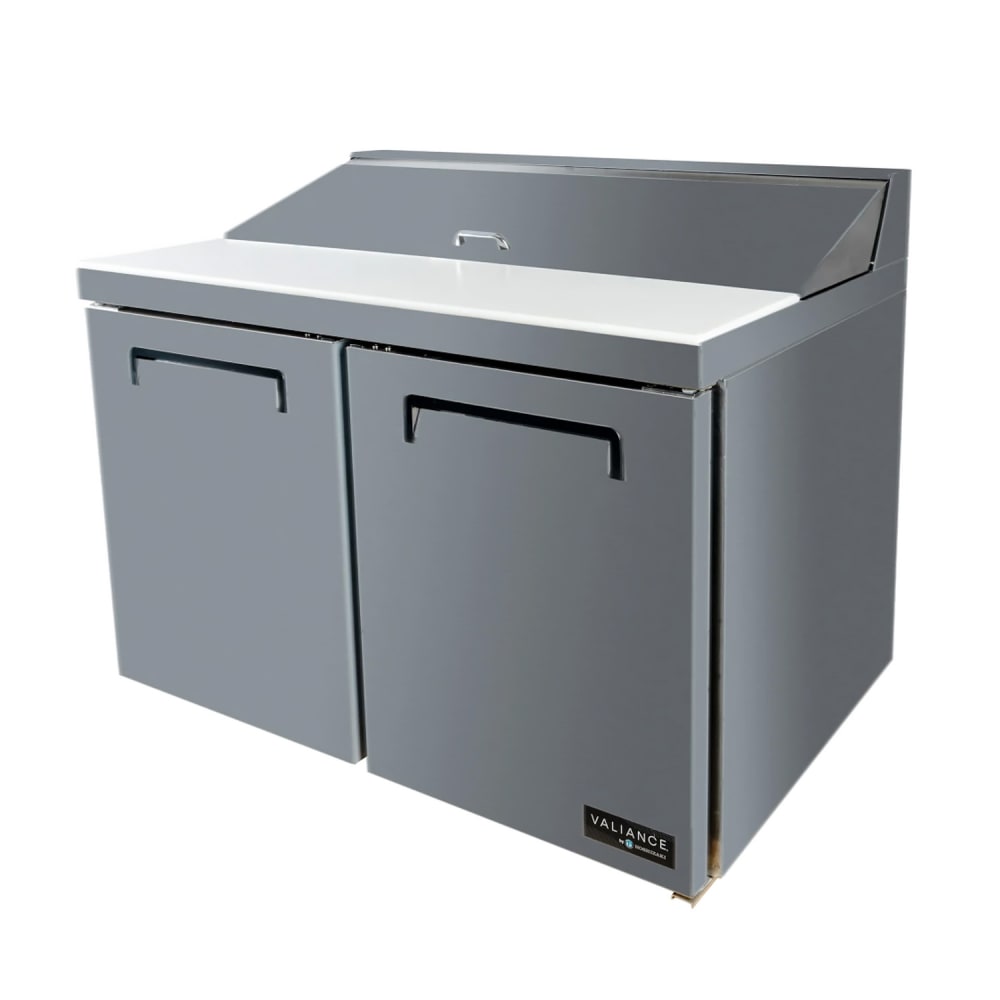
For additional guidance on selecting a prep table, check out KaTom's food prep tables buyers' guide.
Grills, Griddles, and Charbroilers — Choose by Menu, Heat Source, and Service Style
Grilling capacity should match the restaurant's busiest period. Flat-top griddles and charbroilers support Korean barbecue, bulgogi, galbi, seafood, and grilled vegetables. Before buying grills or griddles, determine:
- Expected grilling volume during the busiest hour
- Cooking surface size needed
- Gas or electric requirements
- How grease will be managed
- Hood and ventilation requirements
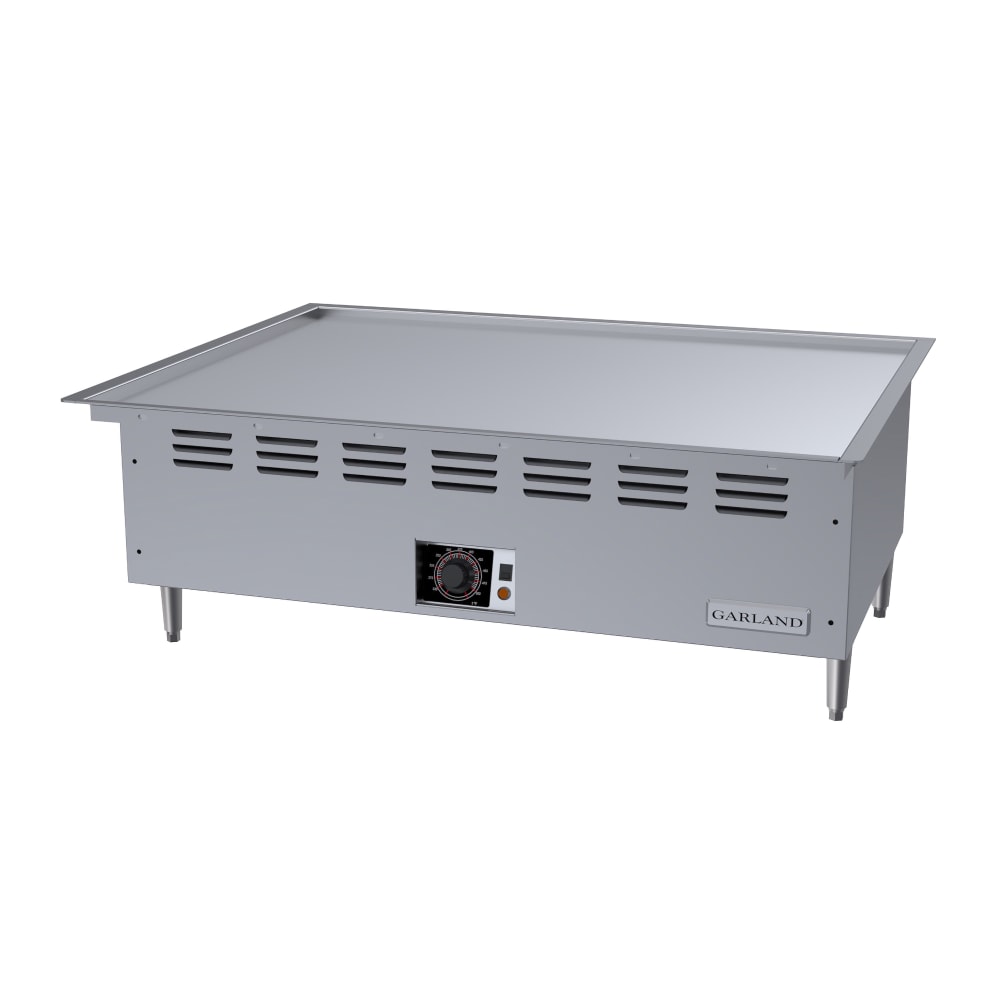
KaTom's article on choosing the right commercial griddle can provide additional guidance when selecting a model.
Steam Cooking Equipment — Build for Efficient Batch Production
Steam cooking equipment can support batch prep and the high-volume production of steamed dumplings and vegetables. Steamers, braising pans, tilt skillets, and steam kettles can prepare common menu items found in Korean restaurants. Key considerations include:
- Pan capacity or batch volume
- Water connection needs
- Drain requirements
- Gas or electrical requirements
- Hood or ventilation requirements
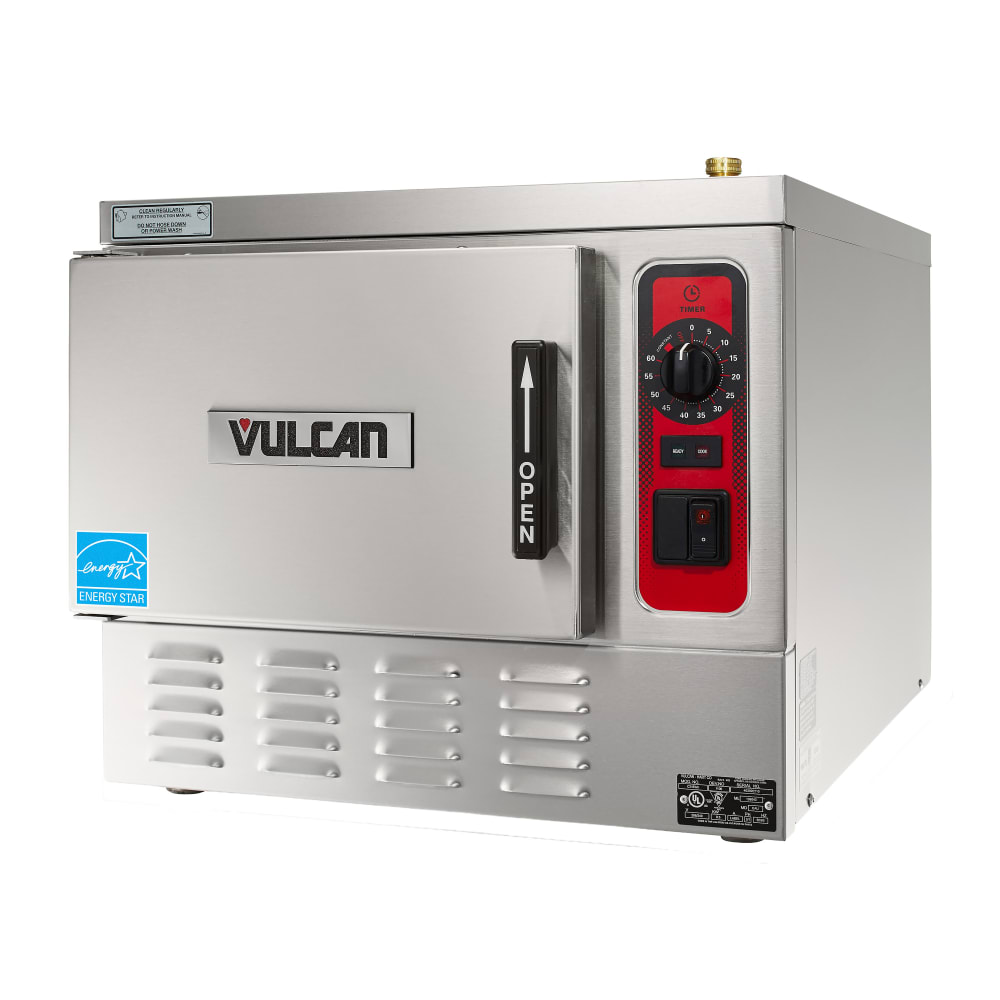
KaTom's article on choosing the right commercial steamer for your kitchen provides additional guidance on selecting a steamer for your operation.
Rice Cookers — Size Rice Production for Peak Service
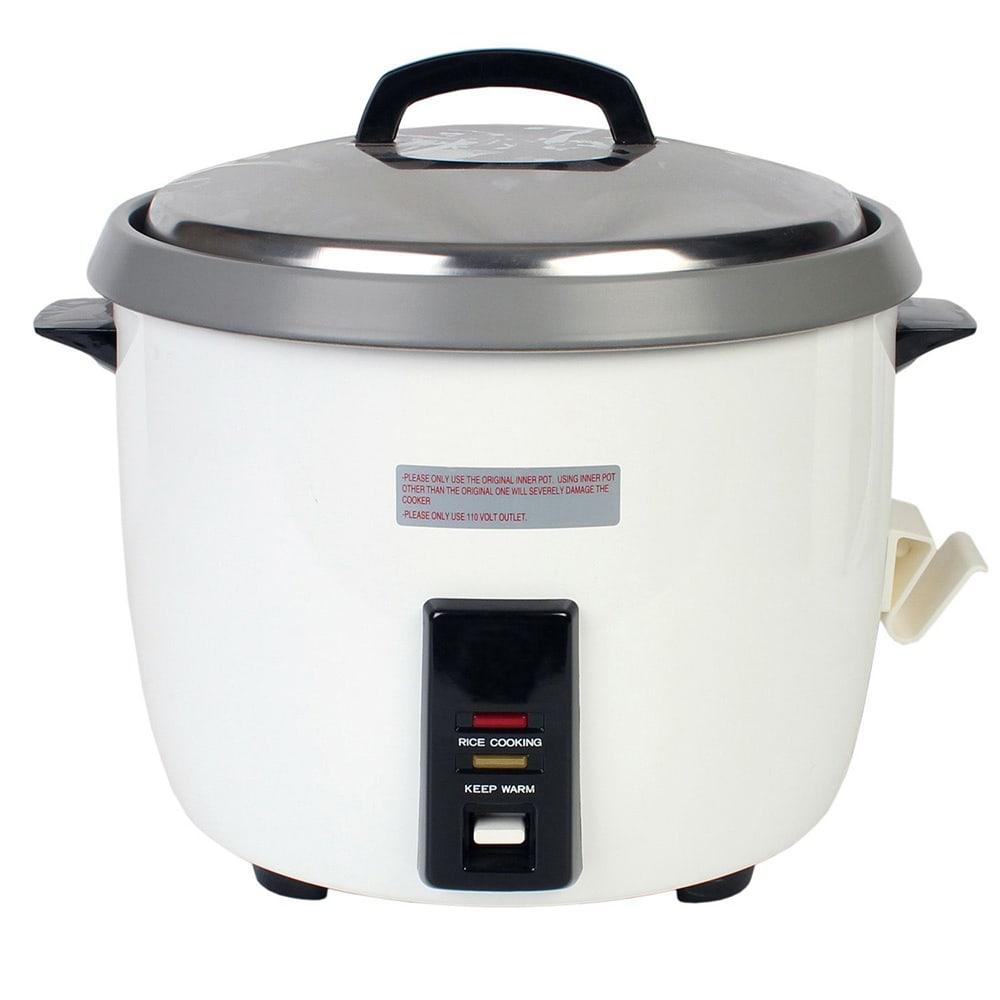
Rice is a core part of many Korean menus, so rice production should be sized around peak demand instead of average daily demand. Choose a rice cooker based on:
- Cooking time and batch schedule
- Holding time before quality declines
- Counter or floor space
- Cleaning requirements
- Voltage requirements
Asian Dinnerware — Consistent Table Service
Bowls and dinnerware affect presentation, portion control, and dishwashing volume. Select Asian dinnerware by evaluating:
- Portion sizes
- Menu items served in bowls
- Dine-in vs. takeout volume
- Breakage and replacement stock
- Material preferences
- Presentation style

Where to Spend vs. Where to Save on Korean Restaurant Equipment
The most expensive equipment is not always the best fit. Spending should follow the restaurant's concept, menu, volume, and site conditions.
Don't Order Until You Know
Before ordering major Korean restaurant equipment, confirm the equipment will fit the site, connect to available utilities, and support the required output. Verify:
- Equipment dimensions
- Doorway clearance
- Voltage, phase, and amperage
- Ventilation and hood requirements
- Fire-suppression requirements
- Water connections and drain requirements
- Production or capacity requirements
- Installation requirements
- Cleaning access
Not sure whether a unit will work in the space? Ask a KaTom equipment specialist before ordering.
10. Set up Inventory, Technology, and Operating Systems
Systems determine how staff receive inventory, prep food, track orders, maintain food quality, and keep equipment operating properly. Review the following areas and topics:
11. Hire and Train Staff
Staffing should reflect the restaurant's menu and workflow. A Korean barbecue restaurant needs staff trained on meat handling, grill timing, ventilation awareness, and table service. A hot pot operation needs staff trained on handling soup warmers and using stock pots on stovetops. Common roles include:
- Prep cook
- Line cook
- Grill cook
- Rice production staff
- Dishwasher
- Food runner
- Owner/manager
Training should cover:
- Opening and closing procedures
- Equipment startup and shutdown
- Refrigeration checks
- Rice production
- Grill cleaning
- Handwashing and food-safety procedures
- POS and payment handling
- Fire extinguisher procedures
12. Market the Restaurant and Prepare for Opening
Marketing should begin before the grand opening so customers know the concept, menu, location, and service style. Pre-opening marketing may include:
- Website with accurate contact, hours, menu, location, and parking information
- Google Business Profile and local business listings
- Social media profiles
- Photography
- Local partnerships and community outreach
- Opening-date promotion
- Email and SMS marketing, where appropriate
Host a Soft Opening
A soft opening should function as an operational test to evaluate service and identify bottlenecks before the grand opening. Test:
- Ticket times
- Equipment performance
- Rice production and holding
- Refrigeration and freezer performance
- Grill and steamer output
- Plating and bowl assembly
- Takeout packaging
- POS and payment connectivity
- Staff communication
- Cleaning and restocking process
Korean Restaurant Opening Checklist
Use this checklist to track key planning, equipment, staffing, inspection, and opening tasks before starting a Korean restaurant.
| Task | Complete? |
|---|---|
| Choose a Korean restaurant concept | |
| Research competitors and local demand | |
| Develop preliminary menu | |
| Determine startup and operating costs and secure funding | |
| Evaluate location and utilities | |
| Register business | |
| Obtain licenses and permits | |
| Secure insurance | |
| Finalize menu and suppliers | |
| Design kitchen and service workflow | |
| Create supplies and equipment list | |
| Verify equipment specs, utilities, and ventilation requirements | |
| Order and install equipment | |
| Set up refrigeration and storage | |
| Set up POS and inventory systems | |
| Hire and train staff | |
| Complete required inspections | |
| Hold soft opening | |
| Address operational bottlenecks | |
| Host grand opening |
Ready to Build Your Korean Restaurant Equipment List?
Korean restaurant equipment should be sized and configured based on the building's dimensions and utility capacity. KaTom can help operators compare commercial refrigeration, prep tables, grills, steamers, rice cookers, and dinnerware based on menu, space, utilities, volume, and workflow.
Frequently Asked Questions About Opening a Korean Restaurant
How much does it cost to open a Korean restaurant?
The cost of opening a Korean restaurant in the U.S. depends on the location, size, buildout needs, menu complexity, and equipment requirements. Rather than looking at a national average, inspect each category carefully to determine the full cost ahead of time.
What licenses are needed to open a Korean restaurant?
Common requirements include business registration, a federal tax identification number, foodservice permits, health department approval, sales tax registration, certificate of occupancy, fire inspection, building permits, and food handler or food manager certifications. A liquor license is also required if the restaurant serves alcohol. Requirements vary by jurisdiction, so confirm local rules before opening a Korean restaurant.
How much refrigeration does a Korean restaurant need?
Refrigeration should be sized around the menu, peak inventory, and delivery frequency. Restaurants storing marinated meats, seafood, kimchi, banchan, sauces, vegetables, and prepared ingredients may need reach-in refrigerators, walk-in coolers, and refrigerated prep tables.
How do you choose the right grill for a Korean restaurant?
Choose grilling equipment based on menu, expected peak volume, cooking surface size, heat source, recovery time, ventilation, grease management, and cleaning requirements. A Korean barbecue restaurant typically needs more grilling capacity than a restaurant with only a few grilled menu items.
