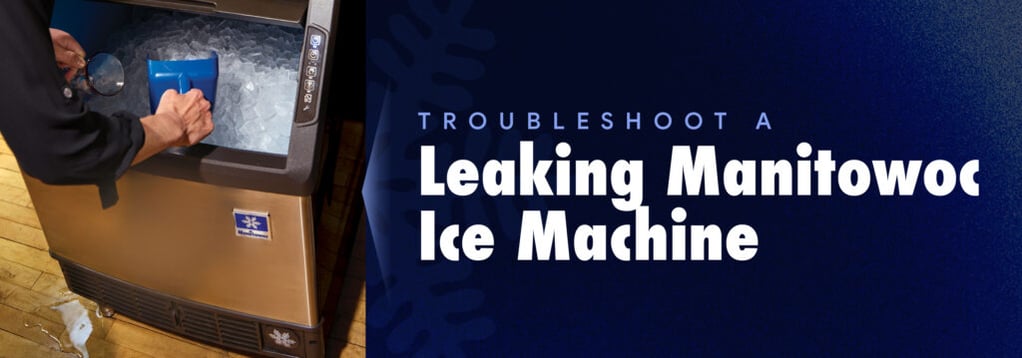
Why Your Manitowoc Ice Machine Is Leaking Water
Ice machines with unaddressed leaks can cause hazardous working environments and damage to floors and equipment. Manitowoc ice machines are built for lasting performance, but they can develop leaks for various reasons, requiring prompt troubleshooting and service calls.
Top Causes of Leaking Manitowoc Ice Machines
- Faulty water pumps
- Damaged water lines
- Inlet valve problems
- Clogged drains
- Dirty components
- Improper installation
Common Reasons Manitowoc Ice Machines Leak Water
If you notice water pooling around your Manitowoc ice maker, unplug the machine and inspect the following areas:
Faulty Water Pumps
A malfunctioning pump can lead to leaks caused by overwork, overheating, or operating without water, or they may lose power due to faulty wiring or control board issues. Inspect your pump for damage and consult a technician if needed.
Damaged Water Lines
Inspect water lines for cracks, loose connections, or kinks. This includes inlet water lines and lines within the machine. Water lines may become damaged due to improper installation, buildup within piping, wear, or excessively high pressure. Once you determine the source and cause of the leak, find what you need to replace. If your inlet water line is damaged, you may need to remove and replace it.

Water Pump
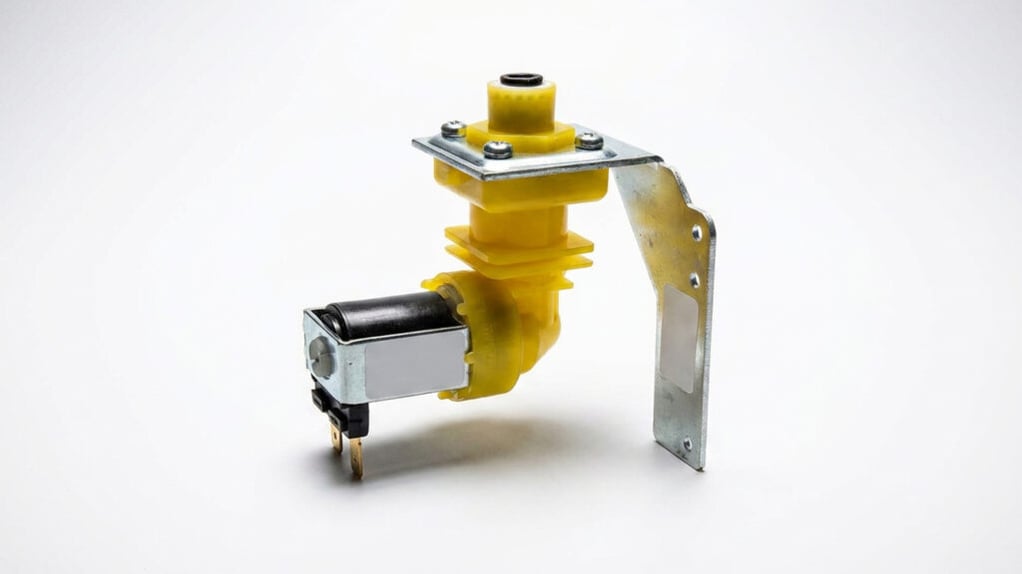
Inlet Valve
Inlet Valve Problems
Typically located inside the machine near the back, water inlet valves may cause excess water and leaks if they don't regulate flow properly. Alternatively, the valve itself may leak due to damaged seals, broken plastic components, or loose connections. Test the valve for continuity and determine if the solenoid is working properly. If water leaks from the valve, it will likely need to be replaced.
Clogged Drains
Blocked drains can overflow under or around ice machines and should be regularly inspected for clogs. If your machine uses a drain pump or condensate pump, make sure it's properly installed, isn't clogged, and has power.
Dirty Components
Scale and debris can obstruct water flow in food zones, water lines, and filters. Regular cleaning is essential to prevent debris buildup that restricts water flow or causes leaks over time.
Improper Installation
Unlevel or off-balance ice machines may not drain properly and can cause pumps and other components to fail with extended use. If your machine uses a gravity drain, ensure it follows the correct pitch based on local codes. Improper drain installation can result in large leaks. Make sure the machine is level and securely installed to prevent leaks.
How to Diagnose a Leaking Manitowoc Ice Maker
- Locate the leak: While the machine is on, look for drips around the bottom, back, or dispensing areas
- Unplug the machine: Before disassembling anything, cut power for safety
- Disassemble the machine if necessary: Depending on where the leak is and your ice machine model, you may need to remove louvers, panels, or the ice bin. Consult Manitowoc's model-specific instructions for proper disassembly
- Inspect the machine: Locate the source of the leak; double check valves and connections
- Determine what caused the leak: Once you've identified the leak, try to determine if it was caused by buildup, wear, component failure, pressure, or something else
- Repair the leak: This may involve replacing a component, hose, or valve
When to Call a Technician
We recommend calling for professional service if the leak repair involves electrical component replacement, drain line installation, or complete disassembly. Be sure to use a service agent certified to work on Manitowoc ice machines.
How to Prevent Manitowoc Ice Machine Leaks
Some leaks develop with everyday use, but many can be prevented or minimized by following these steps:
- Perform Scheduled Maintenance: Deep clean and sanitize your ice machine according to manufacturer's instructions at least every six months and change the filter to avoid clogs
- Ensure Proper Installation: Check your ice machine's position and confirm the water inlet and outlet lines are secure and can flow freely
- Conduct Routine Inspections: Check beneath and behind the unit for undetected leaks before they cause major water damage
Choose Manitowoc Ice Makers for Your Ice Needs
KaTom sells Manitowoc ice machines to meet high production needs and maintain reliable service. Find ice makers, bins, and condensers at KaTom, along with expert advice from experienced equipment specialists. KaTom also offers Manitowoc parts and accessories, including replacement pumps, water filters, and air filters.
FAQs on Manitowoc Ice Machine Maintenance
What maintenance does an ice maker need?
Ice makers require regular cleaning, water filter changes, and routine inspections of components like the pump, sensors, and water lines to prevent leaks and ensure consistent performance.
How do you run a cleaning cycle on a Manitowoc ice machine?
To run a cleaning cycle, remove ice from the bin, switch the machine to clean mode, add approved cleaner or sanitizer, and allow the cycle to complete before cleaning individual components. Restart the unit according to manufacturer's instructions.
Can I run vinegar through my ice machine to clean it?
Vinegar is sometimes used as a descaling agent, but it’s not recommended for commercial ice machines; using a manufacturer-approved cleaner is the safest and most effective option.
What are common problems with Manitowoc ice machines?
Common issues include not making ice, slow production, poor ice quality, water leaks, and sensor or control system failures.
What is the life expectancy of a Manitowoc ice machine?
Most Manitowoc ice machines last between 7 to 10 years, depending on usage, maintenance, and operating conditions.
What is the most common reason for an ice maker not working?
One of the most common causes of ice machine failure is restricted water flow or scale buildup, which can interfere with the ice-making cycle and prevent proper operation. Faulty valves and pumps are common water leak sources.
