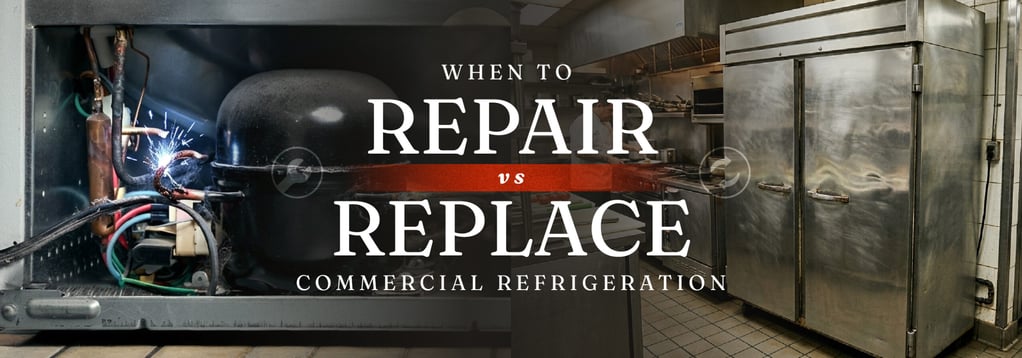
Commercial Refrigeration: Repair vs. Replacement
When a refrigerator or freezer begins to fail, the first thought may be to replace it, but in many cases, a failing unit can be repaired rather than replaced. makes sense if recurring repairs, inconsistent temperatures, or unreliable performance begin affecting daily operations, but operators should look at the cause of the issue and consider factors such as the unit's overall condition, repair history, and the operational consequences of another failure.
Repair vs. Replace Commercial Refrigeration: Quick Comparison
How Old Is Too Old?
The unit's age is a common factor operators look at to decide when to buy a new model, but every situation is unique. Equipment age alone is not always a reliable indicator of its condition. A properly maintained unit that continues to meet the operation's needs may not need to be replaced, even if the unit has been in use for years. Additionally, a newer unit suffering repeated failures could become costly to fix and may be worth replacing despite its age.
"There is no single age when a refrigeration unit should automatically be replaced. The better question is whether it still meets the operation's performance and efficiency needs." — Anderson Dolton, Business Development Manager at Traulsen
Expected service life can also vary by brand. Arctic Air, for example, positions its refrigeration units as a lower-cost alternative to others, and markets many of its reach-ins as economy models designed to provide commercial-grade performance at a value-oriented price. This may suit smaller operations, while larger operations may seek brands that prioritize durability.
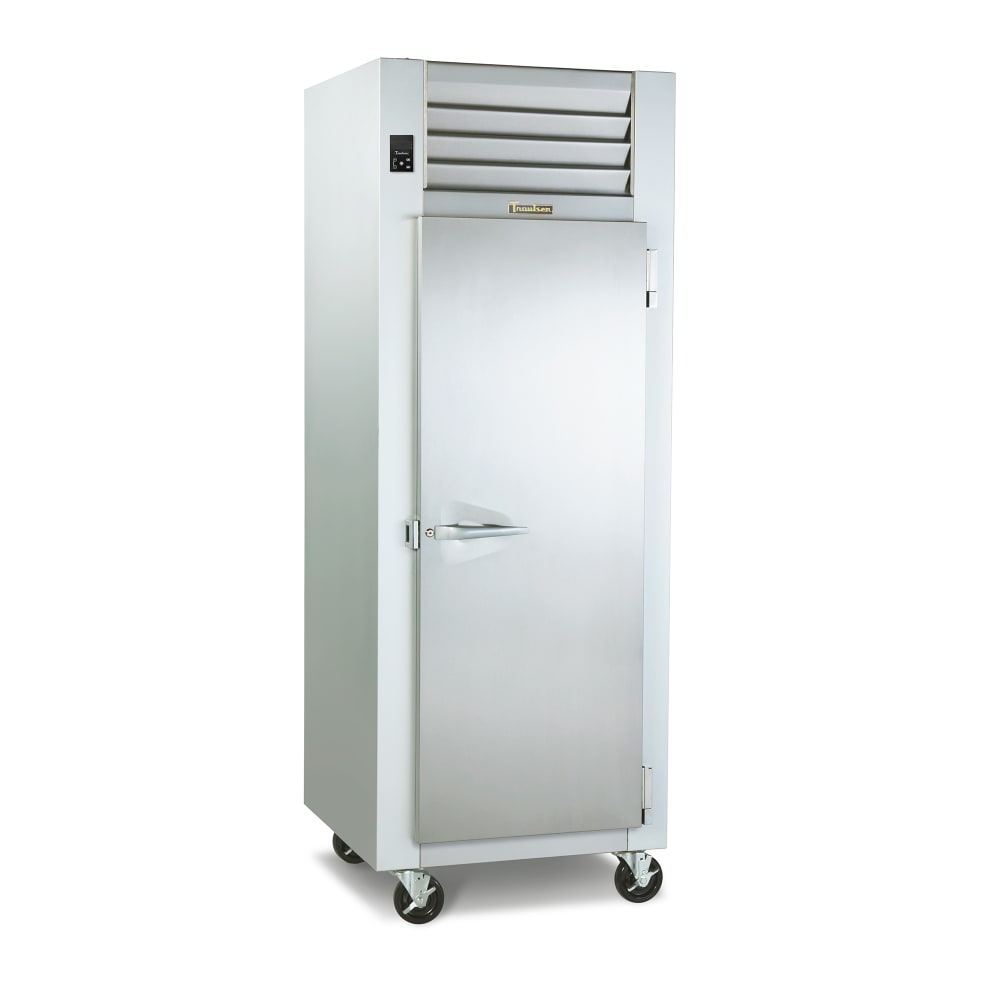
Traulsen places greater emphasis on long-term service life, engineering its equipment to remain in service for years. These difference in design and price priorities influence how an aging unit should be evaluated: replacing a cost-focused model sooner may make financial sense when repair expenses begin mounting, while investing in repairs for a durable, higher-cost unit may remain worthwhile later in its service life.
Warranty coverage can also influence whether an older refrigeration unit is worth repairing. Some manufacturers offer extended or lifetime coverage on certain parts, which can reduce the cost of keeping aging equipment in service when it only needs occasional component replacement. In those cases, an older unit with dependable performance may still provide good value even if repairs become necessary from time to time. Operators should review the unit's current warranty terms before deciding to replace it, since coverage varies by manufacturer, model, component, and purchase date.
Who is Anderson Dolton?
Anderson Dolton is a seasoned hospitality professional with a strong background in restaurant management and contract foodservice. She joined Traulsen in 2024 and currently serves as a Business Development Manager, where she combines her hands-on kitchen experience with a deep understanding of Traulsen’s high-quality refrigeration equipment to support customers and drive growth.
When to Repair
Repairing commercial refrigeration generally makes sense when:
- The Problem is Isolated: Door gaskets, fan motors, controls, switches, hinges, and other serviceable components can wear over time without major disruptions to the refrigeration system.
- The Unit Reliably Maintains Temperature: If one or more components are damaged but the unit holds its temperature as needed, repair or replace the individual components rather than the entire unit.
- Repair Costs Remain Reasonable: Look at the total cost of repair and replacement, including delivery, installation, and the removal of existing equipment. Repair may be the better option if it's substantially cheaper than replacement and can keep the unit operating at its intended level.
KaTom's commercial refrigeration parts and accessories can assist operators needing to repair equipment.
When to Replace
Replacement may be the better choice when:
- Repairs are Becoming Frequent: Review service records for patterns of repeated expenses. Repeated failures involving controls, fans, compressors, or other systems can add up to a substantial cost even when no individual invoice appears large enough to justify replacement.
- Repairs Fail to Fix Problems: If a refrigeration unit continues experiencing problems after service, the underlying issue may extend beyond a single replaceable component.
- Cost of Parts Equate to Replacement of Full Unit: Once the price of repairing a unit matches the price of replacing a unit, replacement likely offers greater value. It may also be time to get a new unit if repairs are becoming labor-intensive or if units need unavailable parts.
Consider the Total Cost of Ownership
When it comes to price, people tend to think only about how much something costs to buy, but purchase price is just one component of the total cost. It is equally necessary to look at what the equipment will cost to operate and maintain over time.
"Operators should look beyond the purchase price and consider reliability, maintenance needs, labor savings, warranty coverage, energy use, and expected lifespan." — Anderson Dolton
Factors to consider include:
- Energy Use: Older or poorly performing equipment can require more energy to maintain temperature.
- Downtime: A failed refrigerator may interrupt prep, service, and storage workflows.
- Product Loss: Temperature inconsistencies can put refrigerated inventory at risk of spoilage.
A replacement with a higher initial cost can provide greater long-term value when it reduces unpredictable expenses and operational disruptions.
Where Does Reliability Matter Most?
A refrigerator in a busy restaurant may carry greater operational risk than a secondary unit used for overflow storage, and an operation with no backup refrigeration has less tolerance for repeated failures. Consider what happens if the unit fails again. Ask yourself:
- Can food be transferred immediately?
- Is backup refrigeration available?
- Could the failure interrupt service?
- How much inventory is normally stored inside a unit, and what is the total cost of these products?
- Would staff need to discard temperature-sensitive products during downtime, and how would this affect operating costs?
Once the consequences of constant downtimes begin to affect the efficiency and operational budget of a business, the stronger the case for replacement of unreliable equipment becomes.
Preventive Maintenance
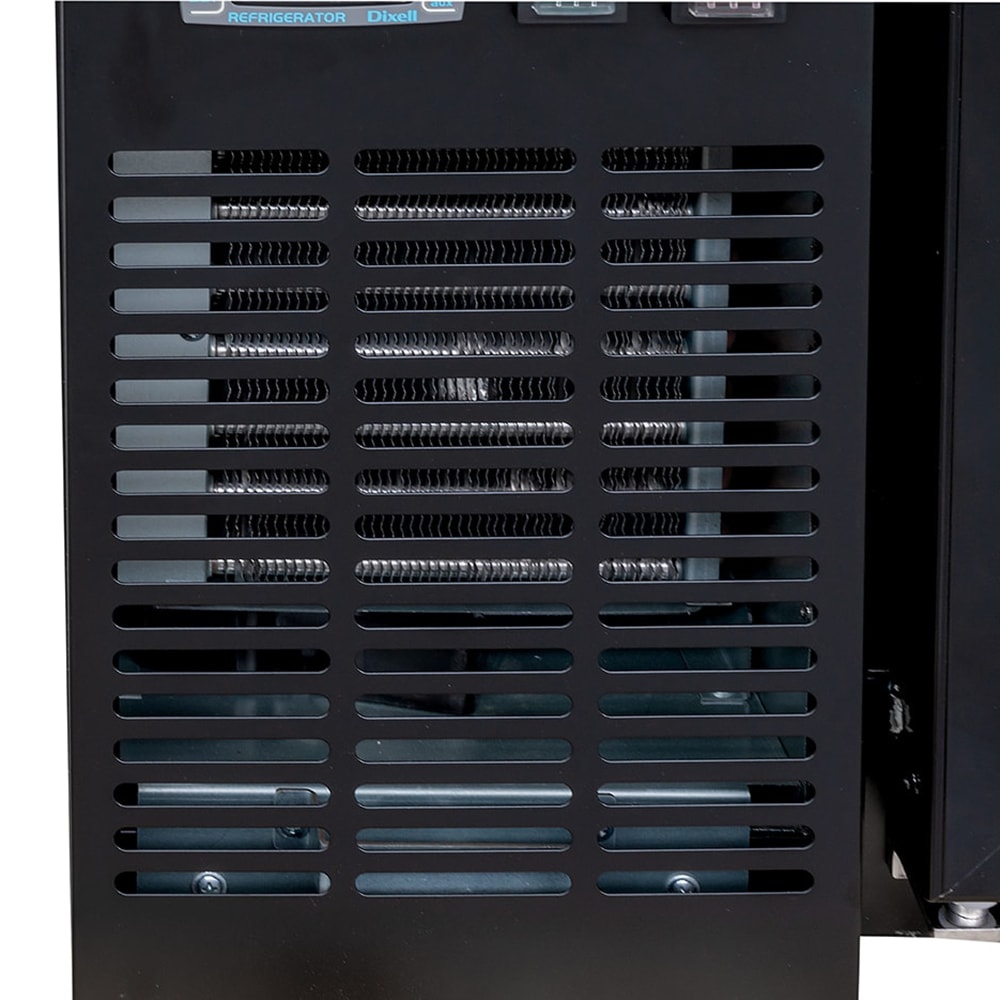
Having a preventive maintenance program in place can help identify potential problems early, as these procedures can reveal mechanical failures. Staff should regularly clean the equipment and inspect door seals, gaskets, fans, motors, and electrical connections. Condenser cleaning is particularly important, as accumulated dust, grease, and debris can restrict heat exhaustion and force the refrigeration system to work harder.
"A dirty condenser coil is one of the most common preventable refrigeration service issues, regardless of brand." — Anderson Dolton
Preventive maintenance also supports a more informed replacement decision. An older refrigerator that has been consistently maintained but continues to experience repeated performance problems may have an issue that extends beyond routine upkeep.
Shop Commercial Refrigeration at KaTom
KaTom offers a variety of refrigeration parts and accessories to complete essential repairs. When replacement is needed, KaTom provides commercial refrigeration, including reach-in refrigerators and freezers, undercounter units, prep tables, and other cold-storage equipment. Compare capacity, configuration, efficiency, warranty coverage, and operating requirements to find the right equipment for your operation.

