Health & Safety

HACCP plans don't have to be complicated. Follow these steps to implement a food safety plan in your independent restaurant.

Understanding how your commercial kitchen's fire suppression system works and how to maintain can enable you to ensure it will work when you need it.
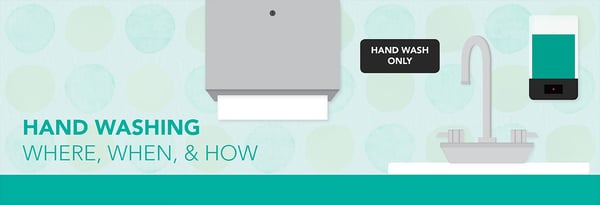
This guide breaks down the 2017 FDA Food Code on hand washing right down to how to choose the right hand sink for your establishment.

NSF, a leading health and safety organization, is accredited to certify the safety and quality of products found in commercial kitchens.

Implementing an HACCP food safety plan can help you reduce product loss, increase product quality, protect you in litigation, and increase profits.
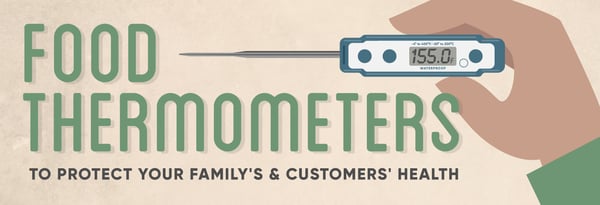
Keeping a food thermometer on hand is critical to maintaining safe food temperatures. They're available in a number of styles for different applications.Learn about the importance of keeping a food thermometer on hand to maintain safe food temperatures in your establishment at KaTom.

Find out how to protect customers by keeping the foods you serve safe. FAQ and links to important resources on food safety.
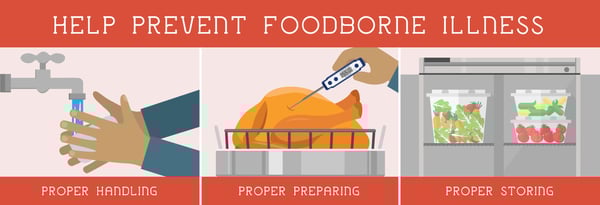
Avoid foodborne illnesses by following these tips. Included here are guidelines for handling, storing, and preparing most common food items.

Find out how the FDA Food Safety Modernization Act of 2011 may impact your restaurant and provide protection to diners.
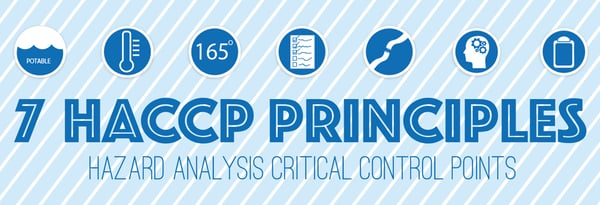
Follow the seven principles of HACCP to create an HACCP plan that will help your establishment maintain better food safety practices.
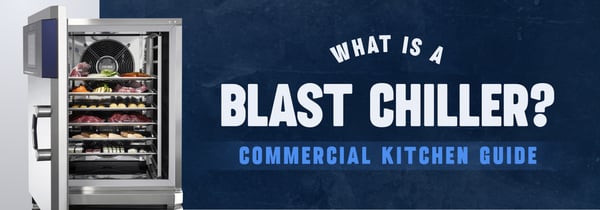
What is a blast chiller? Explore how blast freezers work, how cold they get, and what commercial kitchens use them for.

Sanitizing your commercial kitchen not only keeps customers and employees healthy, it can also protect your business from the effects of foodborne illness.

FoodSafety.gov is managed by several government agencies, providing food safety information and resources for businesses and consumers.
These tips will help foodservice employees safely prep, cook, and store food.