How to Start a Concession Stand Business: Planning for Costs, Equipment, & Utilities
A concession stand is a small foodservice setup that offers food, drinks, snacks, or desserts. These operations are common at events such as carnivals and festivals. Opening a concession stand requires creating a menu, estimating peak service volume, evaluating available space and utilities, and buying equipment that can keep up with long lines. Finalize your menu, service model, volume expectations, and site requirements before ordering equipment so each purchase supports speed, food quality, and workflow.
Already planning your space?
Talk to a KaTom Foodservice Equipment Specialist about product selection, sizing, utilities, and layout.
Contact UsKey Takeaways
- Let your concept and menu drive your equipment list
- Budget for startup costs and the working capital needed after opening
- Evaluate utilities, ventilation, plumbing, and equipment clearances before signing a lease or ordering major equipment
- Order cups, lids, trays, bags, straws, napkins, cones, wrappers, portion cups, syrups, kernels, oil, and toppings around projected servings and delivery schedules
- Use a soft opening to test staff, equipment output, and service flow before the grand opening
Concession Startup Planning at a Glance
1. Decide What Type of Concession Operation to Open
The right concession equipment depends on what you sell, where you sell it, and how quickly customers need to be served. Simple countertop equipment may suit a compact kiosk, while a high-volume stadium stand may need multiple drink dispensers, heated displays, condiment stations, and hot holding equipment to keep long lines moving.
Before choosing equipment, answer the following questions:
- Who are your target customers?
- What will customers primarily order?
- Will food be held or made to order?
- Will food be displayed for customers to see?
- How many staff members should the concept accommodate?
- What menu items or service model will distinguish the operation from nearby competitors?
Not sure what equipment your concept requires? Talk to a KaTom specialist before finalizing your equipment list.
2. Research Your Market & Evaluate Locations
A profitable concession stand, kiosk, or trailer must fit both customer demand and the physical site. Concession carts on city sidewalks may serve different customers than stadium stands. Market research should define target customers, expected demand, and appropriate price points. Location research should also confirm the space can physically support the equipment needed to produce menu items.
Evaluating a new space? KaTom Design + Build can help assess equipment layout and site requirements before you make major purchasing decisions.
3. Create Your Concession Business Plan
A concession business plan should account for the concept, menu, customer demand, equipment list, staffing, startup costs, operating plan, and location. The goal is to understand how the operation will function during regular service.
4. Estimate Concession Startup Costs
Startup costs vary by location, menu, and equipment needs. A mobile cart on a city sidewalk will have very different startup and operating costs than a concession stand at a stadium or carnival. Instead of relying on a broad national average, build your budget by category and separate necessary opening costs from expenses that can wait.
5. Fund Your Concession Business
Funding should cover the startup phase and continued operation after opening. Plan for buildout, permits, installation, inventory, consumables, labor, and maintenance or repairs. Common funding sources include:
- Owner capital
- Business partners
- Commercial loans or SBA-backed loans
- Venue partnerships
- Investors
- Equipment financing or leasing, where appropriate
6. Register the Business & Secure Licenses
Concession requirements vary by jurisdiction and operating model. A permanent stadium concession stand, mobile food trailer, and carnival booth may all face different rules. Common requirements may include:
- Business registration
- Federal tax identification number
- Sales tax registration
- Foodservice permits
- Mobile vending permits
- Health department approval
- Food handler or manager certification
- Fire inspection
- Building permits
- Sign permits
- Certificate of insurance
- Venue-specific operating agreements
Confirm current rules, fees, application requirements, inspections, and food-safety procedures with qualified professionals and the appropriate federal, state, and local agencies.
7. Finalize the Menu & Supplier Plan
The menu is the foundation of the equipment list. Build the menu first, then identify the equipment, consumables, storage, labor, and suppliers needed to execute it during peak periods.
8. Design the Layout for Efficient Workflow
A concession layout should reduce steps, prevent bottlenecks, and keep employees from crossing paths unnecessarily. Think of the stand as a production line rather than a collection of equipment. A typical concession workflow looks like this:
- 1 Preparation and assembly
- 2 Hot holding or display
- 3 Customer queue and ordering
- 4 Toppings
- 5 Serving
- 6 Cleaning and restocking
This workflow fits most concession stands that produce menu items and hold them until ordered. For concession operations that make items to order, step 3 may come first.
For a high-volume stand, separate the major work zones:
Need help creating a workable layout?
KaTom's Design + Build team provides professional expertise and design tools to plan equipment placement around your menu and service model.
Request a Quote9. Build the Concession Equipment List
Drink Dispensers — Calculate Demand and Number of Drinks
Choose drink dispensers based on menu offerings and expected demand. A small stand may only need one compact dispenser for ice and water, while a beverage-focused operation may need a larger station to serve different soft drinks. Before buying drink dispensers, determine:
- Beverage type, such as water, juice, soda, lemonade, coffee, or frozen drinks
- Number of flavors or beverage choices
- Cups served during the busiest hour
- Self-serve vs. staff-serve
- Cup, lid, straw, and napkin storage
- Water connection, drainage, and electrical requirements
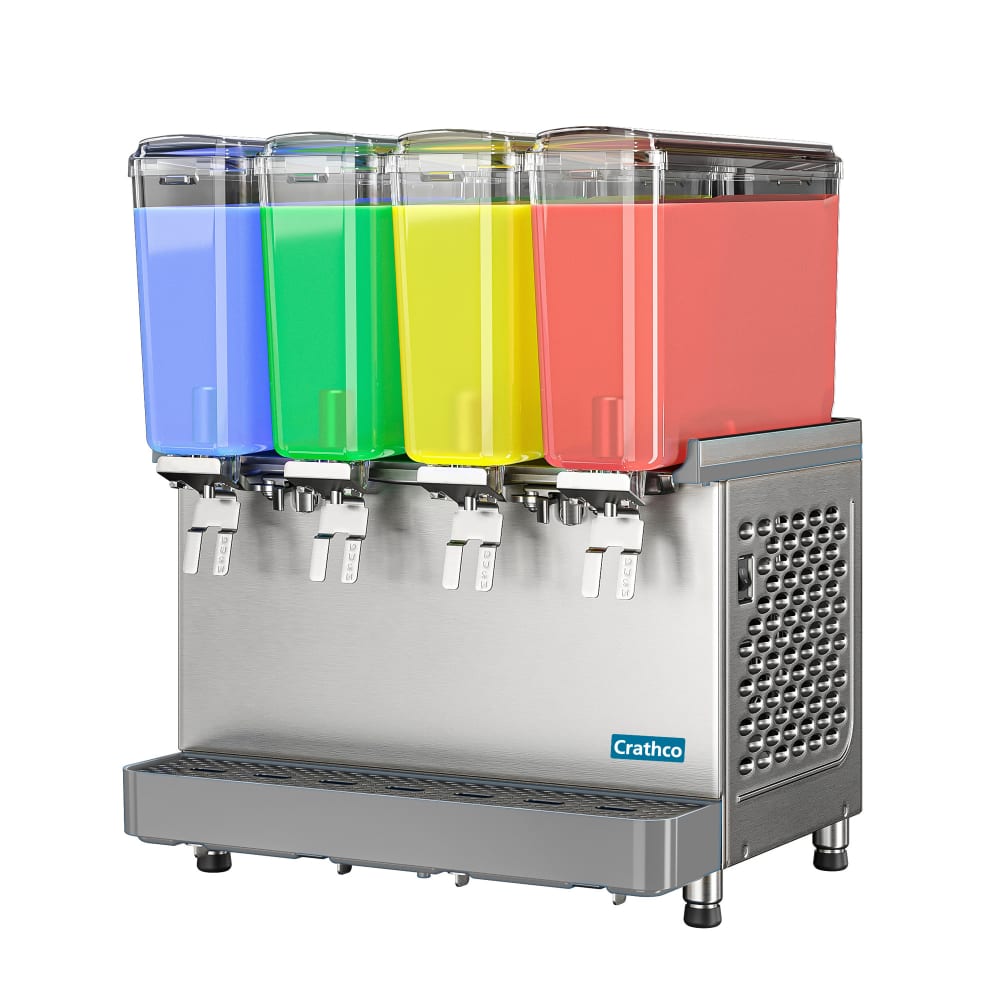
For additional guidance on selecting a beverage dispenser, check out KaTom's refrigerated beverage dispensers buyers' guide.
Popcorn Machines — Size the Kettle Around Peak Demand
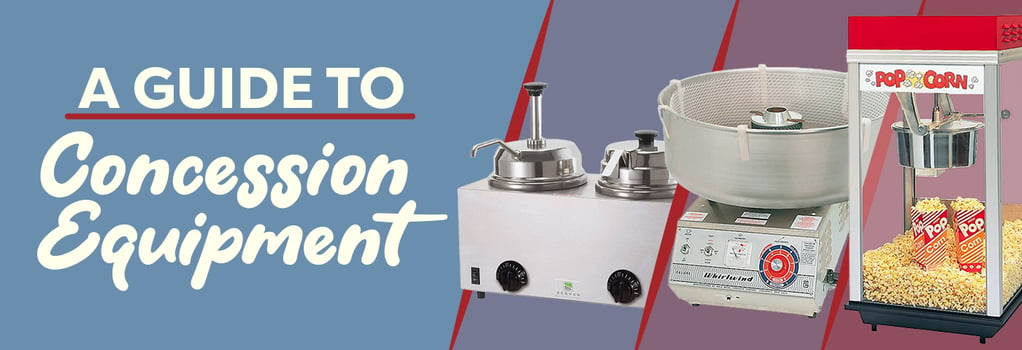
Popcorn equipment should support the busiest serving period and fit the available counter space and serving format. A smaller popper can work for occasional service, while a busy stadium or event stand may need a larger kettle and enough packaging and ingredient storage to keep batches moving. It may also be beneficial to invest in a popcorn cart for mobile service at a fair or carnival. When selecting a popcorn machine, consider:
- Kettle size and batch output
- Popcorn servings needed during the busiest hour
- Serving sizes, bags, boxes, and buckets
- Countertop, cart, or floor-model configuration
- Electrical requirements and heat clearance
- Storage for kernels, oil, salt, and seasonings

Hot Dog Equipment — Match Cooking and Holding to Demand
Select hot dog equipment based on needed volume and service speed. Roller grills can keep hot dogs visible while they cook and support other items such as taquitos and egg rolls. Steamers can hold a larger number of hot dogs and buns. Before buying hot dog equipment, determine:
- Hot dogs or sausages served during the busiest hour
- Roller grill, steamer, broiler, or other cooking style
- Hot dog count and holding time
- Bun warming and storage needs
- Counter space and electrical requirements
- Condiment station location and flow
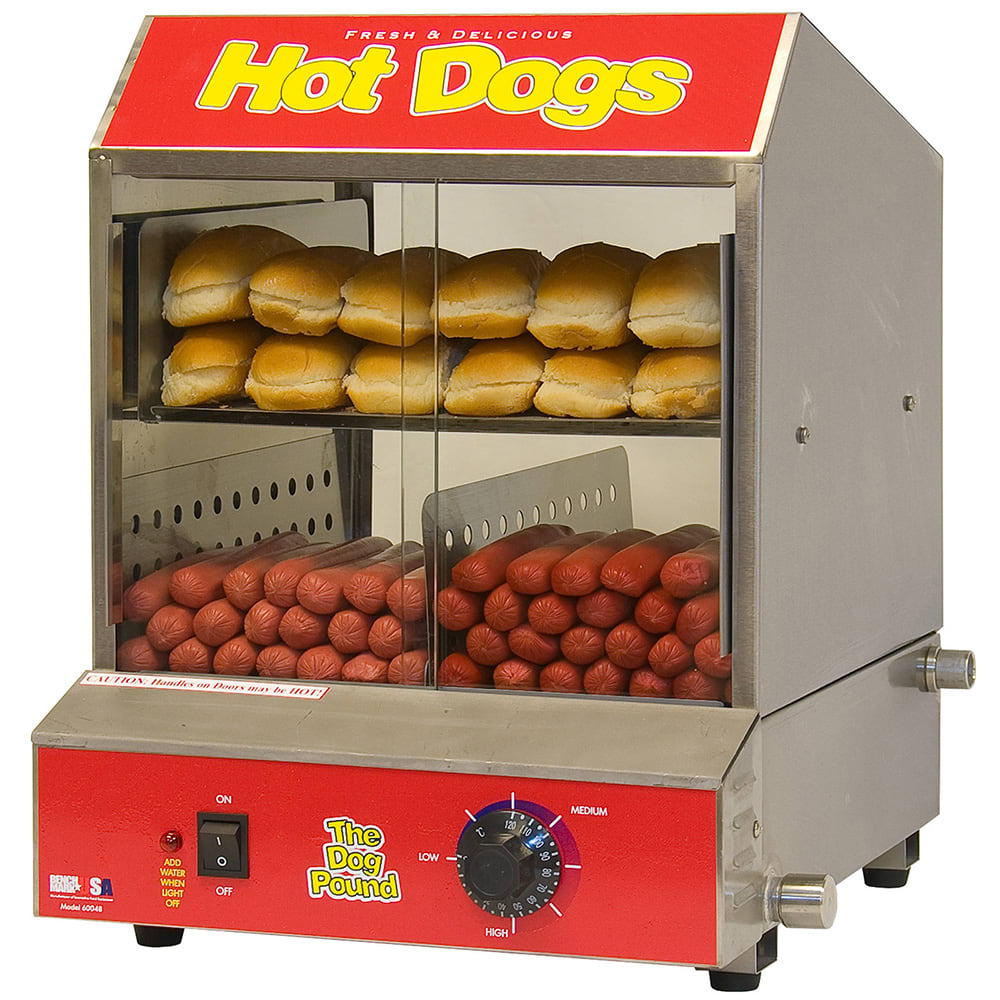
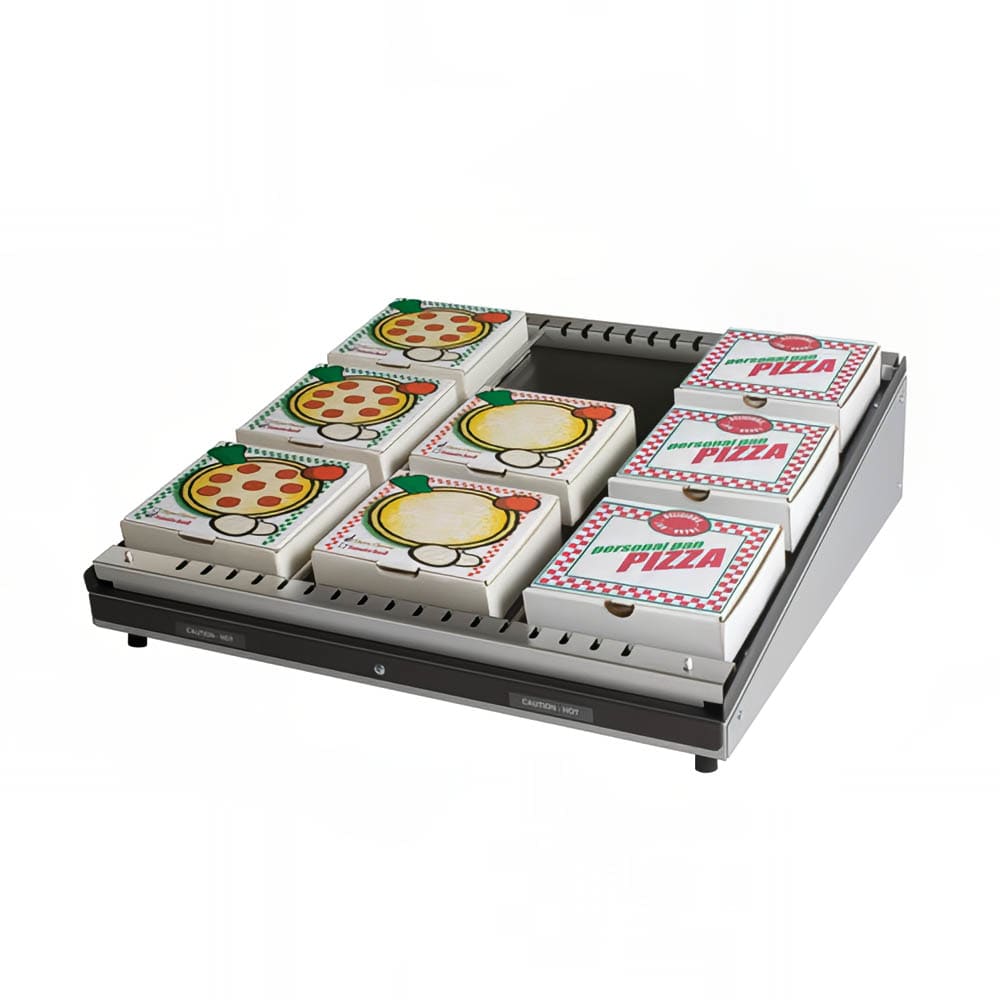
Concession Displays — Choose Holding Based on the Food
Heated displays can hold hot snacks such as pizza, pretzels, and nachos, while ambient displays may fit packaged items. Purchase concession displays based on:
- Products being displayed
- Heated, ambient, or refrigerated holding needs
- Expected holding time
- Peak display capacity
- Staff-serve vs. customer-facing access
- Counter width, shelf count, and service direction
- Electrical requirements and cleaning access
Condiment Dispensers — Keep Toppings and Condiments Ready for Use
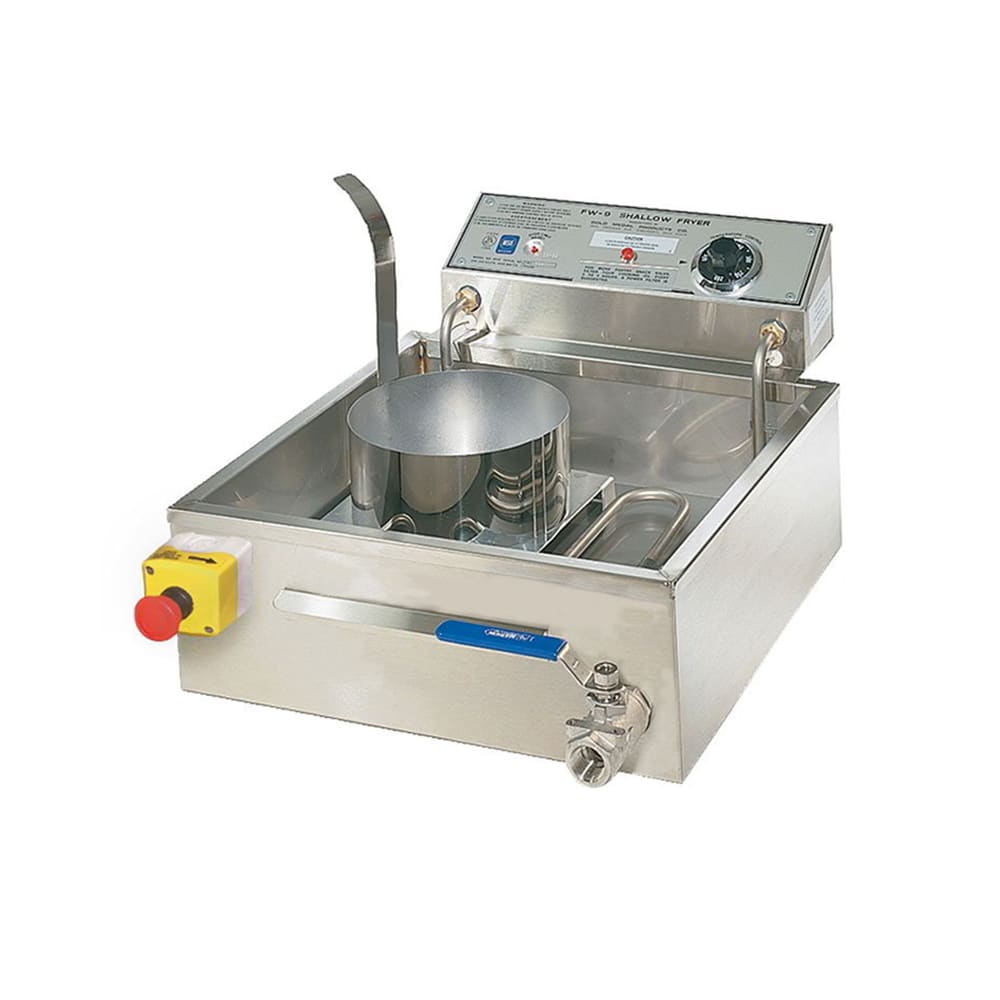
Condiments and toppings should be placed where staff or customers can easily reach them when finishing menu items. Depending on the menu and portion-control needs, operators can use pumps, packets, squeeze bottles, organizers, or sauce warmers. Choose condiment dispensers based on:
- Condiments, sauces, and toppings being served
- Staff-serve vs. self-serve setup
- Pump, packet, squeeze bottle, ladle, or portion cup needs
- Cold, ambient, or heated holding needs
- Refill frequency during peak service
- Drip trays, counter protection, and cleaning needs
- Allergen separation and labeling requirements
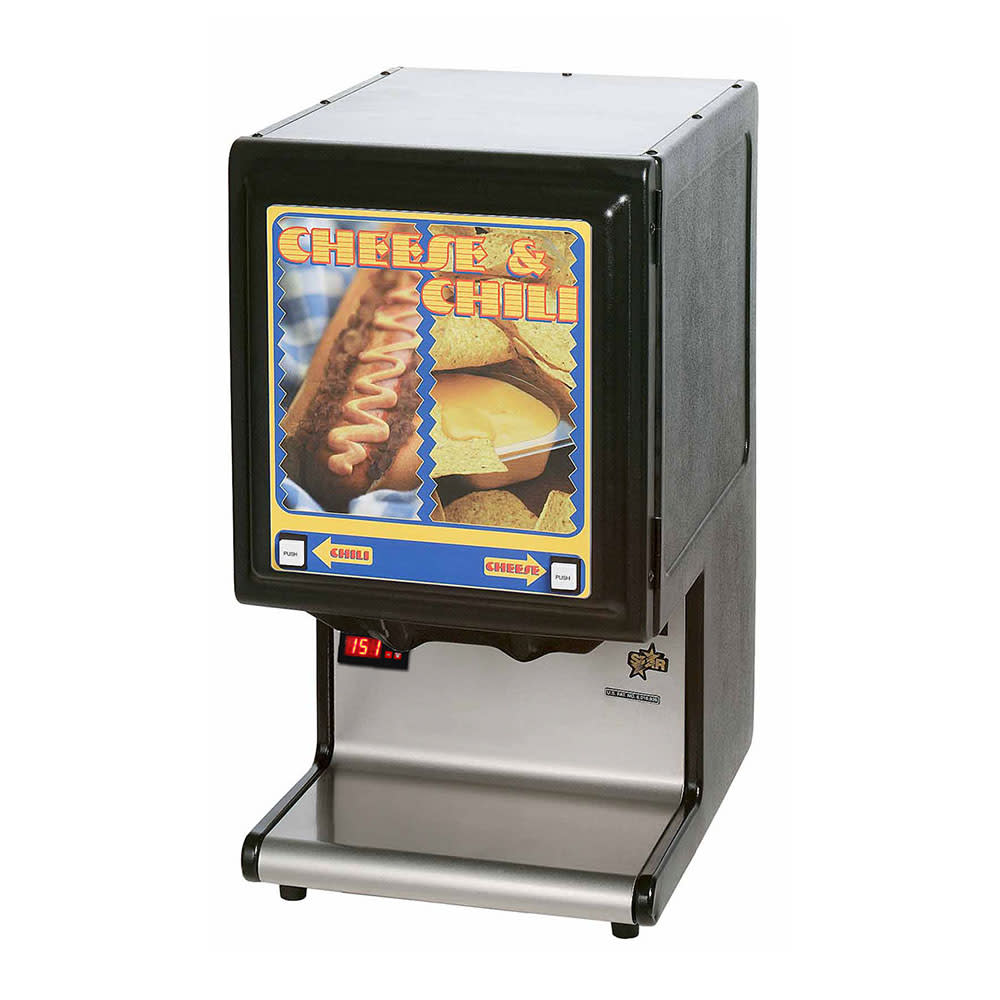
Cotton Candy Machines — Account for Humidity, Packaging, and Display
Operators choosing a cotton candy machine should account for production style and weather exposure. Made-to-order cotton candy can draw attention, while packaged cotton candy may support faster service during rushes. Select a machine based on:
- Servings needed during peak periods
- Floss sugar flavors and storage
- Cone, bag, and tie supply
- Operator space around the machine
- Humidity, wind, and outdoor exposure
- Electrical requirements and cleaning access
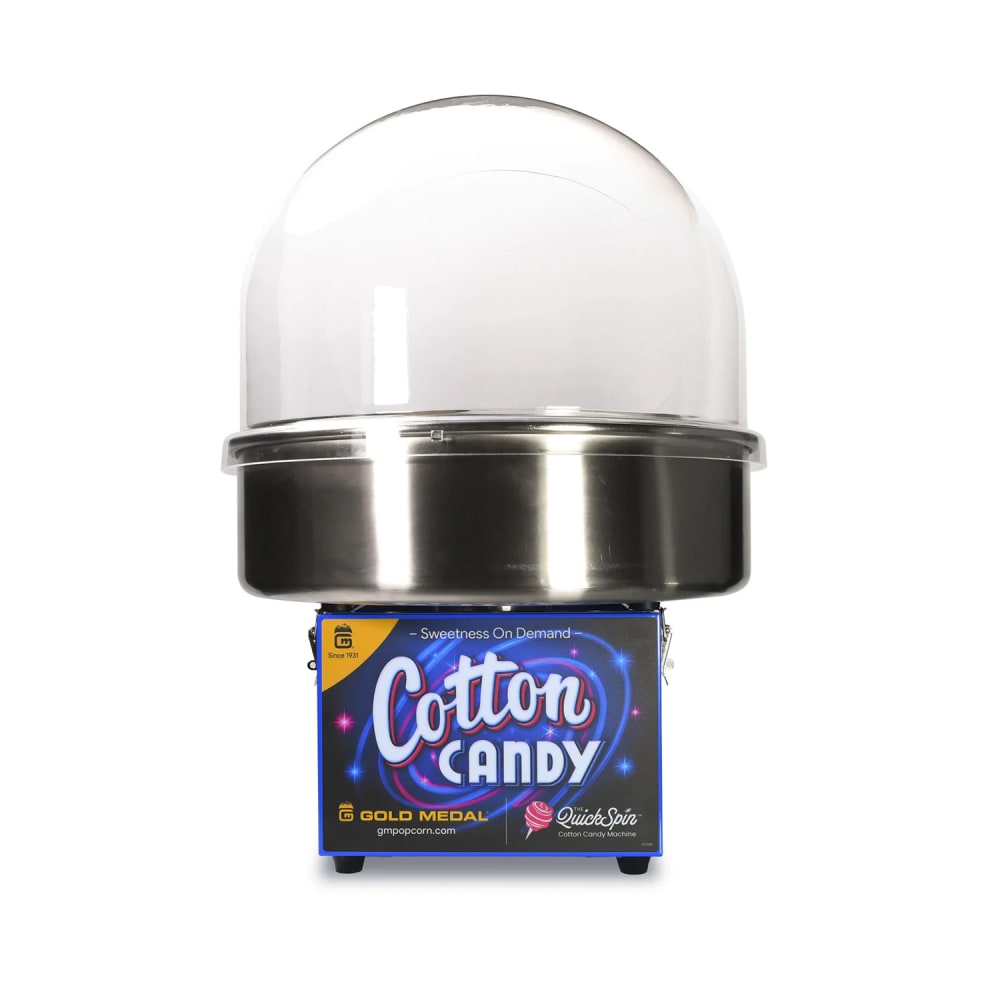
Shaved Ice, Snow Cone, and Slushie Machines — Account for Humidity and Ice Display
Snow cones, shaved ice, slushies, and frozen drinks are popular in warm weather. Before buying equipment, consider the weather and determine:
- How ice will be supplied
- Cups served during the busiest hour
- Syrup flavors to offer
- Machine output and recovery time
- Cup, lid, spoon straw, and napkin storage
- Drainage, cleaning, and spill-control needs
- Electrical requirements and counter space
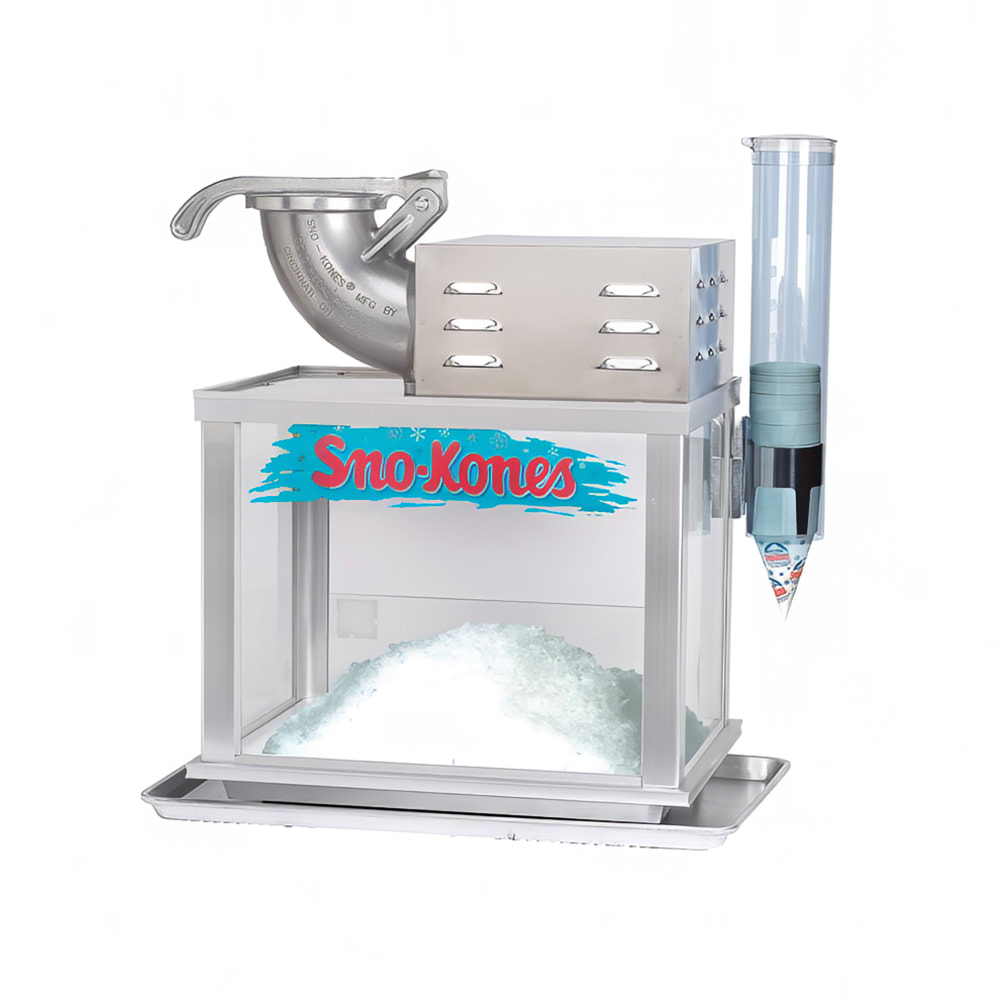
Donut and Funnel Cake Fryers — Plan Capacity, Ventilation, and Oil Handling
Fryers for donuts and funnel cakes require planning for production volume, recovery time, draining space, oil handling, and site requirements. When choosing a fryer, consider:
- Fried menu items and batch sizes
- Servings needed during the busiest hour
- Frypot size and recovery rate
- Gas or electric utility requirements
- Ventilation, hood, and fire-suppression requirements
- Batter, breading, draining, topping, and packaging space
- Oil filtration, storage, and disposal process
- Staff training and cleaning procedures
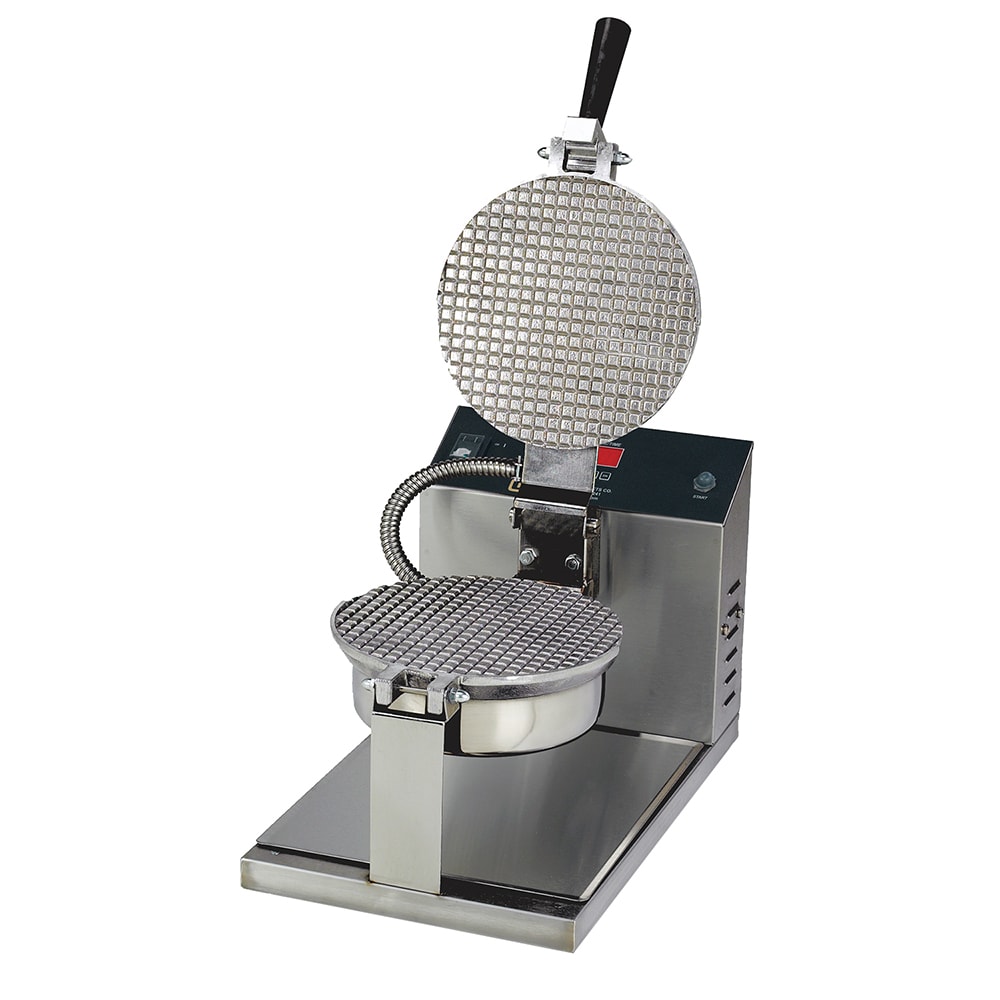
Waffle Cone Makers — Prep, Cooling, and Topping Flow
Concession operations serving ice cream may also want to offer freshly made waffle cones. These require operators to consider:
- Batter prep and holding needs
- Cooking surface size and output
- Cooling and finished-cone storage space
- Cone holders, dispensers, and breakage protection
- Topping, syrup, and sauce placement
- Electrical requirements and cleaning access
Where to Spend vs. Where to Save on Concession Equipment
Spend more where performance, capacity, safety, cleaning, and durability directly affect service. Save where additional equipment features or capacity aren’t needed for the menu or expected volume.
Don't Order Until You Know
Before purchasing concession equipment, review the physical space, available utilities, capacity, installation requirements, and local code requirements. This reduces the risk of ordering equipment that doesn't fit the space, connect to the available utilities meet ventilation requirements, or keep up with the stand's volume. Confirm:
- Equipment dimensions
- Gate, trailer, or service-window clearance
- Voltage, phase, and amperage
- Ventilation and hood requirements
- Fire-suppression requirements
- Water connections and drain requirements
- Production or capacity requirements
- Recovery time
- Installation requirements
- Cleaning access and maintenance needs
- Local code and venue requirements
Not sure whether a unit will work in your space? Ask a KaTom equipment specialist before ordering.
10. Set Up Inventory, Technology, & Operating Systems
These systems determine how staff receive inventory, prep food, maintain food quality, and keep equipment operating properly. Review the following areas:
11. Hire & Train Staff
Staffing should match the menu, layout, and workflow. A simple popcorn-and-drink stand may need only a cashier and a runner during slow periods. A high-volume event stand may need separate employees for taking orders, preparing drinks and hot food, frying, adding toppings, restocking, and expediting. Common roles include:
- Cashiers
- Drink station attendants
- Food equipment operators
- Fry cooks
- Managers
- Volunteers
Training should cover:
- Opening and closing procedures
- Equipment startup and shutdown
- Condiment refills
- Portion sizes
- Packaging
- Handwashing and food-safety procedures
- Cleaning and restocking
- POS and payment handling
12. Market the Operation & Prepare for Opening
Marketing should present the menu and service style before customers reach the counter. Use clear menu boards, strong product names, simple combo pricing, and visible displays to reduce decision time. Marketing may include:
- Website with accurate contact, hours, menu, location, and parking information
- Google Business Profile and local business listings
- Social media profiles
- Photography
- Local partnerships and community outreach
- Opening-date promotion
- Email and SMS marketing, where appropriate
For mobile or event concessions, keep the stand's location and accepted payment methods up to date so customers can find accurate information.
Test Service Before Launch
Test service before launch to evaluate operations and identify bottlenecks. Test:
- Ticket times
- Popcorn batch timing
- Hot dog holding times
- Fryer recovery
- Ice supply and refrigeration for frozen treats and drinks
- Packaging
- POS and payment connectivity
- Staff communication
- Cleaning and restocking process
Concession Opening Checklist
Use this checklist to track key planning, equipment, staffing, inspection, and opening tasks before starting a concession stand, trailer, cart, or kiosk.
| Task | Complete? |
|---|---|
| Choose a concession concept | |
| Research competitors and local demand | |
| Develop preliminary menu | |
| Determine startup and operating costs and secure funding | |
| Evaluate location and utilities | |
| Register business | |
| Obtain licenses and permits | |
| Secure insurance | |
| Finalize menu and suppliers | |
| Design layout and service workflow | |
| Create supplies and equipment list | |
| Verify equipment specs, utilities, and ventilation requirements | |
| Order equipment and create an installation plan | |
| Set up storage protocols | |
| Set up POS and inventory systems | |
| Hire and train staff | |
| Complete required inspections | |
| Test service before launch | |
| Address operational bottlenecks | |
| Launch first scheduled service |
Ready to Build Your Concession Equipment List?
Concession equipment should be sized and configured based on the menu, available space, and utility capacity. KaTom can help operators compare drink dispensers, popcorn machines, concession displays, condiment dispensers, hot dog equipment, fryers and other concession essentials.
Frequently Asked Questions About Opening a Concession Operation
How much does it cost to open a concession stand?
The cost of starting a concession operation can vary widely based on the concept and equipment needs. A small tent can cost as little as $3,000, while a custom trailer can exceed $80,000.1 Determine your concept, then budget for equipment, installation, inventory, and permits. Make sure you have enough working capital to cover initial and recurring costs after opening.
What licenses are needed to open a concession operation?
Concession operators may need business registration, sales tax registration, a food establishment permit, a local health department permit, insurance, and venue or event approval. Mobile concessions, temporary booths, and permanent stands may also need permits related to fire safety, propane or LP use, wastewater disposal, signage, building occupancy, or temporary-event vending. Requirements vary by city, county, state, venue, and menu, so confirm current rules with the local authorities and event organizers.
How do I power my concession equipment?
You can power concession equipment with portable generators, battery‑powered systems, or solar generators, depending on the equipment's wattage needs and the event site's rules. Before buying equipment, verify that your power source complies with event or venue rules and can support the operation's electrical requirements.
How many cups, trays, and bags should a concession stand stock?
Estimate consumables by menu item, serving size, and order frequency. Multiply projected servings by the number of events or days between deliveries, then add backup stock to account for demand spikes, damaged packaging, and supplier delays.
References
- Concession Stand Startup Costs: What You'll Actually Spend (2026). Mobile Food Experts. Accessed October 2026.
