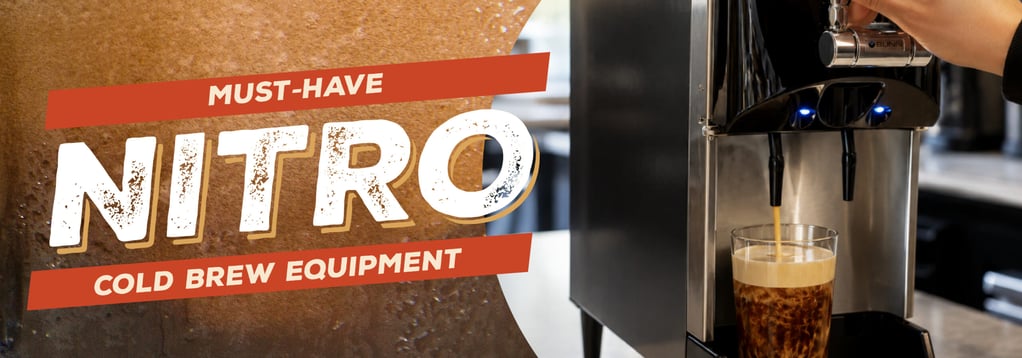
Must-Have Nitro Cold Brew Equipment
Nitro cold brew combines cold brew coffee with nitrogen to produce a creamy texture and a naturally smoother, slightly sweeter taste. To serve it, operators need equipment that can keep the beverage cold and introduce or maintain nitrogen. Nitro setups include a traditional keg system connected to a nitrogen cylinder, a self-contained kegerator with built-in infusion, or a compact tabletop nitro cold brew machine. The best choice depends on beverage volume, available space, and the cold beverage menu.
"Nitro cold brew is one of the strongest trends in specialty coffee and continues to create opportunities for operators." — Mark Tilson, Regional Sales Manager, FETCO
What Equipment Is Needed for Nitro Cold Brew?
A complete nitro cold brew equipment package must support four basic functions: production, storage, nitrogen infusion, and dispensing. Traditional draft systems use separate components for each step, though some nitro coffee machines combine these functions in one unit.
1. Cold Brew Sourcing and Production
Operators generally have three options for sourcing cold brew coffee:
- House-Brewed Cold Brew: Staff steep and filter coffee in batches before transferring the finished beverage or concentrate into a keg. Of these three methods, house-brewing gives operators the most control over the brewing process, as staff can adjust the steep time and filtration method.
- Ready-to-Drink Cold Brew: The beverage arrives at serving strength and can be connected directly to compatible dispensing equipment, reducing prep labor.
- Cold Brew Concentrate: Staff or the dispensing system combines concentrate with water at a specified ratio, reducing storage requirements and supporting higher serving volumes.
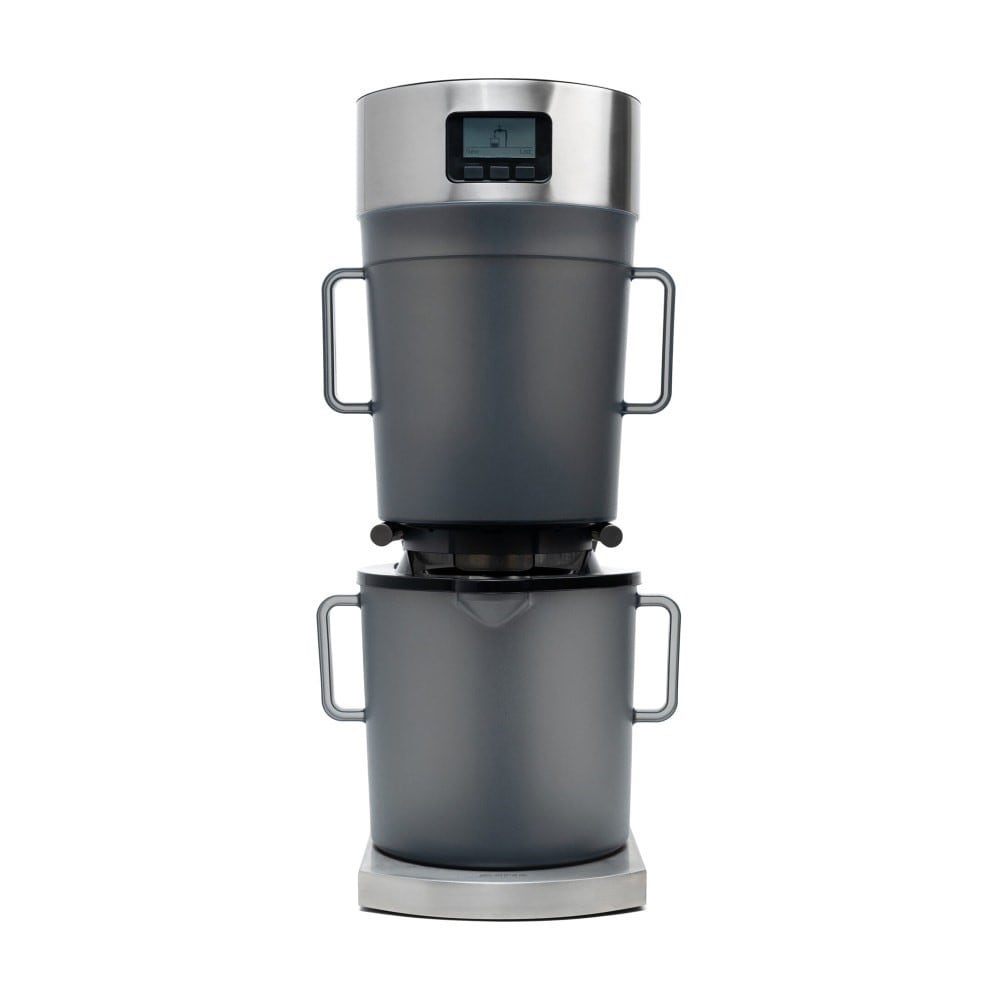
For additional information on serving cold brew coffee, check out KaTom’s Beginner's Guide to Making & Serving Cold Brew Coffee.
2. Refrigerated Storage
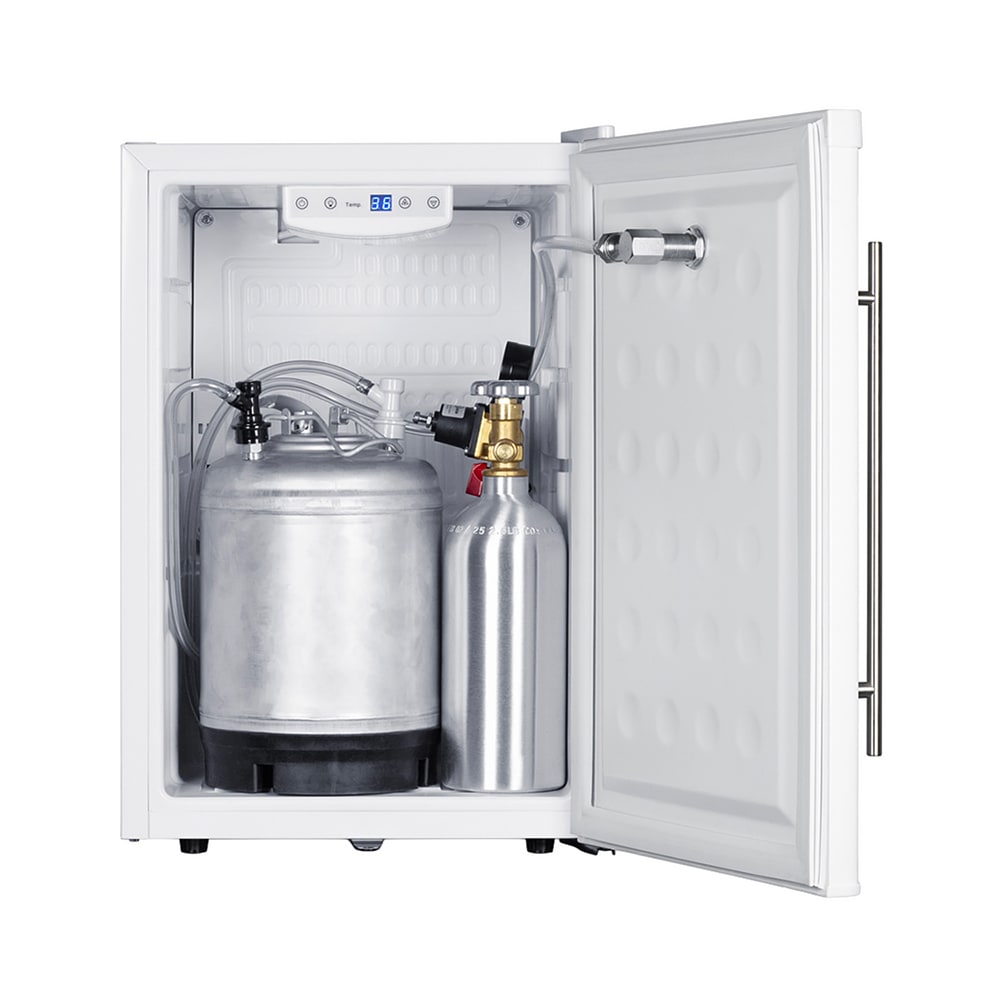
Nitro cold brew must stay cold during storage. A standard system may use a refrigerated kegerator or undercounter cabinet, while some tabletop machines pull the beverage from a separate container and chill it as it travels to the tap. When choosing a storage system, operators should evaluate:
- Internal keg or reservoir capacity
- Recovery time following consecutive pours
- Clearance around ventilation openings
- Ambient temperature limits
- Electrical requirements
3. Nitrogen Infusion
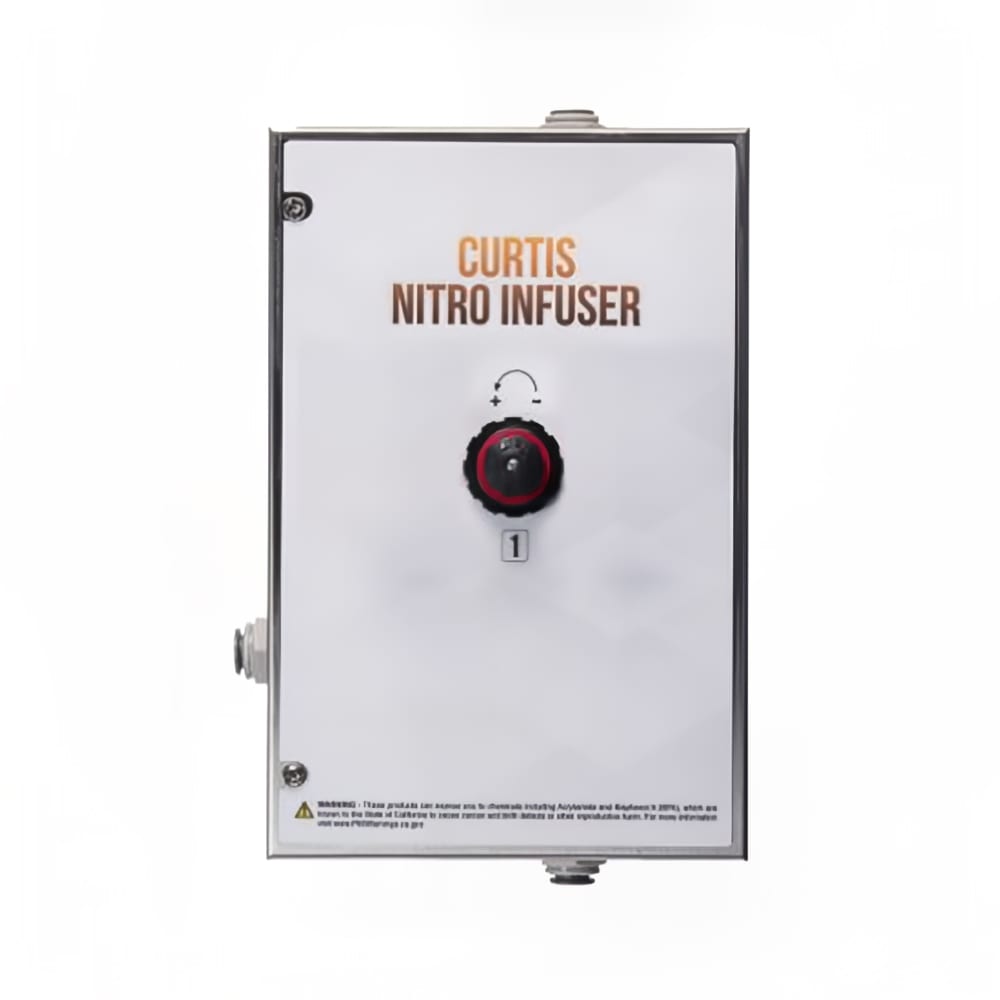
Traditional nitro systems may use a cylinder of compressed nitrogen or a nitrogen generator. Cylinders store supplied nitrogen, while generators separate nitrogen from the surrounding air using pressure swing adsorption (PSA) or membrane technology. This nitrogen is then delivered at the correct pressure to infuse cold brew coffee. Nitrogen pressure can dispense cold brew, but the equipment must introduce nitrogen into the liquid to create a pronounced cascade and creamy head. Nitrogen cylinders require storage space, periodic replacement, secure positioning, and staff procedures for monitoring pressure.
Tankless tabletop machines handle the process differently. For example, FETCO’s DRNX by BROOD draws the beverage from a container, chills it at the tap, and infuses nitrogen on demand without a separate nitrogen cylinder.
"FETCO’s partnership with Brood supports operators who want a tabletop nitro system without relying on a traditional nitrogen tank." — Mark Tilson
4. Controlled Dispensing
A nitro cold brew dispensing system must move the beverage from its keg or reservoir to the glass while maintaining proper temperature, pressure, flow, and product quality. The dispensing assembly commonly includes:
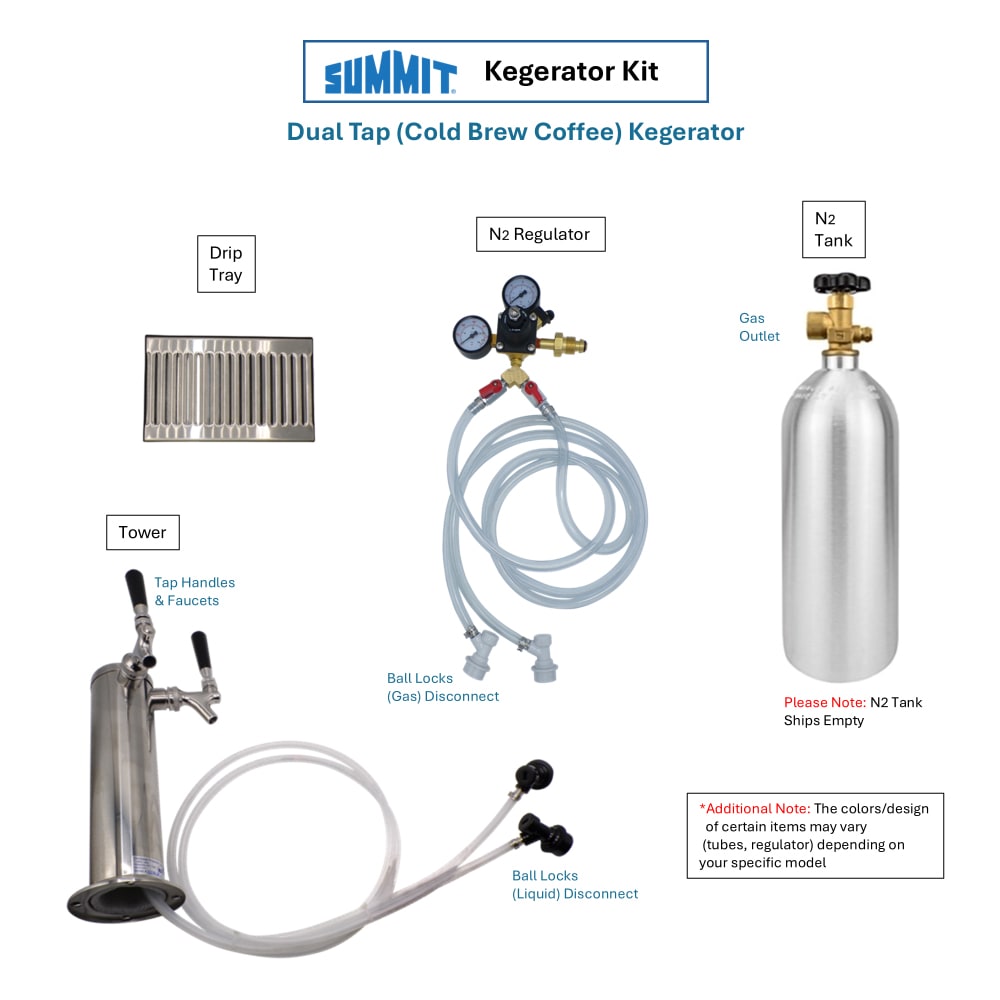
- Beverage lines
- Gas lines
- Fittings and couplers
- An infusion module
- A tap tower
- A stout faucet or nozzle
Beverage lines remain in direct contact with the coffee, so their diameter, length, and material can affect flow rate, flavor, and cleaning requirements. Barrier tubing can help limit oxygen exposure and reduce flavor transfer, while fittings and couplers must match the keg, reservoir, and pressure requirements of the system. Operators assembling equipment from separate components should verify connection sizes, pressure ratings, and beverage-contact materials before installation.
The faucet also helps determine the quality of the finished drink. A stout faucet or specialized nitro nozzle restricts the beverage as it exits, helping release dissolved nitrogen and produce nitro cold brew’s characteristic creamy texture and cascading effect. Pressure and line resistance must be balanced to deliver a controlled pour without excessive foam, sputtering, or slow service.
How Nitrogen Cold Brew Systems Work
Although equipment layouts differ, most complete systems follow the same general process:
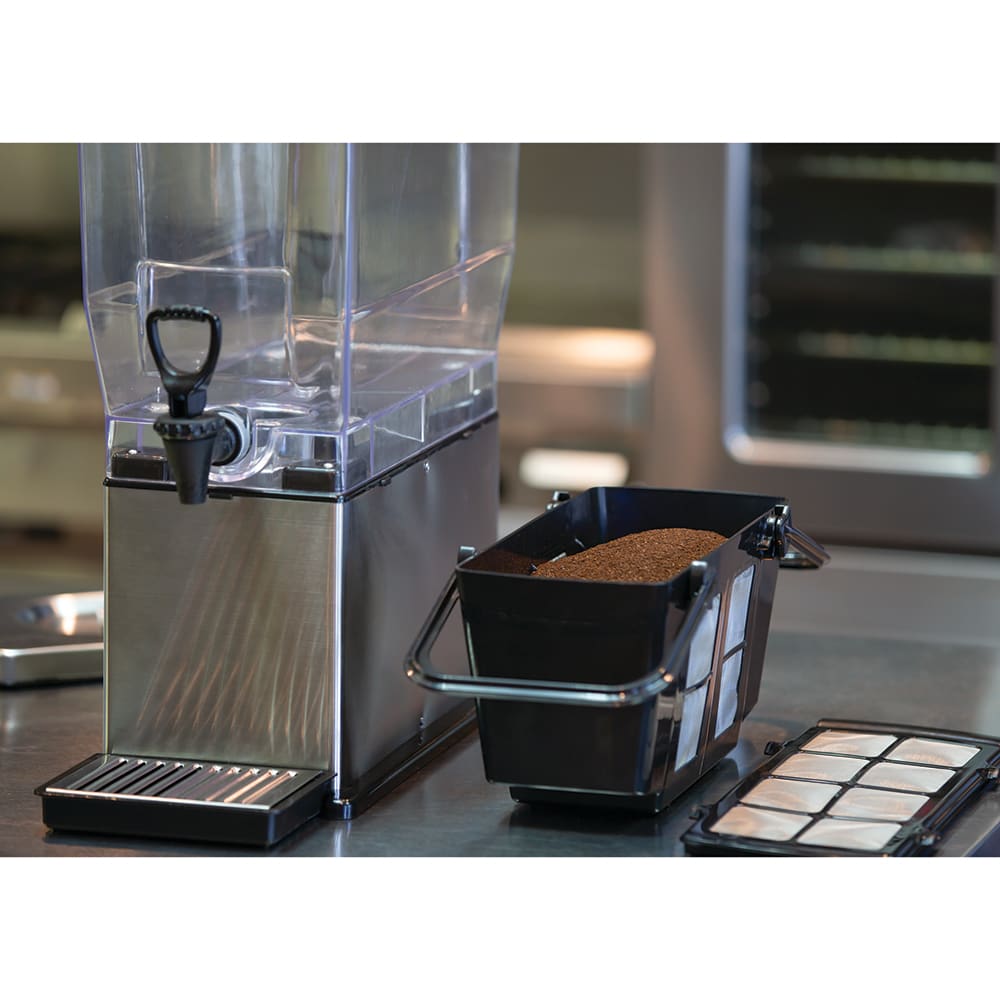
- The System Receives the Cold Brew: Staff either brew, filter, and chill the cold brew or connect a ready-to-drink product. Machines that use concentrate also connect to a water supply or internal water source when dilution occurs inside the equipment.
- Refrigeration Cools the Beverage: A kegerator stores the entire product container under refrigeration, keeping the coffee cold during storage. A remote system may keep the keg in a back-of-house cooler, while a tabletop machine chills the beverage as it moves through the unit.
- Nitrogen Pressurizes or Infuses the Coffee: In traditional equipment, regulated nitrogen pushes the beverage out of the keg, while tankless machines create or draw nitrogen from the surrounding air and introduce it during the pour.
- The Faucet Controls the Pour: The coffee passes through a stout faucet or nozzle. The pressure change releases dissolved nitrogen, forming the small bubbles responsible for nitro cold brew’s creamy texture.
"A tabletop nitro dispenser can chill ready-to-drink cold brew on demand and dispense either nitro or standard cold brew." — Mark Tilson
Types of Complete Nitro Cold Brew Systems
| System Type | How It Works | Best Fit | Example Product |
|---|---|---|---|
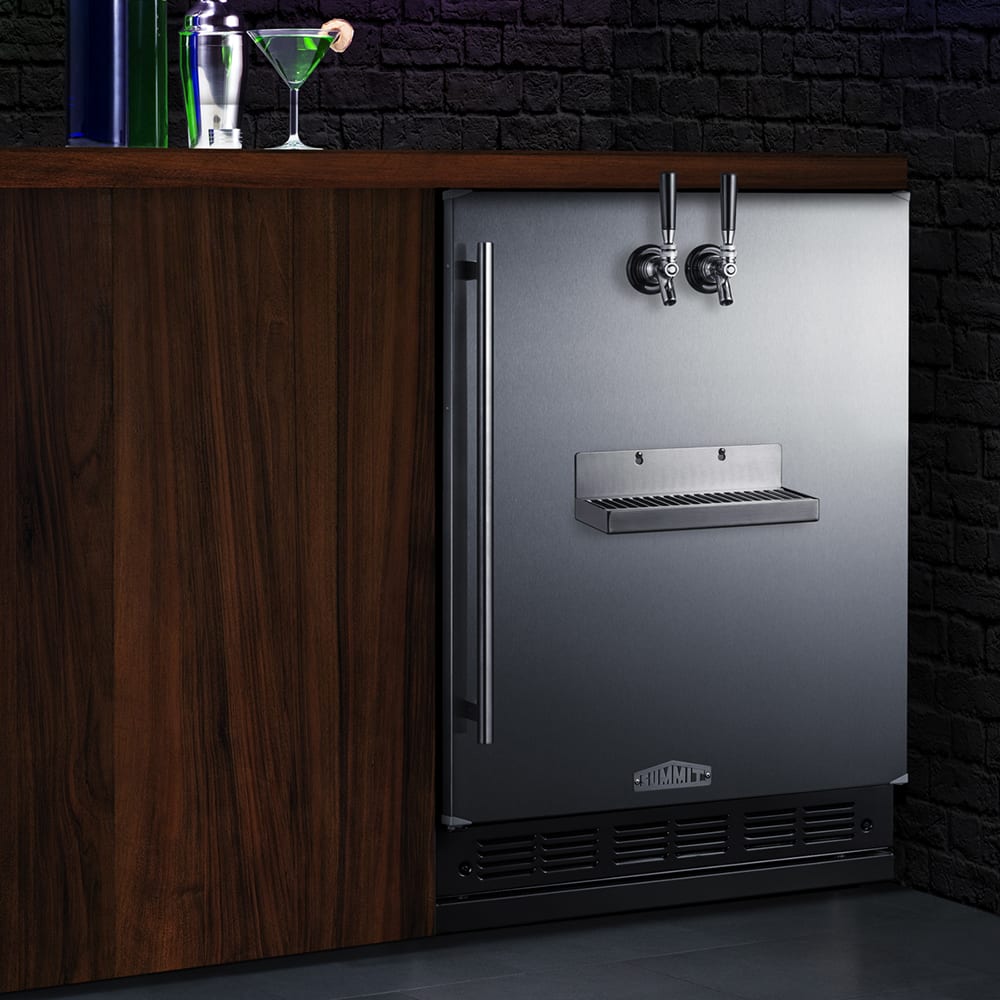
| Traditional Keg-and-Tank System | A nitrogen cylinder pressurizes a refrigerated keg, while a stout faucet or other dispensing component produces the nitro pour | Cafes, restaurants, and bars |
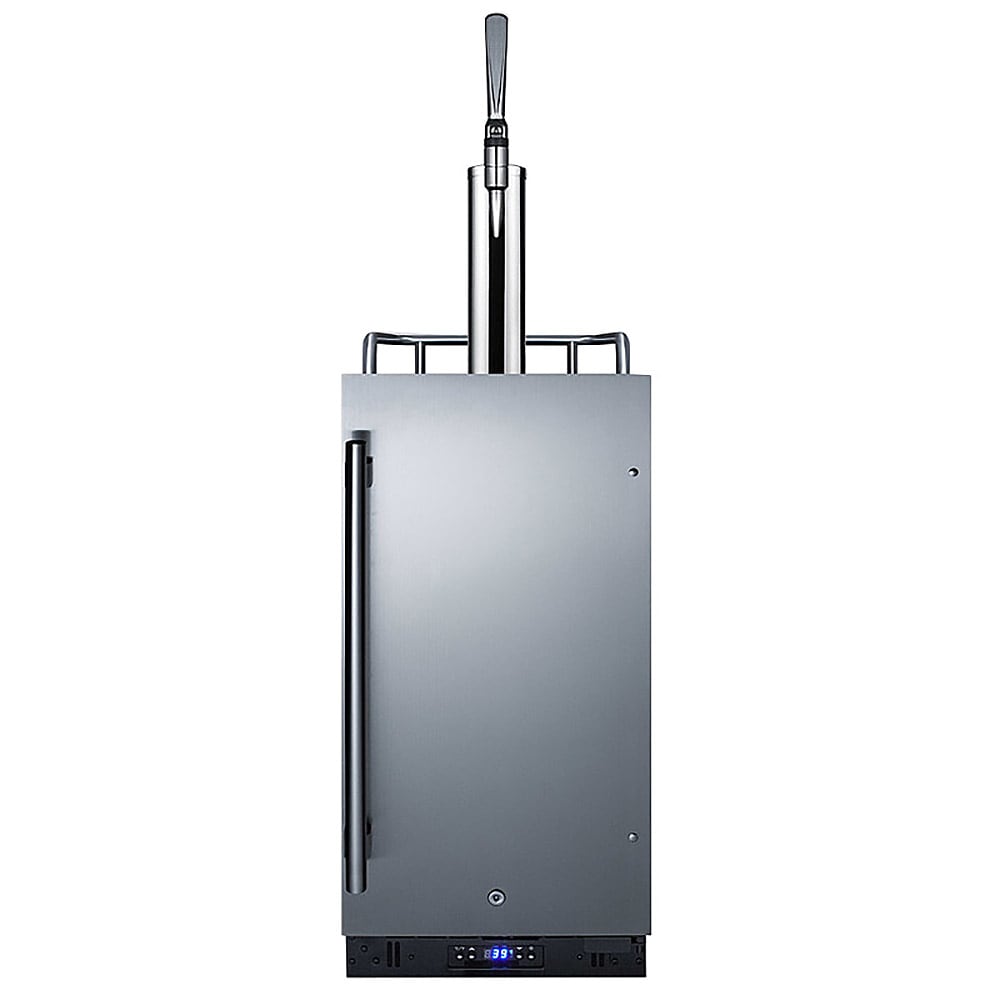 Summit SBC15NCF
|
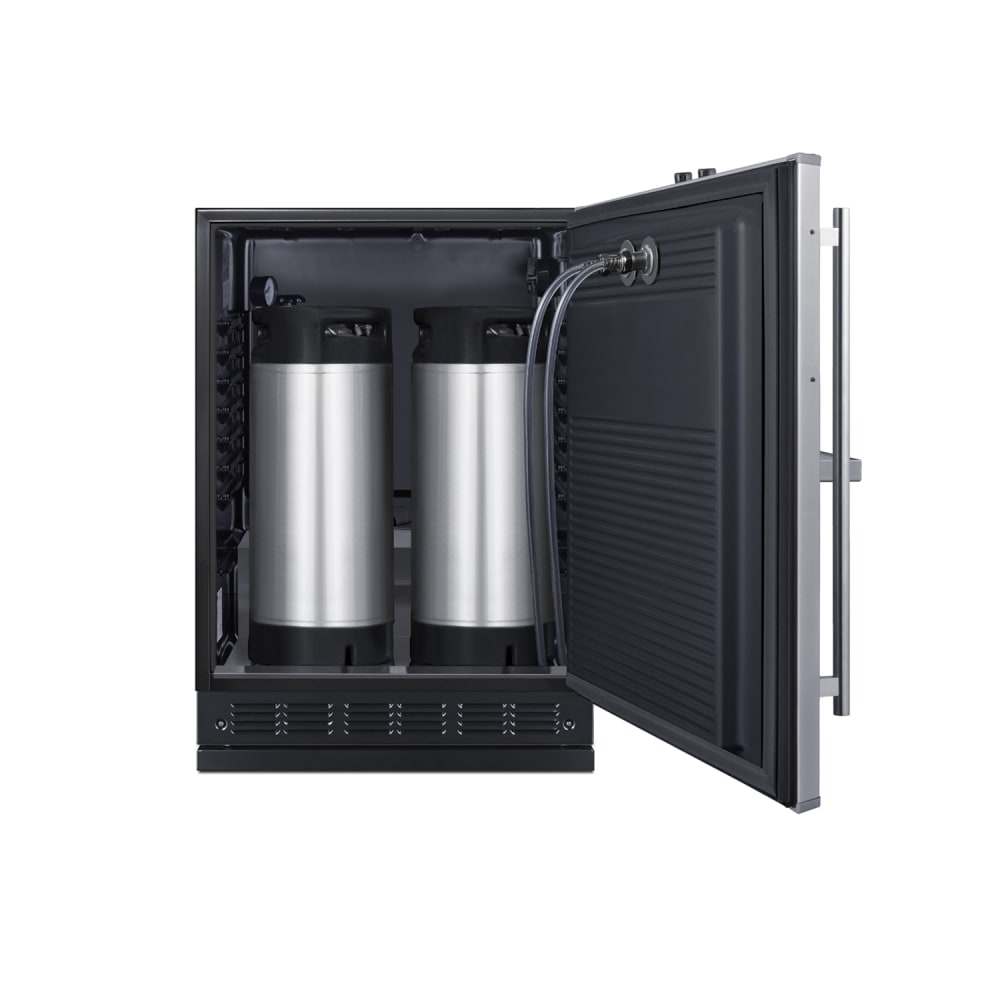
| Self-Contained Nitro Kegerator | The refrigerated cabinet stores the coffee kegs and gas equipment, while the tower, taps, regulator, and connections form an integrated dispensing station | Operators seeking a draft station with internal refrigerated storage |
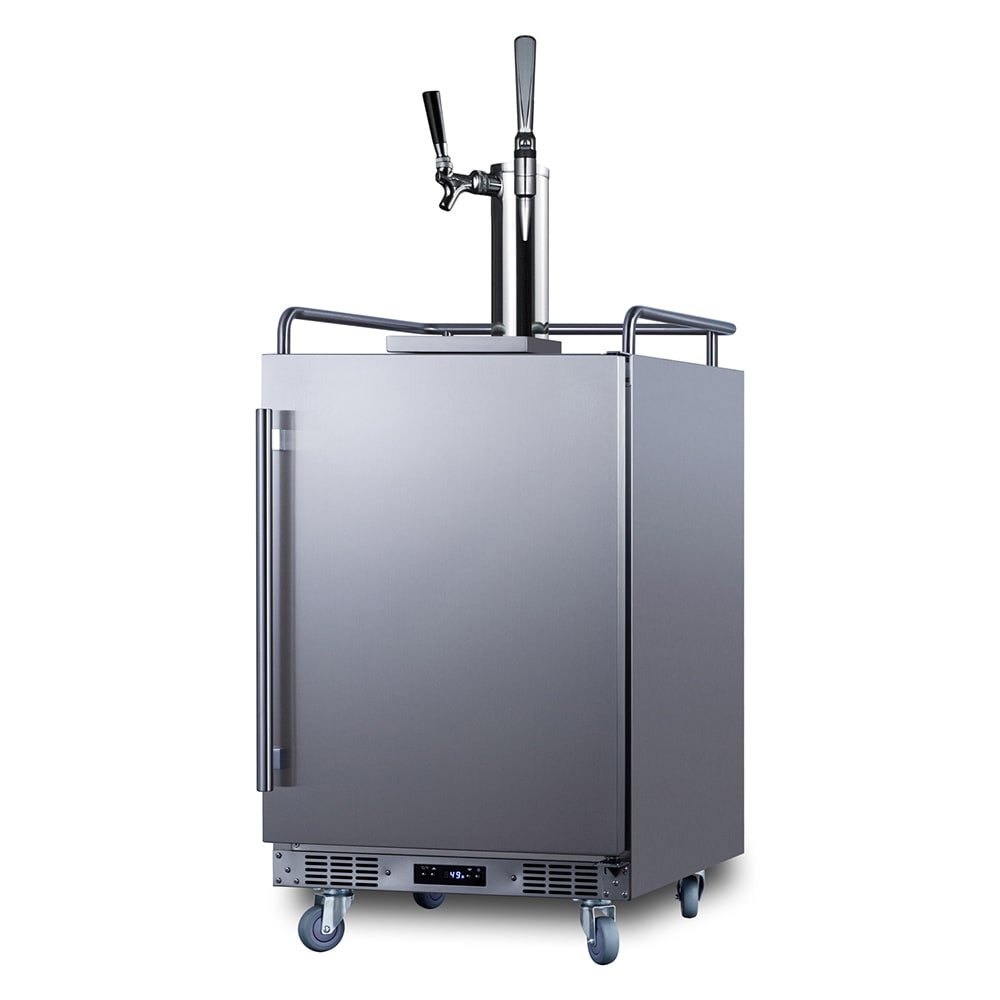 Summit SBC682CMTWIN
|
| Tankless Tabletop Dispenser | The machine pulls the beverage from a container, chills it, and infuses nitrogen without the use of an external cylinder | Operations seeking a compact machine |
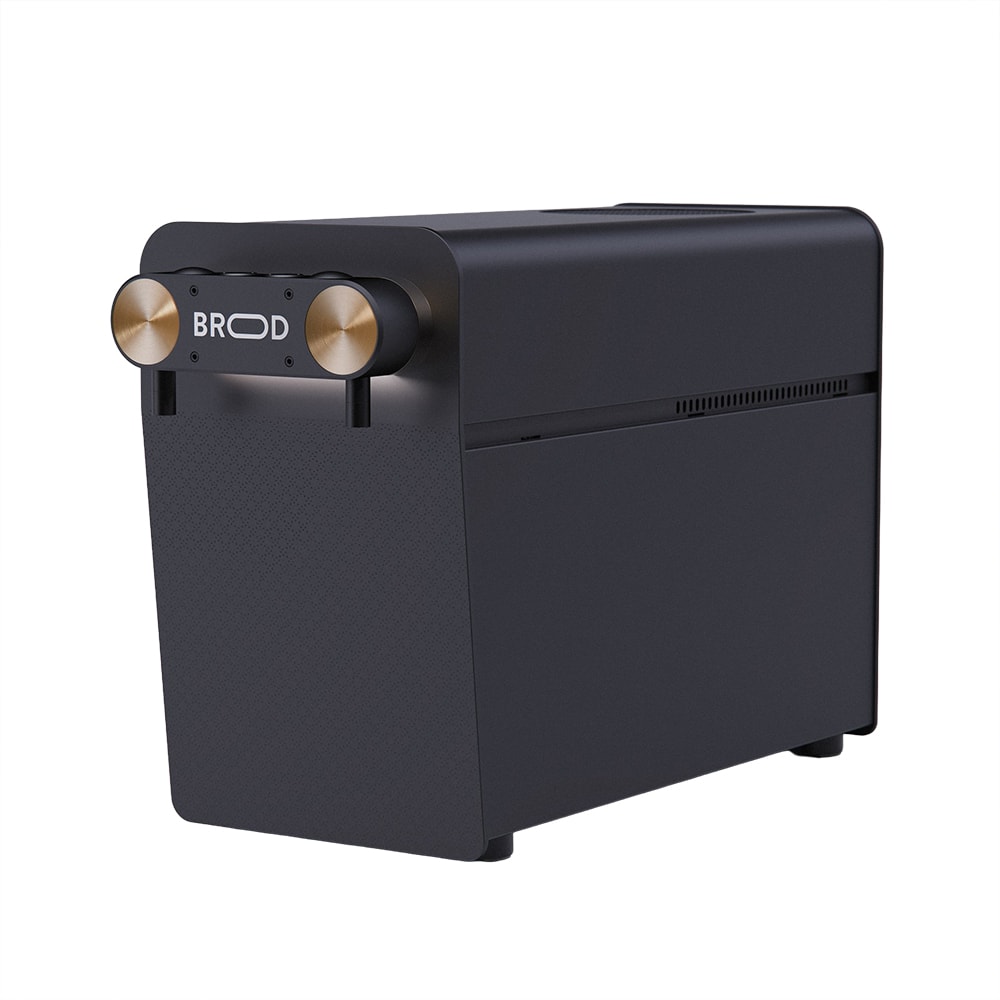 FETCO BROOD-PBR-SLM
|
| Concentrate-Fed Dispenser | The machine combines liquid coffee concentrate with water at a selected ratio before chilling, infusing, and dispensing the beverage | High-volume operations seeking reduced product-storage requirements |
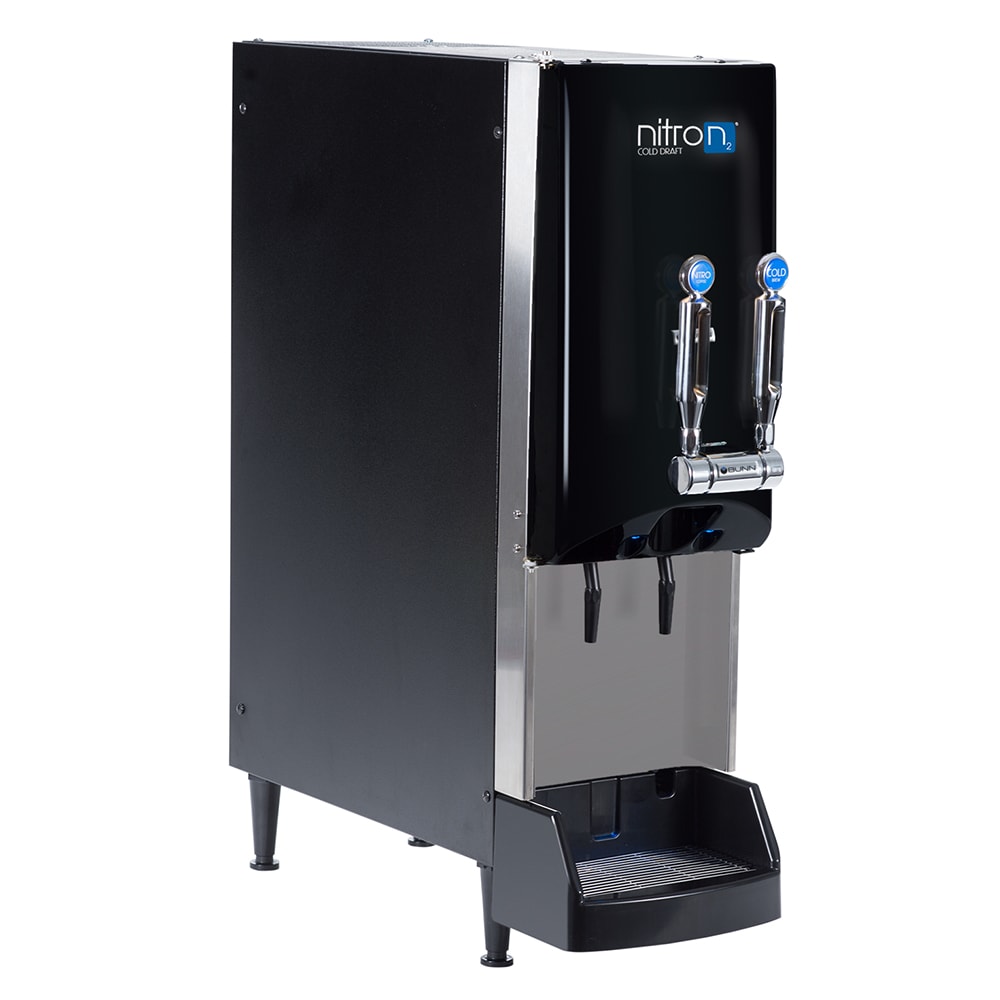 BUNN 51600.0016 Nitron®
|
What to Consider When Selecting a Nitro Cold Brew Machine
Expected Serving Volume
Operators should estimate demand during the busiest service period rather than relying only on daily totals. Important questions include:
- How many drinks will staff pour during the busiest hour?
- How many consecutive servings can the machine produce?
- How quickly does the refrigeration system recover?
- How much product can the reservoir or keg hold?
- Can staff replace the product container during service?
Peak demand is more useful than daily volume because a cafe or restaurant may receive twice as many coffee orders in one morning hour as it does during a typical service hour. The system's container capacity must be able to keep up with that high demand. More information on selecting coffee brewer capacity can be found in KaTom’s Coffee Brewer Sizes article.
"Demand for nitro equipment is strong because operators are looking for ways to expand cold beverage menus." — Mark Tilson
Installation Requirements
Equipment dimensions and available installation space determine the space required for ventilation, beverage containers, line connections, cleaning access, and cup placement. A tabletop nitro cold brew machine can preserve undercounter space, though the operator still needs room for the beverage container. A kegerator occupies more floor or counter space and stores the product within its refrigerated cabinet. Remote systems can store the keg away from the service counter, although longer beverage-lines add installation costs and operational complexity.
Menu Flexibility
A machine that serves both nitro and still cold brew can expand menu options without requiring two separate beverage machines. Additional taps or compatible concentrate systems may support flavored coffee, tea, and other specialty beverages.
"Nitro technology is expanding beyond cold brew into tea, dirty sodas, espresso martinis, energy drinks, and other specialty beverages." — Mark Tilson
Operators planning a broader drink menu should verify that the equipment manufacturer approves each beverage type. Acidity, sugar, dairy ingredients, pulp, and alcohol can affect component compatibility, cleaning procedures, and sanitation requirements.
Shop Cold Brew Equipment at KaTom
KaTom offers a variety of cold brew equipment, including brewers, dispensers, and nitro coffee machines of different sizes. Compare product capacity, beverage inputs, utility requirements, tap configurations, and installation needs to find the right equipment for your operation.
