Why Is My Ice Maker Making Ice But Not Dumping It?
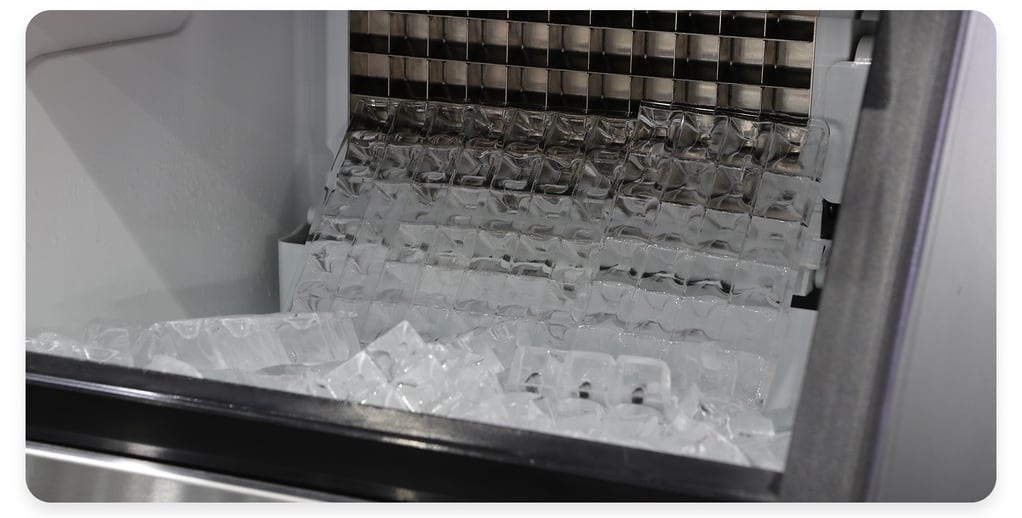
If your ice maker is making ice but not dumping it, the problem is most likely happening during the harvest cycle, when the machine loosens the ice from the evaporator and drops it into storage. When harvest stalls, ice can stay stuck in place. In many cases, an ice machine not releasing ice points to scale buildup, a sensor issue, restricted airflow, or a harvest component that's dirty, worn, or failing.
Key Takeaways
- If an ice maker is not dumping ice, it's usually failing during the harvest cycle
- Scale buildup on the evaporator is one of the most common reasons an ice machine is not releasing ice
- Faulty sensors, hot gas valve issues, and stuck switches can also prevent the machine from dropping ice
- Cleaning, water filtration, and regular maintenance can help reduce harvest problems
- If the machine still doesn't dump after basic cleaning and inspection, it may need professional service
Common Reasons an Ice Maker Is Not Dumping Ice
When an ice machine is not releasing ice, the cause is often tied to how the machine senses ice thickness, warms the evaporator, or confirms the harvest cycle has finished. Some problems are maintenance-related, while others point to a component failure.
Scale Buildup on the Evaporator
"Scale" is mineral buildup left behind by hard water. Over time, that buildup creates friction on the evaporator plate, which can prevent the ice slab from releasing during harvest. This means that, instead of dropping as intended, the ice may cling to the surface or hang in place until the cycle stalls. This is one of the most common reasons for an ice maker not dumping ice, and it's typically caused by poor cleaning or a lack of filtration.
"Water quality is critical," Hoshizaki Director of Training Jake Kimmel told KaTom. "You should test your water and use proper filtration. Minerals in the water can separate and cause scale buildup, which affects ice quality and the machine’s performance."
Faulty Thermostat or Temperature Sensor
The thermostat or temperature sensor helps tell the machine when the ice is ready to harvest. If that signal fails or is inaccurate, the machine may stay in "freeze" for too long, shift to "harvest" at the wrong time, or fail to transition at all. When this happens, the batch may overfreeze and bind to the evaporator too tightly, leading to inconsistent cycle times, unusually thick ice, or a machine that seems to run normally until the release point.
Hot Gas Valve Problems
Many commercial ice makers use a hot gas valve during harvest to warm the evaporator just enough to release the ice. This is a key component of commercial ice makers not found in residential units. If that valve doesn't open correctly, the ice can stay frozen in place. This is a common reason for an ice maker making ice but not dumping it, even though the freeze cycle appears normal.
Damaged or Dirty Harvest Assist Components
Curtains, flaps, and bin switches help the ice maker track the completion of the harvest cycle. If one of these parts is dirty, misaligned, stuck, or worn, the machine may miscalculate and stop the harvest process. This is a common reason for an ice maker not dropping ice into the bin even when the batch is fully formed.
Refrigeration System Problems
A refrigeration imbalance can interfere with both freezing performance and release timing. If the machine is not cooling and cycling properly, the ice may form unevenly, remain attached too long, or miss the harvest window. This issue often arises due to low refrigerant, compressor inefficiency, or other sealed-system problems.
Dirty Condenser or Poor Airflow
The condenser removes heat from the ice machine’s refrigeration system. If it's coated in dust, grease, or lint, or if airflow around the machine is blocked, the unit can run hot and lose efficiency. That added strain can affect both freeze and harvest timing. This issue is especially common in kitchens where the machine is installed near cooking equipment or in a tight space with limited ventilation.
"An ice machine needs to breathe," Follett Technical Solutions Specialist Dan Glimn told KaTom. "If you put it in a hot closet or block the air intake with other equipment, the ice production will drop significantly."
Signs Your Ice Maker Is Failing During Harvest
- Ice doesn't release and stays stuck in the machine
- Ice drops in small pieces instead of full batches
- Ice takes longer than usual to fall into the bin
- Machine runs but little or no ice is produced
- Ice slab stays attached too long
- Machine seems to freeze normally but never completes the drop
- Batches release inconsistently
How to Troubleshoot an Ice Maker That Won’t Dump Ice
- Turn Off the Machine and Inspect It: Start by shutting the machine down according to the manufacturer’s instructions. Open the unit and look for visible signs of scale, residue, broken parts, misaligned curtains, or anything blocking normal movement.
- Check the Evaporator for Scale: Inspect the evaporator surface for white mineral deposits, cloudy buildup, or rough spots where ice could stick. If scale is present, the machine may need a full cleaning and descaling cycle.
- Inspect the Curtain, Flap, or Bin Switch: Ensure the curtain or flap moves freely and returns to its normal position. Look for residue, damage, or anything that could prevent the switch from reading correctly.
- Clean the Condenser: A dirty condenser can throw the machine off its normal cycle timing. If the condenser is accessible and routine cleaning is recommended by the manufacturer, remove dust and debris carefully.
- Check the Water Filter and Water Quality: Poor water quality contributes to scale formation, and a neglected filter can worsen machine performance over time. Check if the filter is overdue for replacement.
- Monitor the Machine Through a Full Cycle: After cleaning and inspection, run the machine through a full cycle and observe what happens at harvest. Note whether the ice forms evenly and whether the machine shifts into harvest on time.
When to Call a Technician
If the problem is not solved after basic cleaning, a technician may be needed, especially if the issue points to controls, refrigeration, or harvest components that require testing.
"If you’ve cleaned the machine and it’s still not working, or you’re unsure how to proceed, that’s when to call a service provider," said Scotsman Senior Manager, Parts and Service Damon Holst.
| Situation | What It May Mean | Next Step |
|---|---|---|
| Machine still won't dump after cleaning | Scale or debris may not be the root issue | Schedule professional service |
| Electrical controls are not responding | Possible sensor, board, or switch failure | Stop running the machine and call a technician |
| Ice maker making ice but not dumping | Harvest components or hot gas system may be failing | Have the unit inspected |
| Problem keeps coming back | Ongoing water quality, scale, or mechanical issue | Review filtration and schedule service |
| Ice maker is making unusual noises or running abnormally long cycles | Potential airflow, refrigeration, or mechanical problem | Shut it down and request service |
How to Help Prevent Ice Dumping Problems
Routine maintenance is one of the best ways to reduce ice machine issues. A machine that stays clean, has proper airflow, and receives the right water treatment is less likely to have ice release issues.
- Clean the machine on the manufacturer's recommended schedule
- Replace water filters regularly
- Keep the condenser free of dust and debris
- Watch for longer cycle times or inconsistent batch release
- Address water quality issues before buildup becomes severe
"Testing water quality is essential," Kimmel said. "Even within the same city, water sources can vary. Knowing your water’s composition and treating it accordingly is key to long-lasting equipment."
Manitowoc Product Manager Wil York reinforces the importance of maintenance, stating, "Preventative maintenance is the key to a long-lasting machine. Following a regular cleaning schedule and addressing scale buildup proactively makes a huge difference."
Choose KaTom for Your Commercial Ice Solutions
When an ice maker is not dropping ice into its bin, fixing the issue begins with the right cleaning supplies, filtration, and replacement planning. KaTom offers commercial ice makers, ice maker cleaners, and support resources that help operators keep ice production steady and reduce avoidable downtime.
FAQs About Ice Makers Not Dumping Ice
Why is my ice maker making ice but not dumping it?
If an ice maker is not dropping ice into its bin, it's usually because the machine is failing during harvest. Common causes include scale buildup, a faulty sensor, a bad hot gas valve, or a stuck curtain or switch.
Can mineral buildup keep an ice machine from dumping ice?
Yes, scale on the evaporator can make it harder for the ice to release during harvest, causing the batch to stick.
Will cleaning fix an ice machine not dumping ice?
Sometimes. If the issue is caused by scale, residue, or blocked components, cleaning may solve it. If the problem is electrical or refrigeration related, the unit may need service.
Does a dirty condenser affect the harvest cycle?
It can. Poor airflow and condenser buildup may affect cycle performance and contribute to freezing or harvest issues.
Should I keep running the machine if it will not dump ice?
No, continuing to run the unit can add strain to the machine and may worsen the root problem.


