How to Open an Indian Restaurant: Step-by-Step Guide, Costs, & Equipment Checklist
Indian cuisine encompasses many regional traditions, each with distinct ingredients, cooking methods, and service styles. Many Indian concepts in the United States are refocusing on regional flavor profiles and traditional methods,1 while Indian fusion concepts have also gained a strong following.2 Starting an Indian restaurant involves creating a clear concept, developing a menu, securing the right location and equipment, and establishing efficient operational procedures. Use this guide and the included checklist to create your Indian foodservice operation plan before opening.
Already planning your space?
Talk to a KaTom Foodservice Equipment Specialist about product selection, sizing, utilities, and layout.
Contact UsKey Equipment Takeaways
- Let the concept, style, and menu plan drive equipment purchases, not the other way around
- Evaluate utilities, ventilation, plumbing, and clearances before securing a building or ordering major equipment
- Size refrigeration, cooking equipment, prep tables, and other large items for peak demand rather than average volume
- Develop prep and holding systems to maintain product quality while keeping up with customer demand
Indian Foodservice Operation Startup Planning at a Glance
Table of Contents
- Decide What Type of Indian Foodservice Operation to Open
- Research Your Market & Evaluate Locations
- Create a Business Plan
- Estimate Startup Costs
- Fund Your Indian Foodservice Business
- Register the Business & Secure Licenses
- Finalize the Menu & Supplier Plan
- Design the Location for Efficient Workflow
- Build Your Equipment List
- Set up Inventory, Technology, & Operating Systems
- Hire & Train Staff
- Market the Operation & Prepare for Opening
- Opening Checklist
- Frequently Asked Questions
1. Decide What Type of Indian Foodservice Operation to Open
Indian cuisine isn't one monolithic food culture. Instead, it includes regional traditions associated with different states and cultures within the country. North Indian and Punjabi cuisine often focus on creamier dishes and slow-cooked meats, while South Indian and Tamil cooking tends to center on rice, lentils, and seafood. Other regional styles have their own ingredients, techniques, and specialties. Some Indian cuisines are strictly vegetarian, while others offer both vegetarian and non-vegetarian options.
When developing a concept, begin by considering what you want to provide for customers, then choose the business type that best serves this purpose. Operational and equipment needs will vary based on the service style and cuisine.
Consider the following questions to help solidify the concept and set your operation apart from the competition:
- Who is the target customer?
- What are your target ticket times?
- What menu items will you primarily serve, and will you offer specials?
- Will you provide walk-up counter service or table service?
- How many customers should the dining area accommodate?
- How many employees are expected to work peak service periods?
- What features will distinguish this operation from nearby competitors?
Not sure what your concept will require?
Talk to a Foodservice Equipment Specialist to find equipment suited to your concept and menu.
2. Research Your Market & Evaluate Locations
Market research is essential to ensure your Indian foodservice operation will succeed, helping you better understand local demand and customer preferences before opening your doors. The following research steps may help when choosing a location:
- Demographics: Use tools such as the U.S. Census Bureau to identify local demographics, including primary occupation, income, median age, and population density3
- Surveys: Ask locals about their dining tastes and expectations to understand what will appeal to customers
- Competition Analysis: Identify and evaluate nearby competitors to find market gaps
- Ideal-Customer Analysis: Create an ideal-customer profile to guide future operational and design decisions
Once the area is confirmed, operators must lease, purchase, or build a commercial building capable of handling a foodservice operation.
When choosing a service region or physical location, answer the following questions to ensure the region and property fit the concept's needs.
3. Create a Business Plan
An Indian restaurant business plan should cover the concept, market analysis, menu, operating procedures, finances, and startup plan. Consider your business plan as an initial test of the concept's viability and use it as a tool for requesting funding, connecting with potential partners, and seeking feedback from experienced operators.
Use the following chart to draft your business plan.
4. Estimate Startup Costs
Create initial and operating budgets to ensure your business is adequately funded before its launch. The startup budget should include facility, equipment, construction, hiring, marketing, technology, administration, legal, food, and supply costs. An operating budget should cover restocking, marketing, staffing, utilities, and technology costs. Set aside an emergency fund for unexpected costs, such as equipment failure.
5. Fund Your Indian Foodservice Business
Before opening your Indian foodservice business, secure funding to cover startup and initial operating costs until the business becomes profitable. Estimate the sales needed to cover costs, then use your budget and available capital to set achievable goals for your team.
Potential funding sources include:
- Existing capital
- Business partners
- Commercial loans
- Investors
- Crowdfunding
- Equipment financing, when appropriate
6. Register the Business & Secure Licenses
When you're ready to establish a legal entity, determine which business structure best fits the operation and register it according to federal, state, and local requirements. Contact legal professionals and local authorities to determine the required licenses, permits, and insurance policies. Prepare for inspections once the buildout is complete.
Necessary permits, registrations, and inspections may include:
- Business registration
- Federal tax identification
- Commercial insurance
- Foodservice permits
- Health department approval
- Certificate of occupancy
- Fire inspection
- Building permits
- Sign permits
- Alcohol-related registration
- Music and entertainment licensing
- Sales tax registration
- Mobile-vendor license, if operating a food truck or stand
7. Finalize the Menu & Supplier Plan
When planning the menu, consider the Indian cuisine style, ingredient availability, customer expectations, and serving methods. Confirm supply logistics and storage requirements for each item and ingredient, paying particular attention to spice and grain sourcing.
Many Indian restaurants offer large menus with a range of dishes. Here are some of the most popular dishes and equipment needed to prepare them:
8. Design the Location for Efficient Workflow
Indian restaurant layouts vary by concept and service style. Thoughtful kitchen designs should include spaces for storage, prep, cooking, and plating. In busy operations, large stations give staff room to create multiple dishes at once to increase output.
The dining area can range from a walk-up counter used exclusively for takeout service to larger areas designed for group gatherings and family-style dining.
When building your Indian foodservice operation layout, plan space for the following:
- Storage
- Receiving
- Frozen storage
- Refrigerated storage
- Dry storage
- Ingredient prep
- Marinating
- Spice mixing
- Dough creation
- Cooking
- Holding
- Ordering
- Assembly and plating
- Service
- Drink station
- Ice
- Drink assembly
- Serving supplies
- Warewashing
- Clean dish storage
- Restocking
- Bathrooms
Need help creating a workable layout?
KaTom's Design + Build team provides expertise and design tools to plan equipment placement around your menu and service model.
9. Build Your Equipment List
Indian foodservice operations need equipment and supplies for preparing, cooking, holding, and serving main dishes, sides, and desserts. They also need supplies for beverage, storage, warewashing, and janitorial stations.
Refrigeration – Match Storage to the Menu
Cold storage equipment may include walk-in or reach-in coolers for bulk storage; prep tables, chef bases, or undercounters for point-of-use holding; and deli cases or merchandisers for grab-and-go concepts.
When purchasing refrigeration, consider:
- Product being stored
- Peak inventory
- Restocking and organization
- Unit width and depth
- Door or drawer configuration
- Temperature requirements
- Electrical needs
- Ventilation clearances
- Compressor location
- Door swing and staff traffic
- Glass or solid doors
Beverages and Ice – Calculate Demand Before Choosing Equipment
Indian foodservice operations can offer simple beverage service with soda machines, bottle coolers, and drink dispensers or provide a full beverage program that includes lassi, chai, draft beer, and Indian cocktail stations. In any concept, beverage service requires consistent storage and ice production to meet customer demands.
When purchasing beverage equipment, consider:
- Drinks served during the busiest times
- Peak period length
- Preparation requirements
- Equipment capacity
- Bottle and can storage space
- Restocking capabilities
- Needed serving supplies
When purchasing ice equipment, consider:
- Desired ice type
- Amount of ice used per drink
- Amount of ice used to chill bottles or fill wells
- Recovery between service periods
- Water and drainage requirements
- Ambient conditions
Prep Equipment – Increase Efficiency in Traditional Recipes
Prep equipment includes appliances such as commercial mixers, blenders, and food processors, as well as smallwares such as cutlery, mortar and pestle sets, and mixing bowls. Commercial prep equipment can help Indian kitchens prepare fresh ingredients and spice mixes for signature dishes.
When choosing prep equipment, consider:
- Prep workflow
- Footprint
- Batch capacity
- Duty load
- Durability
- Electrical requirements
- Cleaning and handling
Cooking Equipment – Size for Peak Production
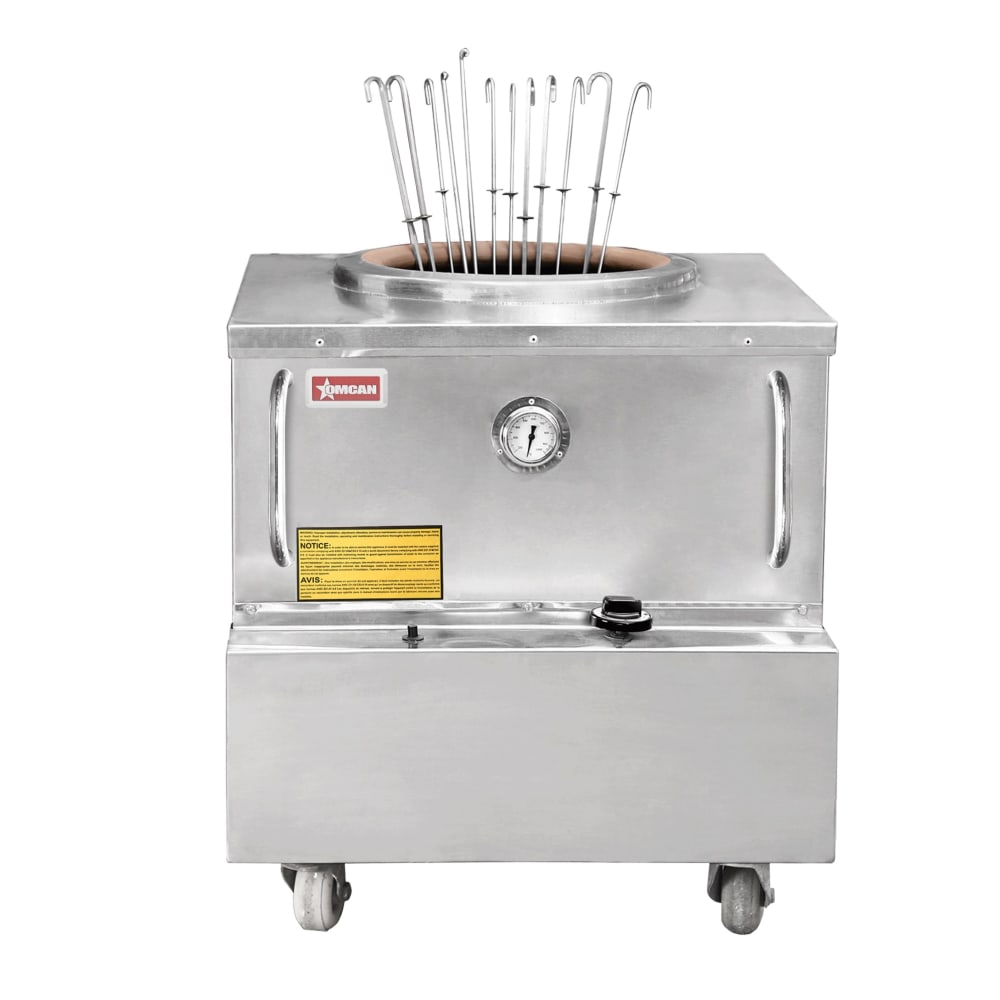
Indian foodservice operations can cook items on ranges, griddles, commercial ovens, and fryers. Specialty cooking equipment include tandoor ovens, dosa griddles, and idli steamers.
Confirm compliance with fire safety regulations before purchasing and installing equipment. When choosing cooking equipment, consider:
- Configuration
- Capacity
- Footprint
- Temperature control
- Price
- Fuel source
- Installation requirements and ventilation
- Door clearance
- Local regulations
Finishing and Serving – Attractive, Efficient Plating
Operators need holding, plating, and serving equipment to present meals to customers. Find supplies that support consistent serving temperatures, efficient production, and an appealing display.
Finishing equipment includes:
- Finishing utensils: Scoops, kitchen tweezers, zesters, garnish containers, etc.
- Warming equipment: Steam tables, warming cabinets, soup warmers, and insulated food boxes
- Servingware: Dinnerware, utensils, disposables, food containers, and serving trays
Storage – Organize Ingredients and Supplies
Indian foodservice operations need reliable storage systems, including cold and dry ingredient storage and shelving for smallwares, disposables, tableware, and other supplies.
Maximize your storage space with underutilized areas or equipment, including:
- Overhead space
- Undershelf storage
- Racks and hanging pegs
- Equipment stands
Cleaning and Sanitation – Maintain Safety and Compliance
Indian foodservice operations require commercial sinks, dish machines, and janitorial supplies to help keep the front and back of house clean. Waste management equipment and supplies should handle daily kitchen and guest output.
Consider the following when purchasing warewashing and cleaning equipment:
- Dish Machines: High-temperature or low-temperature operation, racks per hour, footprint, utilities, and ventilation requirements
- Sinks: Size, spray nozzle options, number of compartments, and material
- Hoses: Pressure nozzle, wall-mounted reel, and water-safe ratings for kitchen appliances
- Cleaning: Brooms, mops, carts, and cleaning solutions
- Waste: Trash containers, trash liners, carts, and disposal systems
Where to Spend vs. Where to Save on Indian Restaurant Equipment
Major equipment costs come from refrigeration, ice machines, cooking equipment, and ventilation. Invest in equipment the operation depends on every day, especially when downtime will hinder service. Save on accessories or items that are easier to replace or aren't essential to the core menu.
Don’t Order Until You Know
Before purchasing equipment, confirm the following details, as applicable:
- Maximum capacity
- Cooking time
- Equipment dimensions
- Doorway and hallway clearance
- Equipment door swing
- Required operating clearances
- Unit base style
- Voltage, amperage, and phase
- Plug type
- Gas connection
- Water connection
- Drain requirements
- Ventilation
- Ambient operating conditions
- Installation steps
- Needed accessories
- Local code requirements
- Service access
- Cleaning schedule
Not sure whether a unit will work in your space?
Ask a KaTom Foodservice Equipment Specialist before you order.
Contact Us10. Set Up Inventory, Technology, & Operating Systems
After securing equipment, establish systems to streamline operations and workflow. Monitor ingredient and supply levels, ticket times, production estimates, and sales data to guide purchasing decisions.
11. Hire & Train Staff
Operators can recruit staff through online job boards, flyers, networking events, and other local channels. Training should involve proper equipment use, cooking techniques, safe food handling, general policies, and menu items. Common Indian restaurant staff positions include head chef, tandoori chef, line cooks, dishwashers, servers, bartenders and managers.
Training may cover:
- Equipment operation and safety
- Food safety and batch holding times
- Sauce and spice mixtures
- Prep skills
- Specialty cooking methods
- Plating and service
- Ordering and serving etiquette
- Guest allergy awareness
- POS system and timekeeping
12. Market the Operation & Prepare for Opening
Effective marketing helps bring customers to the operation, build awareness, and establish a recognizable brand. Use a mix of digital and physical marketing strategies.
Digital marketing can include:
- Developing a website
- Creating an online business listing
- Curating social media accounts
- Building email or SMS lists
- Capturing media of the space and menu items
Physical marketing can include:
- Making location signs and posters
- Distributing flyers and mailers
- Organizing events and promotions
- Developing local partnerships
- Advertising in travel guides or magazines
Host a Soft Opening
Soft openings give operators and their teams a chance to test processes and identify workflow issues before the grand opening. Invite a limited number of guests to keep the test period manageable, then advertise the grand opening through the operation's primary marketing channels. Use the trial opening to confirm details such as:
- Storage and cooking capacity
- Ideal production levels
- Ticket times
- Product availability and reorder frequency
- POS and payment flow
- Restocking process
- Dishwashing turnaround
- Guest flow
- Equipment performance
Indian Foodservice Opening Checklist
Download Checklist as PDFUse this checklist to track planning, setup, staffing, compliance, and launch tasks when opening an Indian foodservice operation.
| Task | Complete? |
|---|---|
| 1. Choose a concept | |
| 2. Identify target customers | |
| 3. Research competitors and local demand | |
| 4. Develop preliminary menu | |
| 5. Estimate peak service volume | |
| 6. Create business plan | |
| 7. Build startup and operating budgets | |
| 8. Secure funding | |
| 9. Evaluate location and utilities | |
| 10. Register business | |
| 11. Apply for licenses and permits | |
| 12. Secure insurance | |
| 13. Finalize menu and suppliers | |
| 14. Design kitchen and dining area | |
| 15. Create equipment list | |
| 16. Verify equipment specs and utilities | |
| 17. Order and install equipment | |
| 18. Hire staff | |
| 19. Set up POS and inventory systems | |
| 20. Train staff | |
| 21. Complete required inspections | |
| 22. Receive opening inventory | |
| 23. Test equipment | |
| 24. Hold soft opening | |
| 25. Address operational bottlenecks | |
| 26. Host grand opening |
Ready to Build Your Indian Restaurant Equipment List?
KaTom can help you find commercial refrigeration, tandoor ovens, servingware, and other Indian supplies to suit your menu, space, utilities, volume, and workflow.
Frequently Asked Questions About Opening an Indian Foodservice Operation
How much does it cost to open an Indian foodservice operation?
The total cost varies by concept and style. Location, property lease or purchase costs, construction, interior decor, equipment, and business licensing requirements can all affect budget.
How long does it take to open an Indian restaurant?
The time it takes to open an Indian restaurant depends on building requirements, inspections, equipment lead times, and the construction schedule.
How much refrigeration does an Indian foodservice operation need?
The amount of refrigerated space depends on your planned volume and expected growth. Walk-ins and multi-section reach-ins provide greater storage flexibility for high-volume use. Since Indian cuisine often uses fresh produce, it’s important to create organized first-in, first-out systems for fruits and vegetables.
How can a new Indian foodservice operation stand out from competitors?
An Indian startup can distinguish itself from competitors through its interior design, a menu with innovative or lesser-known dishes, and a unique serving style or dining atmosphere. Compare local restaurants with your own offerings to identify a competitive edge.
What are common mistakes when opening an Indian foodservice operation?
Common mistakes include underestimating startup funds, not creating enough storage space, overlooking utility capacity, designing an inefficient workflow, and purchasing equipment that doesn't support the menu or workflow. Inadequate cleaning equipment can also create operational problems.
Resources
- The Year of Redefining Indian Food in America. Restaurant Business. Accessed September 2026.
- Making of a Successful Indian Restaurant in the States. Savasa Life. Accessed September 2026.
- United States Census Bureau. Accessed September 2026.
