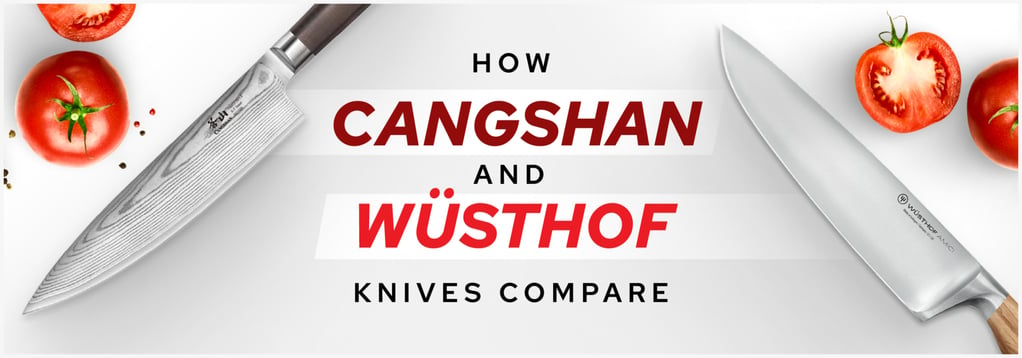
Cangshan vs. Wüsthof
Cangshan (pronounced Kang-Shan) and Wüsthof produce high-quality knives known for performance and durability. Cangshan stands out for its exceptionally sharp blades, while Wüsthof is known for its long-term value. Both brands deliver reliable performance, with the differences coming down to edge style and long-term durability.
Cangshan vs. Wüsthof Comparison Snapshot
| Category | Cangshan | Wüsthof |
|---|---|---|
| Overview | Family-owned brand that produces handcrafted and hand-sharpened, forged knives | Traditional, family-owned, German-made knife brand known for its durability |
| Typical Price Range | $$ | $$$$ |
| Strengths | Edge sharpness, ergonomic design, durable steel construction | Durability, edge retention, ergonomic comfort |
| Considerations | Unbalanced weight, long-term durability, overall longevity | High upfront cost, heavy weight, forged from soft steel |
| Best For | Mid- to high-volume operations, home use | High-volume operations, serious home cooks |
About Cangshan
Founder Henry Liu grew up in Cangshan, China where he started a successful kitchenware company. Later, he and his family moved to the United States, where he began to research knifemaking. Liu and a team of material manufacturers and designers developed knives that combine Western and Japanese styles, and in 2015, he founded the Cangshan Cutlery Company. All Cangshan knives are forged and handcrafted in Yangjiang, China and are recognized for their design and performance.
Key Features:
- Crafted of German, Swedish, and a proprietary steel
- Hand-polished, hand-sharpened blades
- Many knives feature full-tang designs
- All knives are NSF certified
About Wüsthof
Family owned for more than 200 years, Wüsthof was founded by Johan Abraham Wüsthof in Solingen, Germany as Shears Factory, Steel and Iron Works. In 1881, one of Wüsthof's sons traveled to America to sell scissors and pocketknives. Within months, he successfully established the Wüsthof name in America, and Wüsthof knives are now sold in more than 80 countries.
Key Features:
- Most knives are forged from a single piece of high-carbon steel
- Many knives feature full-tang designs
- Blades are designed for heavy use
Key Differences Explained
Performance and Reliability
Cangshan knives are constructed of hard steel, enabling them to retain a sharp edge for longer periods. With a 16-degree blade angle, these knives require less sharpening and are less prone to damage. Cangshan has manufactured knives since 2015 and is known for its quality. Wüsthof uses softer steel that requires more honing but also makes knives more durable and resistant to chipping. Renowned for exceptional longevity, these knives can last a lifetime with proper maintenance. Wüsthof blades are designed for long-term durability and consistent performance.
Design and Ease of Use
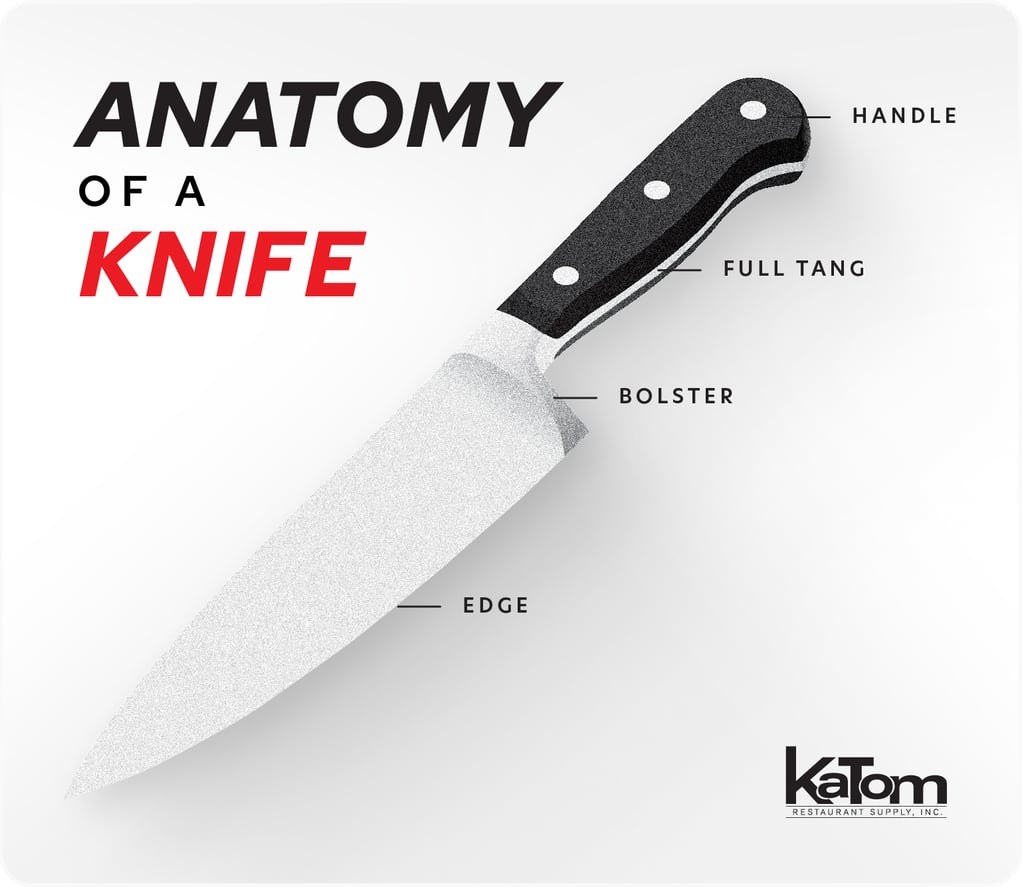
Cangshan knives combine modern design with ergonomic comfort, featuring tapered bolsters, full-tang construction, and secure, comfortable handles. Sharp edges deliver high-performance cutting, with select series tailored to different user preferences. The 8-inch chef's knife is designed to handle a variety of tasks, including chopping, mincing, and slicing for home or commercial kitchen use. In contrast, high-carbon stainless steel provides exceptional balance and weight to Wüsthof knives. They feature ergonomic, nonslip handles, making them comfortable for long-term use. With lasting edge retention and a secure grip, Wüsthof's 8-inch chef's knife is a versatile tool for both professional and home cooks.
Maintenance and Durability
While Cangshan knives are designed to withstand heavy, daily use, they aren't dishwasher safe. They should be cleaned with warm water and mild dish soap and shouldn't be left in the sink for an extended time. Proper honing maintains edge alignment for consistent sharpness. Food-safe mineral oil should be applied periodically. Like Cangshan, Wüsthof knives aren't dishwasher safe and should be washed with warm water and mild soap. The knives should be dried immediately to prevent water spots or rust. Ideally, the knives should be honed before or after every use. Wüsthof knives are exceptionally durable and designed to last a lifetime with proper care.
Comfort and Handling
Cangshan's ergonomic handles provide lasting comfort, even during prolonged use. Many models feature the center of gravity just behind the bolster for enhanced control. Handle materials include walnut, African blackwood, and, in some cases, metal. Cangshan's lightweight knives handle precise cuts without sacrificing stability. Wüsthof handles are also designed for comfort. With a full tang and bolster, the knives feature a substantial weight suited for heavy-duty prep work, while the handles feature a durable plastic that ensures hygienic use and simple maintenance.
Price and Value
Considered a mid- to high-end brand, Cangshan knives offer a high value for their features and durability. Cangshan knives are manufactured in China, which enables competitive pricing while offering quality and durability. Wüsthof's forged knives are more expensive, but the price is justified by the high quality and performance. The knives offer long-term value, hold their edges well, and often last decades. Pricing varies by series for both brands.
Which Knife Brand Is Best for You?
| Scenario | Best Choice | Why |
|---|---|---|
| High-Volume Operations | Wüsthof | Built for high-volume use with durable, chip-resistant steel that withstands constant use |
| Small / Startup Businesses | Cangshan | Offers strong performance at an accessible price point |
| Ease of Maintenance | Either | Both offer simple maintenance—Cangshan requires less frequent sharpening, while Wüsthof is simple to hone and restore |
| Versatility | Either | Both perform well across a wide range of kitchen tasks |
Shop Wüsthof at KaTom
Explore Wüsthof knives for professional and home chefs at KaTom. Compare features and performance to find the right fit for your kitchen.
