Hoshizaki Ice Machine Guide
In the field of commercial ice makers, Hoshizaki ice machines stand out for their advanced technology, ice type variety, and long-lasting durability. Whether you manage a restaurant, run a bar, or oversee a healthcare facility, learning how to get the most from your Hoshizaki ice machine improves efficiency, ice quality, and consistent operation.
Understanding Your Hoshizaki Ice Machine
Why Choose Hoshizaki Ice Makers?
Hoshizaki commercial ice machines are known for their reliability, quality, and innovative features.
Wide Range of Ice Types
Hoshizaki provides eight ice types designed to meet specific needs. These include:
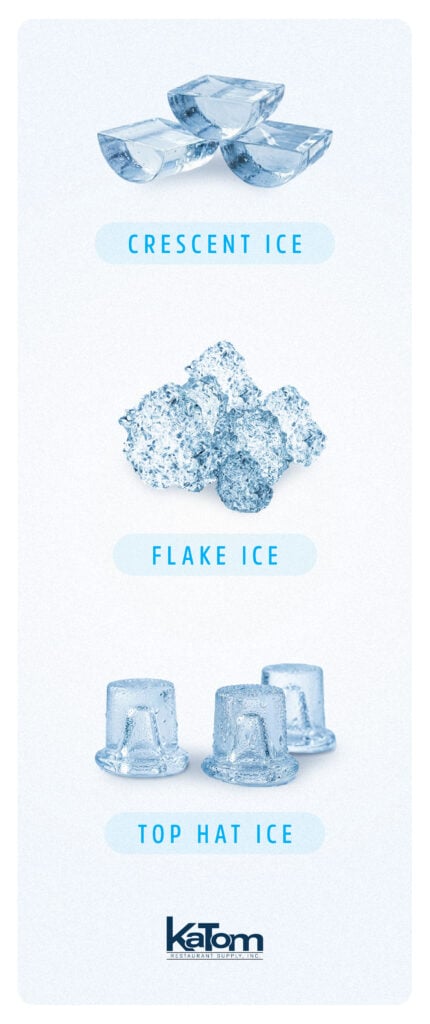
- Crescent Ice: Perfect for upscale beverages, this shape melts slowly and nestles compactly in glasses, minimizing dilution and increasing revenue. Steve Wright, Hoshizaki's Manager of Strategic Dealers, calls it the "star of the show." Hoshizaki crescent ice makers use patented, double-sided KMEdge™ evaporators to create clean, clear, and hard ice using fewer cycles. Hoshizaki units are the only ice makers that produce this unique crescent ice shape.
- Flake Ice: Ideal for grocery stores and medical applications, flake ice offers soft, small crystals suited for packing injuries or presenting fresh seafood. These units utilize stainless steel augers and greaseless bearings for simple upkeep.
- Specialty Ice Cubes: Top hat cubes for high-end cocktails and extra large or spherical ice for craft spirits cater to the growing demand for unique ice shapes. "Hoshizaki is the only company to offer ice makers that enable operators to produce these specialty cubes in-house," Wright said.
Superior Ice Quality
Hoshizaki ice makers produce clear ice with minimal impurities. "Our machine’s free-flowing evaporator separates minerals from water, ensuring cleaner ice," Wright said. Unlike grid-cell evaporators, Hoshizaki’s crescent ice system allows impurities to drain from the unit. This process produces harder, clearer ice while reducing mineral buildup in hard-to-reach evaporator crevices.
Energy Efficiency
Double-sided evaporators produce ice on both sides of the unit, enabling Hoshizaki machines to generate more ice per cycle and cut energy costs. "The machine runs less often, making production more energy efficient," Jake Kimmel, a corporate trainer at Hoshizaki, explained.
Durability and Reliability
Hoshizaki ice makers are known for durability and consistent performance. Often lasting as long as 15 years, these units are built in Georgia with stainless steel exteriors and evaporators for superior durability.
Advanced Technology
Some Hoshizaki models incorporate smart features, enabling remote monitoring, added control, and improved sanitation. Serenity Series models feature quieter operation, ideal for front-of-house applications.
Exceptional Customer Support
With live and virtual training, responsive tech support, and more than 8,500 certified technicians nationwide, operators have quick access to repairs and parts. Building a relationship with a local service provider can streamline the maintenance and service processes.
Hoshizaki Common Issues
| Issue | Common Causes | Initial Troubleshooting |
|---|---|---|
| Hoshizaki ice machine not making ice | No power or water, clogged filter, faulty components | Test for power and inspect water supply |
| Hoshizaki ice machine not making enough ice | High temperature, water quality issues, dirty components, production settings | Check production settings and ambient conditions |
| Hoshizaki ice machine beeping | Power faults, sensor issues, cycle problems | Decode beeps |
| Hoshizaki ice machine freezing up | Low water flow, dirty evaporator, pump issues | Inspect settings and observe ice cycle |
| Hoshizaki ice machine leaking water | Clogged drain, valve issues, improper installation | Locate the leak |
Hoshizaki Ice Machine Is Not Making Ice
If your Hoshizaki ice machine isn't making ice, the issue is typically linked to water flow, power, or internal components.
Quick checks:
- Verify power and electrical connections
- Check water supply and pressure
- Inspect and replace clogged filters
Follow step-by-step ice maker solutions in our complete guide.
Hoshizaki Ice Machine Is Not Making Enough Ice
If your Hoshizaki ice maker isn’t keeping up with demand, environmental conditions or maintenance issues are typical causes.
Quick checks:
- Ensure a stable ambient temperature
- Check water temperature and quality
- Clean condenser, evaporator, and water lines if needed
Learn more about how to improve ice production.
Hoshizaki Ice Maker Is Beeping
Beeping alerts indicate system issues and should be promptly addressed.
Quick checks:
- Identify beep patterns
- Check temperature
- Inspect sensors, valves, and control board
Understand what each beep means and how to fix it with our full Hoshizaki error code guide.
Hoshizaki Ice Machine Is Freezing Up
Freezing issues usually stem from water flow problems or dirty components.
Quick checks:
- Check water pressure and inlet filter
- Inspect water pump
- Clean evaporator plate
Find out what’s causing the issue and how to fix it in our complete guide.
Hoshizaki Ice Machine Is Leaking
Leaks around ice machines are often caused by drainage or water supply issues.
Quick checks:
- Inspect drain line for clogs
- Check water supply connections
- Conform inlet valve is working
Once you identify the source of the leak, follow step-by-step solutions in our full guide.
If you're looking for ice machine parts, visit KaTom to explore our wide selection of Hoshizaki components.
Hoshizaki Preventative Maintenance Tips
Regular maintenance prevents breakdowns and ensures consistent performance.
Common tasks include:
- Cleaning and descaling the machine
- Replacing water filters
- Inspecting water lines and connections
Routine maintenance extends the lifespan of your Hoshizaki ice machine and maintains ice quality. Follow our full guide to understand how to maintain your specific machine.
FAQs About Hoshizaki Ice Machines
What is the average lifespan of a Hoshizaki ice machine?
With proper care and maintenance, Hoshizaki ice makers can last for 15 years or more.
How often should I clean my Hoshizaki ice machine?
Hoshizaki recommends you clean your ice maker every six months, with an additional, advanced cleaning and sanitizing performed yearly. However, the frequency may vary depending on water quality and usage. Learn how to clean your ice machine efficiently.
What type of water filter should I use with my Hoshizaki ice machine?
A Hoshizaki sediment filter is recommended to remove dirt and debris from the water supply. For areas with hard water, a scale inhibitor or prefilter prevents mineral buildup.
Can I install a Hoshizaki ice machine myself?
While it's possible to install a Hoshizaki ice maker yourself, it's recommended to hire a professional technician to ensure proper setup and avoid potential production or drainage issues. KaTom's Design + Build team provides the experience and qualifications needed for professional Hoshizaki ice maker installation.
How long does a Hoshizaki ice machine take to make ice?
A Hoshizaki ice machine takes about 15 to 25 minutes to make its first batch of ice; subsequent batches can be produced in 5 to 10 minutes. Production times may vary based on model and environmental conditions.
How do I know if my Hoshizaki ice machine needs a refrigerant recharge?
If your ice maker isn't producing ice efficiently or if you notice abnormal noises, it may be a sign that the refrigerant needs to be recharged. Contact a qualified technician for inspection and service.
What is the warranty on a Hoshizaki ice machine?
Hoshizaki offers a limited warranty on its ice makers. Most machines come with a 3-year parts and labor warranty, but the specific terms and conditions of the warranty may vary depending on the model and region.
How do I dispose of my old Hoshizaki ice machine?
Check with your local waste management facility for guidelines on proper disposal of electronic equipment. Some manufacturers also offer recycling programs.


