Rules & Regulations

Learn about the licenses and permits needed to open a food truck and how to prepare your mobile food business to pass permitting inspections.

Learn how to bolster your establishment's food safety plan with our breakdown of the seven HACCP principles and sample HACCP plan

Commercial ice machines may be marketed as ADA compliant or ADA certified, which can be confusing. Learn more about ADA-compliant ice makers at KaTom.

Nutrition labeling requirements have evolved in recent years. KaTom covers the facts on FDA rules for restaurant nutrition information.
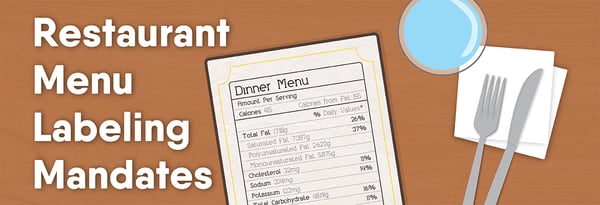
Federal menu labeling laws for chain restaurants went into effect in 2018. KaTom looks at these laws and what they entail.
If you're buying a restaurant that serves liquor by the drink, don't let archaic ABC laws get in the way of a smooth liquor license transfer.

When it comes to FOG disposal in restaurants, are grease traps and interceptors a necessary expense? KaTom explains the sticky situation.

Tip pools can be a controversial topic for foodservice staff. KaTom covers the legal challenges that may determine how the tip pool evolves.
Ensure your business operates safely with ServSafe Pennsylvania. Learn all you need to know about these certifications here with KaTom.
In response to the COVID-19 pandemic, many states are loosening restrictions and allowing restaurants to deliver alcohol or sell it to-go.
Read up on KaTom's explanation of open container laws and what they mean for restaurants and other foodservice establishments.

Is food delivery safe? We'll explore the regulations, or lack thereof, that ensure third-party delivery services keep your food safe.
Learn more about DOE pre-rinse spray valve regulations at KaTom. We'll help you make sense of the current DOE requirements for spray valves.
KaTom can teach you about CDC and VFC vaccine transportation requirements, situations where transport is needed, and what containers to use.
Should restaurants keep EpiPens on hand? Can servers perform the Heimlich maneuver? More importantly, what are they legally able to do?
Health code violations can result in sick customers, lost business, and worse. Find some of the most common violations, and ways to prevent them, here.

The U.S. Consumer Product Safety Commission is implementing new regulations in June 2019 for high chair safety. Read the new requirements here.
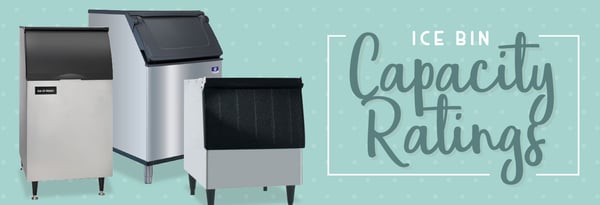
AHRI sets the standards that make it easier for consumers to compare commercial ice makers. Take a look at a recent change in those standards here.
Complying with ADA guidelines may take some (mostly simple) work, but it can mean opening your doors to millions of potential customers.
If your cooks aren't wearing gloves and hair nets, your restaurant could be violating the FDA Food Code's requirements for employee hygiene.

Compare Type 1 and Type 2 commercial hoods to find the right vent for your kitchen. Learn how each handles grease, heat, and moisture for safer ventilation.
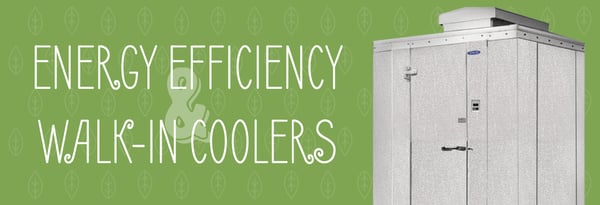
Take a look at the efficiency requirements for walk-in coolers and freezers established by the Energy Independence and Security Act of 2007.
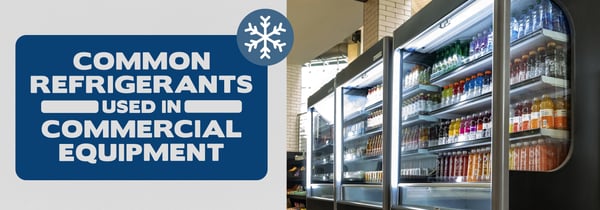
Read about the most common refrigerants used in fridges, freezers, deli cases, and other commercial refrigeration equipment. Learn more at KaTom.
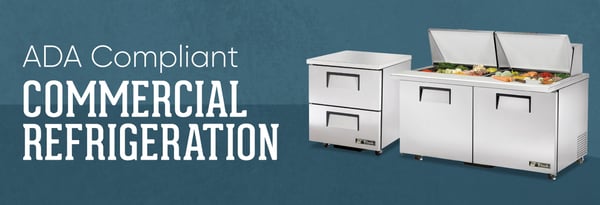
The Americans with Disabilities Act includes guidelines about counter height that may affect your undercounter refrigeration purchases.