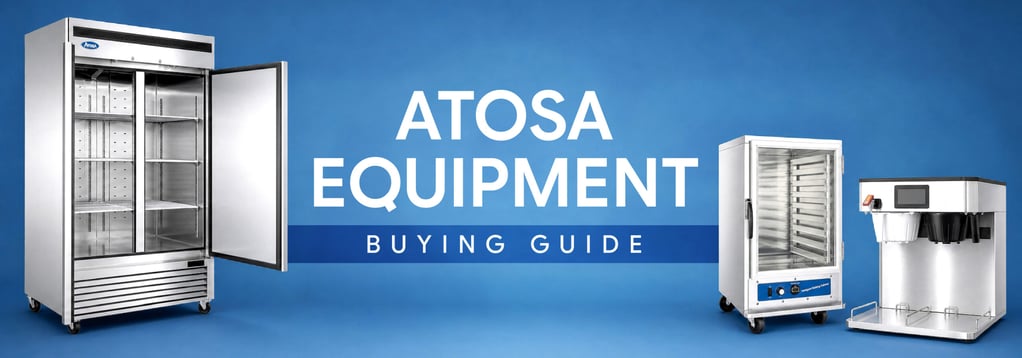
Atosa Equipment Types & Applications
Atosa was established in 2003 and has since grown into a major provider of foodservice equipment for commercial kitchens. Atosa equipment includes solutions for cold storage, food preparation, beverage service, ice production, and hot food holding. The right unit depends on what needs to be stored or served, how frequently the unit will be accessed, and the space the equipment will occupy.
KaTom offers a wide assortment of commercial kitchen equipment from Atosa. This guide compares Atosa equipment available through KaTom to help operators select the right products for their operation.
Shop Atosa
Atosa Equipment at a Glance
The first step in determining the Atosa equipment you need is identifying the operational need and comparing equipment options to find the best fit for your kitchen.
Shop Atosa
Atosa Refrigeration
Atosa's refrigeration category includes units for ingredient storage, frozen storage, food prep support, product display, and ice production. Choose the model and configuration according to the need and where staff will use it.
Atosa Refrigerators
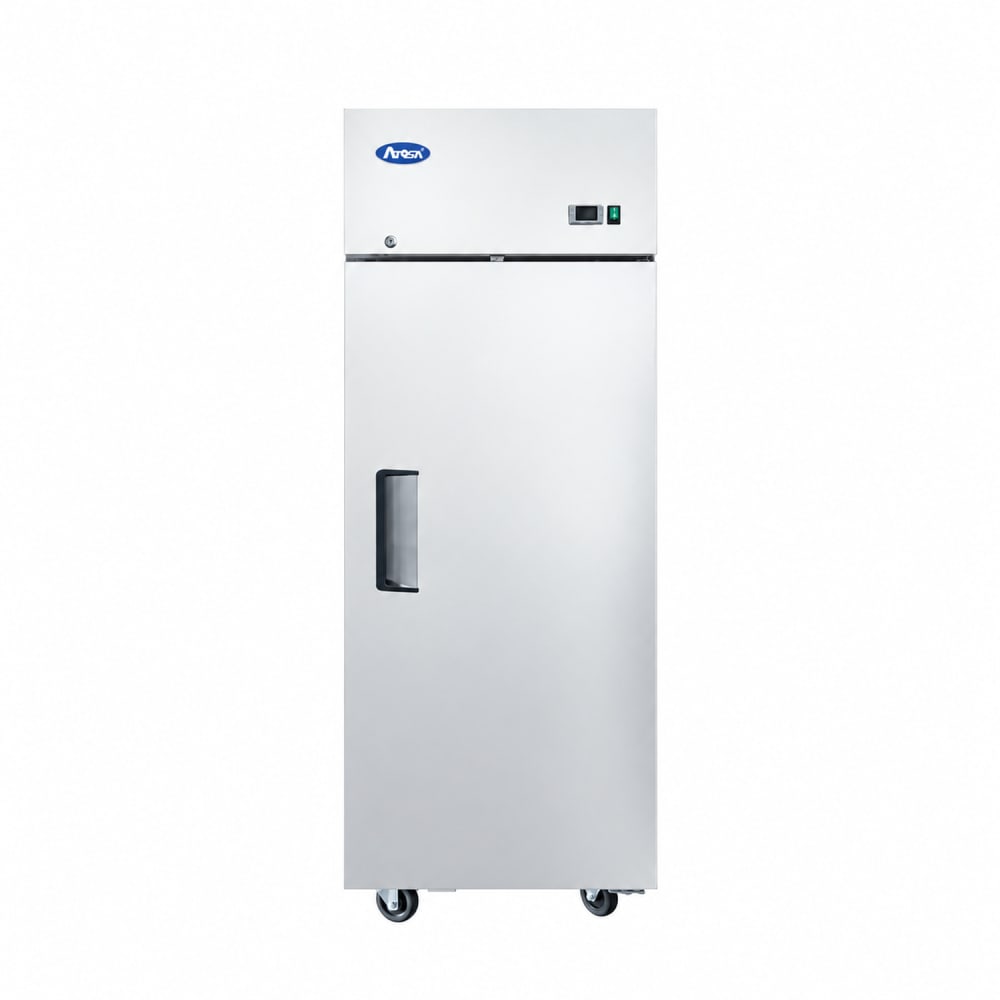
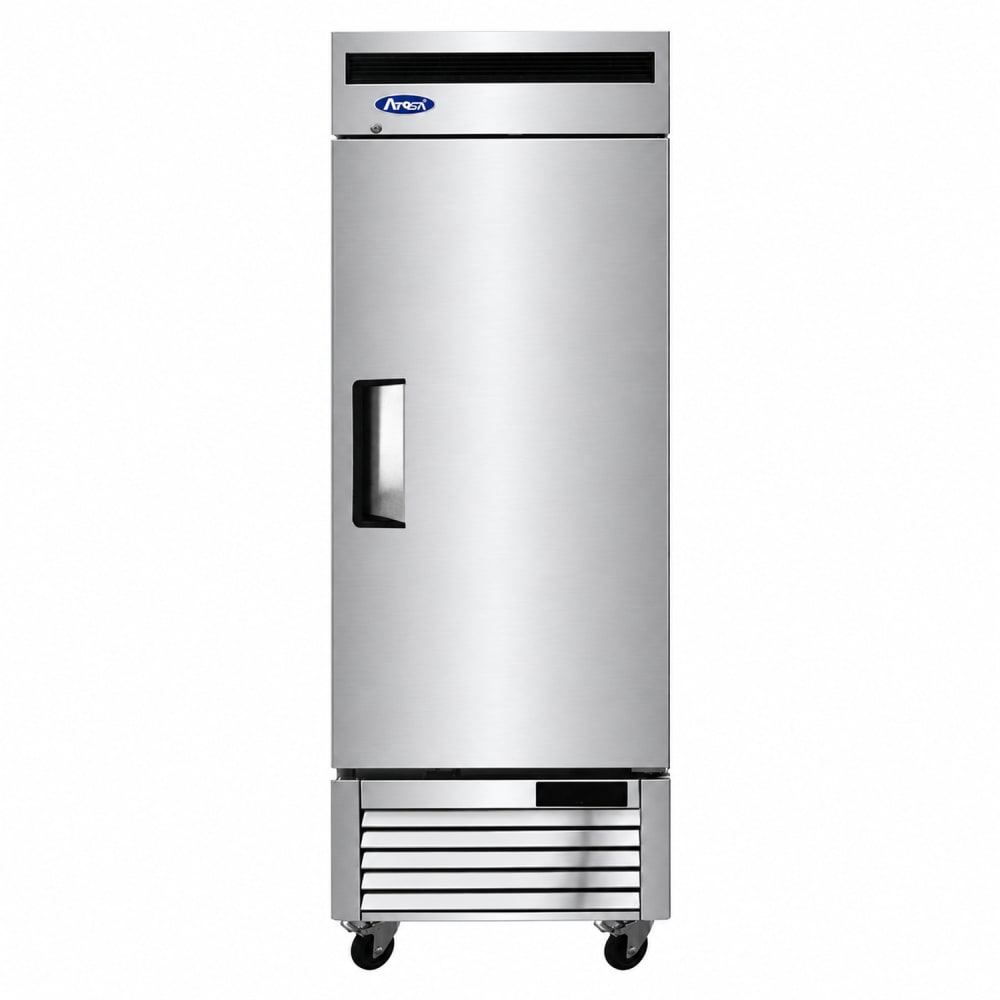
A reach-in refrigerator holds cold inventory in an upright cabinet with shelves. It suits kitchens needing organized storage for prepared ingredients or backup products. When cooks need ingredients within arm's reach during service, an undercounter or worktop refrigerator may fit the station better. Compare the number of sections, door style, cabinet capacity, and required space.
This category also includes chef bases, which place refrigerated or frozen storage beneath compatible cooking equipment. Measure the full station and review the equipment's clearance and installation requirements before selecting a chef base.
Atosa Freezers
Atosa reach-in freezers provide upright access to frozen ingredients and prepared foods. A single-section model can serve a smaller kitchen or a separate station, while additional sections provide room to organize a larger inventory.
Atosa also offers undercounter, worktop, and pass-thru freezer configurations. Those options may fit operations requiring frozen storage close to a workstation or access from two sides. Compare size, capacity, shelf space, and door swing to find the right fit for your operation.
Atosa Undercounters and Worktops
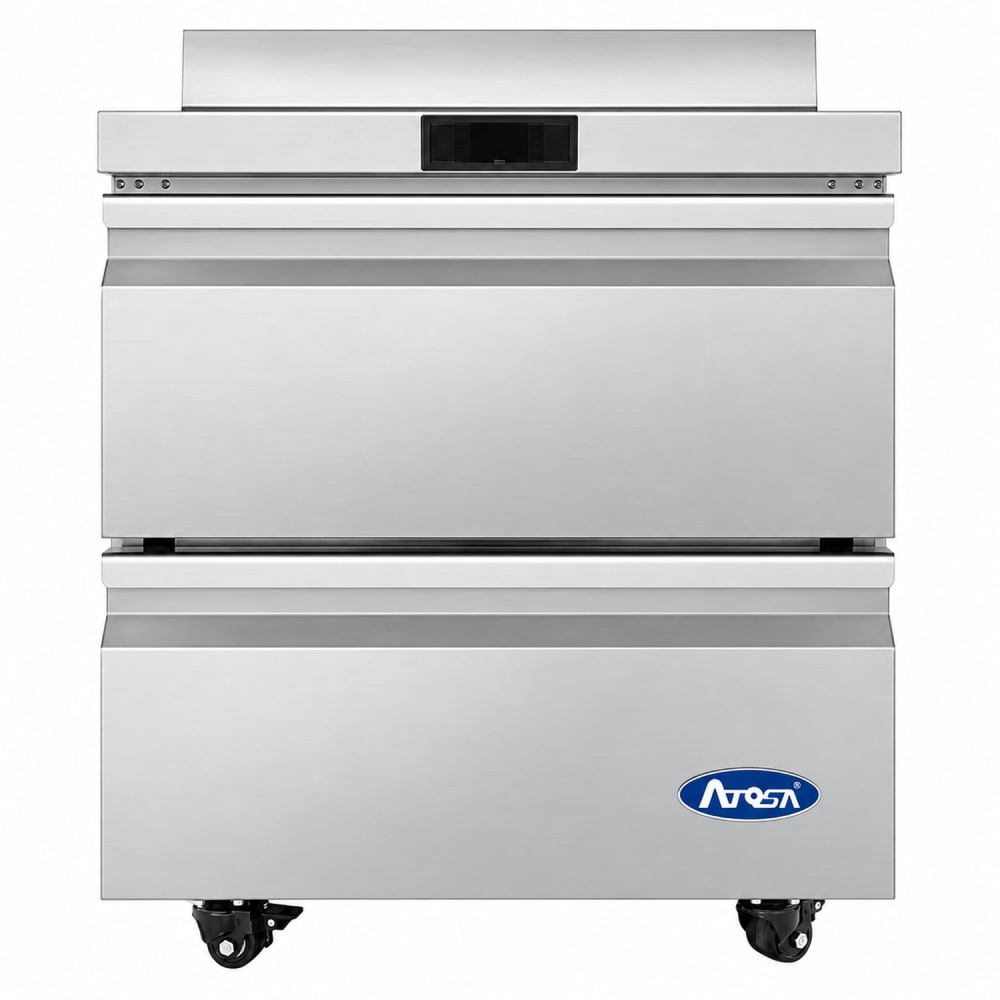
Undercounter refrigerators and freezers create storage below an existing work surface. Worktop units add a surface above the refrigerated base, which can eliminate the need for a separate worktable. Compare door and drawer layouts against the ingredients staff retrieve most often to determine the best fit.
Atosa Merchandisers
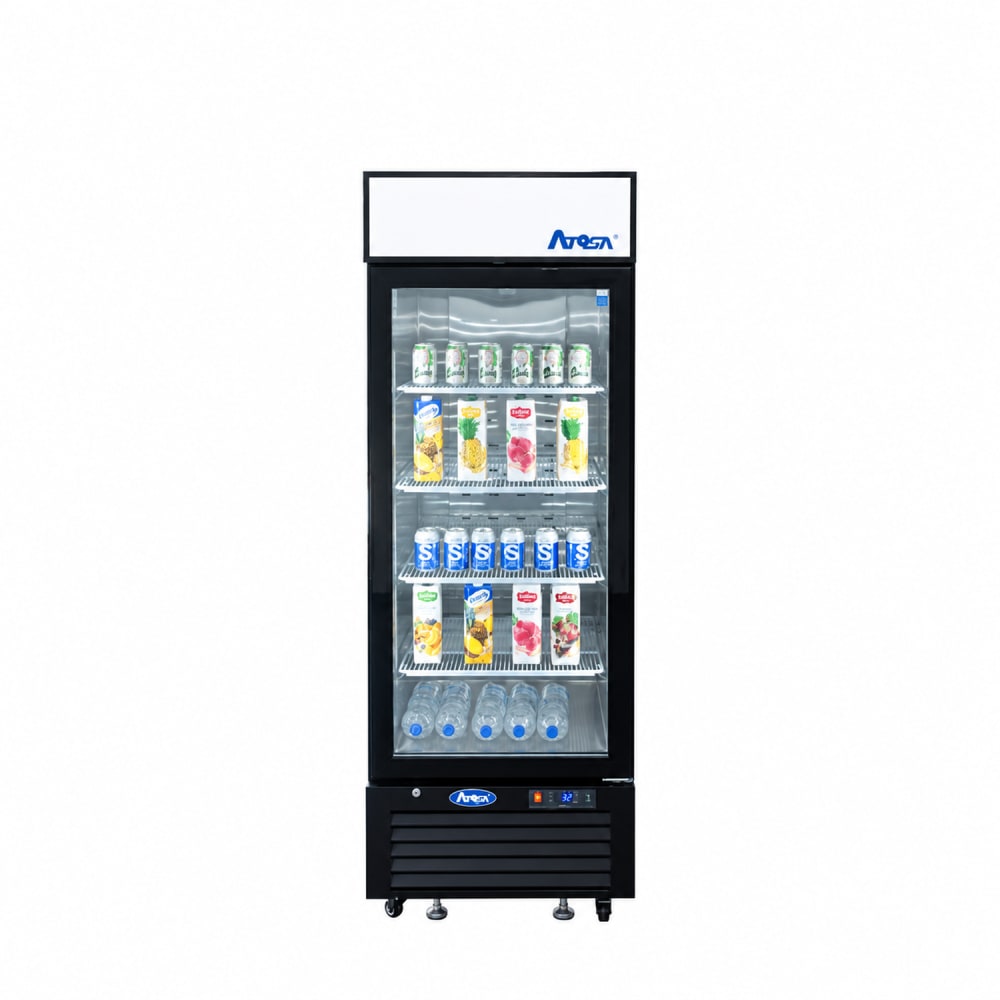
Merchandisers put products in view of customers while keeping them cold or frozen. Glass-door cabinets suit packaged drinks and foods displayed to customers, while open-air coolers provide direct access to grab-and-go items. Countertop and floor display cases present products at a service counter.
Choose the display based on the product being sold and where the unit will be installed. Account for customer traffic, restocking access, and whether staff or guests will retrieve the product.
Atosa Ice Machines and Bins
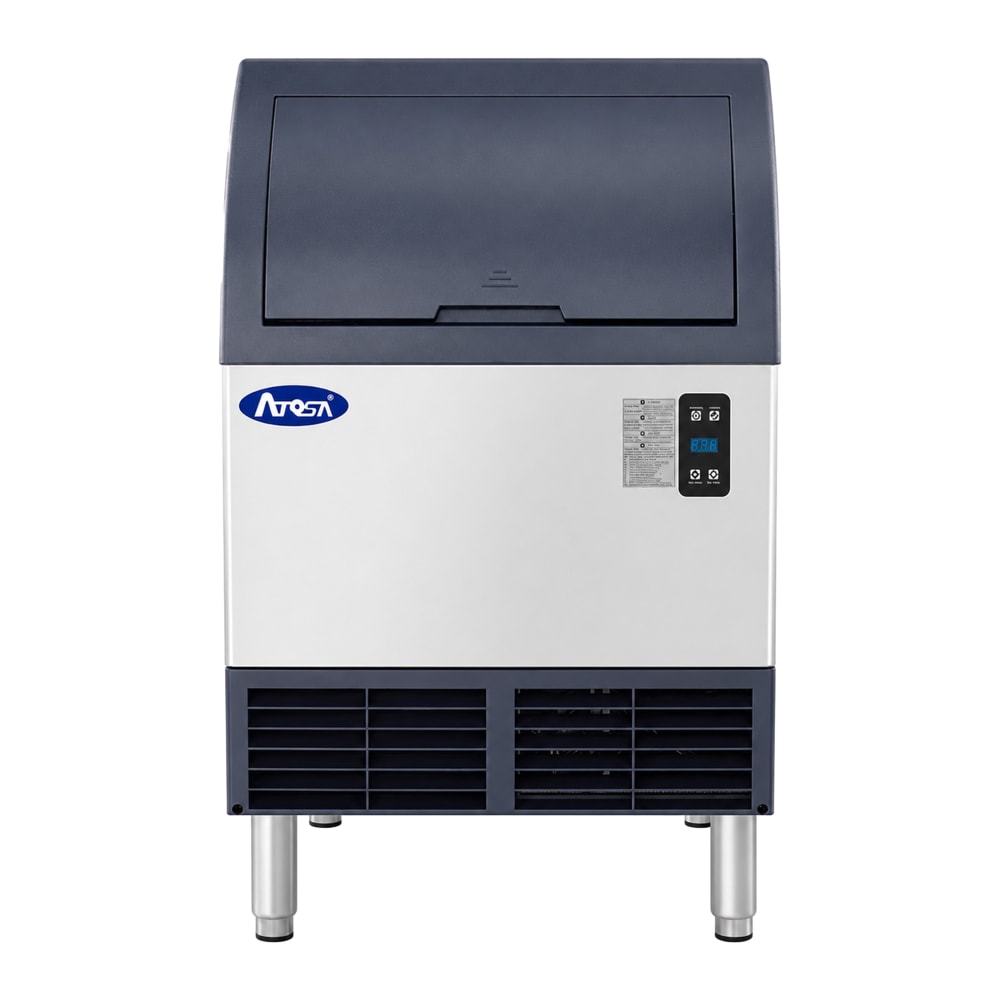
An ice machine head produces ice, a bin stores ice, and a dispenser provides a convenient way for staff or guests to retrieve ice. Some models combine production, storage, and dispensing in one unit. Undercounter models, for instance, combine production and storage in a compact footprint.
Estimate ice production needs based on peak demand, then compare both production and storage capacity. Compare ice types, installation footprints, water and drainage connections, and ensure the selected ice machine head fits your intended bin or dispenser.
Atosa Food Prep Equipment
Atosa prep tables and blast chillers handle different stages of food production. Prep tables keep ingredients near the point of assembly, while blast chillers cool batches of prepared food before storage for later service.
Atosa Prep Tables
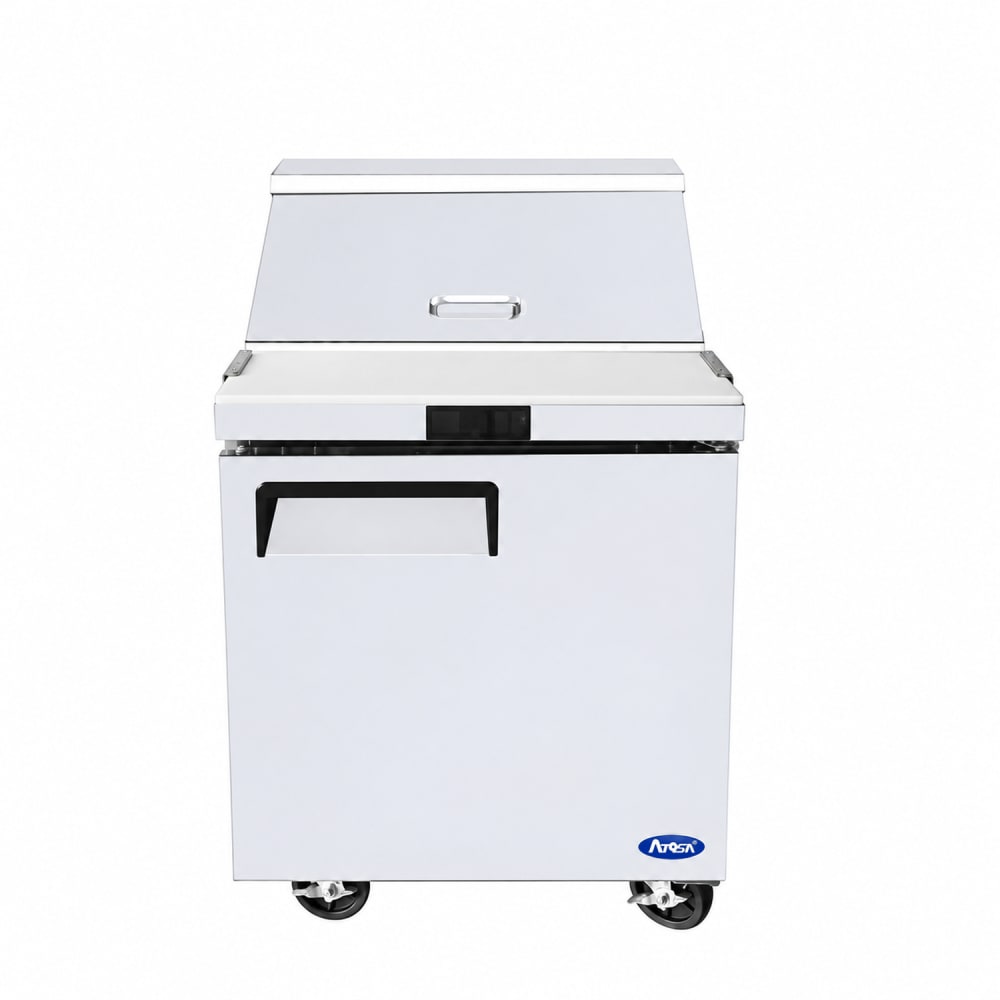
A refrigerated prep table brings ingredient pans, a cutting board, and storage together in one unit. Standard sandwich units suit a focused topping selection, while mega-top models provide more pan space and an extended preparation area for menus needing a larger ingredient selection. An Atosa pizza prep table has a deeper work area for assembling pies and accommodating pizza ingredients. Countertop refrigerated rails can add ingredient holding to an existing table. Choose a prep table based on the menu and the ingredients staff need available at once, then compare pan layout, cutting board depth, base storage, and station width.
Atosa Blast Chillers
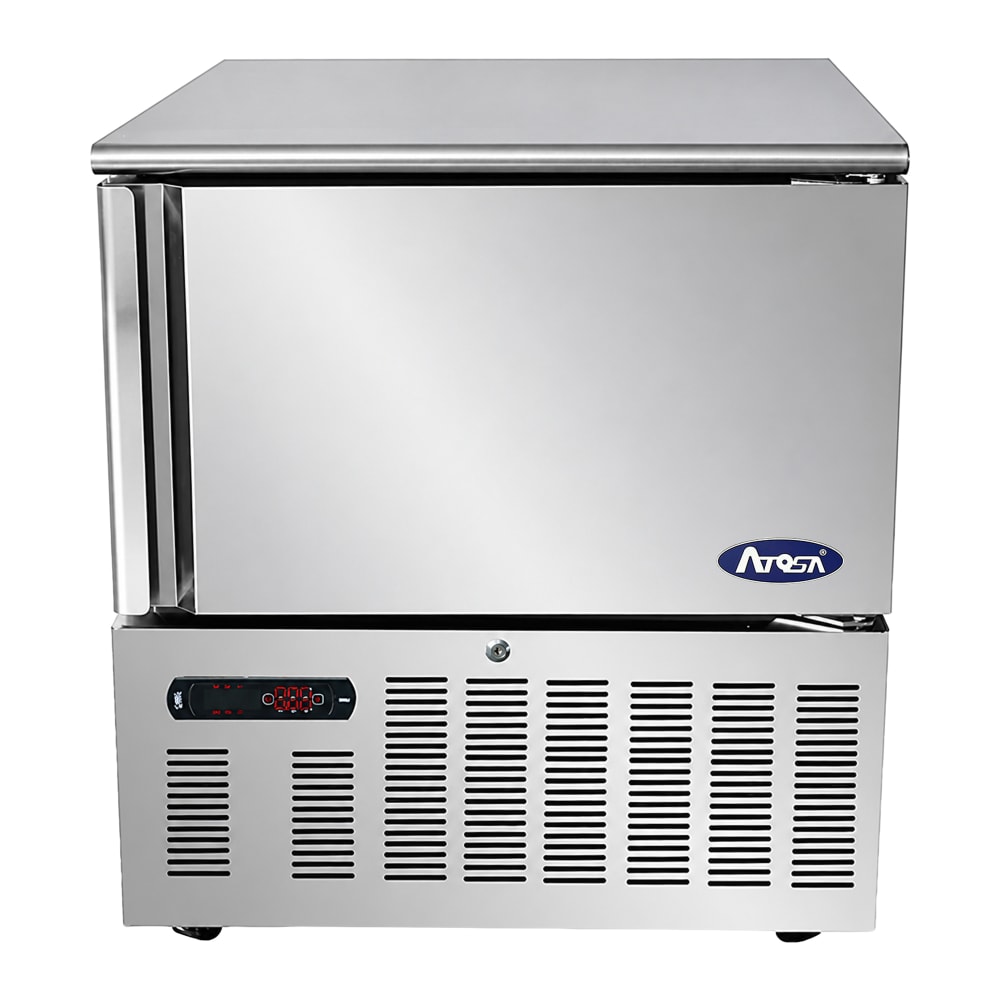
A blast chiller quickly cools prepared food. It fills a different role from a standard refrigerator, which stores food after cooling. Count the pans or pounds of food that must cool in each batch, then review the model's rated cycle, pan compatibility, and electrical requirements.
Atosa Beverage Service Equipment
Select beverage equipment based on the drinks being offered and how well the equipment suits the space.
Atosa Back Bar Coolers
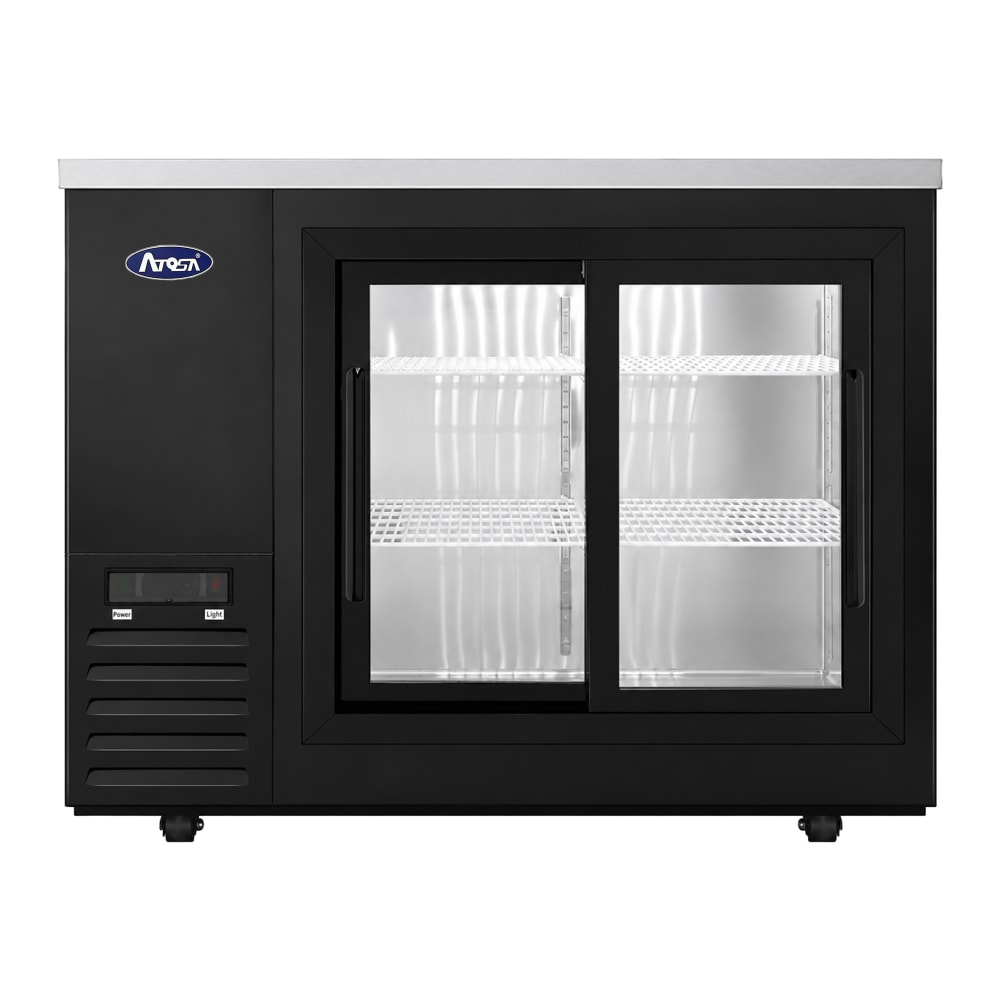
Back bar coolers provide a place for bottles and cans beneath or behind the service counter. Glass doors on select models help staff identify stock quickly. Compare standard and shallow depths, door clearance, and how many drinks staff need ready during a rush.
Atosa Bottle Coolers
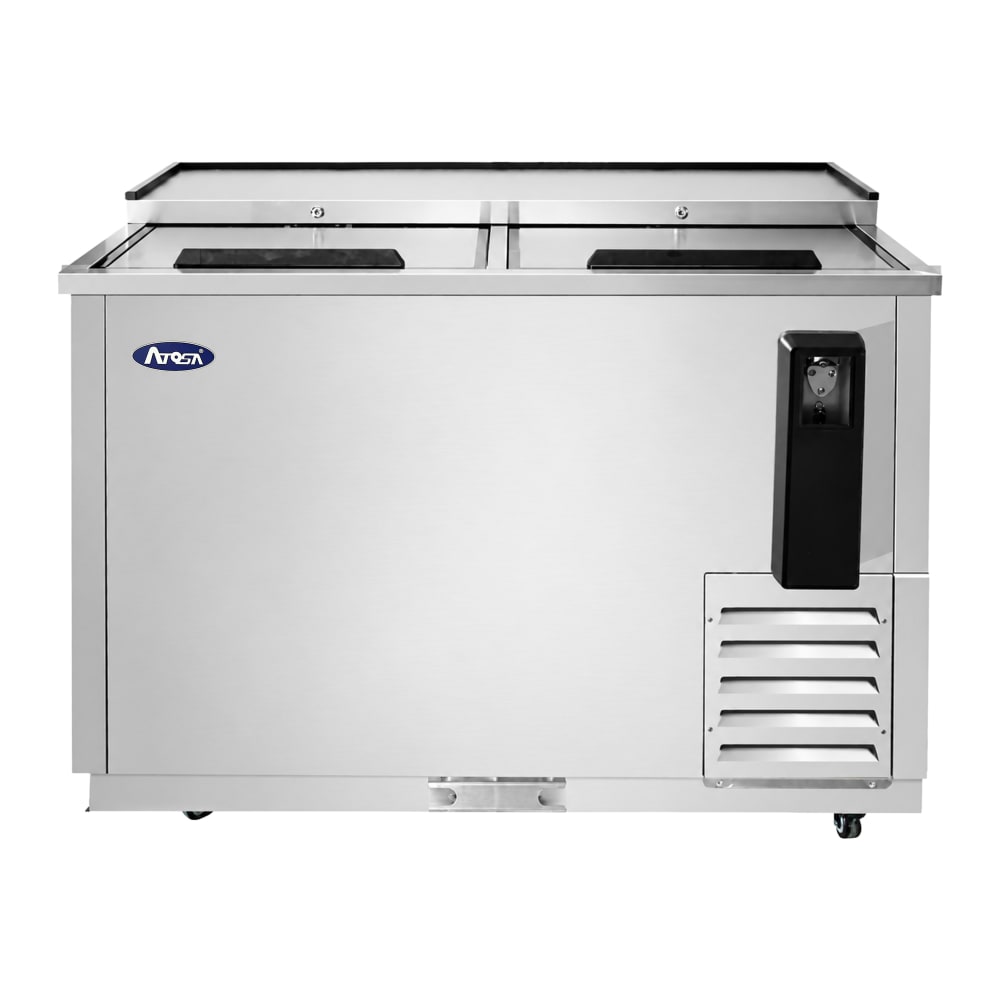
Bottle coolers provide a backup supply for bars, and Atosa bottle coolers feature bottle cap openers. Measure the space needed to open the lid and compare bottle capacity with peak demand.
Atosa Commercial Beer Dispensers
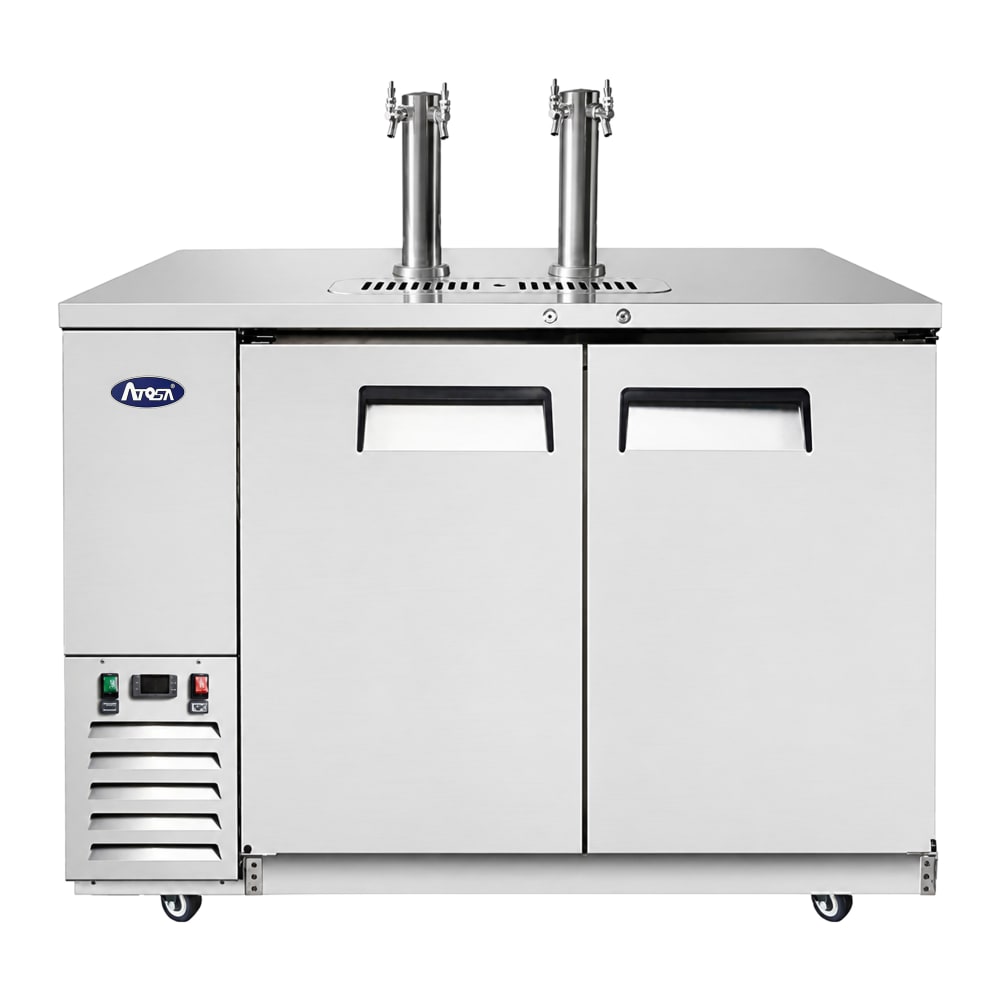
Kegerator beer dispensers keep kegs cold and dispense beer through faucet towers, some of which are equipped with multiple faucets to serve different beers. Atosa beer dispensers feature dual-faucet towers, stainless steel drip trays, and locking solid doors. Choose the cabinet and tap arrangement based on the number of beers on the menu, expected keg turnover, and available bar space.
Atosa Glass Chillers
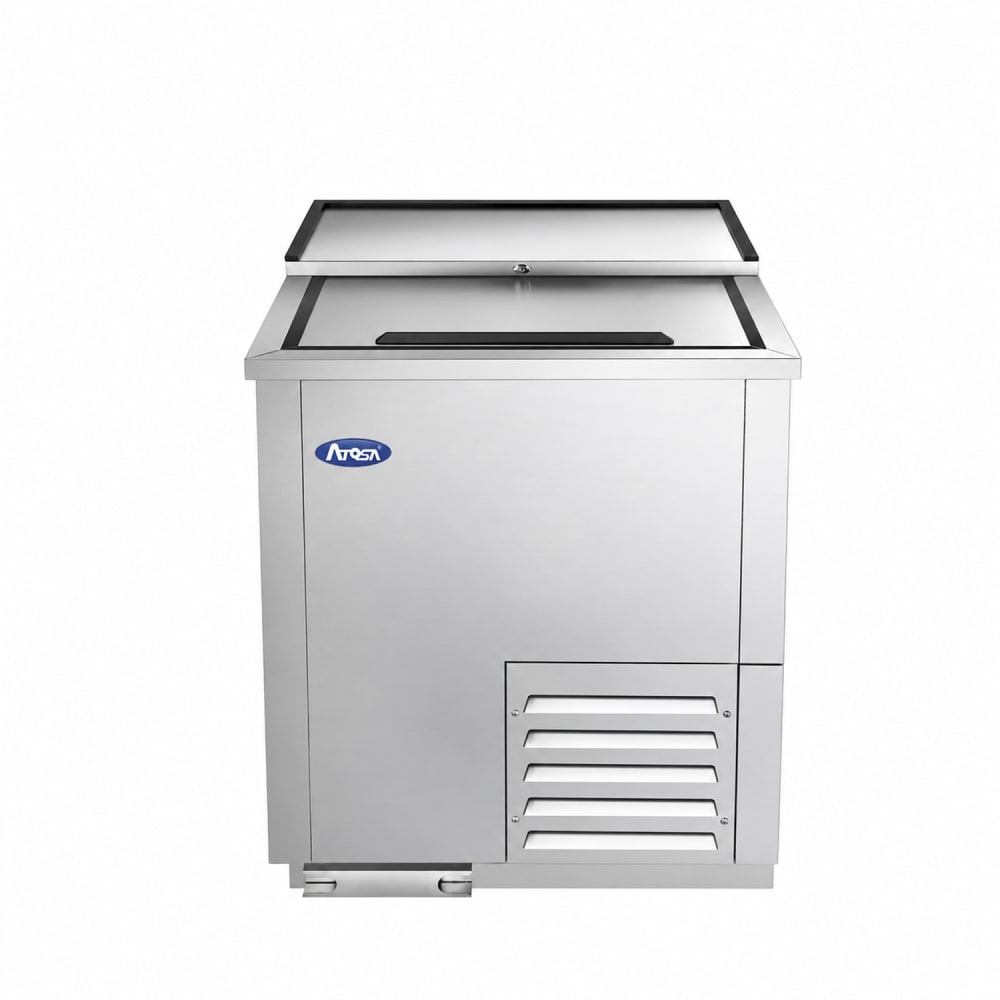
Glass chillers keep cold glassware close to the bartender. Atosa glass chillers maintain temperatures between -8 and 0 degrees Fahrenheit. Compare glass capacity with the number of drinks served during the busiest period, then confirm the unit fits where staff can load and retrieve glasses without blocking the service path.
Atosa Tea Dispensers
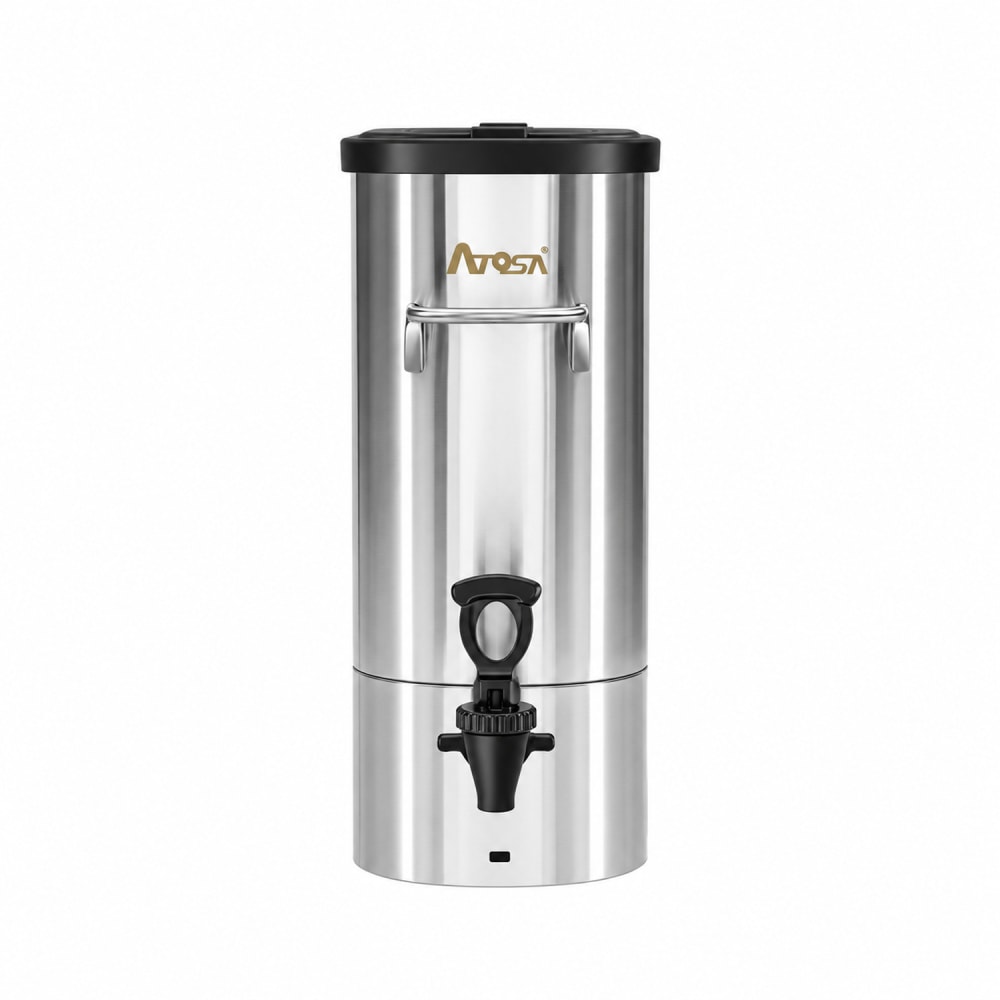
Tea dispensers hold prepared batches for staff or guests. Atosa offers multiple dispenser sizes for different beverage volumes, with no-drip spigots designed to reduce spills when dispensing. Choose capacity based on batch size and refill frequency, and consider whether guests need self-serve access from one side of the station.
Atosa Airpot Coffee Makers
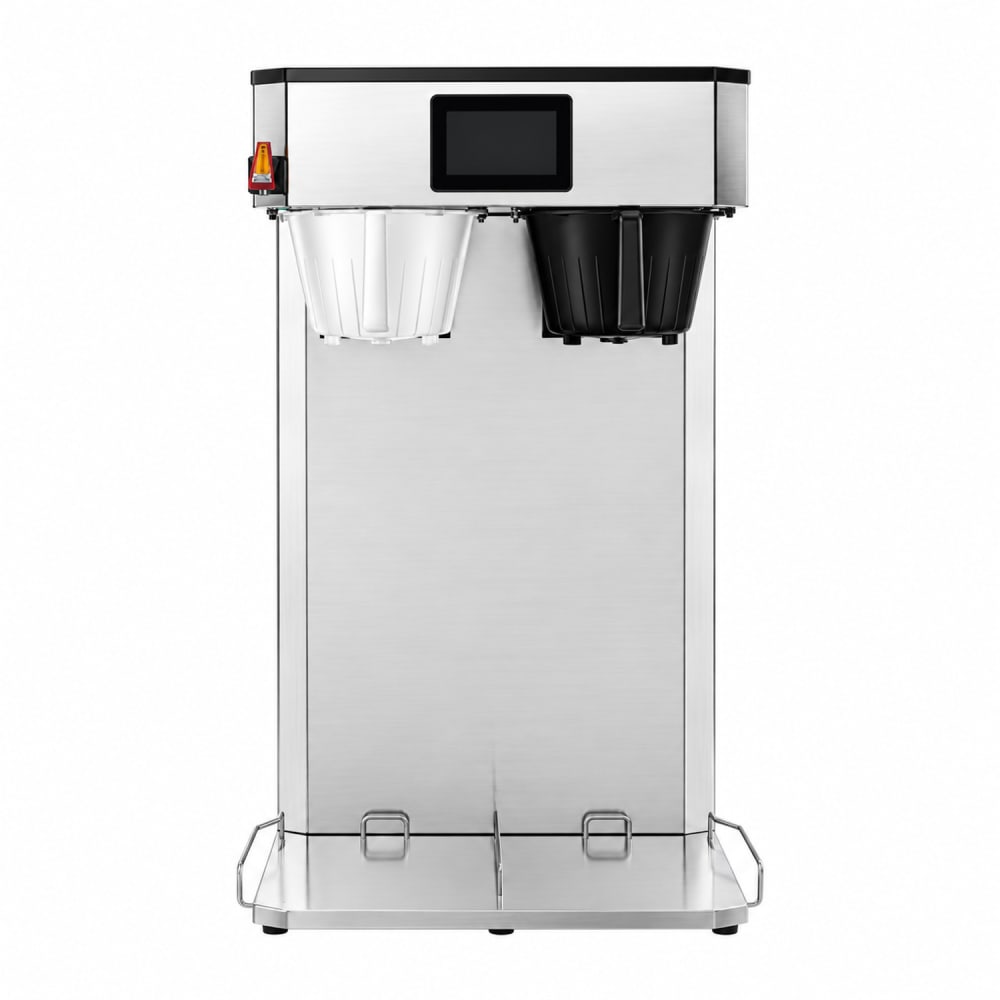
An airpot coffee brewer is a thermal brewing system that brews coffee directly into an insulated, vacuum-sealed container, enabling staff to prepare large batches of coffee in one location and serve it elsewhere. The container keeps coffee hot without the need for a warming plate. Compare single and twin brewer layouts, brew volume, counter space, water connection, and the size of the airpots the brewer accepts. Confirm whether the intended server comes with the brewer or requires a separate purchase.
Atosa Coffee Shuttles
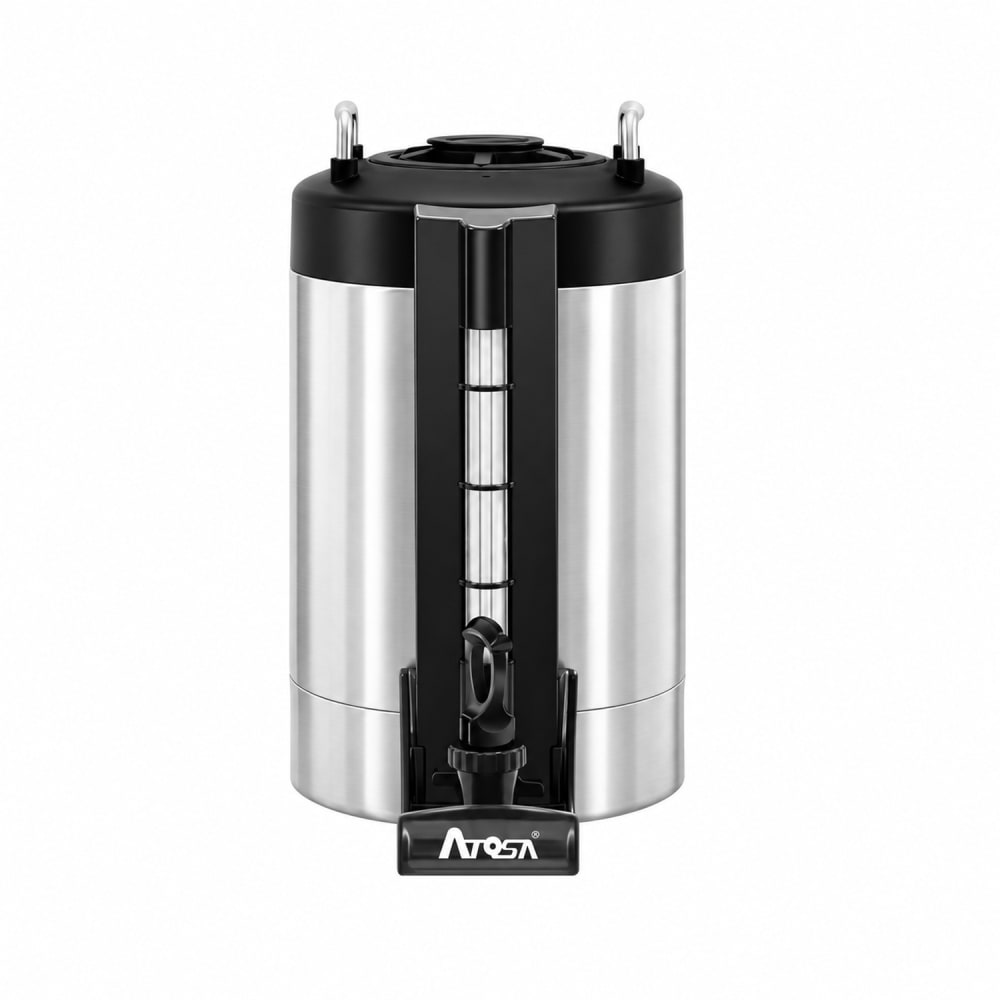
Coffee shuttles are insulated dispensers designed to transport freshly brewed coffee from a brewing station to serving areas while maintaining temperature. This is an important distinction from airpot coffee makers, as coffee shuttles do not brew coffee. Compare serving capacity and portability needs to determine the right shuttle.
Atosa Food Warming & Holding Equipment
Holding equipment keeps cooked food warm until it's served. Match the format to the way food is served to guests.
Atosa Heated Cabinets
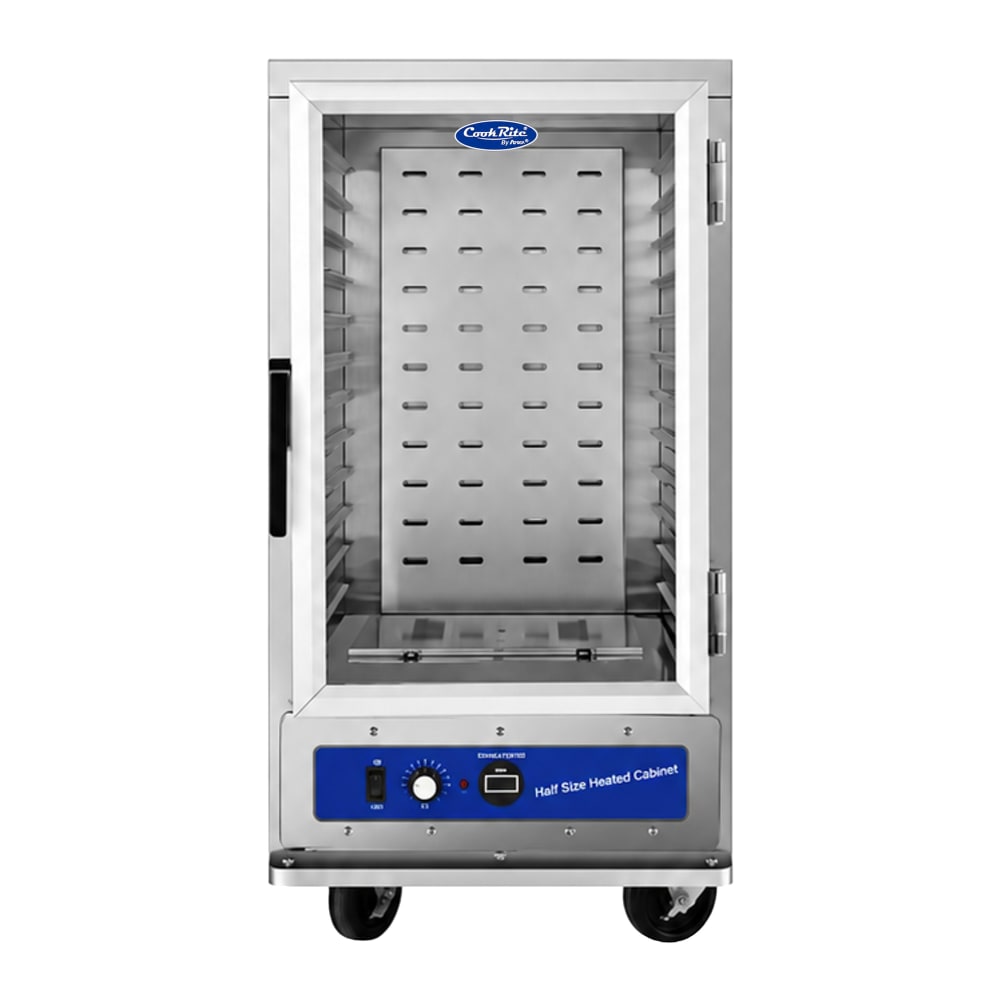
Heated cabinets hold and transport prepared food. Atosa offers half-height and full-height insulated mobile heated cabinets, with stainless steel interiors and exteriors that resist corrosion and can easily be wiped clean after use. Compare pan or shelf capacity with the number of batches the kitchen needs to hold or move at once. Check door access and the space needed to move carts or staff around the cabinet.
Atosa Hot Food Displays
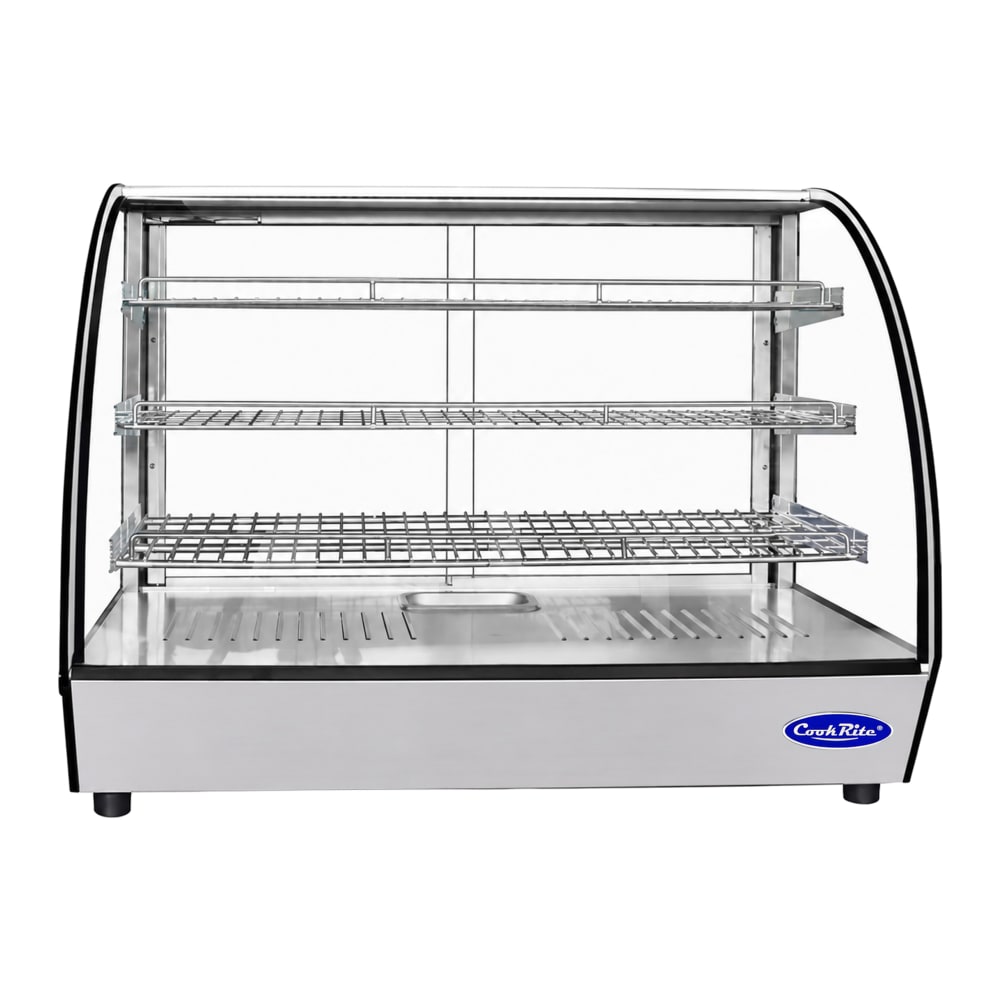
Hot food displays keep prepared foods warm while displaying them behind glass. This enables hot food to be merchandised without losing its temperature. Atosa countertop models feature LED interior lighting and rear staff access for restocking. Compare display width and models with curved or straight glass fronts to determine the best fit.
Atosa Countertop Food Warmers
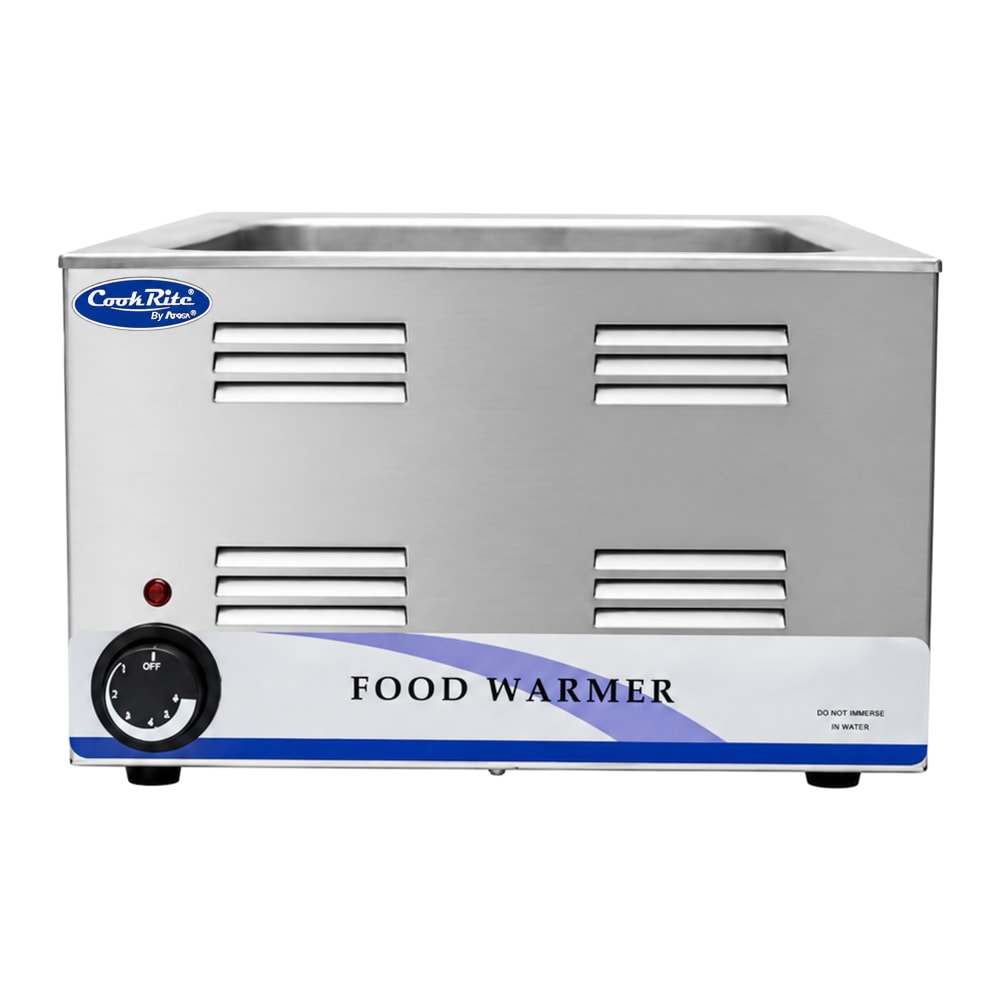
Countertop warmers hold food near the point of service. They are often used in buffets and concession stands, where staff or guests need access to warm food. Restaurant kitchens also commonly use them to hold soups, sauces, gravies, rice, and beans. Atosa offers wet well food warmers, which use heated water baths to produce a gentle heat around the pan.
Atosa Commercial Steam Tables
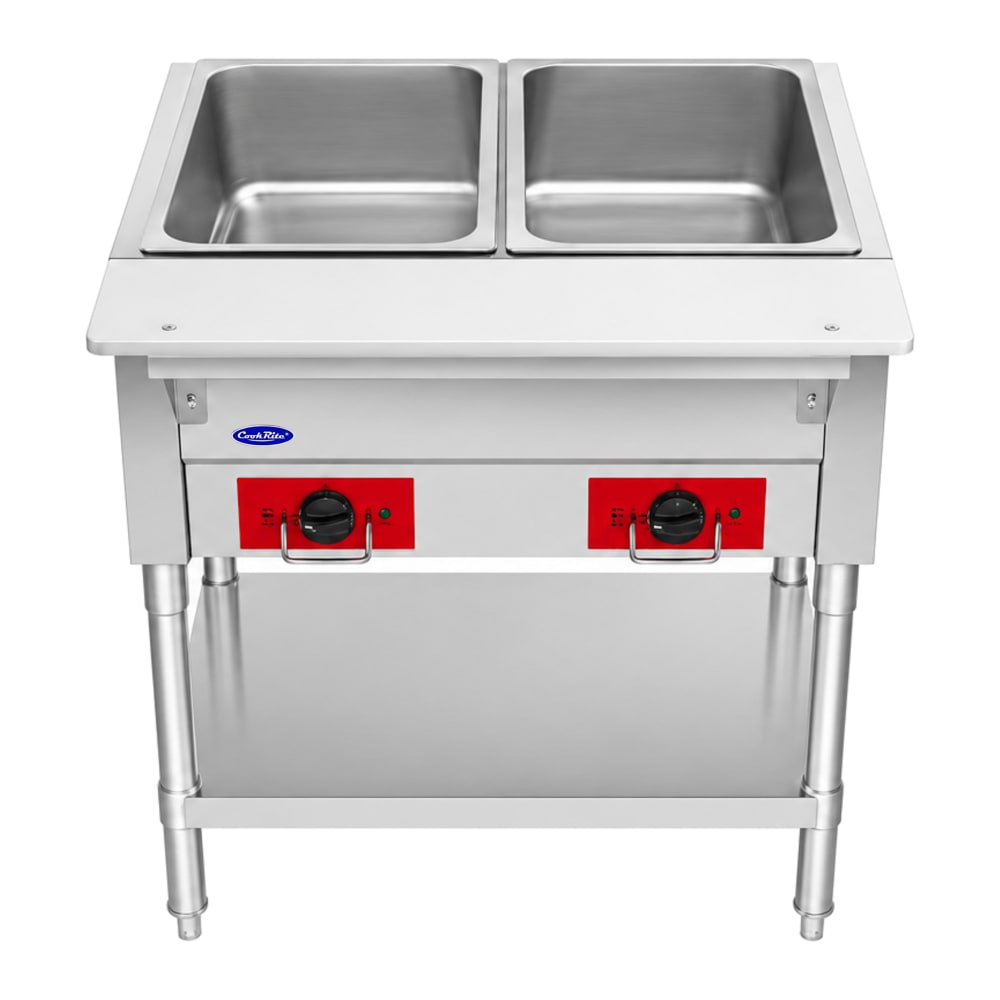
Steam tables hold food in pans along a serving line, making them a common choice for buffets. Select the number of wells based on the menu items served simultaneously, then measure the line for the table, staff access, and guest flow. Atosa models feature independently controlled wells, an open base, and a cutting board along the front of the serving pans.
Atosa Parts & Accessories
Atosa parts and accessories support specific equipment models. Confirm the exact model and accessory specifications before ordering.
Shop Atosa Parts & Accessories
How to Choose the Right Atosa Equipment
Once you identify an equipment category, use the intended station and busiest service period to narrow down the exact model and configuration needed for your operation. Before choosing an Atosa unit, consider:
- Intended use: Match the equipment to your kitchen's storage, prep, display, or service needs.
- Available space: Confirm equipment dimensions, clearance, and installation requirements.
- Capacity: Compare storage volume, compartments, and configuration against your expected demand.
- Utilities: Review electrical, water, drainage, and ventilation requirements where applicable.
- Compatibility: Verify model numbers before ordering replacement parts or accessories.
Explore Atosa Equipment at KaTom
Atosa offers equipment to support a wide range of kitchen needs. Compare dimensions, capacities, configurations, and product specifications. The best choice gives staff the access they need at the point where they store, prepare, or serve each product.
Shop Atosa
