What Could Cause Corrosion of a Stainless Steel Ice Maker?
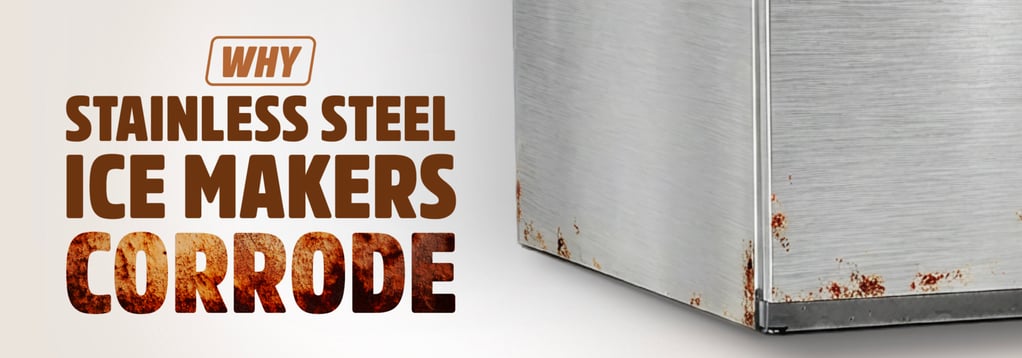
Stainless steel is rust resistant, but it can corrode if its protective chromium oxide layer is compromised. Poor water quality, mineral scale buildup, and exposure to harsh chemicals can break down this barrier over time. Scratches or lack of regular cleaning also expose the metal beneath the surface. Once the protective layer weakens, exposure to moisture and contaminants leads to corrosion.
Key Takeaways
- Stainless steel ice makers resist rust, but their protective chromium layer can become compromised
- Hard water, harsh chemicals, scratches, poor maintenance, and environmental factors can cause corrosion
- Preventing rust is simpler and cheaper than repairing damage; regular cleaning, drying, and proper care are essential
- Using non-chloride cleaners and water filtration helps protect your ice maker's surface
- Promptly cleaning surface rust prevents permanent pitting and maintains equipment longevity
5 Factors That Cause Stainless Steel to Rust
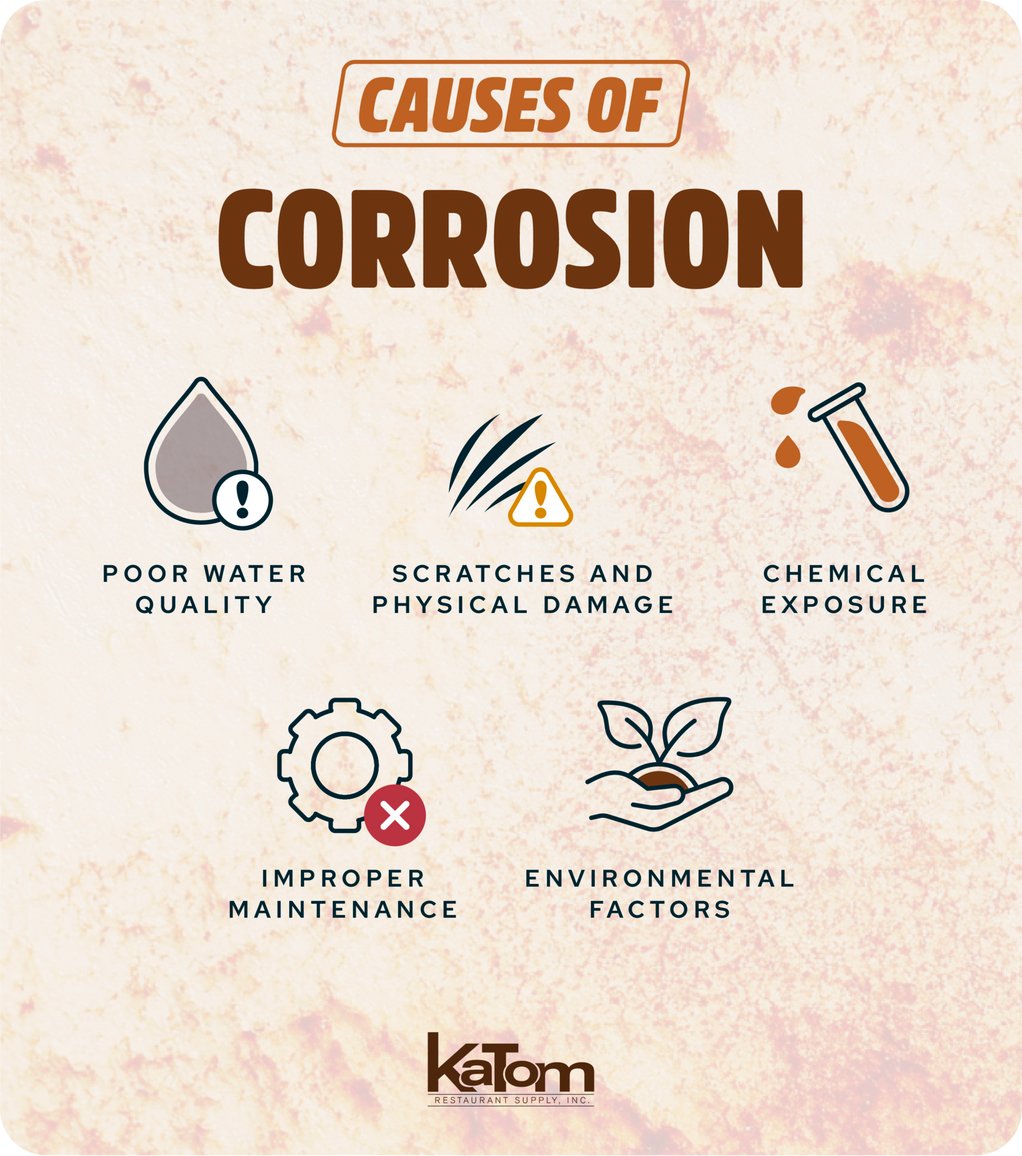
Stainless steel relies on a protective chromium oxide layer. When this barrier is compromised by environmental, mechanical, or chemical factors, it breaks down, leading iron in the alloy to oxidize.
-
Poor Water Quality
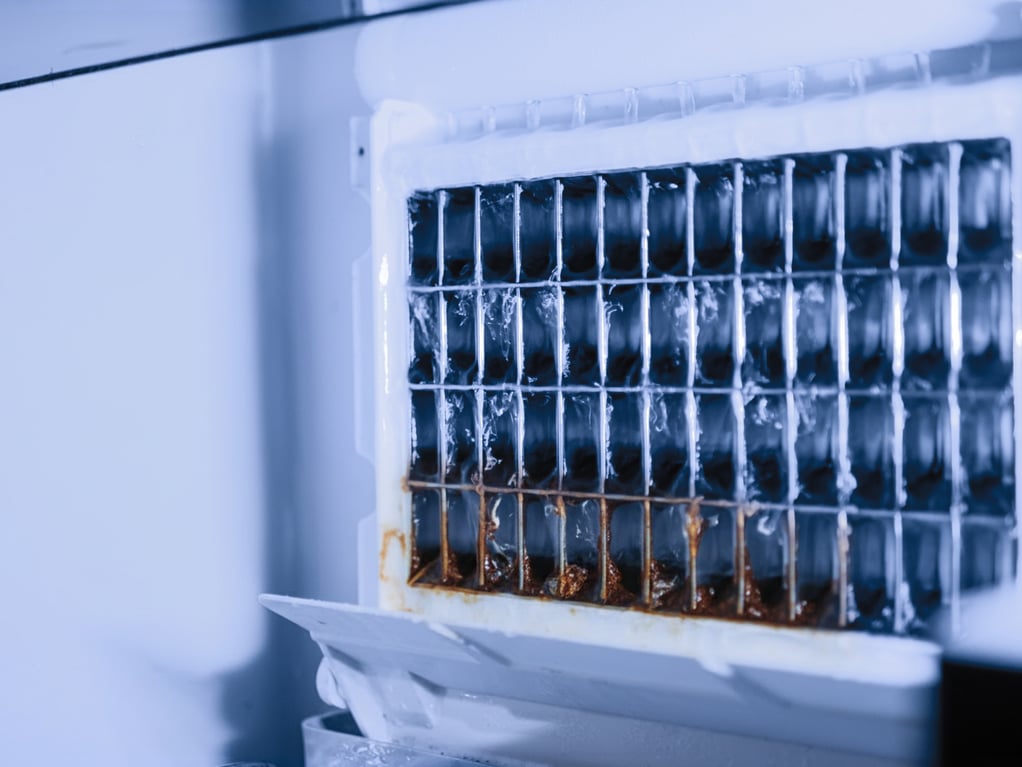
Hard water with high mineral content, chlorine, or salt levels accelerate corrosion over time. These deposits corrode evaporator plates and clog water lines, shortening the machine's lifespan.
-
Chemical Exposure
Harsh chemicals, especially those containing bleach or strong acids, can damage the protective chromium oxide layer on stainless steel. These substances degrade components, resulting in metallic tastes, poor sanitation, and potential early machine failure.
-
Scratches and Physical Damage
Scratches and physical damage compromise the protective layer, leading to corrosion. While these may seem cosmetic, damaged surfaces trap dirt and moisture, impeding cleaning and maintenance and increasing the risk of rust.
-
Improper Maintenance
Failing to regularly clean and dry the ice maker or allowing ice and water to sit in the machine for long periods creates a corrosive environment. Improper maintenance can also lead to mineral deposits, mold growth, and contaminated ice.
-
Environmental Factors
High humidity, salty coastal air, poor ventilation, or extreme temperature fluctuations contribute to surface corrosion. These conditions make the compressor work harder, reducing ice production and encouraging mold growth.
"Maintaining those ice machines is the most critical part of ownership in terms of longevity." — Damon Holst, Scotsman Ice
How to Prevent Corrosion in Stainless Steel Ice Makers
Preventing rust on stainless steel requires protecting the chromium oxide layer. Routine maintenance costs less — and is more effective — than repairing deep structural pitting. Consistent cleaning and proper care preserve the surface and extend the equipment's lifespan.
Use the Correct Cleaning Solution
Using non-chloride, non-bleach cleaners on stainless steel ice makers prevent corrosion, pitting, and damage, which harsh chemicals can strip away. Mild soaps, a solution of 10 parts water to 1 part vinegar, or citric acid-based descalers help remove buildup without harming the protective layer.
Add a Water Filtration System
High-quality water filters prevent oxidation and corrosion by using a multi-stage process to remove or neutralize chlorine and minerals that can damage stainless steel. Filtration helps preserve the integrity of the chromium oxide layer and extends the life of the equipment.
Establish a Regular Clean and Dry Routine
Wiping down stainless steel surfaces with clean water after cleaning removes chemical residue, which makes ice taste bad and ensures safe consumption. Drying prevents watermarks and mineral deposits while protecting the surface from damage.
Use Non-Abrasive Tools for Maintenance
Abrasive tools such as steel wool or metal scrapers can cause permanent damage on stainless steel surfaces. Soft clothes, plastic scrapers, or soft-bristle brushes help maintain the protective.
"Neglecting the six-month cleaning cycle is like never changing the oil in your car. Eventually, the scale buildup creates enough friction that the motor simply burns out." — Dan Glimm, Follett
How to Clean Rust Off Stainless Steel Ice Makers & Other Appliances
Prompt cleaning helps prevent minor corrosion from progressing into permanent damage. Removing rust or discoloration early preserves both the appearance and performance of stainless steel surfaces.
- Identify the Rust Type: Distinguish between light surface staining and deep pitting that requires aggressive treatment
- Use Non-Abrasive Tools: Use plastic or soft-bristle brushes instead of steel wool to avoid creating new scratches
- Apply Mild Cleaners: Specialized stainless steel cleaners or mild solutions dissolve oxidation without damaging the metal
- Rinse and Neutralize: Thoroughly rinse with clean water to remove all chemical residue
- Dry Completely: Hand-dry immediately to prevent moisture from restarting the oxidation process
- Restore the Layer: Apply stainless steel polish to help rebuild the protective chromium oxide barrier
Shop KaTom for Rust-Resistant Stainless Steel Equipment
Whether you need skewers, frying pans, or work tables, KaTom has a wide range of stainless steel equipment to fit your needs. Shop with confidence to find durable equipment supported by expert service.
