A Guide to Restaurant Booth Dimensions & Materials
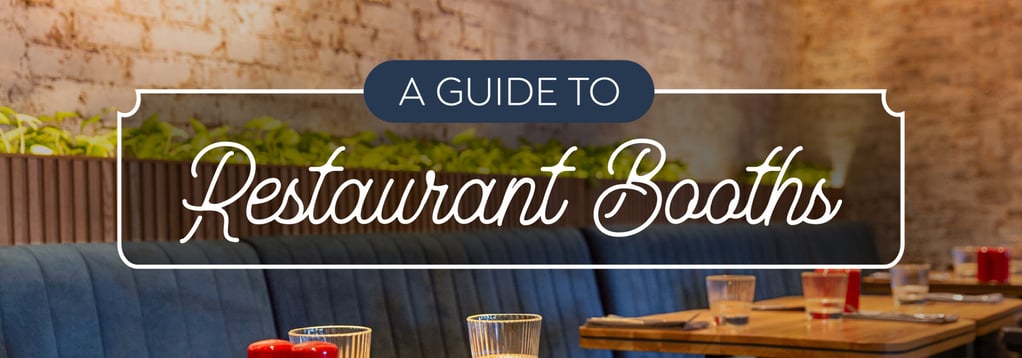
There are many reasons you might opt for booth seating in your restaurant. Customers will appreciate the privacy, comfort, and noise reduction booths serve, while the cozy atmosphere, safety and security, and aesthetic appeal are also advantages of booth seating.
Considerations for booth seating include booth dimensions, material, and style to suit your dining room. Follow this guide to learn more about how to choose the ideal booth seating options for your restaurant.
How do I Determine my Booth Seating Measurements?
The first step to determining your booth seating is to carefully measure your dining room’s available floor space to determine your restaurant booth dimensions. Make sure to plan your layout before purchasing booths, basing your layout and your purchase on your total seating area.
It’s a good idea to brainstorm a few seating arrangement ideas to determine how many customers you’ll be able to accommodate in your dining area without seating them right on top of each other. Most dining booth dimensions are between 46 and 72 inches wide, so you’ll want to make sure you have the available space to accommodate booths within that range.
Table width should also be factored into space considerations. Usually, tables measuring 24 to 30 inches wide are ideal for two people, while tables 42 to 48 inches wide are suitable for four people. You should also ensure you have enough aisle space between booths and other seating for both accessibility and just general comfort—a good rule of thumb is at least 24 to 30 inches of spacing.
What are Booth Seats Made of?
There are several materials used in booth seating. Some of the most common options are vinyl, fabric, leather, and wood, with each material serving a different function.
- Vinyl is one of the most popular booth material options because it’s durable, easy to clean, and comes at an economical price point. It’s ideal for high-traffic dining room areas and family-friendly establishments.
- Fabric booths provide a more upscale feeling than vinyl but are harder to clean. Because of this, stain-resistant fabric booths are an excellent option to consider.
- Leather is the most luxurious booth material on this list and is an ideal option for fine-dining restaurants. However, it’s also the most expensive booth material option.
- Wood adds a classic or rustic feel in both traditional and upscale dining environments.
Which Booth Style is Right for me?
Another booth consideration is whether you’d like single or double booths. Single booths offer seating in one direction and are ideal for placement against walls, in corners, and near major walkways. Double booths provide back-to-back seating on the same unit and are used to maximize space by combining two separate booths into one.
Corner booths are a great option to utilize awkward spaces in addition to just corners, as they efficiently fill space and provide additional seating where single and double booths can’t. Wall bench booths are another option in foodservice establishments with long, narrow spaces.
You’ll also want to determine the backrest height of your booths, which typically measure 36-42 inches tall. If your restaurant concept is more of an open, communal feeling, you might opt for a 36-inch-tall booth, while a concept with a private, cozy setting might be better suited for a 42-inch-tall booth.
Be sure to choose booths to complement your restaurant’s theme and decor. KaTom offers booths in a variety of colors to ensure you’ll find the ideal booths to suit your restaurant’s style, interior design, and brand colors. If you don’t see the style, material, or booth dimensions you’re looking for, contact KaTom to learn about customization options to suit your specific needs.
