7 Common Commercial Ice Machine Problems
Commercial ice machines commonly develop issues such as not making ice, leaking water, producing cloudy or dirty ice, freezing up, or making unusual noises. Explore why your ice maker isn't working and other common commercial ice machine problems.
Key Takeaways
- Commercial ice machines commonly experience problems such as reduced production, leaking water, cloudy ice, freezing issues, and unusual noises
- Poor water quality, scale buildup, dirty condenser coils, restricted airflow, or overdue maintenance cause many commercial ice machine issues
- Small or thin ice cubes, slow production cycles, and water leaks are often early warning signs of airflow, filtration, or drainage problems
- Routine cleaning, water filtration, and preventative maintenance may help improve ice quality, reduce downtime, and extend equipment life
- Recurring performance problems or refrigeration-related issues may require a professional technician
My Ice Machine:
- Isn't Making Ice
- Isn't Producing Enough Ice
- Makes Small or Thin Cubes
- Leaks Water
- Is Making Dirty or Cloudy Ice
- Is Making Unusual Noise
- Is Freezing Up
Ice Machine Isn't Making Ice
Ice machines may stop making ice because of restricted water flow, dirty components, scale buildup, or refrigeration issues.
- Restricted water flow: Low water pressure or clogged filters may reduce water flow to the machine
- Dirty condenser coils: Dust and grease buildup can restrict airflow and reduce cooling performance
- Scale buildup: Mineral deposits may block internal water pathways and interfere with freezing
- Refrigeration problems: Compressor or refrigerant issues may prevent proper ice formation
Ice Machine Isn't Making Enough Ice
Poor airflow, dirty components, or environmental conditions may reduce ice production.
- Restricted airflow: Blocked vents or dirty condenser coils can reduce cooling efficiency
- High ambient temperature: Hot environments may slow ice production
- Dirty internal components: Scale or debris buildup can reduce freezing performance
- Water supply issues: Low water pressure may limit the amount of ice produced
- Overloaded demand: High demand may exceed the machine's production capacity
Making Small or Thin Cubes
Small, thin, or hollow cubes are often caused by restricted water flow or freezing issues.
- Clogged water filters: Dirty filters may reduce water flow into the machine
- Low water pressure: Insufficient water pressure can affect cube size and consistency
- Scale buildup: Mineral deposits may interfere with proper freezing
- High ambient temperature: Excess heat can impact ice formation cycles
- Dirty condenser coils: Restricted airflow may reduce cooling efficiency
- Water inlet problems: Damaged or partially blocked inlet valves may limit water flow
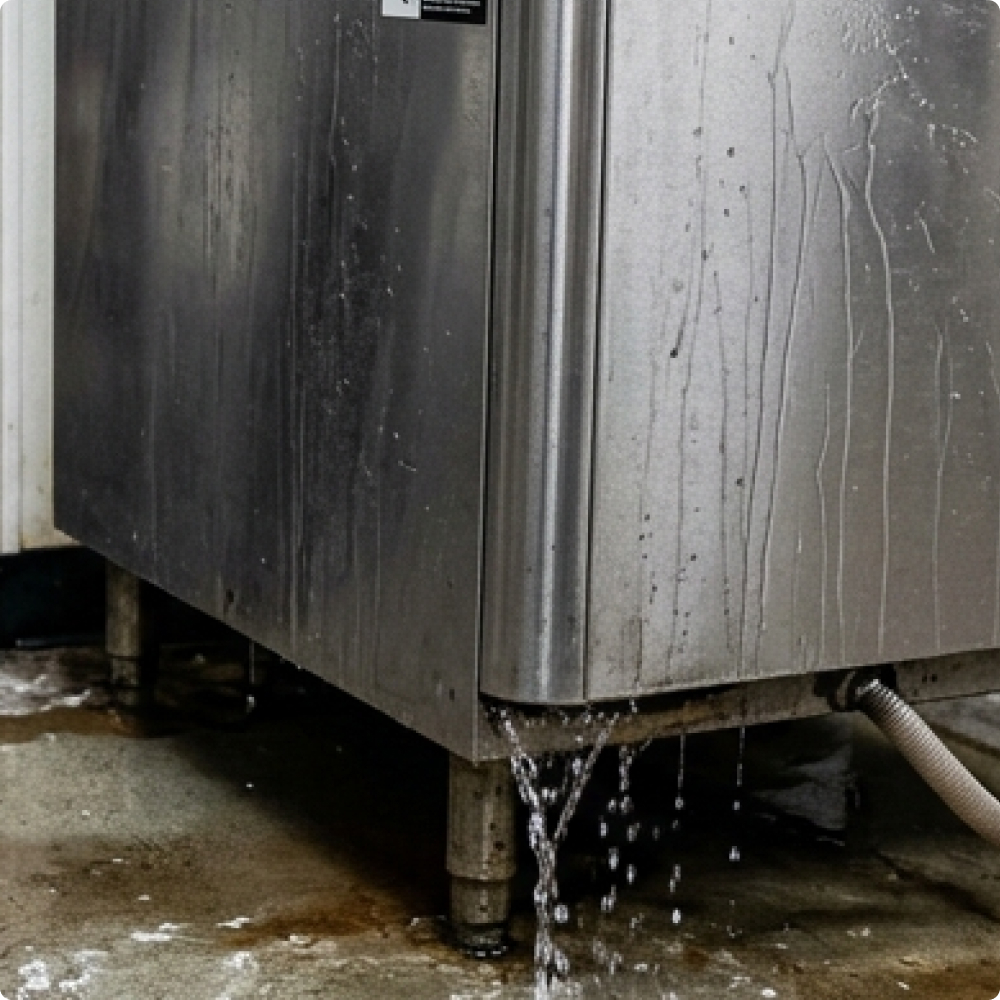
Ice Machine Leaking Water
Leaks may result from clogged drains, damaged lines, or installation problems.
- Clogged drain lines: Debris or scale buildup may block drainage and cause overflow
- Damaged water lines: Cracked or loose connections can enable water to leak from the machine
- Improper leveling: Uneven installation may prevent water from draining correctly
- Overflowing bins: Ice buildup or blocked drains may force excess water out of the unit
- Condensation problems: Warm environments may create excess moisture around the machine
- Drain pump issues: Failed or blocked drain pumps may prevent proper water removal
Ice Machine Is Making Dirty or Cloudy Ice
Dirty ice may result from poor filtration, hard water minerals, or dirty internal components.
- Dirty water filters: Old filters may fail to remove sediment or impurities
- Hard water minerals: Scale buildup can affect ice clarity and appearance
- Contaminated water supply: Poor water quality may impact taste, clarity, and odor
- Dirty machine components: Bacteria or debris buildup can contaminate ice
- Infrequent cleaning: Lack of routine maintenance may allow buildup inside the machine
- Airborne contaminants: Dust or grease may affect ice quality
Ice Machine Is Making Unusual Noise
Unusual noises may indicate airflow restrictions, loose components, or failing mechanical parts.
- Dirty condenser fans: Dust buildup may strain fan motors and increase operating noise
- Loose panels or components: Vibrations may cause rattling or knocking sounds
- Refrigeration problems: Compressor issues may create buzzing or clicking sounds
- Ice obstructions: Ice buildup may interfere with moving components
- Improper installation: Uneven placement can increase vibration and noise
- Auger issues: Damaged augers may create grinding noises
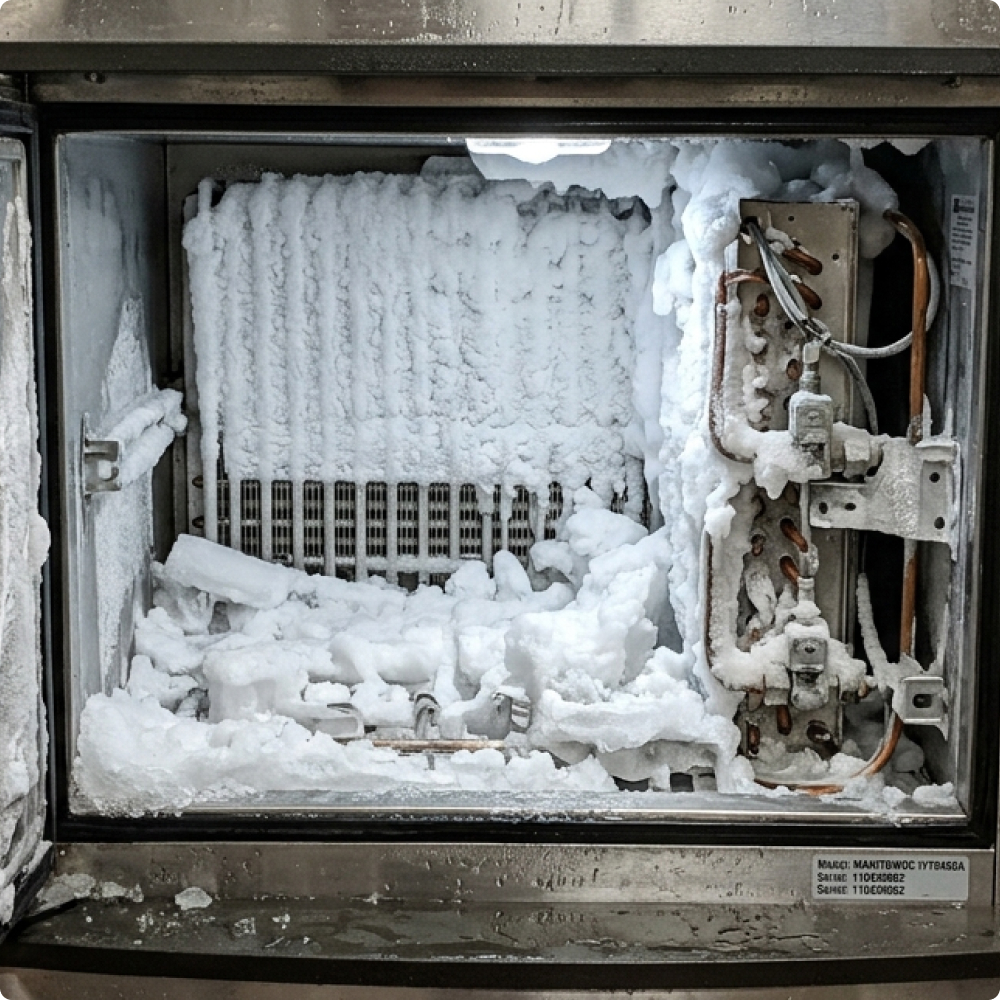
Ice Machine Is Freezing Up
Excessive internal freezing can interrupt ice production and reduce machine performance.
- Restricted airflow: Dirty condenser coils or blocked vents may disrupt temperature regulation
- Scale buildup: Mineral deposits can interfere with freeze cycles and water flow
- Dirty evaporator components: Debris buildup may reduce normal heat transfer
- Water flow problems: Inconsistent water movement may contribute to internal freezing
- Poor ventilation: Restricted airflow may create uneven freezing conditions
What Causes Commercial Ice Machine Problems?
Poor Water Quality
Poor water quality can affect both machine performance and ice quality. Minerals and contaminants may contribute to scale buildup, cloudy ice, unpleasant taste, and reduced production efficiency.
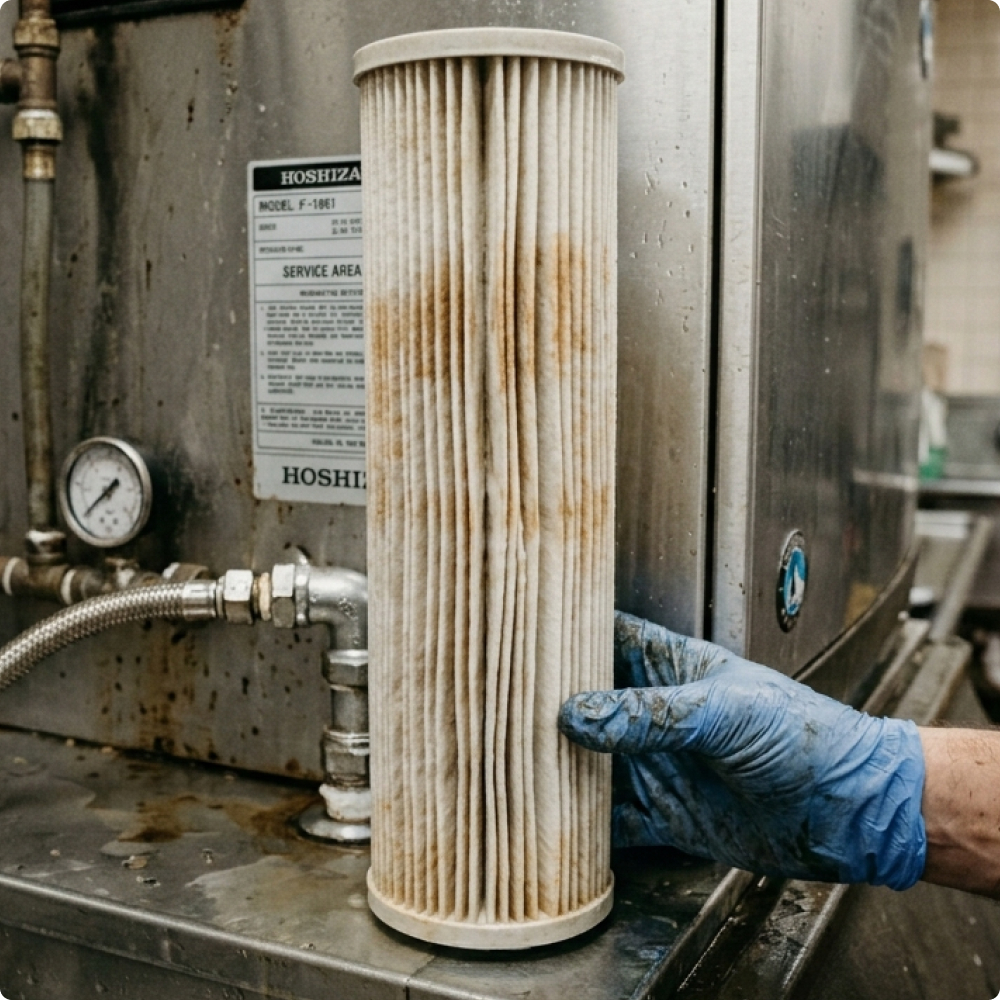
Worn or Expired Water Filters
Clogged or expired water filters may restrict water flow and allow minerals or contaminants into the machine. Over time, this may contribute to scale buildup, poor ice quality, reduced production, and additional wear on internal components.
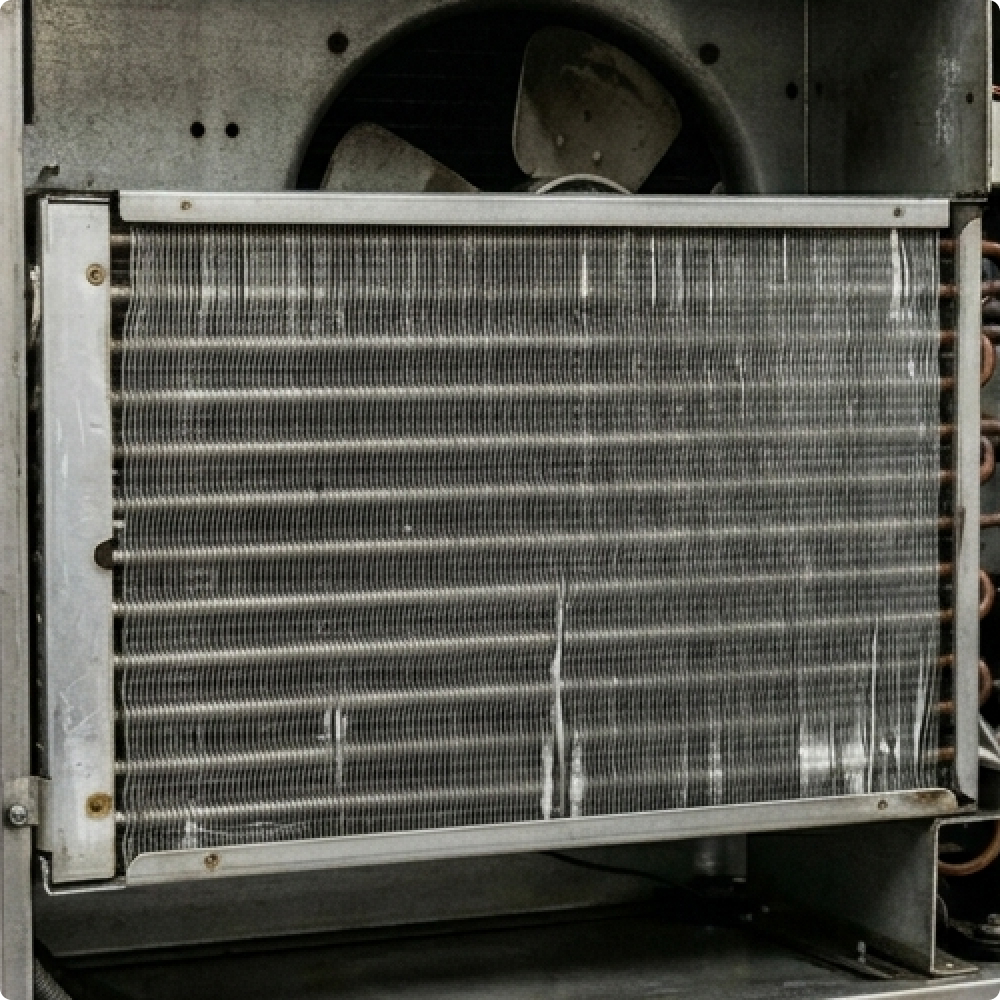
Dirty Condenser Coils
Dust, grease, and debris on condenser coils can restrict airflow and reduce cooling efficiency inside a commercial ice machine. Restricted airflow may prevent the machine from maintaining proper temperatures, resulting in slower ice production or overheating.
Poor Airflow Around the Machine
Commercial ice machines require adequate airflow to operate efficiently. Blocked vents, compact installation spaces, or dirty surrounding environments may reduce cooling performance, increase operating strain, and slow overall ice production.
Drainage Problems
Clogged or restricted drain lines can prevent water from properly exiting the machine, leading to leaks, standing water, or overflow issues. Drainage problems may also contribute to sanitation concerns, unpleasant odors, and reduced machine performance over time.
When to Schedule Commercial Ice Machine Repair
You should schedule professional repair when there are recurring performance issues, refrigeration failures, electrical problems, leaks, freezing, or persistent ice production issues after basic cleaning and maintenance.
Shop KaTom for Commercial Ice Makers & Maintenance Supplies
KaTom offers commercial ice machines, accessories, and maintenance supplies for a variety of foodservice operations.


