
R134a vs. R290 Refrigerant: What's the Difference?
The core differences between R134a and R290 refrigerant come down to consumption, environmental impact, and flammability. R134a is a synthetic hydrofluorocarbon (HFC) with a high global warming potential (GWP) and is non-flammable; R290 is a natural propane-based refrigerant with an ultra-low GWP and is flammable. For buyers of commercial refrigeration equipment, this means choosing between an older, phased-down refrigerant with stable handling characteristics and a newer, environmentally friendly, more-efficient option that carries additional safety considerations.
Key Takeaways
- R134a is a non-flammable HFC refrigerant widely used in legacy commercial equipment
- R290 is a propane-based refrigerant with ultra-low GWP
- R290 is not a direct drop-in replacement for R134a
- Operating pressures and system design differ between the two
- Many manufacturers are transitioning to R290 to fulfill evolving environmental regulations
What Is R134a Refrigerant?
R134a is a synthetic hydrofluorocarbon refrigerant that replaced older, ozone-depleting refrigerants and became standard in reach-in refrigerators, prep tables, beverage coolers, vending machines, and undercounter units. R134a is non-flammable and chemically stable, but it has a high GWP, and many manufacturers are phasing it out in favor of lower-GWP alternatives.
Pros:
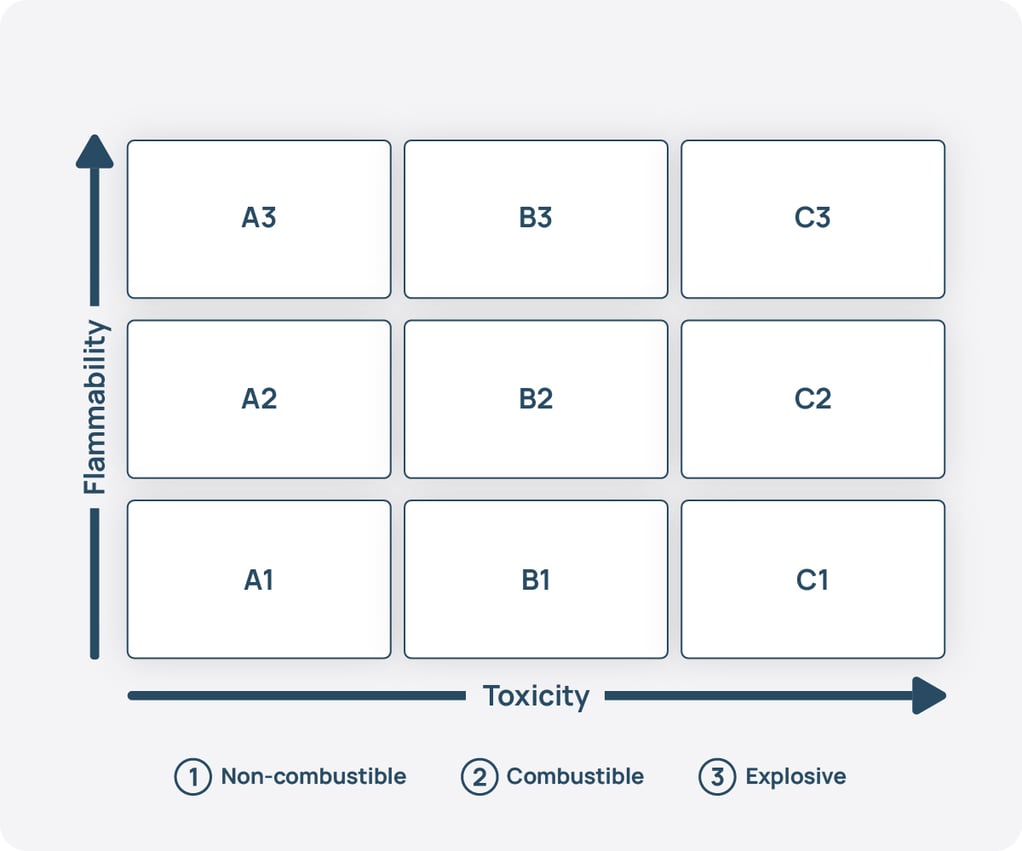
- Non-flammable (A1 classification), simplifying handling and service
- Widely used in older commercial refrigeration systems
- Compatible with many legacy compressors and components
- Familiar to technicians and service providers
Cons:
- High GWP
- Subject to ongoing HFC phase-down regulations
- Typically less energy efficient than modern hydrocarbon refrigerants
- Not aligned with long-term environmental compliance goals
What Is R290 Refrigerant?
R290 is a natural hydrocarbon refrigerant made of propane and is increasingly used in modern commercial refrigeration equipment, such as reach-in refrigerators, prep tables, undercounter units, and merchandisers. It has an ultra-low GWP, making it a popular alternative to high-GWP HFC refrigerants. R290 is classified as A3, meaning it's highly flammable, so equipment must be specifically engineered with limited charge sizes and safety-certified components.
Pros:
- Very low GWP
- Zero ozone-depletion potential
- Often improves energy efficiency in modern systems
- Becoming standard in new commercial refrigeration equipment
- Uses smaller refrigerant charge sizes
Cons:
- A3 flammability classification (requires safety-compliant system design)
- Not suitable as a direct retrofit for most legacy systems
- Charge size limits regulated by safety standards
R134a vs. R290 Features
| Feature | R134a | R290 |
|---|---|---|
| Refrigerant Type | Synthetic HFC (hydrofluorocarbon) | Natural hydrocarbon (propane) |
| Global Warming Potential (GWP) | High | Very low |
| Ozone Depletion Potential (ODP) | 0 | 0 |
| Flammability Classification | A1 (non-flammable) | A3 (flammable) |
| Environmental Trend | Being phased down under HFC regulations | Increasing adoption in new equipment |
| Typical System Compatibility | Older, legacy commercial systems | Newer, purpose-built hydrocarbon systems |
| Typical Refrigerant Charge | Larger charge size | Smaller charge size (subject to regulated limits) |
| Retrofit Capability | Not compatible with hydrocarbon systems | Not a drop-in replacement for R134a systems |
| Regulatory Outlook | Subject to HFC phasedown | Favored for low-GWP compliance |
R134a vs. R290 Energy Efficiency
R290 refrigerant offers strong heat transfer properties and lower compression ratios, which can translate into improved system efficiency when equipment is specifically engineered for hydrocarbon refrigerants. While R134a has provided stable, predictable performance in commercial refrigeration for decades, newer R290 systems often operate with lower energy consumption due to optimized compressor design, smaller refrigerant charges, and improved heat exchange. As Hoshizaki experts Jake Kimmel and Steve Wright explain, "Energy efficiency is a top priority in our designs. New refrigerants like R290 not only meet environmental standards but also enhance the machine's performance and reduce operating costs."
R134a vs. R290 Operating Pressures
R134a and R290 operate under different pressure conditions, which is why refrigeration systems must be specifically designed for each refrigerant. Although both can achieve similar cooling performance, their suction and discharge pressures vary slightly, and components such as compressors, expansion devices, capillary tubes, and safety controls are calibrated accordingly. R290 systems are also required to use smaller refrigerant charges and sealed electrical components due to the refrigerant's flammability. Therefore, refrigerants should never be interchanged or retrofitted without explicit manufacturer approval.
| Condition | R134a | R290 |
|---|---|---|
| Typical Evaporating Temperature | Similar | Similar |
| Suction Pressure | Moderate | Slightly lower |
| Discharge Pressure | Moderate | Slightly higher |
| Charge Size | Large | Small |
| Efficiency | Standard | Often higher |
What Commercial Equipment Are R134a and R290 Used In?
R134a refrigerant is commonly used in medium-temperature commercial refrigeration equipment, particularly in older models and applications where flammability concerns limit hydrocarbon use, such as remote compressors or large units that require refrigerant charges exceeding the A3 hydrocarbon limits. Today, R134a is most often found in legacy systems still operating in foodservice kitchens and convenience stores.
R290 refrigerant is now widely used in new commercial refrigeration equipment, especially in self-contained systems designed with smaller, regulated refrigerant charges. Its very low GWP has made it a preferred option in modern foodservice equipment.
Common commercial applications include:
- Reach-in refrigerators
- Undercounter refrigerators
- Refrigerated prep tables
- Beverage coolers
- Merchandiser refrigerators
Can You Replace R134a with R290?
No, R290 is not a drop-in replacement for R134a. Although both refrigerants achieve similar cooling performance, they operate under different pressure characteristics and safety classifications, which require systems to be built specifically for each refrigerant. Converting an R134a system to R290 would require redesigning key components such as the compressor, expansion device, refrigerant charge size, and electrical safeguards.
Additionally, because R290 carries an A3 classification, equipment with R290 systems must comply with established safety standards, including UL and IEC guidelines that govern charge limits, ventilation requirements, and ignition protection.
Is R290 Refrigerant Better Than R134a?
R290 refrigerant isn't necessarily better in every situation, but it's replacing R134a in new commercial refrigeration equipment due to environmental and regulatory shifts. R134a refrigerant remains a stable, non-flammable refrigerant commonly used in existing systems, making it practical for maintaining older equipment. However, due to its high GWP, it's being phased out of new units under EPA HFC regulations. The shift toward R290 is driven less by direct performance shortcomings of R134a and more by environmental policy, efficiency goals, and future-focused equipment design.
Regulatory Trends Affecting R290 and R134a
The commercial refrigeration industry is undergoing a phased reduction of high GWP refrigerants such as R134a under EPA regulations. While R134a is still used to service existing equipment, it's being phased out of new refrigeration and ice machine production in favor of low-GWP alternatives. This change is driving manufacturers toward refrigerants like R290, which meet stricter environmental standards and support long-term compliance goals.
Manitowoc Product Manager Wil York notes, "The switch to refrigerants like R290, which meet global warming potential regulations, represents a major step forward for our industry. These refrigerants are efficient and environmentally friendly."
Choosing the Best Refrigerant for Your Operation
The right refrigerant choice depends on whether you’re maintaining existing equipment or investing in new refrigeration. R134a continues to serve legacy systems reliably, while R290 is now the standard in newly manufactured commercial units.
Choose R134a if:
- You're servicing existing R134a equipment
- You need non-flammable refrigerant systems
- You're sourcing components for legacy refrigeration units
Choose R290 if:
- You're purchasing new refrigeration equipment
- Energy efficiency is a priority
- You want to reduce environmental impact
- You're planning for long-term regulatory compliance
KaTom offers a wide selection of commercial restaurant equipment, including refrigeration systems designed around modern low-GWP refrigerants like R290 as well as parts and components for existing R134a units.
FAQs
Can propane be used as a refrigerant?
Yes. R290 is a high-purity propane refrigerant used in commercial refrigeration systems specifically built for hydrocarbon operation.
What is R290 refrigerant replacement?
R290 replacement typically refers to new equipment designed to use R290 instead of high-GWP refrigerants like R134a. It does not usually mean converting or retrofitting older R134a systems.
What are the disadvantages of R290 refrigerant?
R290 refrigerant carries an A3 (flammable) classification, so systems must be specifically engineered to meet safety standards and regulated charge-size limits. It's not a drop-in replacement for R134a, and retrofitting older equipment is generally not approved by manufacturers.


