Parts of an Oven: Understanding Oven Components
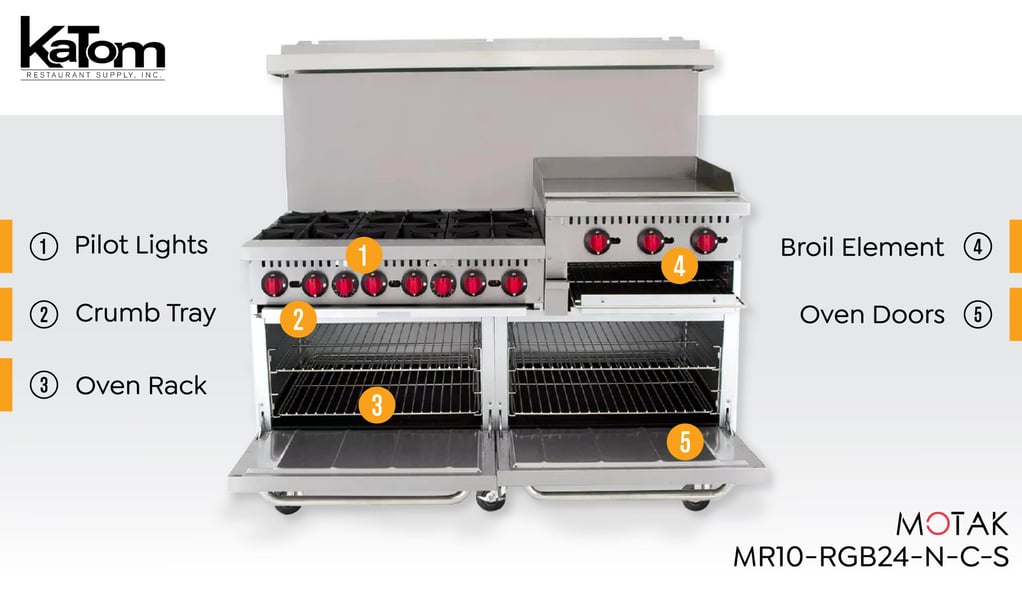
Understanding the different parts of an oven can help you make the most of this essential kitchen appliance. Each part, from the heating elements to the control knobs, plays a unique role in ensuring perfectly cooked meals. Regular maintenance and replacing worn parts, like the heating element or seals, can help maintain your oven's performance. Take a closer look at the essential components below to understand oven part names and uses.
Oven Part Names
Oven Door
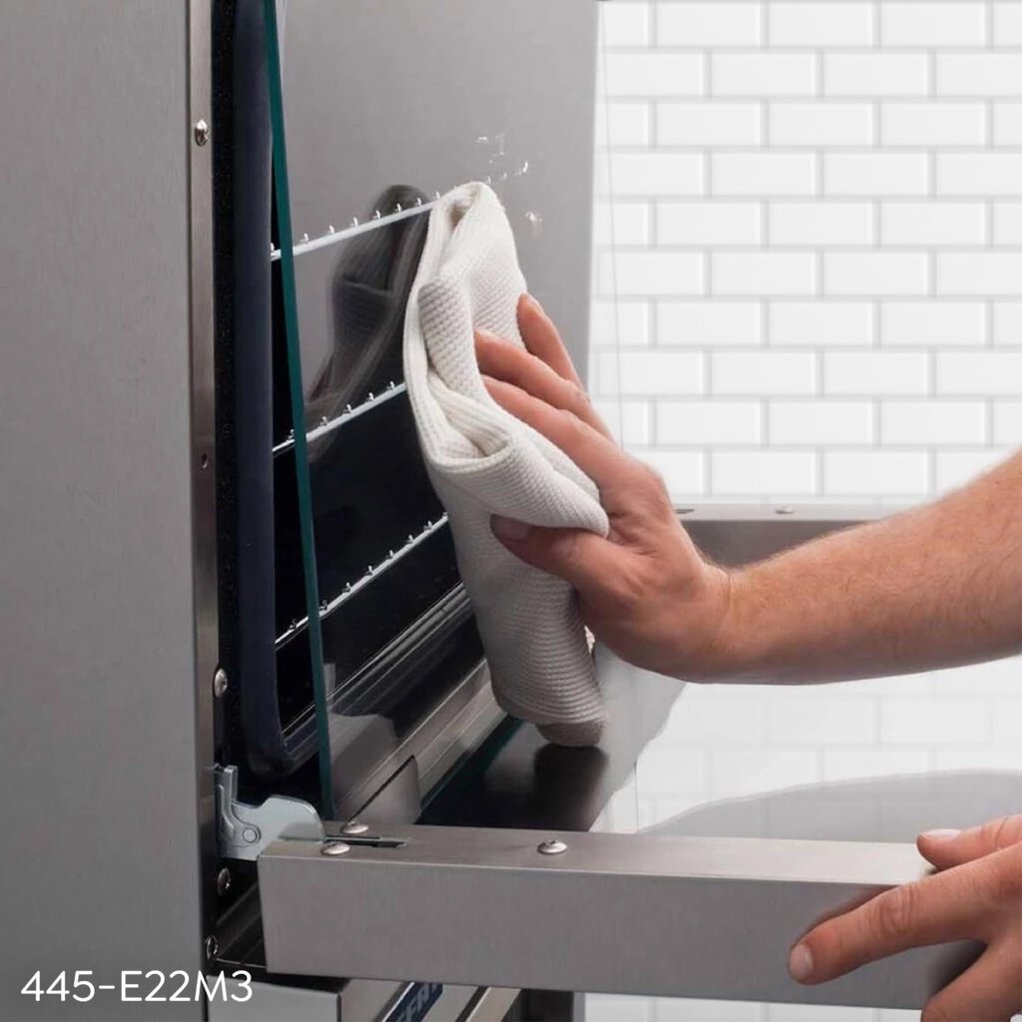
The oven door serves as the window into your cooking, letting you monitor your food without opening it and causing heat loss. Its durable glass design helps maintain consistent temperatures while baking, roasting, or broiling. Keeping the glass window clean ensures a clear view, making it easier to track the cooking progress without disrupting it.
Explore the difference between dependent and independent commercial oven doors.
Oven Rack
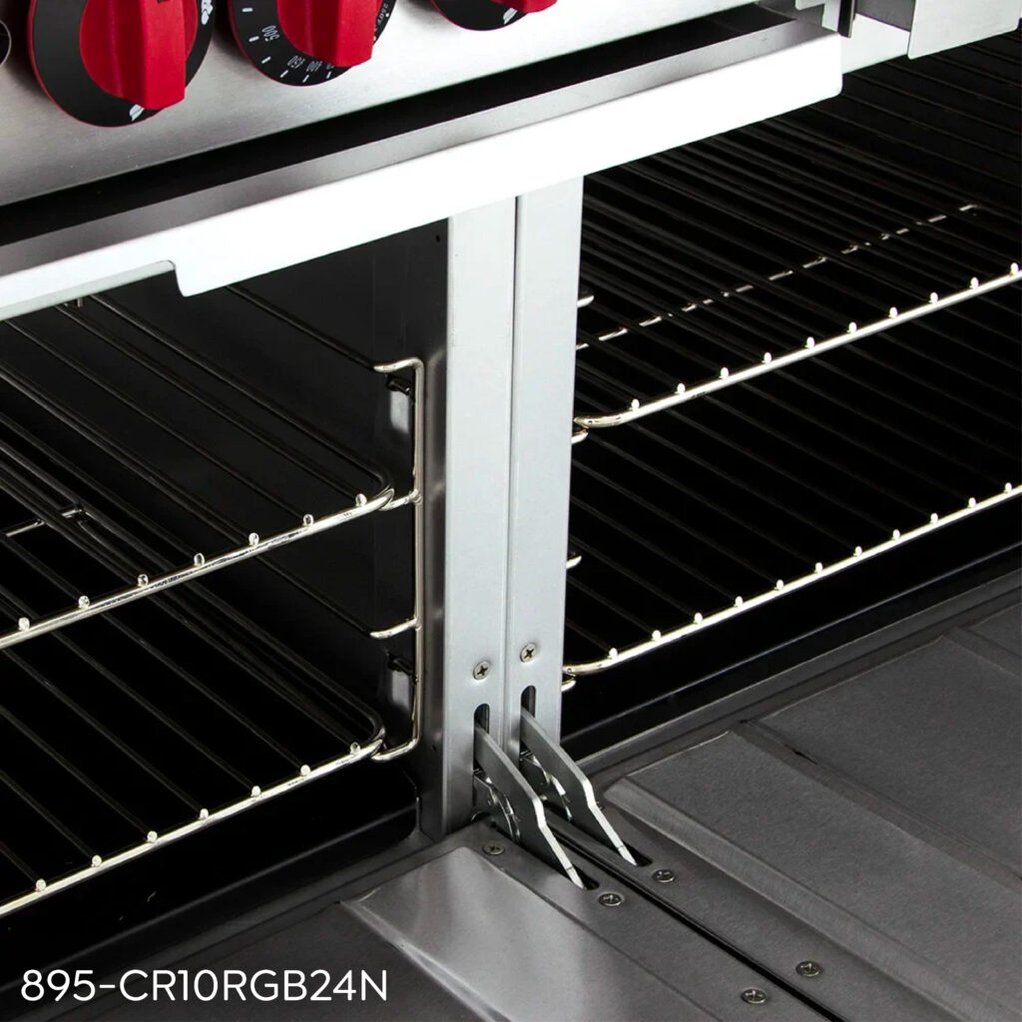
Oven racks are essential components designed to hold your cookware and bakeware in place while providing flexibility for various cooking methods. Typically located in the oven cavity, they can be adjusted up or down to accommodate different dishes. Their positioning impacts how evenly your food cooks.
Bake Element
The bake element, located at the bottom of the oven, provides consistent heat for baking, casseroles, and more. Operating at temperatures between 250 and 375 degrees Fahrenheit, it ensures even cooking. If you experience uneven baking or overheating, check the bake element or consult a professional.
Broil Element
The broil element, located at the top of your oven, provides intense heat for broiling. Operating at temperatures between 500 to 550 degrees Fahrenheit, it’s perfect for quickly cooking thin meats like steak, chicken, and salmon, as well as crisping the tops of casseroles and vegetables or melting cheese onto a dish.
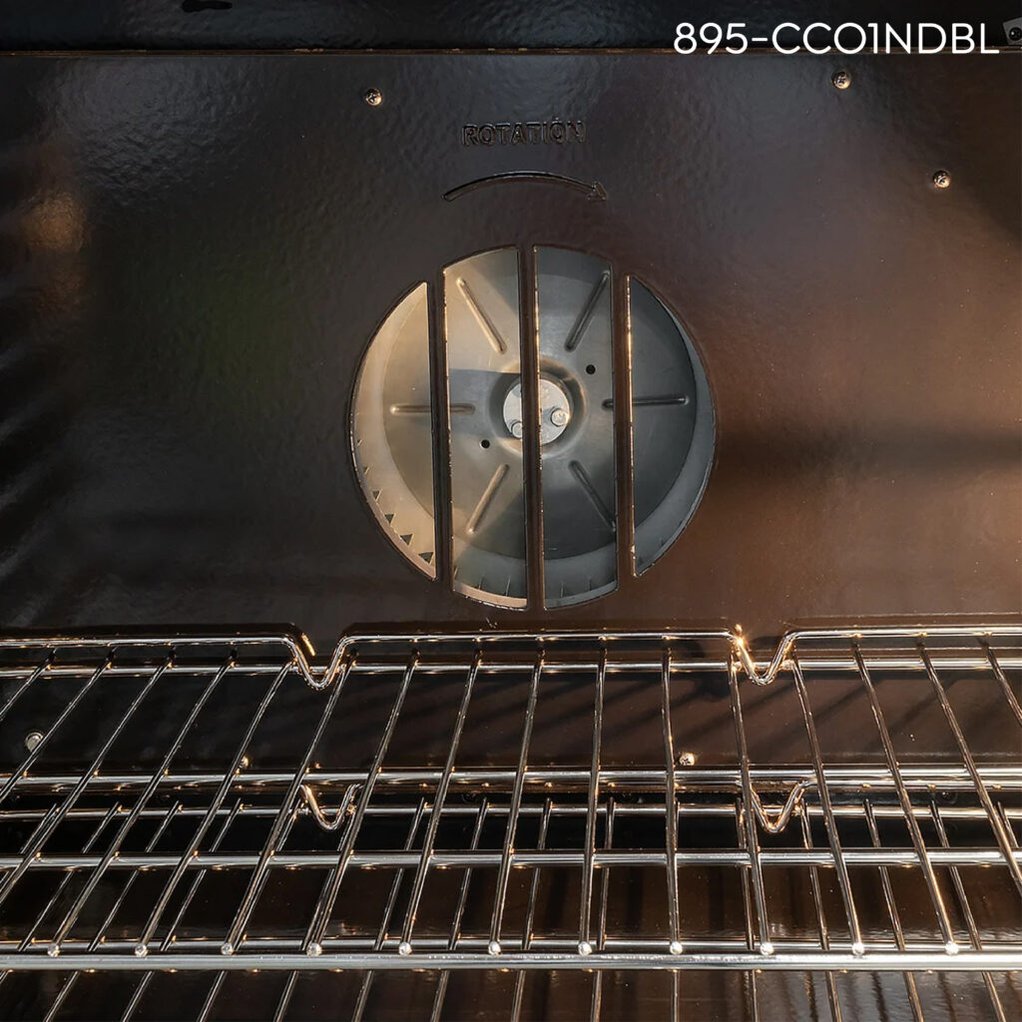
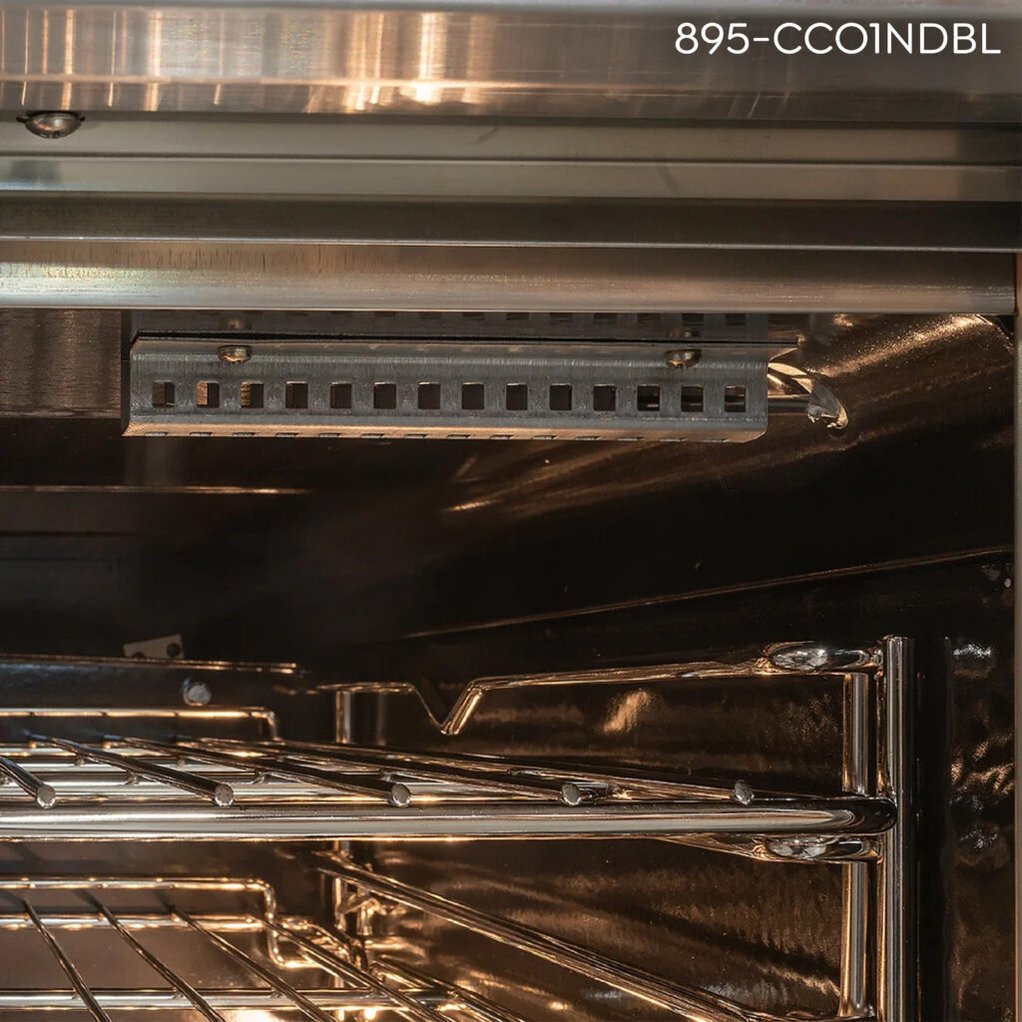
Convection Fan and Baffle
Located at the back of the oven, the convection fan and baffle circulate hot air for even cooking across all racks. This helps ensure faster, more consistent results, especially for baked goods and roasted dishes. If cooking is uneven, the fan may need professional attention.
Light Bulb and Assembly
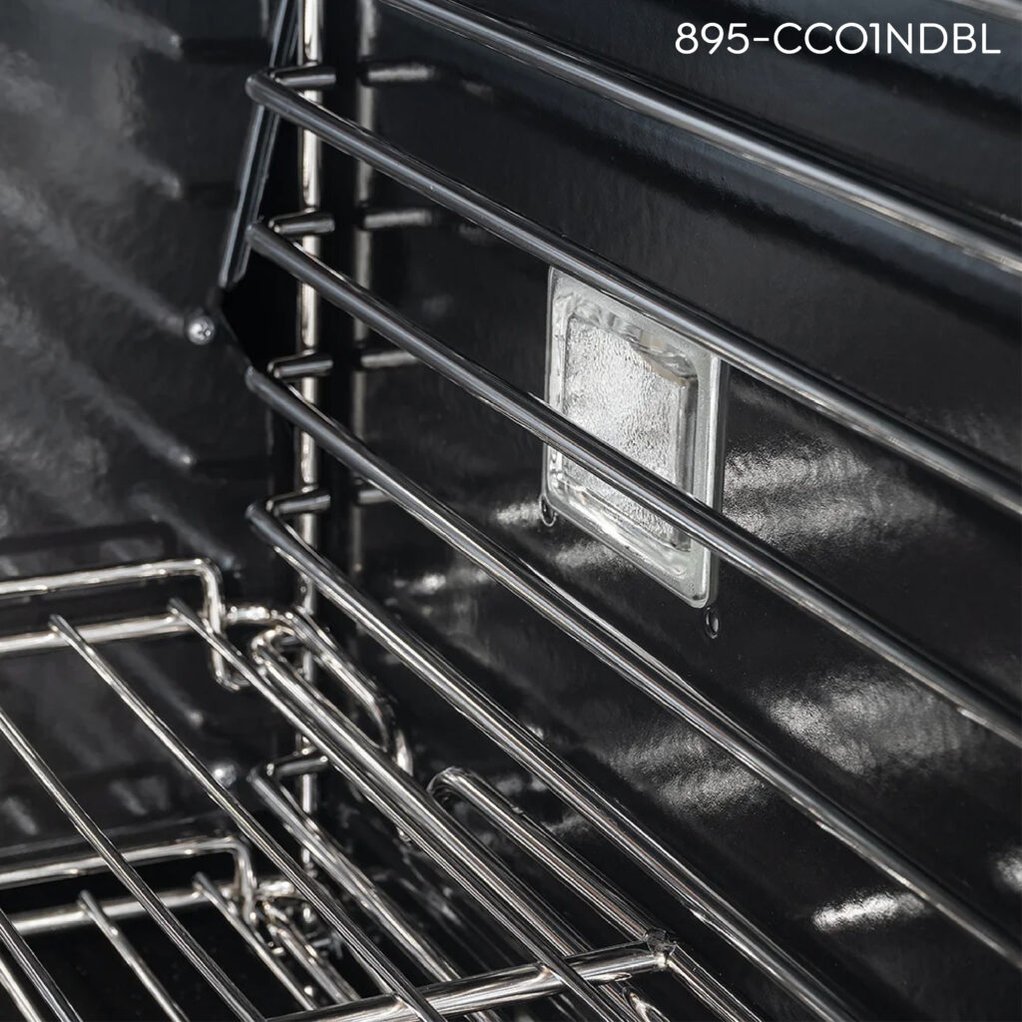
Located near the top of the oven cavity, the light bulb and assembly illuminate the interior so you can monitor your food as it cooks. If the light is out, refer to your owner’s manual for replacement instructions and the correct bulb type.
Hidden Bake Tray
Located at the bottom of the oven cavity, the hidden bake tray shields the bake element from spills and drips that may occur during cooking. This part helps keep the oven clean and ensures efficient heat distribution. If the tray shows signs of damage, such as dents or cracks, it's important to seek professional assistance for replacement.
Warming Drawer
Found in select oven models, the warming drawer is typically located at the bottom of the range. It’s designed to keep cooked food warm without continuing the cooking process, making it ideal for multi-course meals or when preparing dishes in advance. Some models feature a slow-cook setting for added convenience.
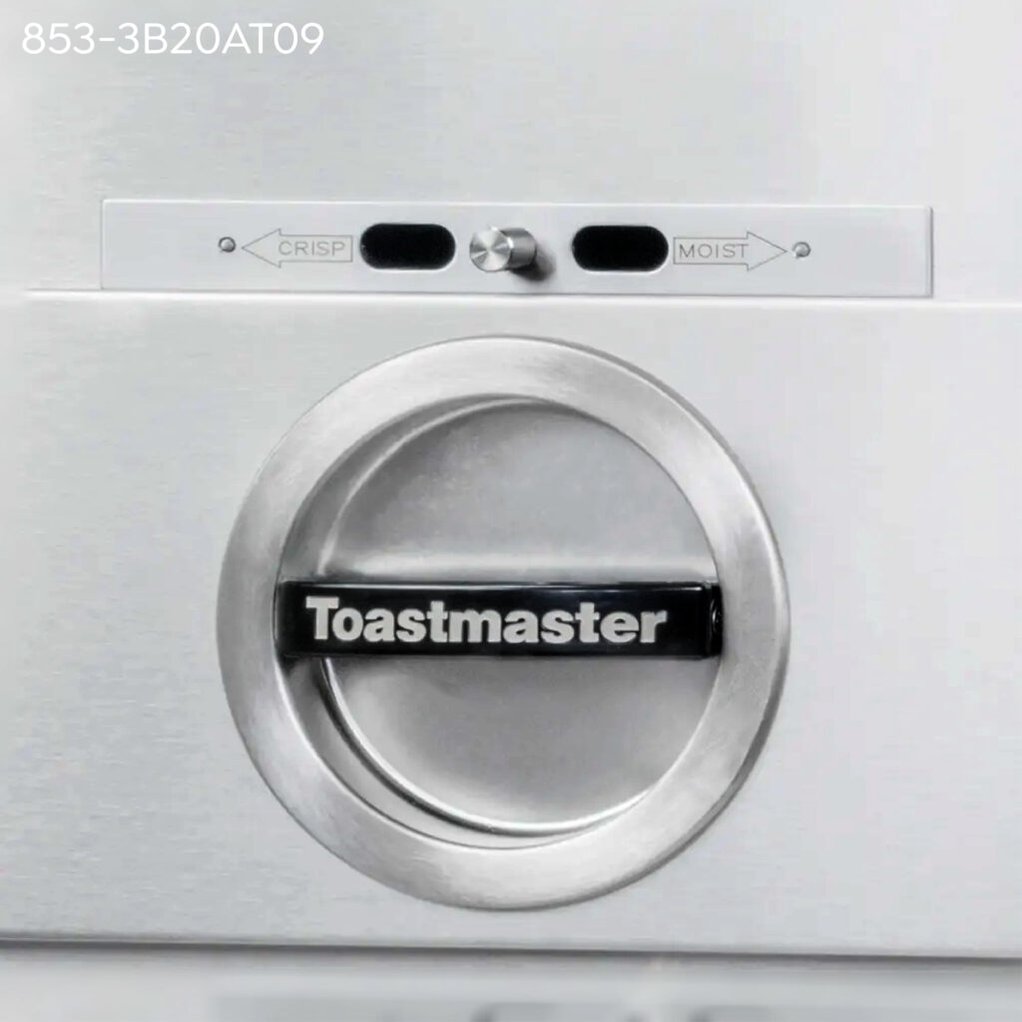
Vent Tube
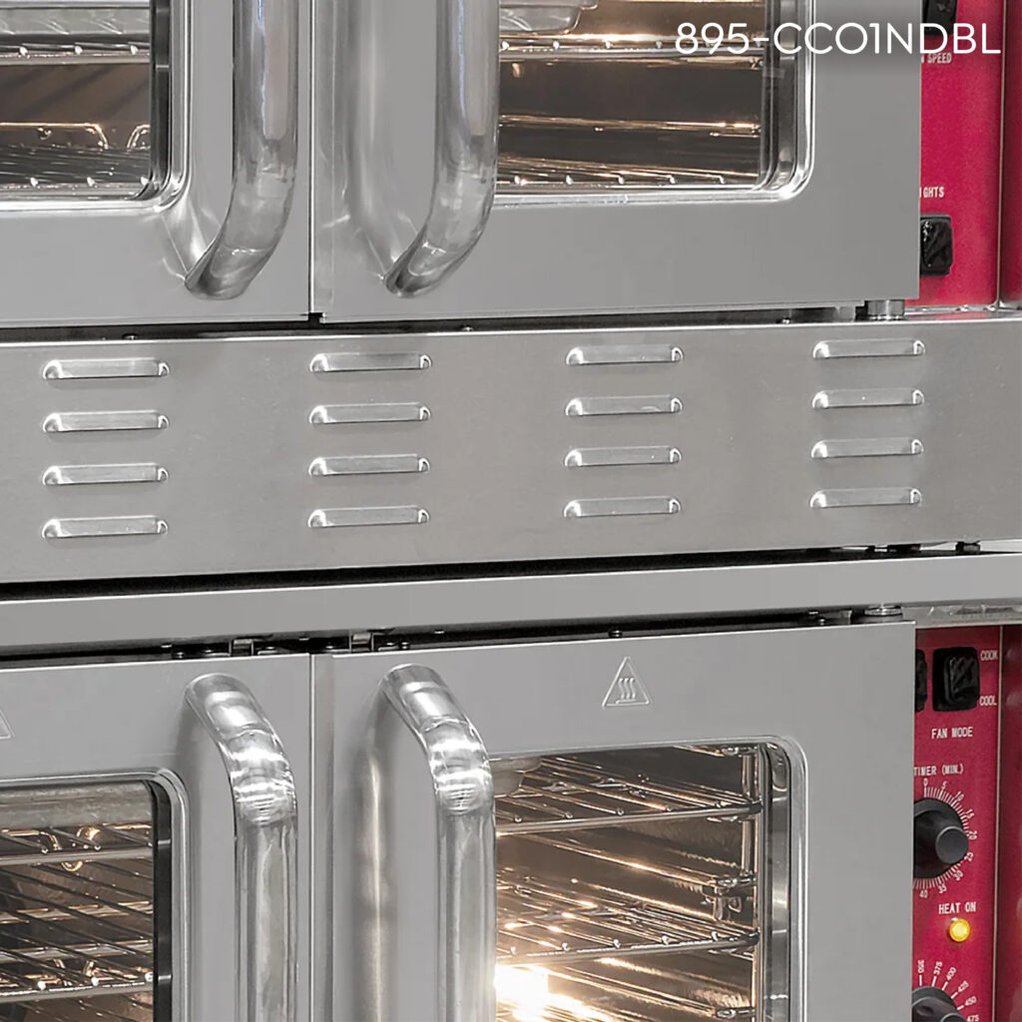
The vent tube is responsible for releasing heat and moisture from your oven to maintain proper air circulation. Typically located at the top of the oven cavity, this part ensures your oven functions efficiently. If you notice any issues with heat buildup or improper venting, it’s a good idea to consult a service professional for further assistance.
Gas Oven Igniter
The gas oven igniter is crucial for igniting the heating burner—a component found only in gas ovens. Typically located at the back of the oven near the burner tube, it ensures the burner lights up for proper heating. If the igniter fails or shows signs of damage, it’s best to contact a service professional for repair or replacement.
Gas vs. Electric Oven Parts
Gas and electric ovens differ in their heating methods and internal components, each offering unique benefits and performance characteristics. Gas ovens rely on a gas flame for heat, while electric ovens use heating elements. These differences impact the components found inside each type of oven, such as the igniter in gas ovens versus the bake and broil elements in electric ovens.
- Gas Oven Igniter (Gas Only): Ignites the gas burner for heating; not found in electric ovens.
- Bake & Broil Elements (Electric Only): Heating elements in electric ovens that provide heat for baking and broiling; absent in gas ovens.
- Vent Tube: Found in both gas and electric ovens, it's used to release heat and moisture but is more prominent in electric ovens because of the different heating methods.
- Convection Fan: Available in gas and electric but only in convection models, the fan circulates air for even cooking in both types of ovens.
When to Replace Your Oven Parts
If your oven's parts are damaged, malfunctioning, or not responding, it may be time for a replacement. Common signs include inconsistent heating, visible damage, or a complete failure to turn on altogether. If troubleshooting doesn't resolve the issue, consult a professional for further diagnosis and replacement.
Your Oven Parts Questions Answered
How do I clean my oven?
Regularly wipe down the interior and use a self-cleaning function or oven cleaner for deeper cleaning.
Why is my oven not heating properly?
Check the heating element, thermostat, or gas ignition; if issues persist, contact a professional.
How often should I replace my oven parts?
Replace oven parts when they show visible signs of wear or malfunction to ensure optimal performance.
What should I do if my oven is overheating?
Check the thermostat or bake element and replace if needed; contact a professional for further inspection.
Can I use aluminum foil in my oven?
Yes, but avoid placing it directly on the oven floor or blocking vents for proper air circulation.
What are the main components of an oven?
The main components of an oven include the heating elements (bake and broil), oven racks for holding cookware, and the thermostat to regulate temperature and ensure even cooking.
Shop Commercial Ovens at KaTom Today
With a clear understanding of oven components and how they work, you can easily identify and address common issues in your commercial oven. At KaTom, we offer a wide range of high-quality ovens and parts, making it easy to find the perfect solution for your needs.
