Why Is My Ice Cloudy? A Look at How It Freezes
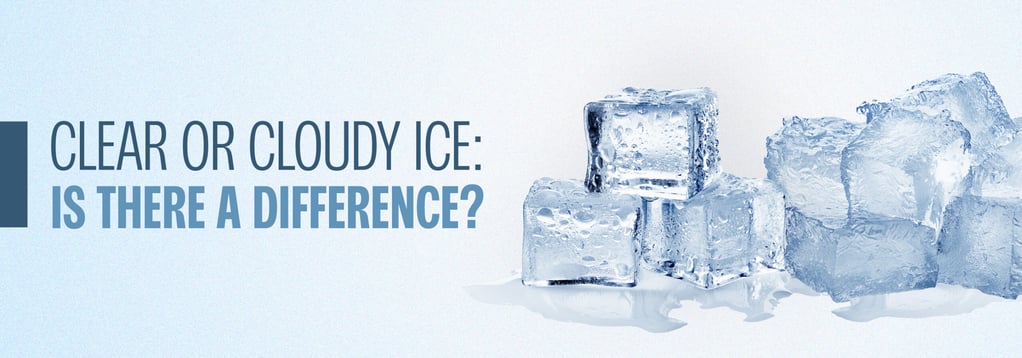
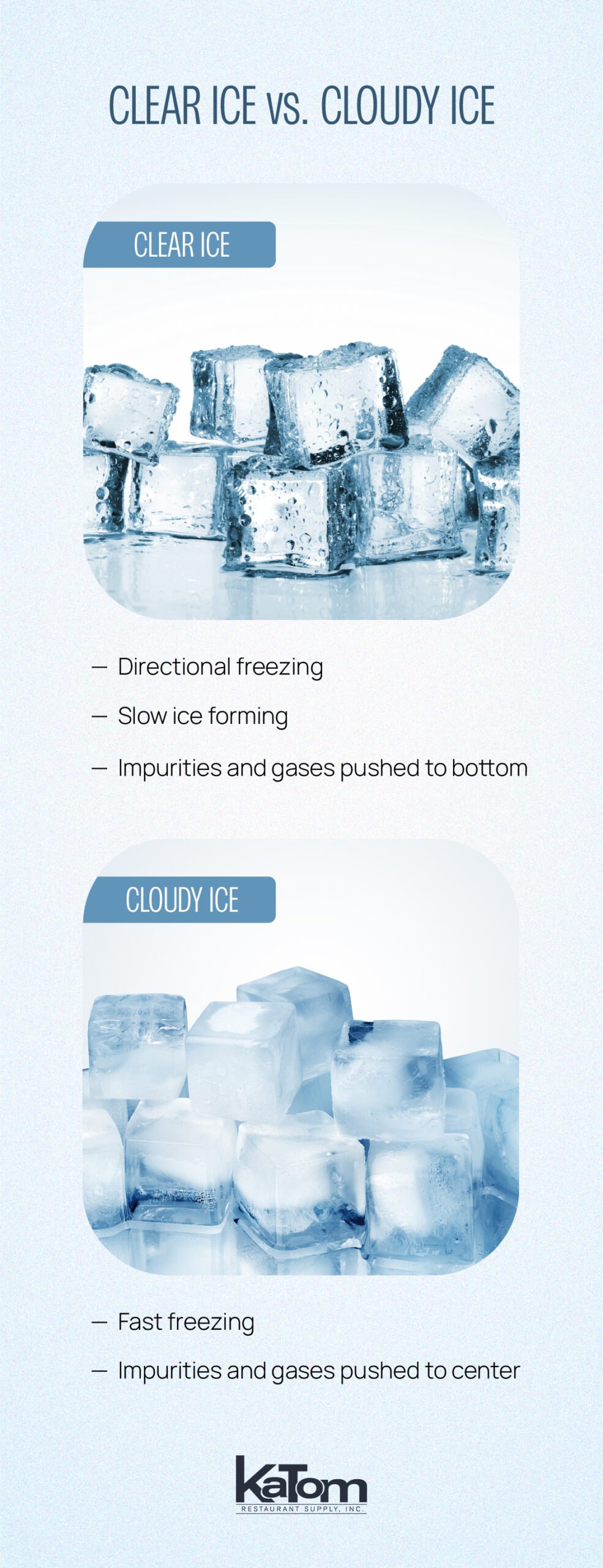
Ice begins to form when water reaches its freezing point of 32 degrees Fahrenheit. When in a container, ice freezes from the outside in. When water freezes from all sides—as it does in an ice cube tray—gases and minerals in the water are pushed to the center of the cube. Ice crystals form around them, making the inside look like a frozen cloud.
Rapidness and Impurities
Fast freezing creates cloudy ice. Normally, ice transfers heat slowly. That's why, in a pond, ice will form at the top from exposure to cold air, but as it gets thicker, its creation gets slower.
1 This slow freezing process forces impurities downward, forming clear ice that's cleaner than the rest of the lake.
2
How Do You Make Clear Ice Cubes?
The best way to get clear ice at home is by mimicking the formation of ice on a lake. This method, called directional freezing, involves filling an insulated container—like a cooler, thermos, or insulated ice cube tray—with water and placing it in the freezer without a lid. Clear ice will form on top, while the impurities freeze in the bottom layer.
Commercial ice makers feature many
ice formation methods. Flake and nugget ice machines work by scraping ice off a cylinder, while others cascade water over a metal tray with ice-shaped divots, gradually forming cubes. While none of these methods are guaranteed to create perfectly clear ice, some commercial ice machines come close.
One such machine is
Hoshizaki's crescent cuber, which utilizes a stainless steel
free-flowing evaporator to continuously move water over a cold metal plate. This removes heat efficiently and prevents minerals from being trapped in the ice.
"Mineral separation happens every time water temperature changes," said Steve Wright from Hoshizaki. "Free-flowing evaporators allow these minerals to flow to the sump, preventing buildup in the ice grid and ensuring clear, pure ice."
Also known for its clear ice,
gourmet ice makers produce shapes like
bullet and
top hat ice. Bullet cubes are usually created by submerging a cold metal rod in water. The ice is formed around the rod from the inside out, which inhibits the amount of trapped impurities.